Find the Best Land Clearing Contractors for Your Business
No obligation • Fast responses • Nationwide coverage

Why you can trust Landscape Atlas
Landscape Atlas is a leading United States resource for evaluating landscaping, lawn care, and outdoor service providers. Our team researches each category in depth, focusing on service quality, safety, and customer experience. Listings and rankings are based on independent criteria and user feedback, and companies cannot pay to influence our assessments or recommendations.
Search providers near you
Best Land Clearing Contractors in Virginia Ranked
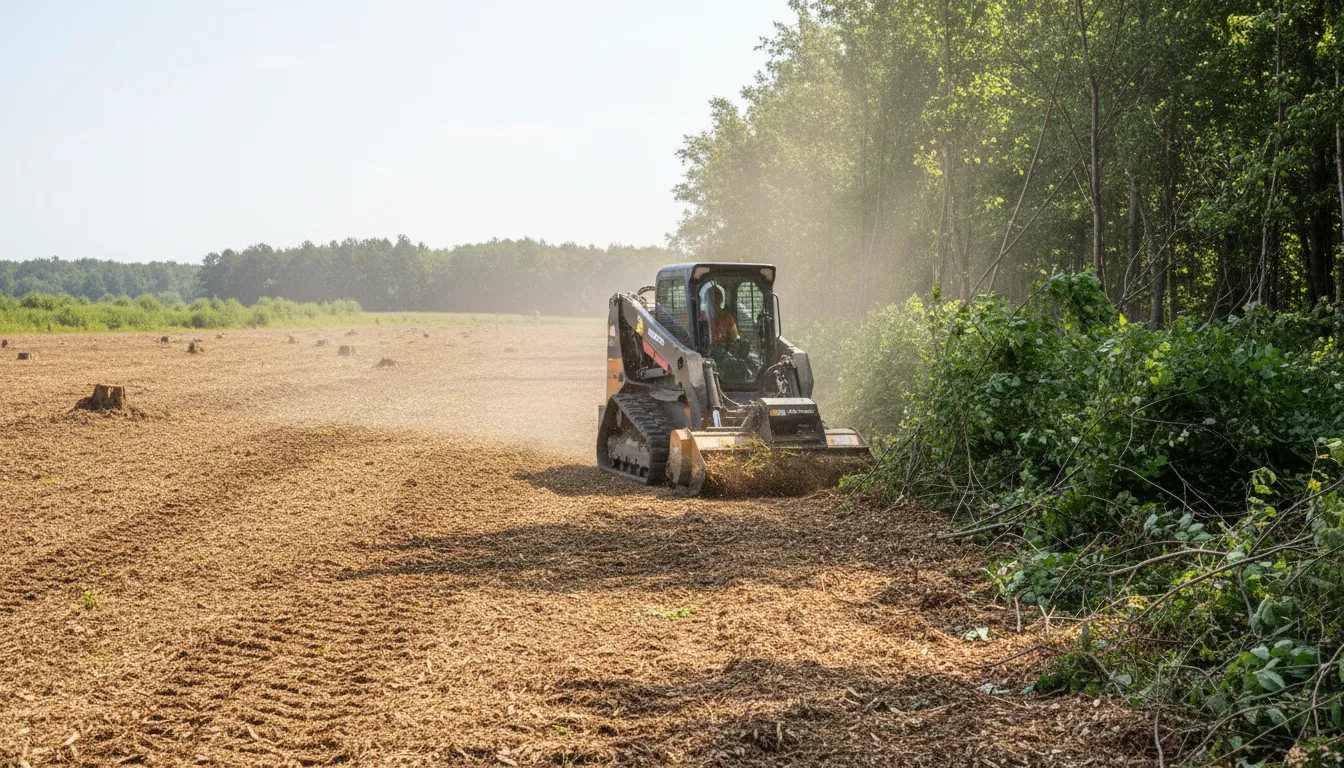
Land clearing is the process of removing trees, brush, stumps, and other obstacles from a property to prepare it for construction, agriculture, or improved use. In Virginia, this work is more than just cutting and hauling; it's a regulated activity critical for protecting the state's soil and water resources. Proper site clearing ensures your project starts on a stable, compliant foundation while preventing costly erosion and sediment runoff. This guide explains the key regulations, best practices, and cost considerations for land clearing in Virginia, helping you understand the process and connect with qualified local professionals who can execute your project safely and legally.
Conner Tree Service
Richmond, VA
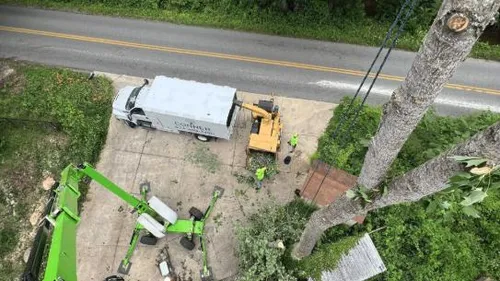
Conner Tree Service is a tree care company based in Richmond, VA, offering a range of services including tree removal, tree trimming, stump grinding, brush removal, storm damage cleanup, and land clearing. They serve New Kent County and the surrounding areas, providing expert care to maintain and enhance outdoor spaces. The company specializes in forestry mulching, an environmentally friendly land clearing method that converts vegetation into mulch to enrich soil and promote healthy growth. Founded in 2001 by Jason Conner, the business brings over 20 years of experience to its work, focusing on safe and precise tree management.

Altizer Lawn & Landscape LLC
Richmond, VA
Altizer Lawn & Landscape LLC is a licensed and insured lawn care and landscaping company based in Richmond, VA. They offer a wide range of services including lawn mowing, fertilization, weed control, yard drainage, grading, land clearing, hardscaping with pavers and retaining walls, and stormwater management to protect home foundations. The company is certified in pesticide, herbicide, and fertilizer application and provides excavation and gravel driveway installation and maintenance. Founded and operated by Britt Altizer, a Richmond resident with a background in Environmental Studies and Urban Planning, the business emphasizes creative solutions and skilled workmanship.
Aubrey's Tree Service & Landscaping
630 Carter Rd, Chesapeake, VA 23322
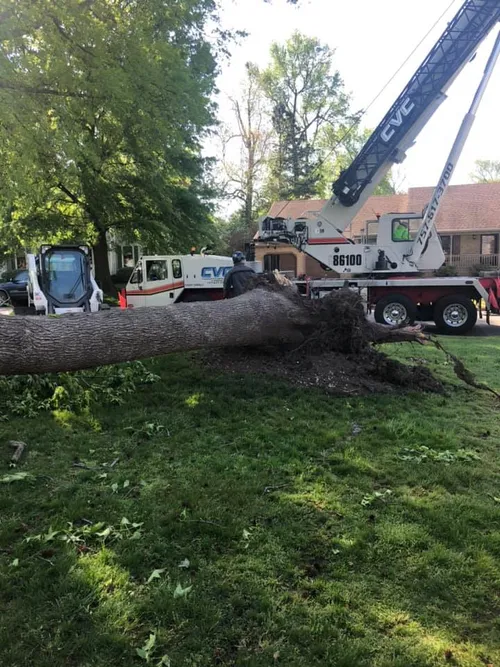
Aubrey's Tree Service & Landscaping is a family-owned business serving Chesapeake, VA, and the Hampton Roads area for over 25 years. They offer a wide range of services including tree removal, stump grinding, landscape design and installation, hardscaping, sod installation, irrigation, drainage system installation, and lot clearing. Their team is certified by OSHA and ISA and provides 24/7 emergency tree services to address urgent needs promptly. With extensive experience and comprehensive capabilities, they handle projects from concept to completion, including commercial and residential properties.
Kono Tree Care
Virginia Beach, VA
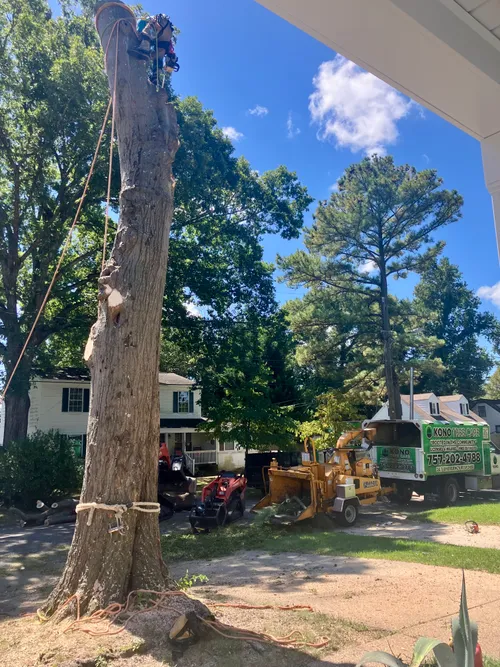
Kono Tree Care is a licensed and insured tree service company based in Virginia Beach, VA, serving the Hampton Roads area. They offer a range of services including tree removal, trimming, stump grinding, and land clearing for both residential and commercial properties. With over 30 years of combined experience, the team handles projects of all sizes, focusing on safety and maintaining the natural beauty of the landscape. Kono Tree Care also provides 24/7 emergency tree services to address urgent needs caused by storms or other hazards.
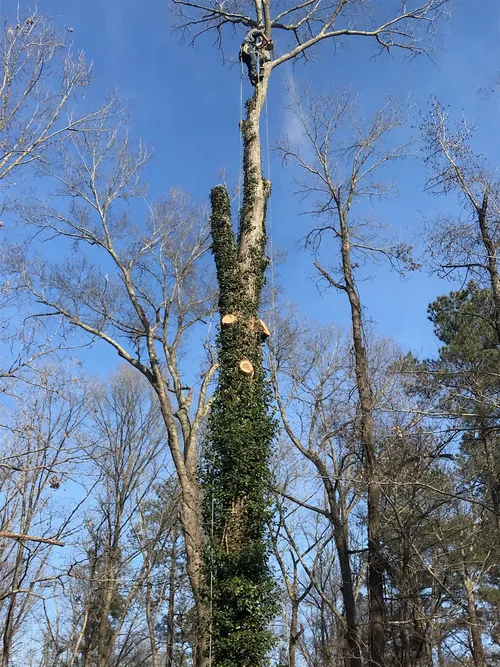
Advanced Tree Service
4305 Hopewell Rd, New Kent, VA 23124
Advanced Tree Service is a tree removal and land clearing contractor based near Richmond, VA. They provide residential and commercial tree removal, stump grinding, and lot clearing services. The company is known for safely removing hazardous trees and handling land clearing projects of various sizes. Advanced Tree Service has built a reputation for dependable and thorough work in the Richmond area, with experience dating back at least to 2013. They are licensed and insured, emphasizing safety in all their operations.
Understanding Virginia's Regulatory Landscape
Before any machinery touches your property, it's essential to understand Virginia's regulatory framework. The Commonwealth takes soil and water protection seriously, and land-disturbing activities are closely governed.
The Virginia Erosion and Stormwater Management Act (VESMA)
The cornerstone of land clearing regulation in Virginia is the Virginia Erosion and Stormwater Management Act (VESMA), which took full effect in 2024 1. This law defines any activity that removes vegetative ground cover, including clearing, grading, and excavation, as a Land-Disturbing Activity (LDA). The primary goal is to control erosion and manage stormwater runoff to protect downstream properties and waterways from increased flow and sediment pollution.
When Do You Need a Permit?
A permit is required for any land disturbance exceeding one acre 2 3. This threshold is critical for homeowners and developers to note. The permitting process involves submitting an Erosion and Sediment Control (ESC) Plan or a comprehensive Stormwater Management Plan for local review and approval 4 5. This plan must be approved before any clearing work begins 3. Local counties and cities are typically the authority having jurisdiction (AHJ) for reviewing these plans and conducting inspections to ensure compliance 4.
Key Requirements of an Approved Plan
An approved ESC plan isn't just paperwork; it outlines specific, mandatory practices that must be implemented on-site:
- Perimeter Controls: Installing silt fences or other sediment barriers along the downslope boundary of the disturbance area is often the first step.
- Stabilized Construction Entrances: Stone pads must be placed at any point where vehicles enter or exit the site to prevent tracking mud onto public roads 6.
- Timely Stabilization: Exposed soil areas must be temporarily stabilized (e.g., with mulch or seed) within 7 days if work is paused during the dormant season. Permanent stabilization (like establishing grass) is required within 7 days of reaching final grade 7 8.
- Waterway Protection: Specific measures must be detailed to protect any adjacent streams, rivers, or wetlands from sediment discharge 9.
Find the perfect land clearing contractors for your needs
Get personalized recommendations and expert advice
Best Practices for Sustainable Site Clearing
Beyond compliance, adopting sustainable clearing practices protects your property's long-term value and ecological health. Virginia's soil is a vital, non-renewable resource for forestry, agriculture, and overall ecosystem function.
Plan Before You Clear
Experts strongly recommend reviewing county soil maps and understanding your land's topography before starting. This helps identify sensitive areas, such as steep slopes or wet soils, that require special handling or should be avoided entirely.
Practice Selective Clearing
Instead of clearing everything, consider a selective approach. Preserving mature trees and desirable vegetation maintains wildlife habitat, provides shade and windbreaks, and significantly reduces erosion potential 10. Marking "save" trees before work begins is a simple, effective strategy.
Manage Debris On-Site
Hauling away all debris is expensive and inefficient. Modern techniques like mulching use specialized equipment to grind trees and brush into nutrient-rich mulch that can be spread back over the soil. This instantly provides erosion control, improves soil moisture retention, and suppresses weeds.
Be Habitat Aware
Be mindful of nesting seasons and potential habitats for protected species. A professional can help identify these considerations during the planning phase.
Cost Factors for Land Clearing in Virginia
The cost to clear land in Virginia is highly variable and depends on a combination of project-specific factors. While averages can provide a baseline, your final estimate will be unique.
Primary Cost Drivers
- Property Size & Topography: This is the most obvious factor. Larger tracts cost more. Steep, rugged terrain is more challenging and time-consuming to work on than flat land, increasing costs.
- Tree Density and Size: A lightly wooded lot is far less expensive to clear than a densely forested one with large, mature trees. The type of equipment needed (from small skid-steers to large excavators and mulchers) changes with the vegetation.
- Site Accessibility: Can large equipment easily get to the site? Tight spaces, lack of driveway access, or remote locations can increase time and labor costs 11.
- Debris Removal/Disposal: Your chosen method for handling stumps, logs, and brush greatly impacts cost. Options include hauling to a landfill (tipping fees apply), on-site burning (where permitted), chipping for mulch, or grinding stumps in-place.
- Permitting & Planning: The cost of engineering and submitting an ESC plan, along with permit fees, should be factored into the project budget, especially for disturbances over one acre.
Estimated Cost Ranges
Based on available data, here are some illustrative ranges, though prices can vary widely by region and specific site conditions:
- Small Lots (e.g., 1/4 acre): Clearing a heavily forested quarter-acre could range from approximately $825 to $1,400.
- One-Acre Lot: For a full acre of heavy forest, estimates range from about $3,300 to $5,600.
- General Residential Range: Some broader estimates for typical residential properties suggest a range from $1,266 to $3,900, but this can easily be higher for complex sites 12.
The Value of Professional Land Clearing Services
Hiring a professional site clearing company is often a wise investment that can save time, money, and legal headaches in the long run.
- Regulatory Compliance: Professionals understand VESMA and local ordinances. They can help navigate the permit process and ensure the site meets all ESC plan requirements, avoiding potential fines and stop-work orders.
- Proper Equipment: They have access to the right machinery-such as excavators, bulldozers, forestry mulchers, and wood chippers-to handle the job efficiently and safely, which is equipment most property owners do not own.
- Efficiency and Expertise: Experienced crews work faster and can anticipate challenges like hidden rocks, poor soil conditions, or drainage issues, adapting their approach accordingly 13.
- Cost-Effective Solutions: Professionals can recommend the most cost-effective debris management strategy (like on-site mulching) and prevent costly mistakes, such as damaging soil structure or creating erosion problems that require expensive remediation 14.
Frequently asked questions
Sources
Footnotes
-
3.2 Virginia Erosion and Stormwater Management Act - enCodePlus - https://online.encodeplus.com/regs/deq-va/doc-viewer.aspx?secid=42 ↩
-
Chapter 5 Erosion and Sediment Control and Stormwater ... - https://online.encodeplus.com/regs/deq-va/doc-viewer.aspx?secid=92 ↩
-
§ 62.1-44.15:34. Regulated activities; submission and approval of a ... - https://law.lis.virginia.gov/vacode/title62.1/chapter3.1/section62.1-44.15:34/ ↩ ↩2
-
Erosion Control / Stormwater | Madison County, VA - https://www.madisonco.virginia.gov/183/Erosion-Control-Stormwater ↩ ↩2
-
Code of Virginia Code - Article 2.4. Erosion and Sediment Control Law for Localities Not Administering a Virginia Erosion and Stormwater Management Program - https://law.lis.virginia.gov/vacodefull/title62.1/chapter3.1/article2.4/ ↩
-
5.3 Technical Requirements - enCodePlus - https://online.encodeplus.com/regs/deq-va/doc-viewer.aspx?secid=108 ↩
-
Vol. 41 Iss. 23 (Fast-Track) 9VAC25-875, Virginia Erosion And ... - https://register.dls.virginia.gov/details.aspx?id=11715 ↩
-
Article 2. Soil Erosion Requirements - Virginia Law - https://law.lis.virginia.gov/admincodefull/title9/agency25/chapter875/partV/article2/ ↩
-
Erosion & Sediment Control Minimum Standards for a Single - https://graysoncountyva.gov/DocumentCenter/View/266/A-Landowners-Guide-to-Erosion-PDF ↩
-
To Clear or Not To Clear -- That Is the Question - https://www.pubs.ext.vt.edu/465/465-340/465-340.html ↩
-
Exploring the Cost Factors of Residential Land Clearing in ... - https://centralvirginialandclearing.com/2024/06/28/exploring-the-cost-factors-of-residential-land-clearing-in-mineral-virginia/ ↩
-
How Much Does it Cost to Clear Land in 2026? - Lawn Love - https://lawnlove.com/blog/land-clearing-cost/ ↩
-
Land Clearing Services | Prepare Your Site for Development - https://rockhardexc.com/land-clearing-101-site-prep-for-development/ ↩
-
Why is Land Clearing Important for Virginia Property Owners - https://mlbearthworks.com/why-is-land-clearing-important/ ↩