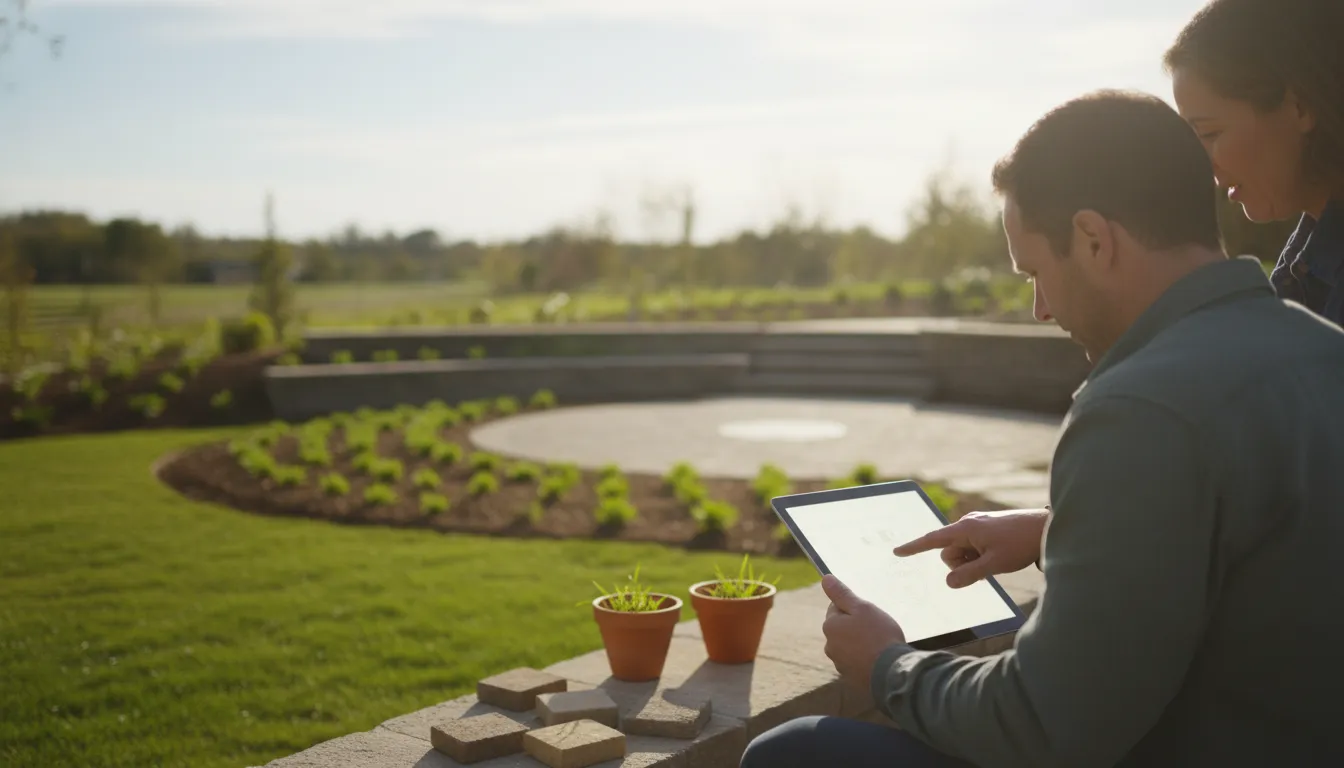
Find the Best Landscape Design Companies for Your Business
No obligation • Fast responses • Nationwide coverage

Why you can trust Landscape Atlas
Landscape Atlas is a leading United States resource for evaluating landscaping, lawn care, and outdoor service providers. Our team researches each category in depth, focusing on service quality, safety, and customer experience. Listings and rankings are based on independent criteria and user feedback, and companies cannot pay to influence our assessments or recommendations.
Search providers near you
Top Landscape Design Companies in Azusa, California Ranked
Creating a beautiful, functional, and sustainable outdoor space in Azusa requires a thoughtful approach that respects the local climate and regulations. Landscape design is the art of planning and arranging the natural and built elements of your yard to create an aesthetically pleasing, usable, and environmentally responsible extension of your home. In Azusa, this means crafting gardens and outdoor living areas that thrive in our hot, dry summers, conserve precious water, and provide year-round enjoyment. This guide will help you understand the key considerations for your property, from plant selection to layout, so you can effectively connect with local professionals who can bring your vision to life.
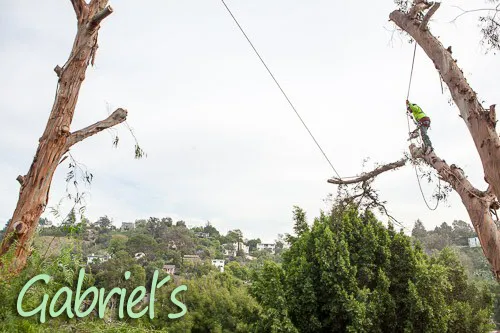
Gabriel´s Tree Service And Landscaping
11528 Felton Ave, Los Angeles, CA 90045
Gabriel's Tree Service And Landscaping is a full-service tree and landscaping company based in Los Angeles, CA. They offer a wide range of services including tree trimming, removal, stump grinding, emergency tree care available 24/7, landscape design, sprinkler installation and repair, land clearing, demolition, and hardscaping. Their certified arborists use professional equipment to safely manage tree emergencies and routine maintenance for residential and commercial properties. With over 20 years of experience, Gabriel's Tree Service And Landscaping also provides demolition services tailored to site preparation and renovation needs.
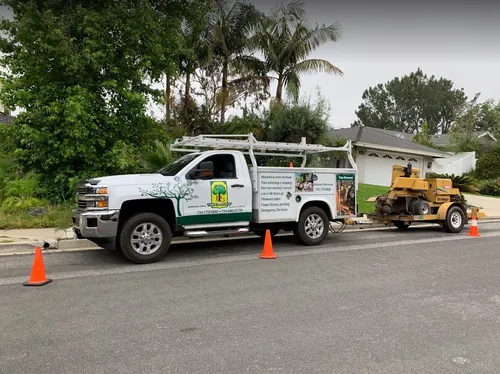
Environmental Green Tree Care/ Killelea Landscape
333 W Broadway #1206, Anaheim, CA 92815
Environmental Green Tree Care/ Killelea Landscape is a landscaping and tree service company serving Los Angeles, CA. Since 1976, they have provided residential and commercial landscaping design, tree removal, stump grinding, and maintenance services. Their team is experienced in creating customized landscape solutions and managing tree care projects with professional insight and practical approaches.
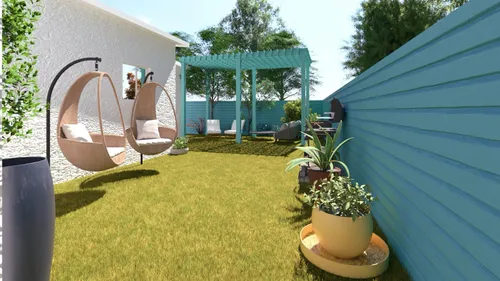
Green Advisor Inc.
7660 Beverly Blvd, Los Angeles, CA 90036
Green Advisor Inc. is a landscaping and remodeling company based in Los Angeles, CA. They provide comprehensive landscape design and construction services, including hardscaping, irrigation system installation, and custom outdoor renovations. Their expertise extends to pool construction, patio and deck building, and eco-friendly home remodeling projects. The company is recognized for its award-winning landscape designs and sustainable outdoor solutions. Green Advisor Inc. also offers 3D design services to help clients visualize their projects. They serve the Greater Los Angeles area, including the San Fernando Valley, and collaborate with trusted suppliers to ensure quality materials and craftsmanship.
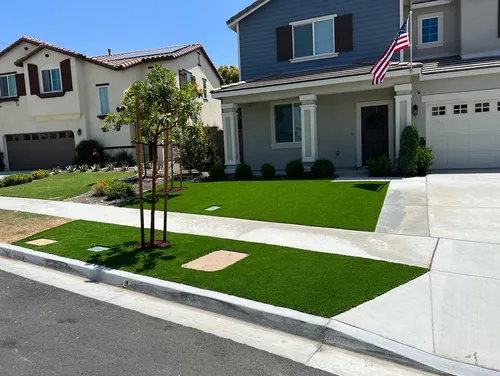
Rp Synthetic Turf
7740 Edison Ave #103, Fontana, CA 92336
Rp Synthetic Turf is a landscaping and hardscaping contractor based in Los Angeles, CA, specializing in artificial turf installation, custom putting greens, and landscape design. They provide full-service design and build solutions for residential and commercial outdoor spaces, focusing on creating maintenance-free, realistic synthetic lawns and tailored landscape features. Their expertise includes high-quality synthetic turf products and custom hardscape elements such as pavers and retaining walls. The company emphasizes personalized service and craftsmanship, with a history of positive client feedback highlighting their attention to detail and project management.
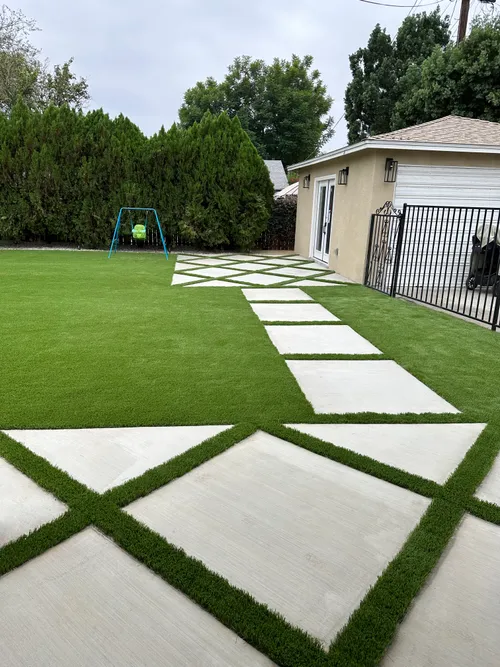
RainforestLA, Inc.
442 Alandele Ave, Los Angeles, CA 90036
RainforestLA, Inc. is a Los Angeles-based landscape company with over 20 years of experience. They offer landscape design, hardscaping, and outdoor lighting installation services throughout Los Angeles, Inglewood, and Santa Monica, CA. Their capabilities include creating detailed 3D landscape designs and installing LED low-voltage lighting to enhance outdoor spaces after dark. The company focuses on combining functionality with aesthetic appeal to create inviting outdoor living areas.
Understanding Azusa's Unique Landscape Environment
Azusa's Mediterranean climate, classified as USDA Hardiness Zone 9b, is the single most important factor shaping local garden planning. This climate features long, hot, and dry summers followed by mild, wetter winters. This pattern dictates a design philosophy centered on drought tolerance and water conservation. The soil in the area can vary but often benefits from amendments to improve drainage for native plants, and the use of mulch is essential to retain soil moisture and suppress weeds 1.
Furthermore, California's statewide Model Water Efficient Landscape Ordinance (MWELO) establishes guidelines that encourage water-wise practices. For homeowners, this means designs often incorporate strategies for capturing rainwater, reducing impervious surfaces, and using permeable materials to manage stormwater runoff effectively. A successful Azusa landscape isn't just about beauty; it's about creating a resilient system that works in harmony with the local environment.
Core Principles of Water-Wise Garden Design
Adopting a water-wise approach is non-negotiable for a sustainable and compliant yard. This goes beyond simply installing a drip system; it's a holistic design strategy.
- Plant Selection is Paramount: The foundation of a low-water landscape is the plant palette. Focus on native California plants and those from other Mediterranean regions around the world. These plants are naturally adapted to survive with minimal summer irrigation once established. Think of species like California sagebrush, manzanita, native bunchgrasses, lavender, rosemary, and a vast array of succulents.
- Hydrozoning: This technique involves grouping plants with similar water needs together. This allows for more efficient irrigation, ensuring thirsty plants get what they need without overwatering drought-tolerant neighbors.
- Smart Hardscaping: The choice of materials for patios, walkways, and other non-plant features is crucial. Using permeable materials like decomposed granite (DG), gravel, or permeable pavers allows rainwater to seep into the ground, replenishing groundwater and reducing runoff, which aligns with MWELO principles.
- Efficient Irrigation: A well-designed drip irrigation or micro-spray system delivers water directly to the root zone of plants, minimizing evaporation and waste. Smart controllers that adjust watering based on weather conditions are a valuable upgrade.
Popular Design Layouts and Functional Zones
A well-planned garden layout creates intuitive flow and dedicates space for different activities. Common layouts for Azusa properties often balance these functional zones with sustainable elements.
- Entertainment Hub: This is often the central focus, featuring a patio made of permeable materials for dining and lounging. It may be anchored by a fire pit or an outdoor kitchen, seamlessly extending your home's living space.
- Relaxation Nooks: Quieter areas might feature a bench surrounded by fragrant plants, a small water feature for its cooling sound, or a shaded reading corner under a small, drought-tolerant tree like a Dwarf Olive.
- Utility and Play Areas: Discreetly screened spaces for trash/recycling bins, composting, or a vegetable garden can be incorporated. For families, a resilient lawn alternative or soft ground cover can define a play zone.
- Connecting Pathways: Gravel or DG paths are not only permeable and low-maintenance but also help define different areas and guide movement through the garden.
Choosing the Right Plants for Structure and Beauty
A layered planting design adds depth, texture, and year-round interest while supporting local ecology.
- Structural Layer (Trees & Large Shrubs): Small trees and large shrubs provide the "bones" of the garden. Excellent choices for Azusa include Western Redbud, Toyon, Catalina Cherry, and various Manzanita cultivars. These create shade, privacy, and habitat 2.
- Mid-Layer (Shrubs & Grasses): This layer fills the space with color and form. Consider Cleveland Sage, California Fuchsia, Rosemary, and native grasses like Deer Grass or Purple Needlegrass. Ornamental grasses add movement and a soft, natural aesthetic.
- Ground Layer (Groundcovers & Accents): Low-growing plants cover the soil, reducing erosion and the need for mulch. Dwarf Coyote Brush, Yarrow, and various succulents like Sedum or Aeonium work beautifully. Seasonal annual wildflowers can be sprinkled in for bursts of color.
Find the perfect landscape design companies for your needs
Get personalized recommendations and expert advice
Incorporating Outdoor Living Features
Modern landscape architecture in Southern California blurs the line between indoors and out. Integrating built features enhances how you use your yard.
- Patios & Decks: The primary gathering space. Materials like flagstone, concrete pavers (with permeable joints), or sealed concrete are popular. Decking made from composite materials offers durability with minimal upkeep.
- Outdoor Kitchens & Dining: From simple built-in BBQ islands to full kitchens with countertops, sinks, and refrigeration, these features turn your backyard into an entertainment destination.
- Fire Features: A gas or wood-burning fire pit or fireplace creates a cozy focal point, extending the usability of your outdoor room into cooler evenings.
- Lighting: Strategic lighting is essential for safety and ambiance. Low-voltage LED path lights, uplighting for trees, and soft string lights over a patio can transform the space at night.
- Water Features: The sound of moving water is calming and can help mask neighborhood noise. In a water-conscious design, recirculating fountains or small bubblers that use minimal water are preferred options 3.
Understanding Project Scope and Investment
The cost of a landscape design project in Azusa varies widely based on size, materials, and complexity. Here's a general breakdown to help you plan:
- Foundational (Low Budget - $2,000 - $10,000): This scope typically covers a basic design implementation focusing on drought-tolerant plantings, simple gravel or decomposed granite pathways, and a modest patio area. It's ideal for refreshing an existing space with water-wise plants and minimal hardscaping.
- Transformational (Mid-Range - $10,000 - $30,000): This tier often includes a comprehensive design with a larger paver or stone patio, a drip irrigation system, some low-voltage landscape lighting, and a more diverse selection of quality shrubs and trees. It may also incorporate a pre-fabricated fire pit or a basic water feature.
- Custom Luxury (High-End - $30,000+): High-end projects involve custom-designed and constructed elements like an outdoor kitchen with high-end appliances, complex retaining walls and terraces, custom water features, mature specimen trees, and extensive lighting and audio systems. The design work is highly detailed and integrated 4 5.
A typical, successful Azusa project might integrate several of these elements: a decomposed granite patio with a gas fire pit, surrounded by planting beds of California sage and lavender, connected by gravel pathways, all served by a smart drip irrigation system. This creates a beautiful, low-water, and low-maintenance retreat that fully complies with local sensibilities and regulations 6.
Frequently asked questions
Sources
Footnotes
-
Sustainable Landscaping in California - https://ucanr.edu/sites/default/files/2014-06/192025.pdf ↩
-
ADU Landscaping Design in the Bay Area - Opulands - https://www.opulandscape.com/landscape-design-inspiration/backyard-adu-landscaping-design/ ↩
-
Backyard Design Los Angeles: A Comprehensive Guide - https://www.terre-bonne.com/blog/backyard-design-los-angeles ↩
-
Modern Garden Ideas for Azusa, CA - Neighborbrite Blog - https://blog.neighborbrite.com/azusa-ca-modern-garden-ideas ↩
-
Top 7 Southern California Landscape Ideas | Eco Minded Solutions - https://ecomindedsolutions.com/top-7-southern-california-landscape-ideas/ ↩
-
Model Water Efficient Landscape Ordinance (MWELO) - https://water.ca.gov/-/media/DWR-Website/Web-Pages/Programs/Water-Use-And-Efficiency/MWELO-Rulemaking/Final-MWELO-Text-and-Appendices_20250103.pdf ↩