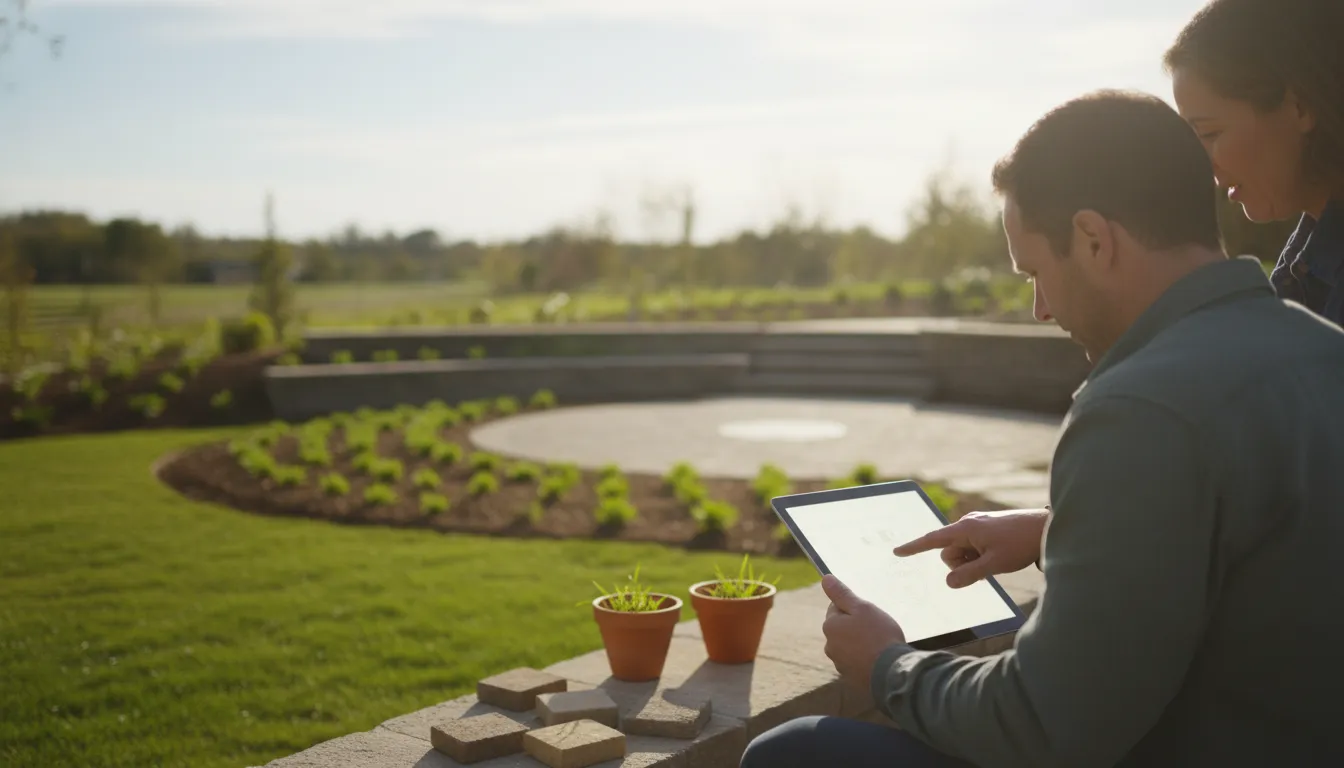
Find the Best Landscape Design Companies for Your Business
No obligation • Fast responses • Nationwide coverage

Why you can trust Landscape Atlas
Landscape Atlas is a leading United States resource for evaluating landscaping, lawn care, and outdoor service providers. Our team researches each category in depth, focusing on service quality, safety, and customer experience. Listings and rankings are based on independent criteria and user feedback, and companies cannot pay to influence our assessments or recommendations.
Search providers near you
Top Landscape Design Companies in Burbank, California Ranked
A well-crafted landscape design transforms your outdoor space into a functional, beautiful, and sustainable extension of your home. In Burbank, this process is particularly important, blending aesthetic vision with the practical demands of our local climate to create yards that are both stunning and resilient. This guide will help you understand the key considerations for planning your outdoor living space and connect you with local professionals who can bring your vision to life.
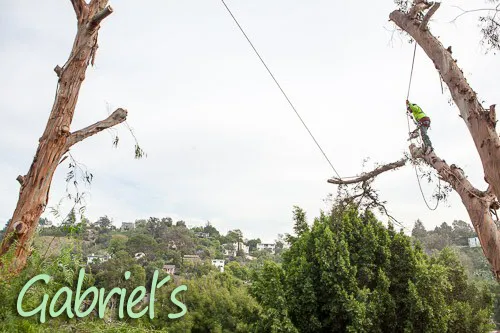
Gabriel´s Tree Service And Landscaping
11528 Felton Ave, Los Angeles, CA 90045
Gabriel's Tree Service And Landscaping is a full-service tree and landscaping company based in Los Angeles, CA. They offer a wide range of services including tree trimming, removal, stump grinding, emergency tree care available 24/7, landscape design, sprinkler installation and repair, land clearing, demolition, and hardscaping. Their certified arborists use professional equipment to safely manage tree emergencies and routine maintenance for residential and commercial properties. With over 20 years of experience, Gabriel's Tree Service And Landscaping also provides demolition services tailored to site preparation and renovation needs.
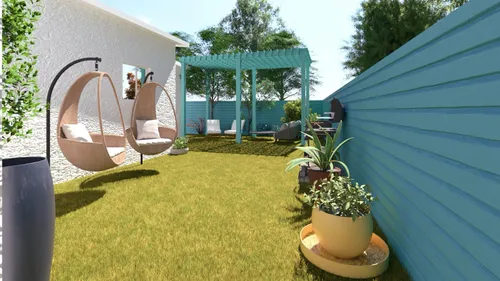
Green Advisor Inc.
7660 Beverly Blvd, Los Angeles, CA 90036
Green Advisor Inc. is a landscaping and remodeling company based in Los Angeles, CA. They provide comprehensive landscape design and construction services, including hardscaping, irrigation system installation, and custom outdoor renovations. Their expertise extends to pool construction, patio and deck building, and eco-friendly home remodeling projects. The company is recognized for its award-winning landscape designs and sustainable outdoor solutions. Green Advisor Inc. also offers 3D design services to help clients visualize their projects. They serve the Greater Los Angeles area, including the San Fernando Valley, and collaborate with trusted suppliers to ensure quality materials and craftsmanship.
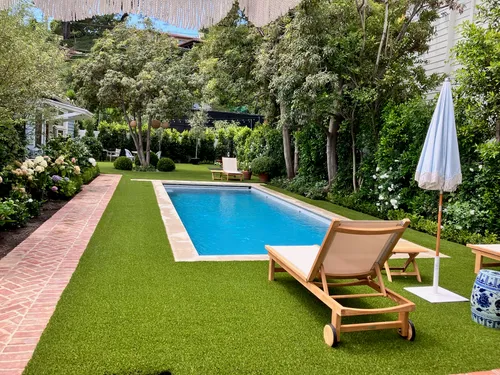
Cocoturf
4935 McConnell Ave Unit 5, Los Angeles, CA 90066
Cocoturf is a locally owned company based in Los Angeles, CA, specializing in artificial turf installation and landscape design for residential and commercial properties. With over 30 years of experience, they provide premium artificial turf systems that mimic natural grass, featuring advanced cooling technology and non-toxic materials. Cocoturf offers custom landscape designs and precise installations, focusing on durable and safe turf solutions made in the USA.
RainforestLA, Inc.
442 Alandele Ave, Los Angeles, CA 90036
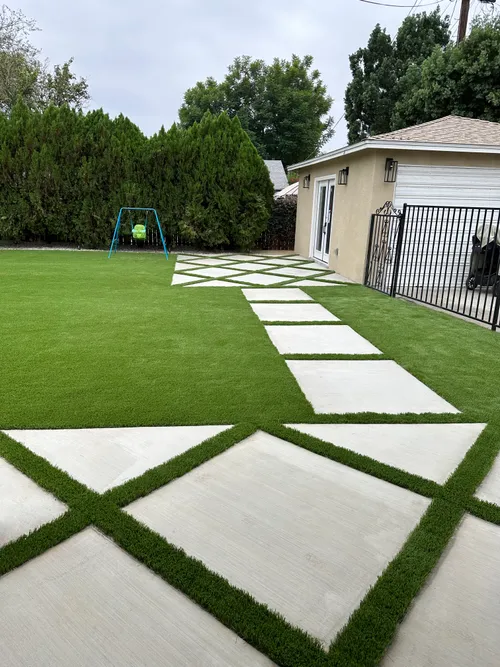
RainforestLA, Inc. is a Los Angeles-based landscape company with over 20 years of experience. They offer landscape design, hardscaping, and outdoor lighting installation services throughout Los Angeles, Inglewood, and Santa Monica, CA. Their capabilities include creating detailed 3D landscape designs and installing LED low-voltage lighting to enhance outdoor spaces after dark. The company focuses on combining functionality with aesthetic appeal to create inviting outdoor living areas.
Pacific Outdoor Living
8309 Tujunga Ave #201, Sun Valley, CA 91352
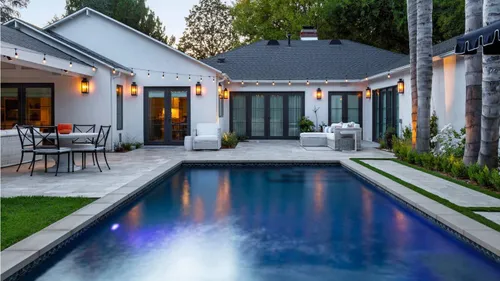
Pacific Outdoor Living is a landscaping and hardscaping company based in Los Angeles, CA. They offer a wide range of outdoor services including landscape design, swimming pools and spas, patios, driveways, outdoor kitchens, walkways, and water features. The company handles projects of all sizes, from small yard additions to full landscape designs, focusing on delivering projects that are designed and built right, on time, and on budget.
Understanding Burbank's Unique Environment
Successful landscape architecture in Burbank begins with a deep understanding of the local environment. The city's specific climate and soil conditions directly influence every design decision, from plant selection to irrigation planning.
Climate & Hardiness Zone: Burbank is situated in USDA Plant Hardiness Zone 10a, characterized by hot, dry summers and mild, wetter winters 1. This semi-arid climate means water conservation isn't just an eco-friendly choice-it's a practical necessity for a sustainable and cost-effective yard. The long growing season allows for a wide variety of plants, but the summer heat demands species that can thrive with minimal supplemental water.
Soil Composition: The native soil in much of Burbank is a dense clay or clay-loam. While this soil can retain nutrients, it often has poor drainage, which can be detrimental to many non-native plants. A key part of the site planning process involves assessing your soil and amending it to improve aeration and drainage, or strategically selecting plants that are naturally adapted to these conditions.
Water Conservation Imperative: Given the climate, designing for water efficiency is paramount. The City of Burbank's Water and Power department actively promotes water-wise landscaping through resources and even rebate programs for qualifying projects, making sustainable design both environmentally and financially smart 2 3.
Core Principles of Residential Landscape Design
Whether you're planning a simple refresh or a complete overhaul, several universal principles guide effective outdoor space planning. These concepts help create a cohesive, functional, and visually pleasing environment.
Functional Zoning: A well-designed property is typically divided into distinct zones. The public zone (front yard) focuses on curb appeal, often using symmetry and welcoming pathways. The private zone (backyard) is designed for living and entertaining, potentially including patios, dining areas, and play spaces. The service zone houses utilities, trash receptacles, and vegetable gardens, screened from view.
Creating a Unified Theme: Your landscape should complement your home's architectural style. For Burbank's classic Craftsman bungalows, a more formal design with symmetrical planting beds and defined borders might be appropriate. For modern homes, clean lines, geometric shapes, and minimalist plantings can create a striking effect. The theme guides choices in materials, plant forms, and layout 4.
The Importance of Scale and Transition: Plants and hardscape features should be proportionate to your home and to each other. A common mistake is planting small trees or shrubs that will quickly outgrow their space. Designs should also consider smooth transitions between different areas of the yard, using pathways, gradual changes in plant height, or hardscape materials to guide the eye and movement naturally.
Designing for the Burbank Lifestyle: Key Elements
Modern landscape architecture in Southern California is about creating outdoor rooms for relaxation and entertainment. Here are the key elements that bring a Burbank yard to life.
Hardscaping for Structure and Function: This refers to the non-living, built elements of your design. In Burbank, popular features include:
- Patios & Walkways: Providing stable surfaces for furniture and foot traffic. Materials like flagstone, pavers, or decomposed granite are popular choices.
- Outdoor Kitchens & Dining Areas: Extending your home's livable space for al fresco meals and gatherings.
- Fire Pits or Fireplaces: Creating a cozy focal point for cool evenings.
- Retaining Walls & Grading: Essential for managing Burbank's sometimes sloped lots, preventing erosion, and creating level areas for use.
Planting Design with Purpose: Plant selection is where beauty meets sustainability. A water-smart planting plan for Burbank emphasizes:
- California Natives & Mediterranean Plants: Species like Manzanita, Ceanothus, Sage, Lavender, and Rosemary are naturally drought-tolerant and provide habitat for local wildlife.
- Succulents & Cacti: Offer dramatic textures and forms with very low water needs.
- Layered Planting: Using trees, shrubs, perennials, and groundcovers together creates depth, visual interest, and microclimates that help retain soil moisture.
Support Systems: Irrigation & Lighting
- Smart Irrigation: A drip irrigation system or high-efficiency sprinklers controlled by a weather-based timer is a critical investment. It delivers water directly to root zones, minimizing waste and aligning with local conservation goals 5.
- Landscape Lighting: Strategically placed lighting enhances safety on pathways and steps, highlights architectural plants or features, and allows you to enjoy your outdoor living space after sunset.
Find the perfect landscape design companies for your needs
Get personalized recommendations and expert advice
Project Scope and Investment
The cost of a landscape design project in Burbank varies dramatically based on its complexity, the materials chosen, and the size of the area. Understanding typical project tiers can help you set realistic expectations.
Basic Landscape Makeover: ($500 - $3,000) This scope focuses on refreshing existing spaces with new plants and simple improvements. It may include installing a drip irrigation zone, adding mulch to planting beds, introducing a palette of drought-tolerant plants, and defining edges with simple bender board or stone. It's an excellent way to boost curb appeal or revitalize a garden bed with lower water-use species.
Mid-Range Design & Installation: ($3,000 - $15,000) This tier involves more significant changes and new construction. Projects often include installing a new patio or walkway with pavers, building a small fire pit or prep area for an outdoor kitchen, adding a low-voltage landscape lighting system, and planting more mature specimen trees or shrubs. This level creates defined outdoor living areas 6.
High-End or Comprehensive Landscape Design: ($15,000+) For extensive transformations, costs can rise significantly. This tier features custom hardscaping with high-end materials (like natural stone or built-in seating), full outdoor kitchens with appliances, water features, significant grading or retaining walls, advanced irrigation and lighting control systems, and the installation of large, mature trees. These projects are fully customized outdoor environments 7.
Navigating Local Considerations
Before breaking ground on your garden design project, it's wise to address a few local practicalities.
Sustainability as a Standard: Beyond plant choice, sustainable landscaping in Burbank can include using permeable paving materials to reduce runoff, choosing locally sourced materials to lower transportation emissions, and designing habitats for pollinators and birds. The University of California's guidelines for sustainable landscaping offer a comprehensive framework 8.
Understanding Regulations: For most residential landscaping projects, a permit is not required. However, if your project involves significant structural work (like large retaining walls), major grading on hillside properties, or altering drainage patterns, you should check with the City of Burbank's Community Development Department to ensure compliance with local codes.
The Value of Professional Planning: While a homeowner can manage a basic refresh, collaborating with a professional landscape designer for more complex projects is highly recommended. They can provide detailed site plans, navigate technical challenges like soil and drainage, help you avoid costly mistakes, and often have access to a wider variety of plants and materials. Their expertise ensures your investment results in a cohesive and enduring outdoor space.
Frequently asked questions
Sources
Footnotes
-
USDA Plant Hardiness Zone Map - The National Gardening Association ↩
-
Landscape Design and Home Water Use Assistance - Burbank Water and Power ↩
-
Single Family Guide - Community Development - Burbankca.gov ↩
-
Spruce Up Your Site: How to Plan a Residential Landscape Design - SKH ↩
-
Landscape Design: Ten Important Things to Consider - University of Florida IFAS Extension ↩
-
10 Important Things to Consider When Planning Your Landscape Design - University of Florida IFAS ↩
-
The Cost of Designing a Backyard: Factors, Estimates, and Considerations - Need for Build ↩
-
Sustainable Landscaping in California - University of California Agriculture and Natural Resources ↩