Find the Best Landscape Design Companies for Your Business
No obligation • Fast responses • Nationwide coverage

Why you can trust Landscape Atlas
Landscape Atlas is a leading United States resource for evaluating landscaping, lawn care, and outdoor service providers. Our team researches each category in depth, focusing on service quality, safety, and customer experience. Listings and rankings are based on independent criteria and user feedback, and companies cannot pay to influence our assessments or recommendations.
Search providers near you
Top Landscape Design Companies in Citrus Heights, California Ranked
A well-conceived landscape design transforms your outdoor space into a functional, beautiful, and sustainable extension of your home. In Citrus Heights, this means creating a plan that thrives in our Mediterranean climate, conserves water, and enhances your property's value and enjoyment. This guide will help you understand the key considerations for residential landscape architecture and garden planning in our area, empowering you to find the right local expertise to bring your vision to life.
Tree Care Services
3414 4th Ave, Sacramento, CA 95817
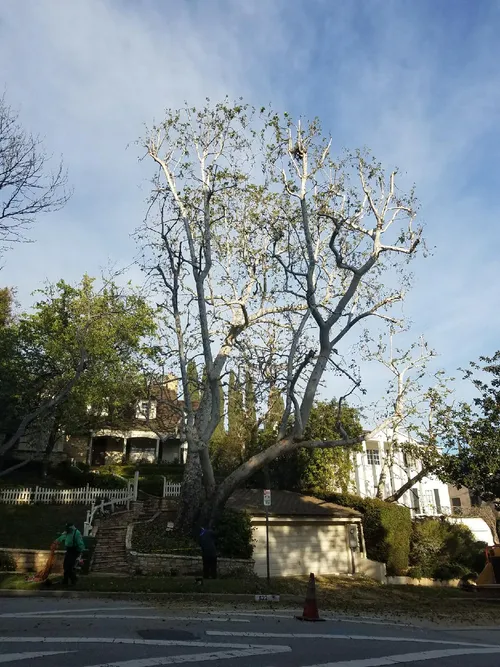
Tree Care Services is a family-owned business based in Sacramento, CA, specializing in tree care, landscaping, and lawn services. Serving both residential and commercial properties, they offer expert arborist services including tree trimming, pruning, fertilization, stump grinding, and safe tree removal. Established in 1990, the company provides 24/7 emergency response and follows industry standards to ensure safety and quality in all projects.
Hughes Landscape Inc.
5170 Golden Foothill Pkwy, El Dorado Hills, CA 95762
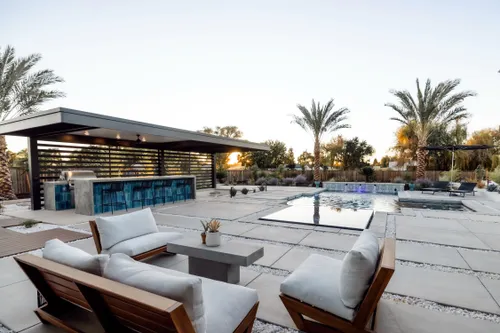
Hughes Landscape Inc. is a landscaping and outdoor construction company based in Sacramento, CA, serving El Dorado County and nearby areas. They offer a wide range of services including custom landscape design, hardscaping with patios and retaining walls, synthetic turf installation, outdoor lighting, fire pits, swimming pools, water features, and outdoor kitchens. The company is certified by ICPI for concrete paver installation and is a member of CLCA and NCMA. Hughes Landscape has been recognized with Best of Houzz awards in 2021 and 2023 and features custom 2D and 3D landscape designs tailored to client needs.
Black Diamond Paver Stones & Landscape, Inc.
1111 Howe Ave #535, Sacramento, CA 95825
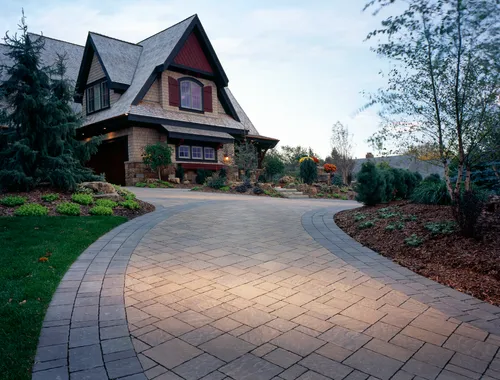
Black Diamond Paver Stones & Landscape, Inc. is a family-owned landscaping and hardscaping company serving Sacramento, CA. With over 20 years of experience, they provide a range of services including paver stone installation, artificial turf, landscape lighting, outdoor kitchens, and custom hardscape features such as retaining walls and pergolas. Their expertise includes durable driveway and patio designs using paver stones, which come with a 27-year installation warranty and a lifetime manufacturer warranty. The company emphasizes quality craftsmanship and comprehensive project design support throughout the installation process.
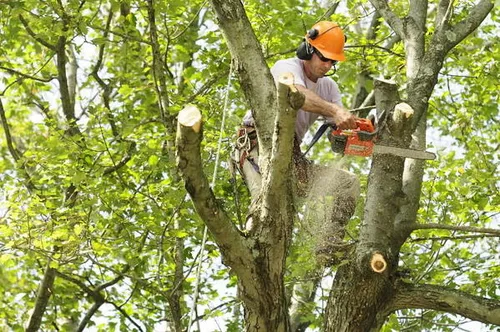
Tailored Tree Inc.
5170 Golden Foothill Pkwy, El Dorado Hills, CA 95762
Tailored Tree Inc. is a family-owned tree service company based in El Dorado Hills, serving Sacramento, CA, and surrounding counties. They offer a range of tree care services including trimming, removal, stump grinding, cabling, and bracing for both residential and commercial clients. The company has over 25 years of experience and has contributed to local landscape beautification through custom tree and garden designs for area wineries. Tailored Tree Inc. also provides emergency tree services to address urgent needs promptly.

Suncrest Landscape Inc.
Riley St, Folsom, CA 95630
Suncrest Landscape Inc. is a landscaping company based in Sacramento, CA, specializing in landscape design, outdoor lighting installation, yard drainage, and grading services. Founded in 2011 by Troy Turner, the company emphasizes personalized service by working on one project at a time to ensure clear communication and customer satisfaction. With 30 years of experience in diagnosing and solving drainage issues, Suncrest Landscape Inc. offers expertise in creating functional and attractive outdoor spaces.
Understanding Citrus Heights' Climate and Soil
Successful landscape design begins with a deep understanding of local environmental conditions. Citrus Heights experiences a classic Mediterranean climate characterized by hot, dry summers and mild, wet winters. This pattern makes water conservation a primary concern, guiding designers toward Xeriscaping principles and drought-tolerant plant palettes.
The soil is another critical factor. Many yards in the region have clay-heavy or compacted soils, which can hinder drainage and root growth. A foundational step in many garden design projects is amending the native soil with compost. This improves drainage, aeration, and fertility, creating a healthier environment for the drought-adapted and native plants that perform best here. Understanding these constraints allows a designer to plan for success from the ground up.
Common Yard Layouts and Design Styles
Residential properties in Citrus Heights often follow familiar suburban patterns, but modern needs are reshaping these spaces. Here are the most common layouts and styles influencing local outdoor design:
- Traditional Suburban: This style features a defined front yard, often with a lawn area and foundation shrubs, and a backyard dedicated to private living with a patio and possibly a smaller grass area for play. The focus is on neat, manicured greenery.
- Modern & Drought-Tolerant: Increasingly popular, this approach minimizes or eliminates water-intensive turf. Designs incorporate more hardscape, decomposed granite (DG) pathways, and richly planted borders filled with resilient, low-water shrubs and perennials. The aesthetic is clean, structured, and environmentally attuned.
- Curb Appeal Focus: For many homeowners, the front yard is the public face of the property. Designs here concentrate on attractive, low-maintenance plantings, welcoming pathways, and attractive groundcovers that require minimal irrigation while making a strong visual impact 1 2.
Find the perfect landscape design companies for your needs
Get personalized recommendations and expert advice
Key Elements of Outdoor Living Design
Today's landscape architecture is about creating usable outdoor rooms. Integrating these features into your overall site plan is essential for a cohesive and enjoyable space.
- Patios & Decks: The cornerstone of outdoor living. Material choices like pavers, stamped concrete, or wood/composite decking define the style and budget of your project, creating a stable surface for furniture and entertaining.
- Outdoor Kitchens & Grilling Stations: Moving cooking outdoors expands your home's functional space. These can range from simple built-in grill counters to full kitchens with cabinetry, sinks, and refrigeration.
- Fire Features: A fire pit (wood-burning or gas) or a fire table serves as a natural gathering spot, extending the usability of your patio into cooler evenings and adding ambiance.
- Pergolas & Arbors: These structures provide partial shade, define spaces, and offer support for climbing plants. They add architectural interest and can make an outdoor area feel more like a finished room.
- Low-Water Garden Elements: Beyond plant selection, design can incorporate rock gardens, dry creek beds for drainage and interest, and decorative gravel or DG in place of traditional mulch or lawn 3.
Realistic Project Scope and Investment
The cost of a landscape design project varies widely based on scope, materials, and complexity. Having realistic budget expectations is crucial when planning your outdoor renovation.
- Small-Scale Updates: Projects like refreshing mulch, adding a new planting bed with drip irrigation, or installing a few specimen trees typically range from $500 to $3,000.
- Medium-Sized Transformations: This tier includes extending an existing patio, creating a new garden area with mature plants, or installing a modest fire pit. Budgets often fall between $3,000 and $10,000.
- Comprehensive Renovations: A full backyard remodel involving new hardscape (like a large paver patio), an outdoor kitchen, a pergola, and extensive new planting is a significant investment, generally starting around $10,000 and can exceed $30,000+ 4 5.
The largest cost drivers are typically hardscape materials (pavers are more expensive than poured concrete), the square footage of areas being renovated, the size and maturity of plants selected, and the inclusion of built-in features like kitchens or water features.
A Plant Palette for Citrus Heights
Selecting the right plants is where a thoughtful garden plan comes to life. The following drought-tolerant species are excellent choices for our climate, offering beauty with minimal water once established:
- Trees: Crape Myrtle (for summer color), Olive (non-fruiting varieties for a silvery, sculptural look), and Palo Verde (with its green bark and yellow flowers).
- Shrubs: Manzanita (beloved for its sculptural red bark and evergreen leaves), Ceanothus (California Lilac, known for its stunning blue spring flowers), Rosemary, and Lavender (both aromatic and resilient).
- Groundcovers & Grasses: Creeping Thyme, various Sedums, and native grasses like California Fescue provide texture, cover soil, and suppress weeds with little water.
Planning for Specific Needs: Citrus Trees and Lawns
A unique consideration in our region is integrating fruit trees, particularly citrus, into the landscape. It's important to note that citrus trees have different water and soil needs than a traditional lawn 6. Their roots compete with turfgrass, and they prefer well-draining, sandy loam soil. If planting in clay soil, special attention to irrigation and potentially amending the planting hole is required 6. A good landscape designer can help you site citrus trees appropriately, perhaps in a dedicated bed with drip irrigation, separate from lawn areas.
Frequently asked questions
Sources
Footnotes
-
A California Garden - https://humanecology.ucdavis.edu/sites/g/files/dgvnsk161/files/inline-files/KWaje.pdf ↩
-
CITY OF ARCADIA - https://cms9files.revize.com/arcadia/Shape%20Arcadia/Development%20Services/Code%20Services/Residential%20Landscaping%20Guide%207-2021.pdf ↩
-
Eichler Gardens: Drought-Tolerant Landscaping Ideas for Stylish Mid-Century Homes - Eichler Homes For Sale | Your Eichler Home Experts - https://www.eichlerhomesforsale.com/blog/drought-resistant-landscaping-for-eichler-homes-a-modern-mid-century-guide ↩
-
Development Regulations | Citrus Heights, CA - Official Website - https://www.citrusheights.net/244/Development-Regulations ↩
-
Citrus Heights General Plan - https://www.hcd.ca.gov/housing-elements/docs/citrus-heights-6th-adopted052821.pdf ↩
-
Is your citrus planted in your lawn? Here are a few key points re: citrus and lawns you should consider: 🍊 Citrus trees have a different watering need vs lawn (ie less water than lawns) 🍊 Citrus tree roots typically grow 2 ft deep, with their feeder roots actually in the top 6-12 inches ( means grass and citrus roots compete) 🍊 Citrus prefers sandy loam soil for good drainage (not enough drainage means not enough air to roots) 🍊 Citrus CAN grow in clay soil, IF using proper irrigation To rehabilitate and relocate this tree, I'm digging it out and then planting it into a 20g pot with premium citrus/palm soil to give it a 2nd chance at life! Be sure to follow to see it in part II. If you're new around here, welcome! I'm a garden designer & educator specializing in edible gardens and cut flowers here in Southern CA, zone 10b. If you could use our help in your garden, check out our website: www.coastalhomestead.com - https://www.instagram.com/reel/C3pyvBHL_JL/ ↩ ↩2