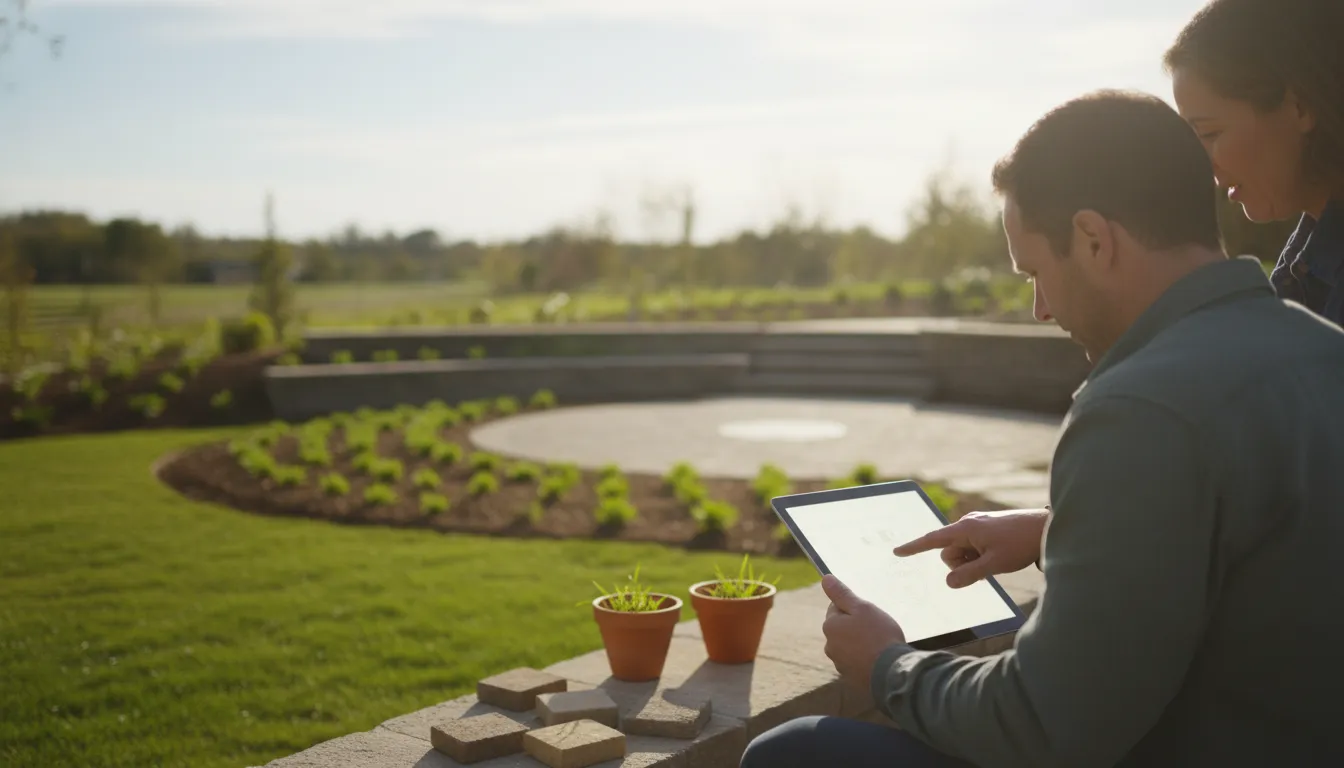
Find the Best Landscape Design Companies for Your Business
No obligation • Fast responses • Nationwide coverage

Why you can trust Landscape Atlas
Landscape Atlas is a leading United States resource for evaluating landscaping, lawn care, and outdoor service providers. Our team researches each category in depth, focusing on service quality, safety, and customer experience. Listings and rankings are based on independent criteria and user feedback, and companies cannot pay to influence our assessments or recommendations.
Search providers near you
Top Landscape Design Companies in Garden Grove, California Ranked
Creating a beautiful and functional outdoor space in Garden Grove is about more than just planting flowers. It's a thoughtful process of harmonizing your lifestyle with the local environment, using smart planning to build a yard that conserves water, thrives in our climate, and enhances your daily life. This guide will help you understand the key considerations for landscape architecture and garden planning in our area, from navigating local regulations to selecting the right plants and features, so you can confidently connect with professionals who can bring your vision to life.
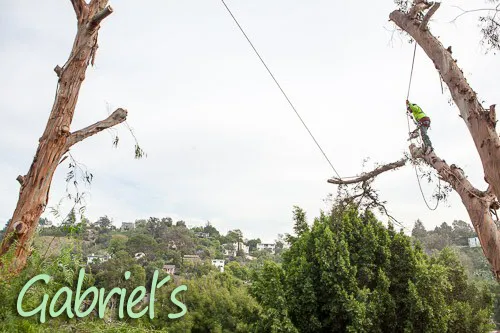
Gabriel´s Tree Service And Landscaping
11528 Felton Ave, Los Angeles, CA 90045
Gabriel's Tree Service And Landscaping is a full-service tree and landscaping company based in Los Angeles, CA. They offer a wide range of services including tree trimming, removal, stump grinding, emergency tree care available 24/7, landscape design, sprinkler installation and repair, land clearing, demolition, and hardscaping. Their certified arborists use professional equipment to safely manage tree emergencies and routine maintenance for residential and commercial properties. With over 20 years of experience, Gabriel's Tree Service And Landscaping also provides demolition services tailored to site preparation and renovation needs.
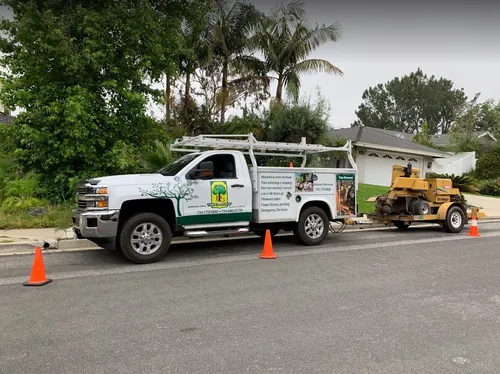
Environmental Green Tree Care/ Killelea Landscape
333 W Broadway #1206, Anaheim, CA 92815
Environmental Green Tree Care/ Killelea Landscape is a landscaping and tree service company serving Los Angeles, CA. Since 1976, they have provided residential and commercial landscaping design, tree removal, stump grinding, and maintenance services. Their team is experienced in creating customized landscape solutions and managing tree care projects with professional insight and practical approaches.
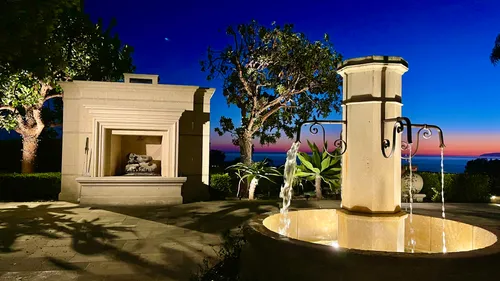
Illuminated Concepts Inc.
23011 Moulton Pkwy # B5, Laguna Hills, CA 92653
Illuminated Concepts Inc. is a landscape lighting and design company serving Los Angeles, CA. They specialize in creative outdoor lighting design and professional installation, offering services such as permanent holiday lighting, outdoor audio, and LED repair. Their expertise includes low-voltage LED landscape lighting, string lighting, and architectural lighting to enhance home safety and aesthetics. The company provides full warranties on select fixtures and bulbs, ensuring durable and energy-efficient solutions. Illuminated Concepts Inc. supports clients through every step of the lighting design process, including maintenance and repairs.
Tom's Tree Service
Anaheim, CA
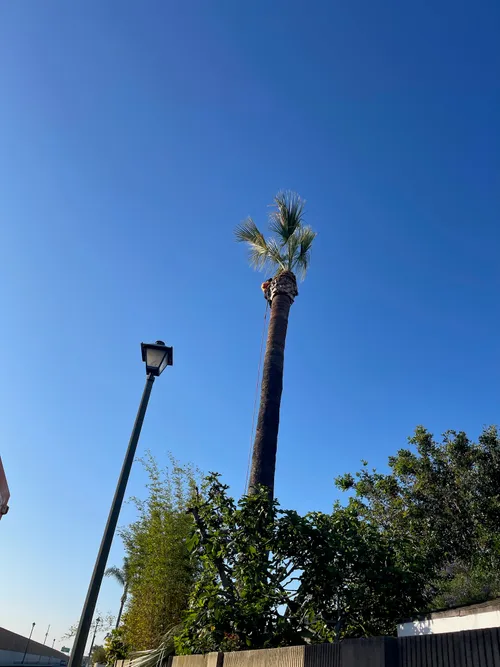
Tom's Tree Service is a landscape and tree care company based in Anaheim, CA, serving Orange County for over 45 years. They offer a range of services including tree trimming, removal, stump grinding, brush clearing, and land clearing to maintain healthy and safe yards and commercial properties. Their expertise includes pruning to promote tree health, emergency tree removal, and fire risk reduction through brush clearing. The company also provides structural support systems to prevent limb failure and enhance storm resistance.
Greenplace Inc
2151 Pacific Ave A205, Costa Mesa, CA 92627
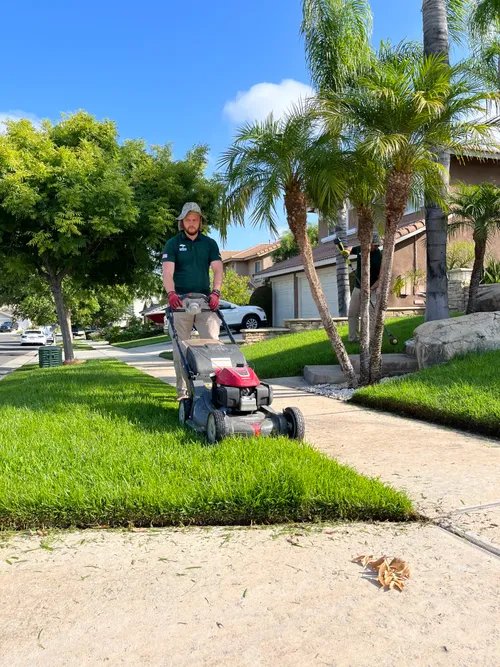
Greenplace Inc is a landscaping company based in Santa Ana, CA, offering a wide range of services including landscape design, hardscaping, lawn care, irrigation installation and repair, artificial turf, and yard drainage solutions. They serve both residential and commercial clients throughout Southern California, including Orange County and Los Angeles. Greenplace specializes in creating custom outdoor environments that combine aesthetic appeal with practical features such as smart irrigation systems to optimize water use. Founded by Volodymyr Dragan and Viktor Peshekhonov, the company emphasizes craftsmanship and long-term vision in their work. Their licensed team is known for detailed project management and responsiveness to client needs.
Understanding Garden Grove's Unique Environment
Successful outdoor design here starts with a deep respect for local conditions. Garden Grove enjoys a classic Mediterranean climate, classified as USDA Zone 9b/10a, characterized by hot, dry summers and mild, wetter winters. This pattern makes water conservation a primary concern, not just for your utility bill but also in compliance with city mandates for water-efficient landscapes.
The soil is another critical factor. Many properties in the area have heavy clay or clay-loam soil, which can hold water but often drains poorly and becomes compacted. Amending this soil with compost is a foundational step in any garden design project, as it improves drainage, structure, and water retention-all vital for plant health.
Principles of Water-Wise Garden Planning
Given the climate, designing a drought-resistant landscape is both an ecological and practical necessity. This approach, often called xeriscaping, focuses on reducing or eliminating the need for supplemental irrigation.
- Hydrozoning: This is the practice of grouping plants with similar water, sun, and soil needs together. By creating distinct watering zones, you avoid overwatering some plants while underwatering others, making your irrigation system vastly more efficient.
- Plant Selection: The cornerstone of a sustainable yard is choosing plants adapted to our region. California natives like California lilac (Ceanothus), California poppy (Eschscholzia californica), and various sage (Salvia) species are excellent choices. They are naturally drought-tolerant, support local pollinators, and require minimal maintenance once established 1.
- Smart Irrigation: Upgrading to a drip irrigation system or soaker hoses delivers water directly to the root zone, minimizing evaporation and runoff. Pairing this with a smart controller that adjusts watering based on weather conditions is a highly effective upgrade.
Designing for Your Space and Lifestyle
Your yard's layout should reflect how you live. Whether you have a compact space or a larger lot, intentional planning maximizes both beauty and function.
Front Yard Curb Appeal: For many, the front yard is about creating a welcoming first impression. A water-wise design can be stunning, using textures and colors from succulents, ornamental grasses, and native flowering plants like lavender. Simple, permeable pathways and efficient LED lighting can enhance accessibility and safety.
Backyard Living Areas: This is your personal retreat. Common design elements include:
- Patios & Decks: Defined areas for dining and lounging, using materials like pavers, flagstone, or composite decking.
- Functional Zones: Consider dedicating spaces for different activities-a pet-friendly turf area, a play zone for children, or even a productive edible garden with raised beds.
- Shade Solutions: Incorporate pergolas, shade sails, or strategically placed trees like a native Coast Live Oak to provide relief from the summer sun.
Small Yard Solutions: Limited space requires creative thinking. Vertical gardening with trellises or wall planters, multi-functional furniture with built-in storage, and clean, compact hardscaping can make a small area feel expansive and highly usable.
Popular Outdoor Living Features
Integrating built elements transforms a garden into an extension of your home. These features add significant value and enjoyment.
- Outdoor Kitchens & BBQ Islands: Moving culinary activities outdoors is perfect for entertaining. Designs can range from a simple built-in grill station to full kitchens with sinks, refrigeration, and bar seating.
- Fire Features: A fire pit (gas or wood-burning) or an outdoor fireplace creates a natural gathering spot, extending the usability of your yard into cooler evenings.
- Lighting: Well-planned landscape lighting highlights architectural plants and trees, illuminates pathways, and creates ambiance. Low-voltage LED systems are energy-efficient and long-lasting.
Find the perfect landscape design companies for your needs
Get personalized recommendations and expert advice
Budgeting for Your Landscape Architecture Project
Costs for garden design and installation in Garden Grove can vary widely based on the scope, materials, and complexity. Here's a general guide to help you plan 2 3:
- Foundational Updates ($2,000 - $10,000): This range often covers a significant refresh. It can include amending soil throughout the property, installing a new drip irrigation system with a smart controller, replacing a lawn with drought-tolerant plants and mulch, or adding a simple new patio area with basic hardscaping.
- Comprehensive Transformation ($10,000+): A full landscape renovation falls into this category. It typically involves complex hardscaping (large patios, retaining walls, walkways), constructing an outdoor kitchen or living area, installing integrated lighting and audio systems, and planting mature trees and specimen plants.
Key Steps in the Design Process
- Review Local Guidelines: Before you sketch anything, consult the City of Garden Grove's Landscape Ordinance. It outlines requirements for water efficiency, plant coverage, and other design parameters to ensure your project is compliant from the start.
- Conduct a Soil Test: Understanding your soil's specific composition is the best way to determine the right amendments. This step ensures your investment in plants has a healthy foundation.
- Define Your Vision: How do you want to use the space? Make a list of priorities-entertaining large groups, quiet relaxation, gardening, play space for kids or pets. This functional brief is the most important tool for a designer 4.
- Plan for the Long Term: Consider maintenance. A low-water, native plant garden will require less care over time than a thirsty, high-maintenance lawn. Discuss ongoing care requirements with your design professional.
Frequently asked questions
Sources
Footnotes
-
6 Drought-Resistant Landscaping Ideas for Sacramento - https://lawnlove.com/blog/drought-resistant-landscaping-sacramento/ ↩
-
City of Garden Grove, CA Landscaping - eCode360 - https://ecode360.com/42533043 ↩
-
GUIDELINES - City of Garden Grove - https://ggcity.org/sites/default/files/www/citymanager/title9-appendix.pdf ↩
-
How to Choose the Best Yard Size for Your Family - Brookfield Residential - https://www.brookfieldresidential.com/news-and-blog/choose-the-best-yard-size ↩