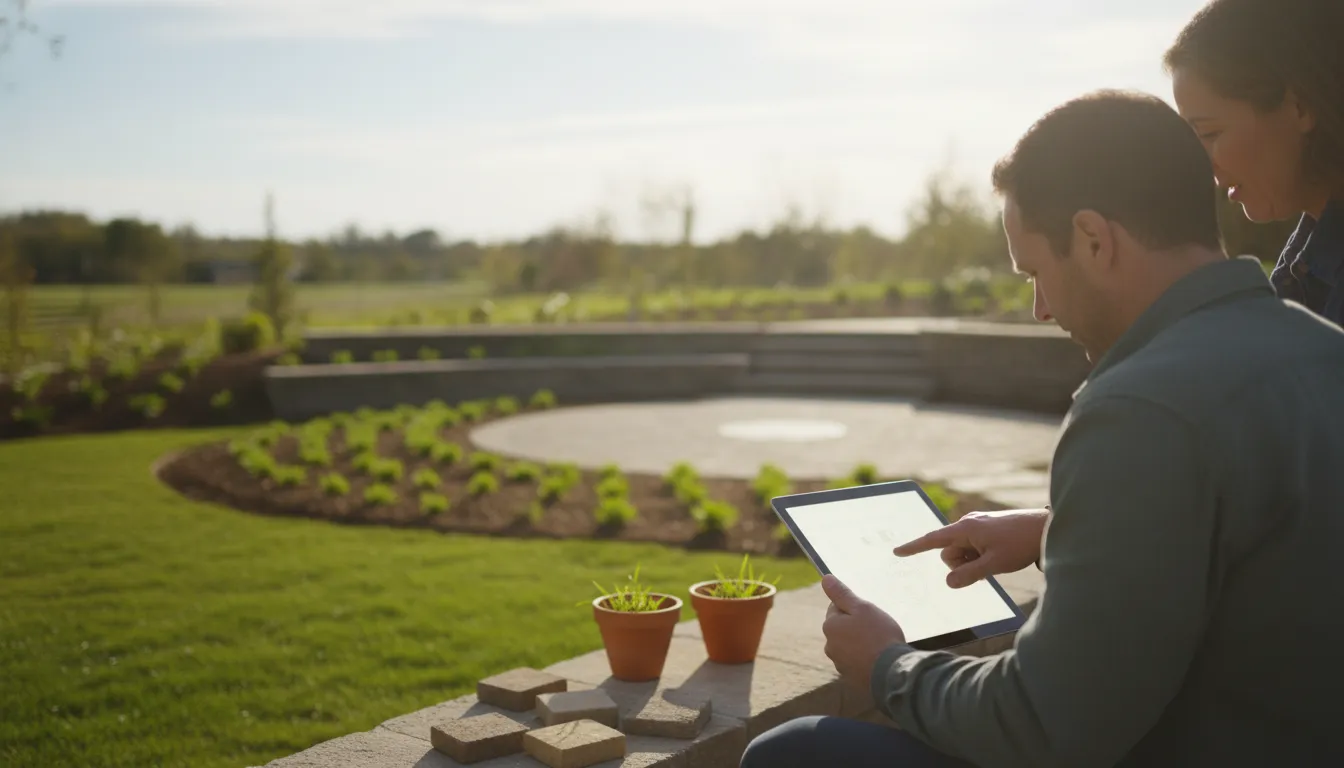
Find the Best Landscape Design Companies for Your Business
No obligation • Fast responses • Nationwide coverage

Why you can trust Landscape Atlas
Landscape Atlas is a leading United States resource for evaluating landscaping, lawn care, and outdoor service providers. Our team researches each category in depth, focusing on service quality, safety, and customer experience. Listings and rankings are based on independent criteria and user feedback, and companies cannot pay to influence our assessments or recommendations.
Search providers near you
Top Landscape Design Companies in Petaluma, California Ranked
Creating a beautiful and functional outdoor space in Petaluma requires a thoughtful approach that respects the local environment. Landscape design is the art of planning and arranging outdoor areas to be both aesthetically pleasing and sustainable, blending elements like plants, hardscape, and water features. In a city with a distinct climate and water conservation mandates, a well-conceived design is crucial for building a resilient, low-maintenance, and enjoyable yard. This guide will help you understand the key considerations for your project and how to connect with local professionals who specialize in crafting spaces suited to Petaluma's unique conditions.

Evermont Landscape
1912 Barrett Ave #3, Richmond, CA 94801
Evermont Landscape is a landscaping company based in Oakland, CA, offering a wide range of services including sod installation, artificial turf, fence installation, tree removal, stump grinding, land clearing, hardscaping with pavers and retaining walls, and landscape design. With 30 years of experience, they provide comprehensive outdoor solutions from design to maintenance, serving the East Bay and Contra Costa County areas. Their capabilities include detailed tree services such as palm tree trimming and pruning, as well as complete landscape makeovers tailored to client preferences. Evermont Landscape also offers financing options to support various project needs.

Santos Hauling and Cleaning
San Jose, CA
Santos Hauling and Cleaning is a landscaping and hauling company based in San Jose, CA. They provide a wide range of services including landscape design, sod installation, artificial turf, hardscaping with pavers and retaining walls, as well as junk removal for residential and commercial properties. Serving the San Francisco Bay Area, they are familiar with the local environment and offer solutions tailored to both urban and suburban settings. Santos Hauling and Cleaning is fully licensed and insured, ensuring professional handling of projects and property protection.
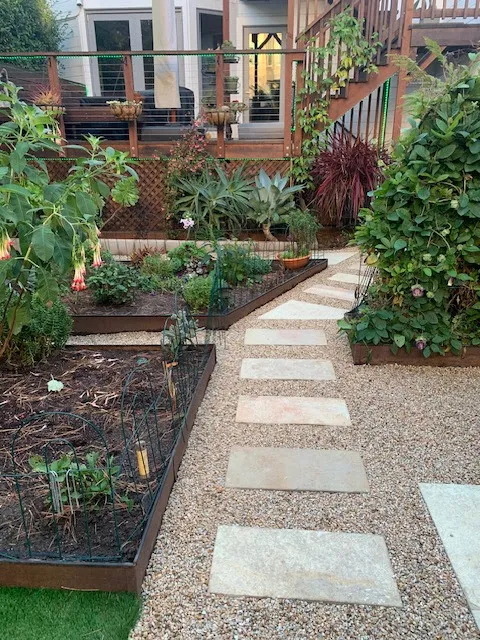
Giant Landscaping, INC: 15+ years in business
San Francisco, CA
Giant Landscaping, INC has been creating and maintaining outdoor spaces in San Francisco, CA since 2005. They offer a full range of landscaping services including custom landscape design, hardscaping, turf installation, and regular maintenance. Their team specializes in both softscape and hardscape projects, such as outdoor kitchens and fire pits, and uses synthetic turf from a leading U.S. manufacturer. With over 15 years of experience, they focus on delivering detailed design plans and ongoing care to keep landscapes looking their best throughout the year.
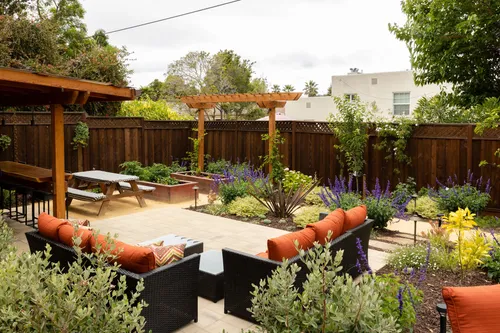
Art. Garden. Design.
San Francisco, CA
Art. Garden. Design. is a landscape design company based in San Francisco, CA. They offer a seamless design and construction process, managing projects from concept to completion. Their work focuses on native plants and creating outdoor spaces that reflect lasting beauty. The company serves multiple areas including Alameda County, Contra Costa, San Francisco, North Bay, Sonoma, and Napa County.
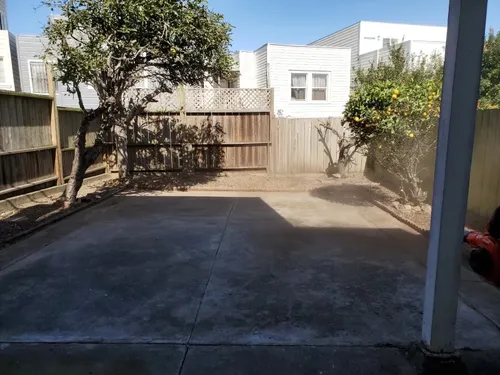
Hernandez Yard Services
San Francisco, CA
Hernandez Yard Services is a landscaping and hardscaping company based in San Francisco, CA. They offer landscape design, mulching, and the construction of patios, walkways, and retaining walls. Their retaining walls help prevent soil erosion and can provide additional seating. The company also specializes in front yard landscaping, transforming home exteriors with contemporary designs. Their process includes a thorough yard assessment followed by a tailored plan that fits client preferences and budgets, with ongoing communication throughout the project. Hernandez Yard Services extends its landscaping services to nearby areas including Colma, Broadmoor, Belmont, Benicia, Hercules, El Sobrante, and Hillsborough.
Understanding Petaluma's Landscape Design Environment
Successful outdoor design here begins with a deep understanding of local conditions. Petaluma's Mediterranean climate, classified as USDA Zone 9b/10a, features hot, dry summers and mild, wet winters, creating a pattern of seasonal drought. This climate directly dictates plant selection and irrigation strategies. Furthermore, the soil in the Sonoma Valley is often clay-heavy, which can challenge drainage and root growth if not properly managed. Most importantly, the City of Petaluma adheres to the state's Model Water Efficient Landscape Ordinance (MWELO), which sets strict standards for water conservation in new and renovated landscapes. This means your garden planning must prioritize drought-tolerant native plants, efficient irrigation systems, and often, rainwater capture features.
Core Principles for Sustainable Design
Adhering to a few key principles will ensure your landscape is both beautiful and responsible.
- Water-Wise Planning: This is the cornerstone. Design must focus on reducing water use through hydrozoning (grouping plants with similar water needs), incorporating efficient drip irrigation, and reducing impervious surfaces to allow rainwater to soak into the ground.
- Right Plant, Right Place: Selecting plants adapted to Petaluma's climate is non-negotiable. California native and Mediterranean-adapted plants thrive with minimal supplemental water once established.
- Soil Health: Amending clay soil with compost or other organic matter improves drainage and provides a better foundation for plants. For some areas, choosing plants naturally tolerant of clay is a smart strategy.
- Creating Functional Zones: Thoughtful landscape architecture divides your yard into purposeful areas-such as an entertainment patio, a quiet garden nook, a food-growing zone, or a native habitat area-making the space more usable and enjoyable.
Popular Design Styles and Features for Petaluma Homes
Local design often blends water-wise practicality with the desire for comfortable outdoor living. The goal is to create an extension of your home that feels natural to the Northern California environment.
For Front Yards: The focus is often on creating water-wise curb appeal. This might involve replacing thirsty lawns with attractive alternatives like native grasses, succulents, and flowering drought-tolerant shrubs. Defined pathways using materials like decomposed granite (DG) and strategic lighting can enhance the approach to your home.
For Backyards: This is where multi-zone design shines. A typical plan may include a sunny patio for dining, a shaded seating area under a mature tree, a raised bed vegetable garden, and a habitat zone for local birds and pollinators. The integration of outdoor living features is key.
Common Design Features Include:
- Patios & Walkways: Using permeable pavers or flagstone to allow water infiltration, in compliance with water-efficient standards 1.
- Fire Pits & Outdoor Fireplaces: Creating a cozy gathering spot for Petaluma's cool evenings.
- Rainwater Harvesting: Installing barrels or cisterns to capture winter rains for summer irrigation.
- Native Plant Gardens: Dedicated areas showcasing the beauty and ecological benefits of local flora.
- Drought-Tolerant Lawns: If a lawn is desired, opting for low-water turf alternatives or limiting its size.
Plant Palette for a Petaluma Garden
Choosing the right plants is where your design comes to life. A palette focused on natives and adapted species ensures resilience and lower maintenance.
- Trees (for larger spaces): Valley Oak, Madrone, and Coast Live Oak are majestic native choices that provide structure and habitat.
- Shrubs: Toyon (California Holly), Ceanothus (California Lilac), Manzanita, and various Salvia species offer year-round interest, flowers for pollinators, and fantastic drought tolerance.
- Perennials & Groundcovers: Lavender, Yerba Buena, native grasses like California Fescue, and Sedums provide texture, color, and soil coverage.
Find the perfect landscape design companies for your needs
Get personalized recommendations and expert advice
The Design and Installation Process
Working with a professional typically follows a structured path from concept to completion.
- Site Analysis: The designer assesses your property's sun/shade patterns, soil type, slope, drainage, and existing elements.
- Conceptual & Master Planning: You'll collaborate on a design that creates the zones and features you want, resulting in a master plan that serves as the project blueprint.
- Plant Selection & Detailing: Specific plants are chosen for each area, and materials for hardscape are finalized.
- Water Management Planning: An efficient irrigation plan is drafted, and rainwater capture solutions are integrated.
- Permitting: Your designer or contractor will check with the City of Petaluma to determine if any permits are required, especially for significant hardscaping or water feature installation 2.
- Installation: The plan is executed by a qualified installation crew.
Understanding Investment Ranges
The cost of landscape design and installation in Petaluma varies widely based on project scope and complexity. Here is a general framework based on local project scales:
- Consultation & Design Fees: Typically range from $500 to $2,000+ for a detailed master plan.
- Small Projects: Such as a new planting bed, a small patio, or a garden makeover, often start around $5,000 and can go up to $15,000.
- Medium Projects: Like a full front yard redesign or a backyard with a patio and basic planting, commonly range from $15,000 to $30,000+.
- Large Projects: Involving full property remodels, outdoor kitchens, complex retaining walls, and extensive hardscaping can range from $30,000 to $75,000 or more 3.
Frequently asked questions
Sources
Footnotes
-
Model Water Efficient Landscape Ordinance (MWELO) - https://water.ca.gov/-/media/DWR-Website/Web-Pages/Programs/Water-Use-And-Efficiency/MWELO-Rulemaking/Final-MWELO-Text-and-Appendices_20250103.pdf ↩
-
Chapter 18.55 WATER EFFICIENT LANDSCAPING - https://www.codepublishing.com/CA/Norco/html/Norco18/Norco1855.html ↩
-
7.120 Objective Design Standards for Qualifying Residential ... - https://petaluma.municipal.codes/ZoningOrds/7.120 ↩