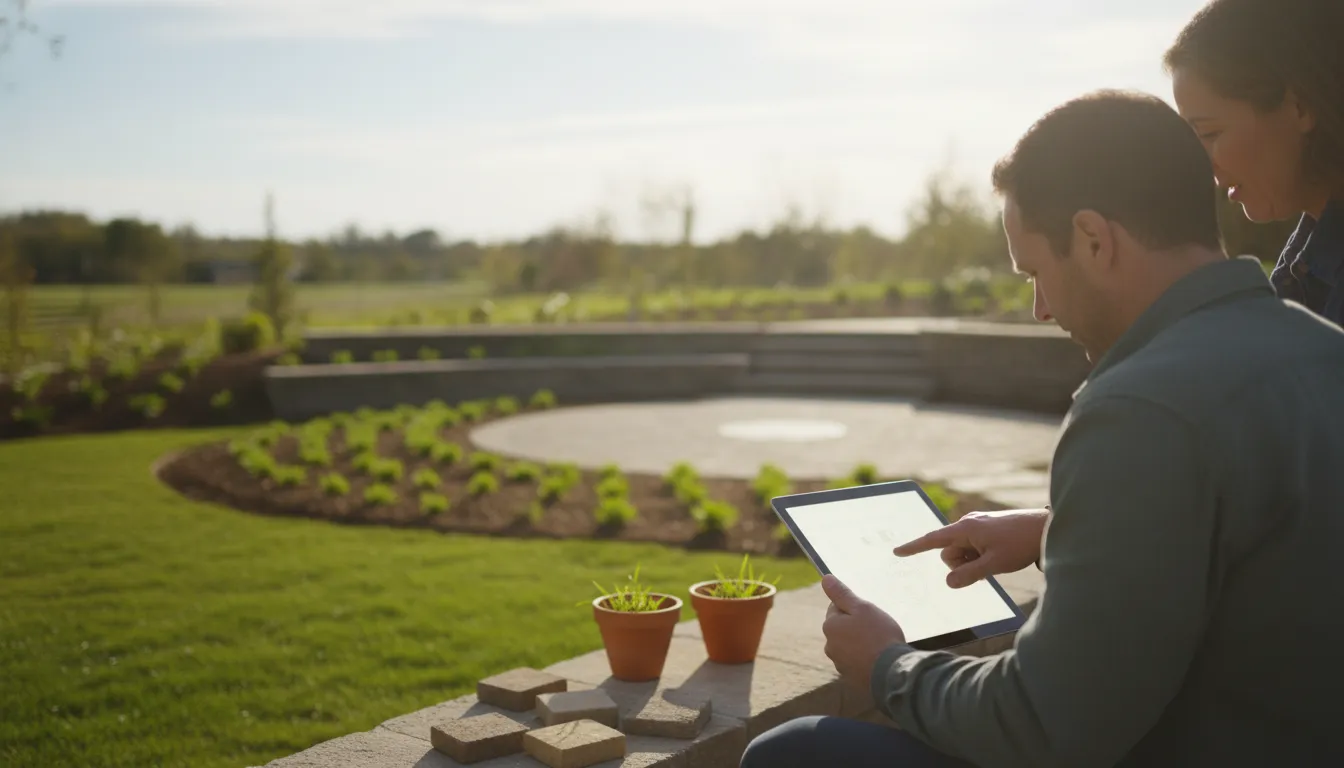
Find the Best Landscape Design Companies for Your Business
No obligation • Fast responses • Nationwide coverage

Why you can trust Landscape Atlas
Landscape Atlas is a leading United States resource for evaluating landscaping, lawn care, and outdoor service providers. Our team researches each category in depth, focusing on service quality, safety, and customer experience. Listings and rankings are based on independent criteria and user feedback, and companies cannot pay to influence our assessments or recommendations.
Search providers near you
Top Landscape Design Companies in Pico Rivera, California Ranked
Creating a beautiful and functional outdoor space in Pico Rivera is more than just planting a few shrubs. It's a thoughtful process of planning and crafting your yard to suit your lifestyle while respecting the local environment. Professional landscape design transforms your property by harmonizing plants, hardscape, and structures into a cohesive, usable, and sustainable extension of your home. For homeowners here, this means developing a plan that thrives in our unique climate, adheres to local water regulations, and maximizes your property's potential for relaxation and entertainment. This guide will help you understand the key considerations for your project and how to connect with skilled local professionals who can bring your vision to life.
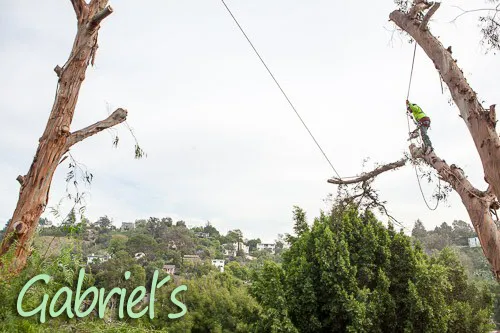
Gabriel´s Tree Service And Landscaping
11528 Felton Ave, Los Angeles, CA 90045
Gabriel's Tree Service And Landscaping is a full-service tree and landscaping company based in Los Angeles, CA. They offer a wide range of services including tree trimming, removal, stump grinding, emergency tree care available 24/7, landscape design, sprinkler installation and repair, land clearing, demolition, and hardscaping. Their certified arborists use professional equipment to safely manage tree emergencies and routine maintenance for residential and commercial properties. With over 20 years of experience, Gabriel's Tree Service And Landscaping also provides demolition services tailored to site preparation and renovation needs.
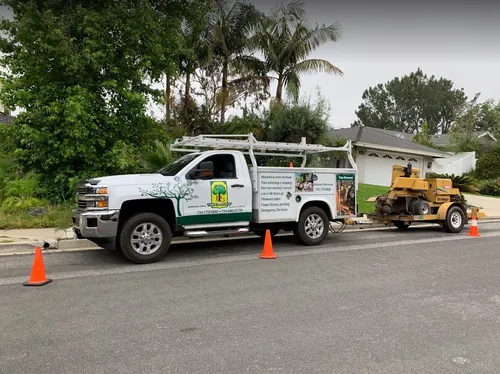
Environmental Green Tree Care/ Killelea Landscape
333 W Broadway #1206, Anaheim, CA 92815
Environmental Green Tree Care/ Killelea Landscape is a landscaping and tree service company serving Los Angeles, CA. Since 1976, they have provided residential and commercial landscaping design, tree removal, stump grinding, and maintenance services. Their team is experienced in creating customized landscape solutions and managing tree care projects with professional insight and practical approaches.
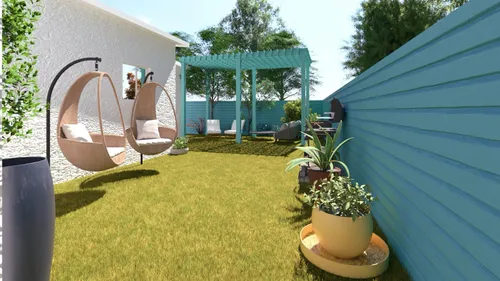
Green Advisor Inc.
7660 Beverly Blvd, Los Angeles, CA 90036
Green Advisor Inc. is a landscaping and remodeling company based in Los Angeles, CA. They provide comprehensive landscape design and construction services, including hardscaping, irrigation system installation, and custom outdoor renovations. Their expertise extends to pool construction, patio and deck building, and eco-friendly home remodeling projects. The company is recognized for its award-winning landscape designs and sustainable outdoor solutions. Green Advisor Inc. also offers 3D design services to help clients visualize their projects. They serve the Greater Los Angeles area, including the San Fernando Valley, and collaborate with trusted suppliers to ensure quality materials and craftsmanship.
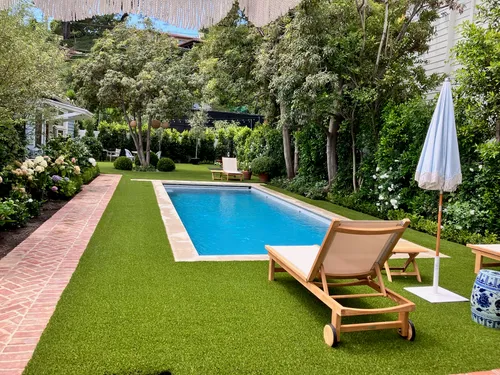
Cocoturf
4935 McConnell Ave Unit 5, Los Angeles, CA 90066
Cocoturf is a locally owned company based in Los Angeles, CA, specializing in artificial turf installation and landscape design for residential and commercial properties. With over 30 years of experience, they provide premium artificial turf systems that mimic natural grass, featuring advanced cooling technology and non-toxic materials. Cocoturf offers custom landscape designs and precise installations, focusing on durable and safe turf solutions made in the USA.
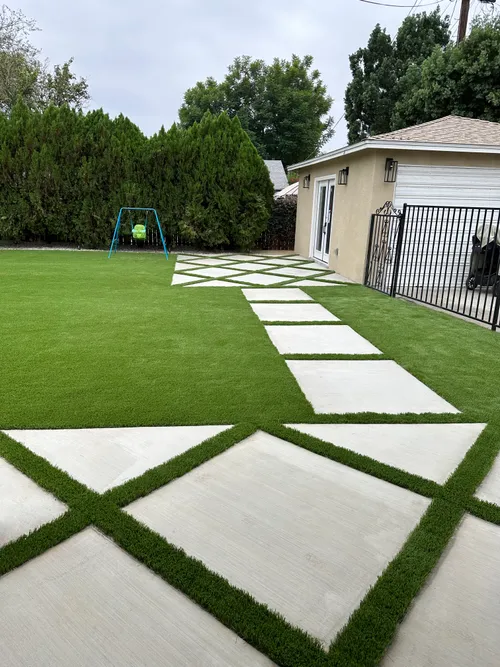
RainforestLA, Inc.
442 Alandele Ave, Los Angeles, CA 90036
RainforestLA, Inc. is a Los Angeles-based landscape company with over 20 years of experience. They offer landscape design, hardscaping, and outdoor lighting installation services throughout Los Angeles, Inglewood, and Santa Monica, CA. Their capabilities include creating detailed 3D landscape designs and installing LED low-voltage lighting to enhance outdoor spaces after dark. The company focuses on combining functionality with aesthetic appeal to create inviting outdoor living areas.
Understanding Pico Rivera's Landscape Design Environment
Successful outdoor living design in Pico Rivera begins with a deep understanding of the local conditions. The city experiences a hot-summer Mediterranean climate (Köppen Csa), characterized by mild, rainy winters and long, hot, dry summers 1. This climate directly shapes every aspect of a garden plan, from plant selection to irrigation strategies. Furthermore, the soil in the Los Angeles basin, including Pico Rivera, is often loamy or clay-based, which can impact drainage and plant health, sometimes requiring aeration and organic amendments 1.
Most significantly, ongoing water restrictions and conservation efforts have made drought-tolerant landscaping a standard, not a trend. The city actively promotes the conversion of traditional turf lawns to water-wise landscapes, as seen in initiatives like the Roadway Median Landscape Restoration Master Plan, which focuses on drought-resistant plantings. A well-conceived landscape architecture plan here isn't just about aesthetics; it's a practical response to environmental and regulatory realities, ensuring your yard remains vibrant and manageable for years to come.
Popular Design Styles and Layouts for Pico Rivera Homes
Given the climate, certain yard design approaches have become particularly popular and practical for Pico Rivera residences.
California-Friendly and Xeriscape Front Yards: To combat water usage, many homeowners opt for xeriscaped front yards. This style utilizes drought-tolerant plants, decomposed granite (DG) pathways, decorative boulders, and succulents to create an attractive, low-water curb appeal. This approach not only conserves water but also significantly reduces maintenance compared to a traditional lawn.
Functional Backyard Zoning: Backyards are typically designed as multi-functional spaces divided into distinct zones for entertainment, dining, play, or quiet retreats. Effective site planning involves strategically placing these areas to create a natural flow from the home into the garden.
Hardscaping for Entertainment: Integrating non-living elements is key. Patios, pergolas, and outdoor kitchen areas are common focal points. It's important to note that local codes, such as Pico Rivera's Specific Plan, often require structures like patios to maintain a setback (e.g., 5 feet from the rear property line) and side yard access to be at least 4 feet wide. These regulations are crucial considerations during the initial planning phase of your outdoor space design.
Find the perfect landscape design companies for your needs
Get personalized recommendations and expert advice
Key Outdoor Living Features to Consider
Incorporating specific features can elevate your property's design from simple to spectacular. Here are elements commonly integrated into Pico Rivera landscape plans:
- Hardscaping Materials: Durable, low-maintenance materials like concrete pavers, stamped concrete, and decomposed granite are favored for patios, walkways, and seating areas. They provide clean lines and withstand the intense sun.
- Shade Structures: To manage the high summer sun, pergolas, lath structures, or covered patios are essential. They define outdoor rooms and make the space usable throughout the day.
- Fire and Water Features: Small, efficient gas fire pits create a cozy gathering spot, while low-flow, recirculating water features like fountains or bubbler rocks add a soothing auditory element without significant water waste 2.
- Planting Schemes: The trend is strongly toward native plants, succulent gardens, and drought-tolerant shrubs like lavender, sage, and California lilac. These plants provide texture, color, and habitat for local pollinators while being perfectly adapted to the local conditions 3.
Navigating Project Scope and Investment
The scope of a garden design project can vary widely, influencing the overall investment. While every project is unique, understanding general ranges can help in planning.
- Foundation Projects ($5,000 - $15,000): This range often covers essential transformations like removing existing turf, installing efficient drip irrigation zones, adding mulch or DG ground cover, and planting a selection of drought-tolerant shrubs and perennials. It's a great start for a water-wise conversion.
- Comprehensive Enhancements ($15,000 - $40,000): At this level, projects typically include more intricate hardscaping like a new paver patio, built-in seating or planters, a broader palette of mature plants and trees, and integrated low-voltage landscape lighting to extend the usability of the space into the evening.
- Complete Outdoor Living Overhauls ($40,000+): These projects involve a full property master plan and execution. They may include extensive hardscaping (outdoor kitchens, retaining walls, pergolas), sophisticated lighting and irrigation systems, high-end materials, custom water features, and the installation of larger, specimen trees and plants for immediate impact 4 5.
The Professional Design Process
Engaging a professional for your property landscaping typically follows a structured process. It begins with a consultation to discuss your needs, style preferences, and budget. The designer will then assess your site, noting sun exposure, soil conditions, slopes, and existing features. This leads to the creation of a conceptual master plan-often a set of drawings that outline the layout, plant types, and structural elements. This plan serves as the essential blueprint, ensuring all elements work together cohesively before any installation begins, ultimately saving time, avoiding costly mistakes, and realizing a unified vision for your outdoor environment.
Frequently asked questions
Sources
Footnotes
-
ENH1112/EP375: Landscape Design: Ten Important Things to Consider - https://edis.ifas.ufl.edu/publication/EP375 ↩ ↩2
-
City of Pico Rivera, CA SPECIFIC PLAN 301 - eCode360 - https://ecode360.com/44048293 ↩
-
Citywide Roadway Median Landscape Restoration Master Plan - https://www.pico-rivera.org/wp-content/uploads/2022/10/Enc-1-Final-Report.pdf ↩
-
landscape design definition - https://www.toddhaimanlandscapedesign.com/blog/what-is-landscape-design ↩
-
OUTDOOR PATIO AREA DESIGN IDEAS | HOW TO DECORATE ... - https://www.youtube.com/watch?v=_C4mQBOXQQc ↩