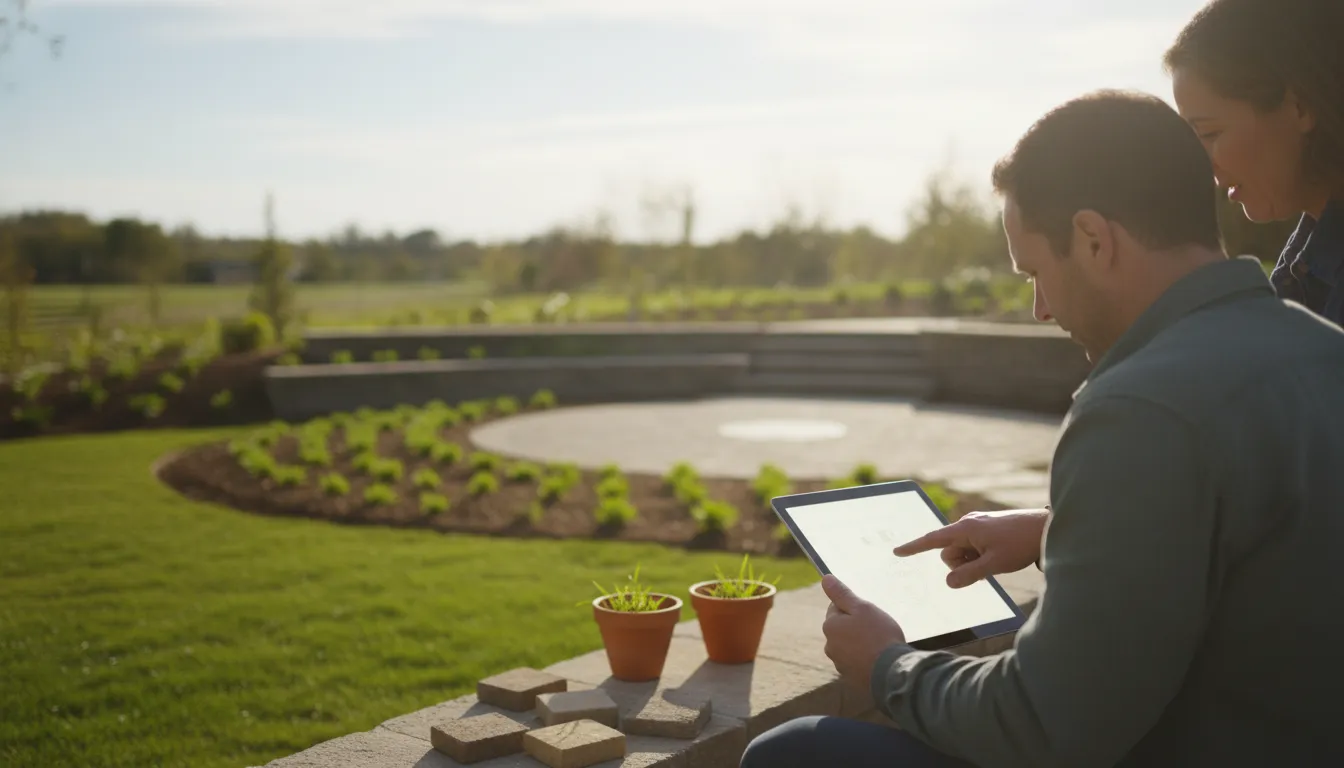
Find the Best Landscape Design Companies for Your Business
No obligation • Fast responses • Nationwide coverage

Why you can trust Landscape Atlas
Landscape Atlas is a leading United States resource for evaluating landscaping, lawn care, and outdoor service providers. Our team researches each category in depth, focusing on service quality, safety, and customer experience. Listings and rankings are based on independent criteria and user feedback, and companies cannot pay to influence our assessments or recommendations.
Search providers near you
Top Landscape Design Companies in Santa Monica, California Ranked
Creating a beautiful, functional, and resilient outdoor space in Santa Monica requires a specialized approach. The city's unique coastal Mediterranean climate-characterized by mild temperatures, salty ocean air, and sandy, alkaline soil-demands a focus on sustainability and climate-appropriate plantings. Professional landscape design here is about more than aesthetics; it's about crafting outdoor living environments that harmonize with the local ecology, conserve vital resources, and extend your home's livable area. This guide will help you understand the key considerations, styles, and benefits of working with a local design professional to transform your yard into a personal oasis that thrives in Santa Monica's specific conditions.
Gabriel´s Tree Service And Landscaping
11528 Felton Ave, Los Angeles, CA 90045
Gabriel's Tree Service And Landscaping is a full-service tree and landscaping company based in Los Angeles, CA. They offer a wide range of services including tree trimming, removal, stump grinding, emergency tree care available 24/7, landscape design, sprinkler installation and repair, land clearing, demolition, and hardscaping. Their certified arborists use professional equipment to safely manage tree emergencies and routine maintenance for residential and commercial properties. With over 20 years of experience, Gabriel's Tree Service And Landscaping also provides demolition services tailored to site preparation and renovation needs.
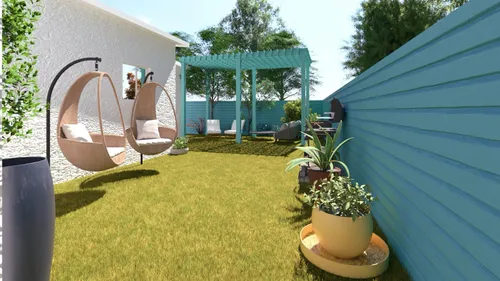
Green Advisor Inc.
7660 Beverly Blvd, Los Angeles, CA 90036
Green Advisor Inc. is a landscaping and remodeling company based in Los Angeles, CA. They provide comprehensive landscape design and construction services, including hardscaping, irrigation system installation, and custom outdoor renovations. Their expertise extends to pool construction, patio and deck building, and eco-friendly home remodeling projects. The company is recognized for its award-winning landscape designs and sustainable outdoor solutions. Green Advisor Inc. also offers 3D design services to help clients visualize their projects. They serve the Greater Los Angeles area, including the San Fernando Valley, and collaborate with trusted suppliers to ensure quality materials and craftsmanship.
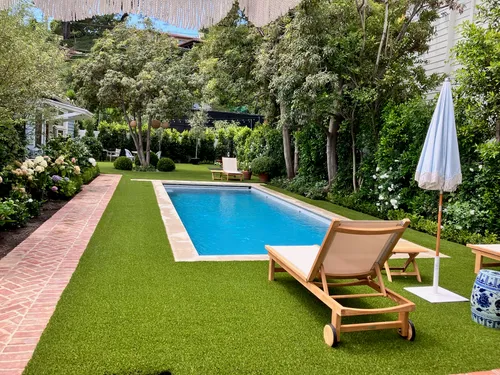
Cocoturf
4935 McConnell Ave Unit 5, Los Angeles, CA 90066
Cocoturf is a locally owned company based in Los Angeles, CA, specializing in artificial turf installation and landscape design for residential and commercial properties. With over 30 years of experience, they provide premium artificial turf systems that mimic natural grass, featuring advanced cooling technology and non-toxic materials. Cocoturf offers custom landscape designs and precise installations, focusing on durable and safe turf solutions made in the USA.
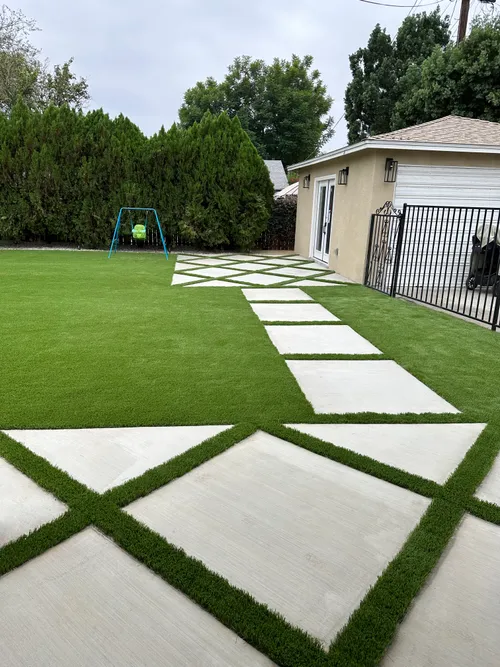
RainforestLA, Inc.
442 Alandele Ave, Los Angeles, CA 90036
RainforestLA, Inc. is a Los Angeles-based landscape company with over 20 years of experience. They offer landscape design, hardscaping, and outdoor lighting installation services throughout Los Angeles, Inglewood, and Santa Monica, CA. Their capabilities include creating detailed 3D landscape designs and installing LED low-voltage lighting to enhance outdoor spaces after dark. The company focuses on combining functionality with aesthetic appeal to create inviting outdoor living areas.
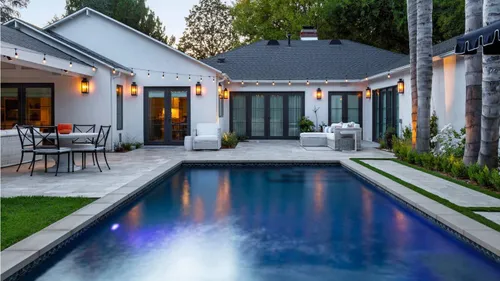
Pacific Outdoor Living
8309 Tujunga Ave #201, Sun Valley, CA 91352
Pacific Outdoor Living is a landscaping and hardscaping company based in Los Angeles, CA. They offer a wide range of outdoor services including landscape design, swimming pools and spas, patios, driveways, outdoor kitchens, walkways, and water features. The company handles projects of all sizes, from small yard additions to full landscape designs, focusing on delivering projects that are designed and built right, on time, and on budget.
Understanding Santa Monica's Unique Environment
Successful landscape architecture in Santa Monica begins with a deep respect for the local environment. Two primary factors dictate every design decision: climate and soil.
The Coastal Mediterranean Climate: Santa Monica enjoys mild year-round temperatures, but this comes with distinct challenges for gardeners. Morning fog, afternoon winds, and salt-laden air from the Pacific Ocean can stress non-native plants. Furthermore, the area receives an average of just 14 inches of rain annually, placing a premium on water conservation. A skilled designer selects flora that not only survives but flourishes under these conditions.
Soil Composition: The soil tends to be sandy and alkaline, which drains quickly and can limit nutrient availability for some plants. This natural composition reinforces the need for drought-tolerant and salt-tolerant species, as they are adapted to thrive in precisely these types of well-draining, mineral-rich soils.
Core Principles of Effective Garden Design
Whether your vision is modern minimalist or lush and layered, all compelling residential landscapes are built on foundational design principles. These concepts guide the layout, plant selection, and feature placement to create a cohesive and pleasing space.
- Unity & Harmony: This principle ensures all elements of your yard-plants, hardscapes, structures-work together to create a consistent theme or style. Repetition of colors, textures, or forms can help achieve this.
- Balance: Balance provides stability and can be symmetrical (formal) or asymmetrical (informal). In Santa Monica's casual coastal vibe, asymmetrical balance is often used to create dynamic, natural-looking spaces.
- Focal Points: A well-designed yard guides the eye. This could be a striking specimen tree, a water feature, a sculptural element, or an inviting seating area. Focal points add interest and depth.
- Rhythm & Line: Rhythm is created by repeating elements to create visual movement, while lines (from pathways, bed edges, or plant groupings) direct both the eye and physical flow through the garden.
- Simplicity & Proportion: Avoiding clutter is key. A simple design with thoughtfully scaled elements-where the size of plants and features relates well to your home and lot-often has the greatest impact 1 2.
Popular Landscape Styles and Layouts for Santa Monica Homes
Local garden design trends strongly reflect a desire to blend beauty with environmental responsibility and enhanced livability.
Modern & Drought-Tolerant Style: This is a dominant trend, emphasizing clean lines, geometric forms, and a restrained plant palette. The focus is on architectural plants, such as succulents, agaves, and ornamental grasses, that require minimal water. Gravel, decomposed granite, and sleek concrete are common hardscape materials, creating a low-maintenance, water-wise landscape perfectly suited to the region 3.
Sustainable & Native-Focused Gardens: Moving beyond just drought tolerance, this approach actively supports local ecology. It involves designing with California native plants-like sage, toyon, and ceanothus-which are perfectly adapted to the climate and soil, requiring little to no supplemental water once established. These gardens provide crucial habitat for local birds, bees, and butterflies, turning your yard into a biodiverse sanctuary.
Outdoor Living Integration: Santa Monica's mild weather makes outdoor living a priority. Modern landscape plans often function as an extension of the indoor floor plan. Common features include:
- Patios & Decks: Seamless transitions from indoor rooms to outdoor seating and dining areas.
- Fire Pits & Outdoor Fireplaces: Creating cozy gathering spots for cooler evenings.
- Functional Zones: Dedicated spaces for cooking (outdoor kitchens), playing (lawn or play areas), and relaxing (lounging zones) 4 5.
Find the perfect landscape design companies for your needs
Get personalized recommendations and expert advice
The Value of Professional Planning: Cost Considerations
Investing in professional site planning can seem like an upfront cost, but it often leads to significant long-term savings and value. A thoughtful design avoids costly mistakes and ensures your budget is allocated efficiently to elements that provide the greatest return in enjoyment and sustainability.
While costs vary widely based on project scope, size, and materials, comparative studies in Santa Monica highlight an important trend. For example, an analysis of two demonstration gardens showed that installing a traditional garden might cost around $12,400, while installing a native, sustainable garden had a higher initial installation cost of approximately $16,700.
However, the long-term financial picture tells a different story. The sustainable native garden demonstrated annual savings of about $2,200 in reduced water usage, waste, and maintenance labor 6. This means the higher initial investment can pay for itself over time, all while conserving water-a critical resource in California. A professional designer can help you navigate these trade-offs, creating a plan that aligns with your budget and maximizes long-term savings and ecological benefits.
Key Design Elements for Santa Monica Properties
When planning your outdoor space, consider these elements that are particularly effective in the local context:
- Planting for Resilience: The cornerstone of any local design is the plant palette. Prioritize native and Mediterranean plants that are adapted to drought, salt, and alkaline soil. Layering plants with different heights, textures, and bloom times creates year-round interest.
- Efficient Irrigation: Even drought-tolerant plants need water to establish. A professional design will incorporate a high-efficiency irrigation system, such as drip lines or smart controllers, that delivers water directly to root zones and adjusts based on weather conditions.
- Functional Hardscaping: Patios, pathways, and retaining walls define spaces and reduce water-guzzling lawn areas. Permeable materials like pavers set in sand allow rainwater to recharge the groundwater table.
- Soil Preparation & Mulching: Amending sandy soil with compost improves its water-holding capacity. Applying a layer of organic mulch helps retain soil moisture, suppress weeds, and regulate soil temperature.
Working with a knowledgeable local designer ensures these elements are integrated into a cohesive, beautiful, and enduring landscape that celebrates the unique character of Santa Monica living.
Frequently asked questions
Sources
Footnotes
-
What are the 7 Principles of Landscape Design? - https://hearnlandscape.com/what-are-the-7-principles-of-landscape-design/ ↩
-
landscape design definition - https://www.toddhaimanlandscapedesign.com/blog/what-is-landscape-design ↩
-
Current Landscape Design Trends in California - Outside Matters Landscaping - https://outsidematterslandscaping.com/blog/blog-post-title-two-pwt55 ↩
-
Sustainable Landscape - https://files.santaclaracounty.gov/migrated/Santa%20Monica%20Garden%20Comparison.pdf ↩
-
(PDF) Types of Landscape design - ResearchGate - https://www.researchgate.net/publication/385893312_Types_of_Landscape_design ↩
-
Garden/Garden - A Comparison in Santa Monica - ASLA - https://www.asla.org/focus-areas/climate-biodiversity-action/case-studies/sustainable-landscapes-case-studies/garden-garden ↩