Find the Best Landscape Design Companies for Your Business
No obligation • Fast responses • Nationwide coverage

Why you can trust Landscape Atlas
Landscape Atlas is a leading United States resource for evaluating landscaping, lawn care, and outdoor service providers. Our team researches each category in depth, focusing on service quality, safety, and customer experience. Listings and rankings are based on independent criteria and user feedback, and companies cannot pay to influence our assessments or recommendations.
Search providers near you
Top Landscape Design Companies in South San Francisco, California Ranked
Transforming your outdoor space in South San Francisco is an opportunity to create a beautiful, functional extension of your home that thrives in the unique Bay Area climate. Landscape design is the art and science of arranging plants, structures, and landforms to achieve aesthetic, environmental, and practical goals for your property. A well-planned garden or yard can increase your home's value, provide a sanctuary for relaxation and entertainment, and support local ecology. This guide will help you understand the key considerations for residential landscape architecture in South San Francisco, from plant selection to zoning concepts, so you can make informed decisions when planning your project.
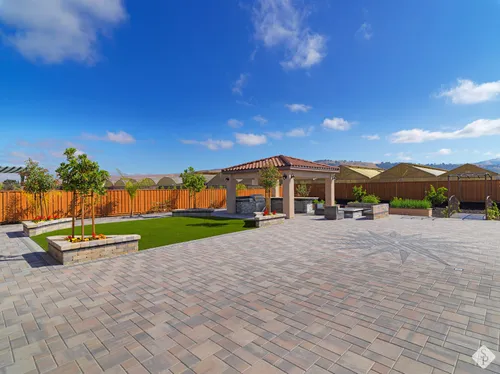
System Pavers
4615 Enterprise Common, Fremont, CA 94538
System Pavers is a landscaping and hardscaping company based in San Jose, CA. They specialize in designing and installing outdoor spaces including paver driveways, patios, artificial turf, decks, and landscape lighting. The company offers personalized design consultations and professional installation using premium materials. With over 30 years of experience since 1992, System Pavers provides durable, low-maintenance products backed by industry-leading warranties.

Evermont Landscape
1912 Barrett Ave #3, Richmond, CA 94801
Evermont Landscape is a landscaping company based in Oakland, CA, offering a wide range of services including sod installation, artificial turf, fence installation, tree removal, stump grinding, land clearing, hardscaping with pavers and retaining walls, and landscape design. With 30 years of experience, they provide comprehensive outdoor solutions from design to maintenance, serving the East Bay and Contra Costa County areas. Their capabilities include detailed tree services such as palm tree trimming and pruning, as well as complete landscape makeovers tailored to client preferences. Evermont Landscape also offers financing options to support various project needs.

Santos Hauling and Cleaning
San Jose, CA
Santos Hauling and Cleaning is a landscaping and hauling company based in San Jose, CA. They provide a wide range of services including landscape design, sod installation, artificial turf, hardscaping with pavers and retaining walls, as well as junk removal for residential and commercial properties. Serving the San Francisco Bay Area, they are familiar with the local environment and offer solutions tailored to both urban and suburban settings. Santos Hauling and Cleaning is fully licensed and insured, ensuring professional handling of projects and property protection.
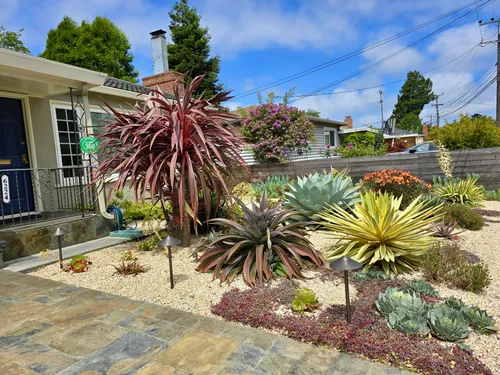
Farallon Gardens
1569 Solano Ave #124, Berkeley, CA 94707
Farallon Gardens is a licensed and insured landscape contractor based in San Francisco, CA. They offer full-service landscaping including design, installation, and maintenance tailored to meet the unique needs and vision of each client. Their approach focuses on thoughtful landscape design combined with professional installation and ongoing care to ensure lasting results.
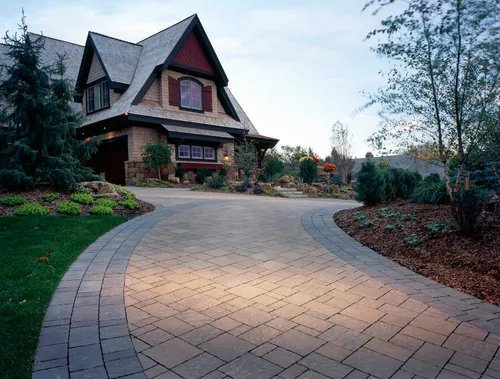
Black Diamond Paver Stones & Landscape, Inc.
3 E 3rd Ave Suite 200, San Mateo, CA 94401
Black Diamond Paver Stones & Landscape, Inc. is a family-owned landscaping and hardscaping company serving San Jose, CA. They offer a wide range of services including paver stone installation, artificial turf, landscape design, outdoor lighting, and custom outdoor kitchens. Their expertise includes durable driveway and patio installations using paver stones, which come with a lifetime manufacturer warranty and a 27-year installation warranty. With over 20 years of experience, Black Diamond focuses on creating high-quality, long-lasting outdoor spaces tailored to client needs.
Understanding South San Francisco's Unique Environment
Successful garden design in South San Francisco begins with a deep understanding of the local climate and soil conditions. The city enjoys a Mediterranean climate characterized by mild, wet winters and warm, dry summers, but it is also famously influenced by heavy summer fog, placing it in USDA Hardiness Zone 10b/11a 1. This "climate of contrasts" means plants must be resilient to periods of drought while also tolerating cool, moist air. The soil composition varies but is often clay-heavy, compacted, or poorly draining. Before planting, a soil test is highly recommended to determine necessary amendments, which might include organic compost or gypsum to improve structure and drainage, often implemented through raised beds.
Selecting the Right Plants for Your Garden
The cornerstone of sustainable landscaping here is the use of California native and drought-tolerant plants. These species are adapted to the local rainfall patterns and soil, requiring less water, fewer fertilizers, and minimal pesticides once established. This approach supports local wildlife, including pollinators like bees and butterflies. Key plant groups for South San Francisco yards include:
- Native Shrubs: California Lilac (Ceanothus), Manzanita, Toyon, and Coffeeberry provide year-round structure, beautiful blooms, and berries for birds.
- Ornamental Grasses: Native grasses like California Fescue (Festuca) add movement, texture, and a natural aesthetic.
- Succulents: A wide variety of succulents and Mediterranean plants like Rosemary and Lavender thrive in the well-drained conditions and sunny spots between fog banks.
By building your planting plan around these resilient species, you create a landscape that is both beautiful and ecologically responsible.
The Three-Zone Approach to Residential Design
A fundamental concept in professional landscape planning is dividing your property into distinct functional zones. This framework helps organize space efficiently and create a logical flow from public to private areas 2.
1. The Public Zone (Front Yard)
This is the street-facing area of your property, the "curb appeal" zone. Design goals here typically focus on creating a welcoming, low-maintenance, and aesthetically pleasing view from the street. Strategies often involve:
- Defining a clear and inviting path to the front door.
- Using evergreen, structured plants for year-round interest.
- Implementing water-efficient ground covers and mulches to suppress weeds.
- Ensuring clear visibility for safety and adhering to any local ordinances regarding sight lines.
2. The Private Zone (Backyard)
The backyard is your personal retreat, designed for relaxation, entertainment, and family activities. This is where the core of outdoor living takes shape. Elements to consider include:
- Patios & Decks: Creating durable, level surfaces for seating and dining, using materials like pavers, stone, or composite decking.
- Seating & Dining Areas: Defining spaces for conversation, meals, and lounging.
- Recreation Spaces: Allocating room for play areas, lawns, or game courts.
- Privacy Screening: Using fences, trellises, or strategically placed trees and shrubs to create a sense of seclusion.
3. The Service Zone
Often overlooked in initial planning, the service zone is essential for functionality. This area houses utilities, trash and recycling bins, tool storage, garden sheds, and sometimes vegetable gardens or compost bins. Effective design screens these necessary but less attractive elements from the main living areas using lattice panels, hedges, or fencing, integrating them neatly into the overall plan 3.
Integrating Hardscape and Comfort Features
A complete outdoor environment blends softscape (plants) with hardscape (built elements). In South San Francisco, hardscaping addresses practical needs like managing slopes and creating usable space, while also enhancing comfort and enjoyment.
Functional Hardscaping: Due to the area's varied topography, retaining walls are common for creating level terraces on sloped lots. Walkways and paths made of decomposed granite, flagstone, or gravel provide connectivity and define circulation routes. Driveway aprons and parking pads, if part of the project, must consider local drainage requirements 4.
Outdoor Living Features: To maximize the use of your private zone, consider adding comfort features that invite you outdoors:
- Outdoor Kitchens & Fire Features: A built-in grill station or a cozy gas or wood-burning fire pit becomes a natural gathering spot.
- Ambient Lighting: Low-voltage LED lighting along paths, in trees, and under seating walls extends the usability of your garden into the evening and enhances safety.
- Water Features: The sound of a small fountain or bubbler can mask neighborhood noise and add a serene focal point.
Find the perfect landscape design companies for your needs
Get personalized recommendations and expert advice
Principles of Sustainable Landscape Architecture
Modern residential design in the Bay Area strongly emphasizes sustainability. This goes beyond plant selection to encompass holistic resource management.
- Water Conservation: Incorporate drip irrigation zones for efficient watering. Consider rain gardens or bioswales-shallow, planted depressions-to capture and filter stormwater runoff from roofs and paved areas, reducing burden on municipal systems and recharging groundwater 5 6.
- Permeable Surfaces: Using permeable pavers, gravel, or other porous materials for patios and walkways allows rainwater to infiltrate the soil rather than running off.
- Habitat Creation: Using native plants provides food and shelter for birds, insects, and other local wildlife, contributing to regional biodiversity.
Understanding Project Scope and Investment
The cost of a landscape design and installation project in South San Francisco varies dramatically based on size, complexity, materials, and site conditions. It's helpful to think in terms of project tiers 7:
- Basic Garden Refresh: ($1,000 - $5,000) This might involve refreshing mulch beds, adding a few new drought-tolerant plants, pruning existing shrubs, and making simple lawn repairs or conversions.
- Mid-Range Makeover: ($5,000 - $15,000+) Projects in this range often include installing a new patio or deck of moderate size, building a low retaining wall, putting in a new irrigation zone, and comprehensive new planting beds.
- High-End Transformation: ($20,000+) This tier involves complex, custom design work. It could encompass large-scale hardscaping like extensive patios, outdoor kitchens, significant grading and drainage work, custom lighting systems, and high-end material selections.
A clear initial plan, developed with your goals and budget in mind, is the best way to ensure a successful outcome that brings you joy for years to come. By working with the local environment-its climate, soil, and native ecology-you can create a resilient and beautiful outdoor living space uniquely suited to life in South San Francisco.
Frequently asked questions
Sources
Footnotes
-
A Climate of Contrasts - San Francisco - National Park Service - https://www.nps.gov/prsf/learn/nature/climate.htm ↩
-
landscape design definition - https://www.toddhaimanlandscapedesign.com/blog/what-is-landscape-design ↩
-
Spruce Up Your Site: How to Plan a Residential Landscape Design - https://www.skh.com/blog/residential-landscape-design/ ↩
-
City of South San Francisco, CA LOT AND DEVELOPMENT ... - https://ecode360.com/43450918 ↩
-
Landscape design & build for San Francisco, CA - Yardzen - https://yardzen.com/landscape-design-in-san-francisco-ca ↩
-
Region San Francisco Bay Area - https://climateresilience.ca.gov/regions/sf-bay-area.html ↩
-
Cost Of Landscaping in California - BuildOps - https://buildops.com/resources/cost-of-landscaping-in-california/ ↩