Find the Best Landscape Design Companies for Your Business
No obligation • Fast responses • Nationwide coverage

Why you can trust Landscape Atlas
Landscape Atlas is a leading United States resource for evaluating landscaping, lawn care, and outdoor service providers. Our team researches each category in depth, focusing on service quality, safety, and customer experience. Listings and rankings are based on independent criteria and user feedback, and companies cannot pay to influence our assessments or recommendations.
Search providers near you
Top Landscape Design Companies in Woodland, California Ranked
Creating a beautiful, functional, and sustainable outdoor space in Woodland requires a thoughtful approach that respects the local climate. Landscape design is the art and science of arranging plants, hardscapes, and structures to create an environment that is both aesthetically pleasing and practical for your lifestyle. In a region known for hot, dry summers and clay-heavy soils, a well-planned design is essential for establishing a resilient yard that conserves water, reduces maintenance, and enhances your home's value. This guide will help you understand the key principles for planning your Woodland property, from selecting the right plants to budgeting for major features.
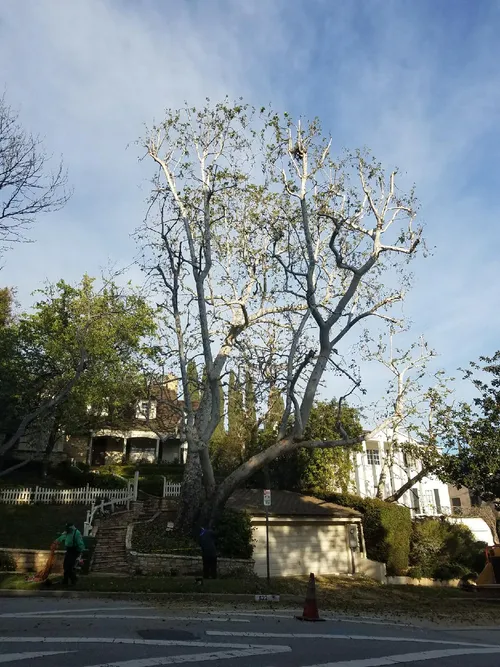
Tree Care Services
3414 4th Ave, Sacramento, CA 95817
Tree Care Services is a family-owned business based in Sacramento, CA, specializing in tree care, landscaping, and lawn services. Serving both residential and commercial properties, they offer expert arborist services including tree trimming, pruning, fertilization, stump grinding, and safe tree removal. Established in 1990, the company provides 24/7 emergency response and follows industry standards to ensure safety and quality in all projects.
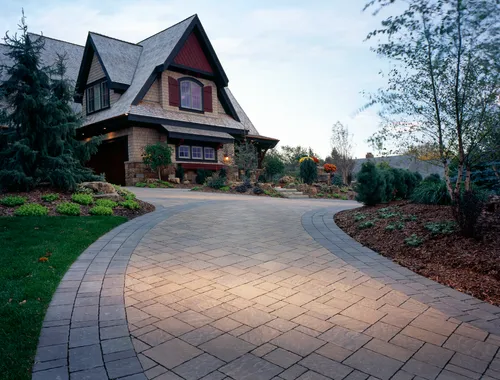
Black Diamond Paver Stones & Landscape, Inc.
1111 Howe Ave #535, Sacramento, CA 95825
Black Diamond Paver Stones & Landscape, Inc. is a family-owned landscaping and hardscaping company serving Sacramento, CA. With over 20 years of experience, they provide a range of services including paver stone installation, artificial turf, landscape lighting, outdoor kitchens, and custom hardscape features such as retaining walls and pergolas. Their expertise includes durable driveway and patio designs using paver stones, which come with a 27-year installation warranty and a lifetime manufacturer warranty. The company emphasizes quality craftsmanship and comprehensive project design support throughout the installation process.
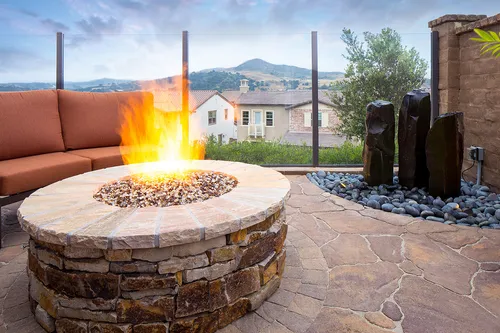
System Pavers
3035 Prospect Park Dr #110, Rancho Cordova, CA 95670
System Pavers is a landscaping and hardscaping company based in Sacramento, CA. They specialize in designing and installing outdoor spaces including paver driveways, patios, artificial turf, decks, and landscape lighting. The company offers personalized design consultations and uses premium materials backed by industry-leading warranties. With over 30 years of experience since 1992, System Pavers provides durable and customizable outdoor solutions that add value to properties.
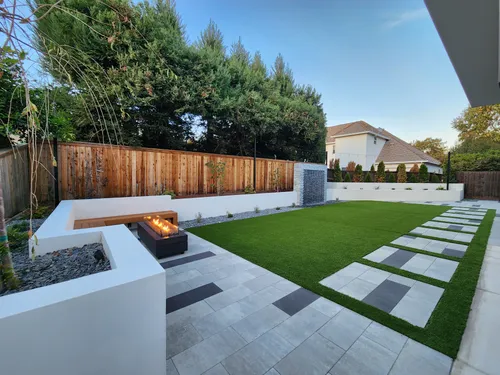
Caligreen Landscaping
4970 unit B Jackson St, North Highlands, CA 95660
Caligreen Landscaping is a full-service landscaping company based in Sacramento, CA. They specialize in custom outdoor spaces, including sod and artificial turf installation, fence installation, landscape lighting, tree services, and hardscaping such as pavers and retaining walls. Their approach emphasizes thoughtful planning, clear communication, and quality craftsmanship to create functional and attractive landscapes tailored to each client's needs. Caligreen Landscaping works closely with designers when detailed drawings or 3D visuals are needed to ensure the final result matches the vision. They serve Sacramento and nearby communities, delivering projects that range from patios and retaining walls to custom lighting and water-saving plant installations.
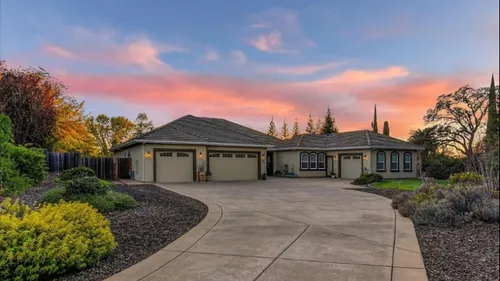
California Exteriors Incorporated
1420 E Roseville Pkwy, Roseville, CA 95661
California Exteriors Incorporated is a landscaping and hardscaping company based in Sacramento, CA. They offer a range of services including artificial turf installation, landscape design, concrete customization, and hardscaping projects such as patios and retaining walls. Their team focuses on creating durable and stylish outdoor spaces tailored to client needs, with capabilities in stamped concrete and pet-friendly synthetic turf. The company provides comprehensive landscaping solutions from design to installation, serving Sacramento and surrounding areas.
Understanding Woodland's Climate and Soil
Successful landscape architecture in Yolo County begins with a deep understanding of local environmental conditions. Woodland experiences a classic Central Valley climate: long, hot, and dry summers followed by mild, wet winters. This Mediterranean-like pattern dictates everything from plant selection to irrigation planning. The soil presents another key consideration; it is often alkaline and clay-heavy, which can affect drainage and plant health 1.
The cornerstone of a sustainable garden design here is the use of drought-tolerant and native plants. Species adapted to these conditions will thrive with minimal supplemental water once established, creating a lush appearance without the high water bill. Incorporating generous amounts of mulch is another critical strategy. Mulch helps retain precious soil moisture, suppresses weeds, and over time, improves the structure of dense clay soils. By starting with these fundamental ecological principles, your outdoor design will be built on a foundation of resilience.
Core Principles of Residential Landscape Design
Every great yard layout follows a set of foundational design principles. These concepts help organize space, create visual interest, and ensure the area is both beautiful and usable.
- Unity and Harmony: This is achieved by repeating elements like specific plants, colors, or materials throughout the design. In Woodland, you might create unity by using the same type of decorative gravel in pathways and patio areas, or by planting clusters of the same native grass in different beds.
- Balance: Balance can be symmetrical (mirrored on either side of a central point, like a front walkway) or asymmetrical (achieved with different elements of equal visual weight). An asymmetrical balance might pair a large shade tree on one side of a patio with a grouping of smaller shrubs and a sculpture on the other.
- Focal Points: Every space needs a point of interest to draw the eye. This could be a specimen tree, a water feature, a striking piece of garden art, or an elegant arbor. In a private backyard, the focal point is often the seating or dining area itself.
- Proportion and Scale: The size of landscape elements should relate comfortably to each other and to your home. A tiny patio will feel lost behind a large house, while an oversized pergola can overwhelm a small courtyard.
- Rhythm and Line: The flow of movement is guided by lines-the edge of a planting bed, the curve of a path, or the outline of a patio. Gentle, flowing lines create a natural, relaxed feel, while straight lines convey a more formal, structured look 2.
Applying these principles ensures your property planning results in a cohesive and intentional outdoor environment.
Creating Functional Zones in Your Yard
A practical landscape plan divides your property into distinct zones based on use. This zoning is key to creating an organized and highly functional outdoor living area.
- The Public Zone (Front Yard): This area is for curb appeal and welcome. The design should be relatively low-maintenance and water-wise, creating a positive first impression. Focus on a clear, inviting path to the front door, attractive foundational plantings, and perhaps a small seating nook. The goal is beauty that withstands the street view and the summer heat.
- The Private Zone (Backyard): This is your personal retreat for relaxation and entertainment. This zone is where you invest in comfort and livability. Design typically revolves around a patio or deck for seating and dining, enhanced by shade structures, ambient lighting, and perhaps cooking or fire features. Planting here can be lusher and more personal, creating a sense of enclosure and privacy.
- The Service Zone: Every property needs a practical area for utilities, compost bins, tool storage, or a vegetable garden. Screening this zone with lattice, fencing, or attractive evergreen shrubs keeps it accessible but out of sight from main living areas 3.
Defining these zones through the use of pathways, planting beds, and level changes is a fundamental step in the site planning process.
Find the perfect landscape design companies for your needs
Get personalized recommendations and expert advice
Key Features for Woodland Outdoor Living
Integrating specific features can transform a basic yard into a true extension of your home. For Woodland properties, certain elements are particularly valuable.
- Patios and Pathways: As primary hardscape elements, patios provide the "floor" of your outdoor room. Materials like flagstone, permeable pavers, or decomposed granite are excellent choices for our climate. Pathways connect zones and guide movement; using curves can make a garden feel larger and more natural.
- Shade Solutions: Relief from the summer sun is non-negotiable. This can be achieved by strategically planting deciduous trees (which provide summer shade and winter sun) or by installing permanent structures like pergolas or shade sails 4.
- Water-Wise Planting: Move beyond rocks and cactus. A rich palette of California natives and Mediterranean-adapted plants offers color, texture, and habitat. Think about layering-tall trees, mid-size shrubs, perennials, and groundcovers-to create depth and fullness 5.
- Ambient Features: Low-voltage LED lighting extends the usability of your space into the evening and highlights architectural plants. A small, recirculating fountain adds a cooling sensory element with minimal water use. For year-round enjoyment, a fire pit or outdoor fireplace creates a cozy focal point for cooler evenings 6.
Budgeting for Your Landscape Project
The cost of a landscape design project in Woodland varies dramatically based on scope, materials, and size. Understanding typical investment ranges can help you plan effectively.
- Low-Cost Refresh ($1,000 - $5,000+): This tier focuses on softscape improvements. It can include adding new drought-tolerant plants, refreshing mulch beds, installing a drip irrigation zone, or making minor edits to existing planting beds. It's a great way to boost curb appeal or sustainability without major construction.
- Medium Project ($5,000 - $20,000+): This often involves a combination of hardscape and softscape. Examples include installing a new patio or walkway with mid-range materials, adding a basic pergola, putting in landscape lighting, and accompanying it with a full suite of new plants and mulch.
- Major Renovation ($20,000 - $50,000+): At this level, hardscaping becomes a significant cost driver. Projects may include large patios, retaining walls, outdoor kitchens, sophisticated lighting and irrigation systems, and extensive, mature planting. This is a complete transformation of the outdoor space.
- High-End Custom Design ($50,000+): This encompasses complex, custom-designed landscapes with high-end materials (like natural stone, custom woodwork), integrated audio-visual systems, elaborate water features, and full-service professional planning and installation 7.
Remember, investing in professional planning and quality construction for hardscaping and irrigation upfront can prevent costly repairs and water waste down the line, making it a crucial part of a sustainable property design.
Frequently asked questions
Sources
Footnotes
-
Landscape Design Ideas for Southern California - https://www.dripworks.com/blog/landscape-design-ideas-for-southern-california ↩
-
The 5 Basic Elements of Landscape Design - https://www.curtilandscaping.com/blog/the-5-basic-elements-of-landscape-design/ ↩
-
Spruce Up Your Site: How to Plan a Residential Landscape Design - https://www.skh.com/blog/residential-landscape-design/ ↩
-
How to Plan the Perfect Woodland Landscape Design? - https://www.fivestarlandscape.com/woodland-landscape-design-guide/ ↩
-
yard & garden - Sierra Nevada Alliance - https://sierranevadaalliance.org/wp-content/uploads/2019/12/SNYG-guide.pdf ↩
-
10 Tips for a Low-Maintenance, Eco-Friendly Backyard - https://tataandhoward.com/10-tips-for-a-low-maintenance-eco-friendly-backyard/ ↩
-
How Much Does Landscaping Cost? - https://fischerlandscapingusa.com/how-much-does-a-landscaper-cost/ ↩