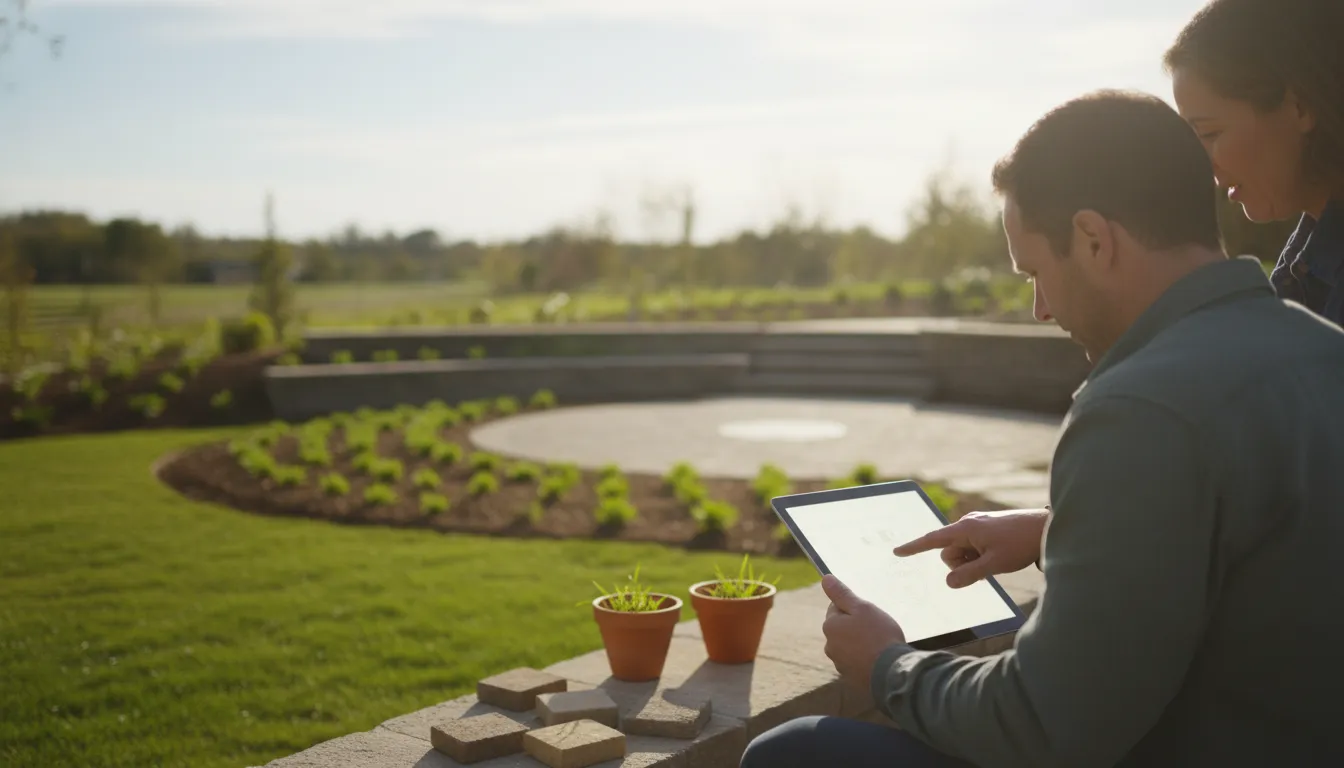
Find the Best Landscape Design Companies for Your Business
No obligation • Fast responses • Nationwide coverage

Why you can trust Landscape Atlas
Landscape Atlas is a leading United States resource for evaluating landscaping, lawn care, and outdoor service providers. Our team researches each category in depth, focusing on service quality, safety, and customer experience. Listings and rankings are based on independent criteria and user feedback, and companies cannot pay to influence our assessments or recommendations.
Search providers near you
Top Landscape Design Companies in Apopka, Florida Ranked
Creating a beautiful and functional outdoor space in Apopka requires a thoughtful approach that respects our unique Central Florida environment. Professional landscape design is the art and science of arranging plants, hardscapes, and living features to enhance your property's beauty, functionality, and sustainability. It matters because a well-designed landscape can increase your home's curb appeal, create valuable outdoor living areas, and conserve vital natural resources. This guide will help you understand the key principles of designing for Apopka's climate and connect you with local experts who can bring your vision to life.
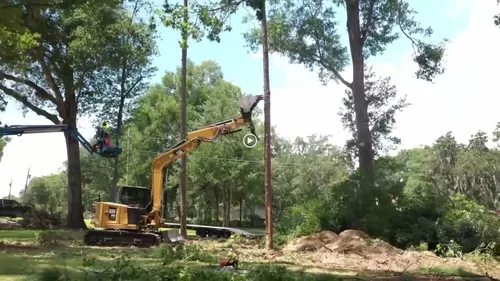
DEANGELOS LAND SERVICES
Orlando, FL
DEANGELOS LAND SERVICES is a comprehensive land and tree service provider based in Orlando, FL, serving Central Florida including Lake Mary and surrounding areas. They offer a wide range of services such as tree removal, land clearing, drainage solutions, tree trimming, excavation, and emergency tree removal with 24/7 availability. The company also specializes in arborist services, storm damage cleanup, landscape design, hardscaping, sod installation, and irrigation system installation. With over 8 years of experience, DEANGELOS LAND SERVICES is licensed and insured, focusing on safety, efficiency, and personalized care to maintain and enhance outdoor spaces.
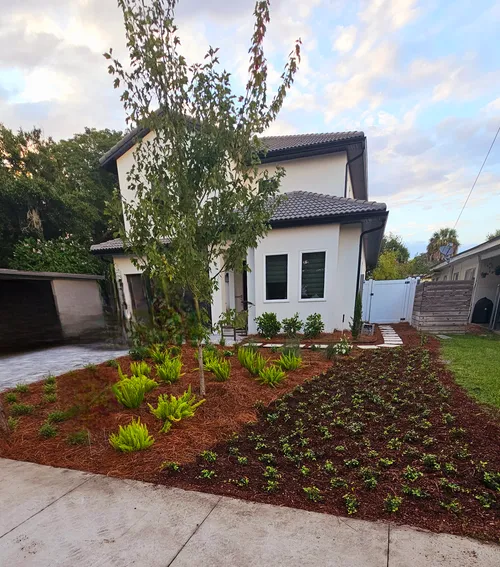
Snyder's Landscapes
Orlando, FL
Snyder's Landscapes is a landscaping company based in Orlando, FL, with nearly 20 years of experience in landscape design and installation. They offer a range of services including sod installation, artificial turf, fence installation, landscape lighting, tree services, and hardscaping such as pavers and retaining walls. The company is known for creating professional lighting systems and comprehensive landscape plans that enhance outdoor spaces. Their work includes mulch beds, brick edging, and pool patios, reflecting a broad capability in both soft and hard landscaping elements.
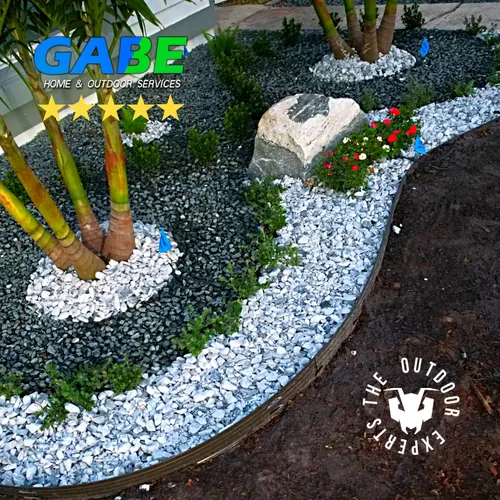
Gabe Home & Outdoor Services
Orlando, FL
Gabe Home & Outdoor Services is a landscaping and irrigation company based in Orlando, FL, serving the Winter Garden area. They offer a wide range of outdoor services including landscaping design and installation, irrigation system repairs and installations, French drainage solutions, artificial turf and sod installation, tree trimming, and hardscaping with brick pavers. Their expertise includes custom storm drainage systems designed to prevent yard flooding using precise technology for proper slope and water flow. With years of hands-on experience and continuous training, they have built a strong reputation in the community and provide all services fully licensed and insured.
Quik Care Services Inc
247 Park Ave, Longwood, FL 32750
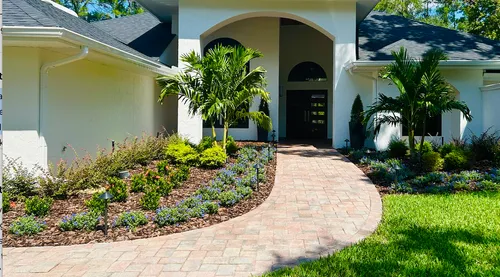
Quik Care Services Inc is a family-owned landscaping company based in Orlando, FL. They offer landscape design, sprinkler installation and repair, and irrigation services. The company serves Lake Mary, Longwood, Sanford, and the Tri-County area, combining personalized service with the resources of a larger enterprise.
H2O Experts Irrigation & Drainage
Orlando, FL
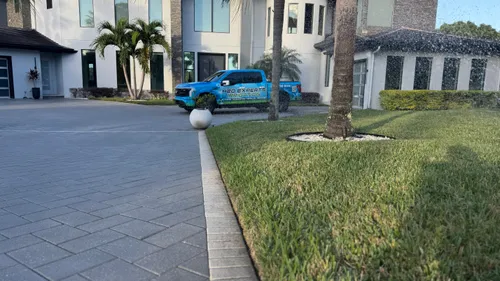
H2O Experts Irrigation & Drainage is a landscape and irrigation company serving Orlando, FL. They provide sprinkler installation, repair, and maintenance, as well as landscape lighting and yard drainage services. The company designs irrigation systems to maximize efficiency and coverage for lawns and gardens. H2O Experts operates in Central and Southwest Florida, including Lake Mary, Winter Springs, and Sarasota. They offer maintenance contracts with flexible schedules to help prevent irrigation problems and emergencies.
Understanding Apopka's Landscape Canvas: Climate, Soil, and Water
Successful landscape architecture in Apopka begins with a deep understanding of the local environmental conditions. The city experiences a humid subtropical climate, falling within USDA Hardiness Zones 9b and 10a. This means hot, humid summers and generally mild winters, but it also brings high annual rainfall paired with periods of drought. Designing for this climate requires selecting plants that can handle both intense humidity and dry spells.
The soil presents another key consideration. Apopka's terrain is often characterized by sandy, well-draining soil that is naturally nutrient-poor 1. This "karst" geology, marked by porous limestone bedrock, means water can percolate quickly away from plant roots. Consequently, proper soil preparation and a strategic water management plan are not just beneficial-they are essential for plant survival and reducing irrigation needs. The overarching goal is water conservation, making the principles of Florida-Friendly Landscaping™ (FFL) a cornerstone of any local design plan.
Core Principles of Florida-Friendly Landscaping™
Adopting a Florida-Friendly approach is the most effective strategy for a sustainable, low-maintenance, and beautiful yard. This isn't just a style; it's a set of research-based practices developed by the University of Florida for our specific region.
- Right Plant, Right Place: This is the fundamental rule. It means grouping plants with similar needs for sun, water, and soil, and placing them in the yard where those conditions exist naturally.
- Water Efficiently: Design with water conservation in mind. This includes using micro-irrigation like drip lines in planting beds, installing rain sensors on irrigation systems, and choosing drought-tolerant species to reduce overall water use.
- Fertilize Appropriately: Over-fertilizing can pollute our groundwater. A good design limits turfgrass areas and uses slow-release fertilizers only when needed, based on soil tests.
- Attract Wildlife: Incorporate native plants that provide food and shelter for birds, butterflies, and beneficial insects, creating a vibrant, living landscape.
- Manage Yard Pests Responsibly: Encourage natural pest predators by planting a diverse range of species and spot-treating problems instead of broadcasting pesticides.
The Three-Zone Approach to Residential Design
Professional landscape architects often organize a property into three distinct functional zones: Public, Private, and Service 2. This zoning creates a logical and aesthetically pleasing flow.
- The Public Zone (Front Yard): This area is all about curb appeal. Design focuses on creating a welcoming entrance, framing the home attractively, and often adhering to any community or city landscape requirements 3. Plantings here are typically more formal and neat, emphasizing year-round color and structure.
- The Private Zone (Backyard): This is your personal retreat for relaxation and entertainment. This zone is where outdoor living features shine-think patios, fire pits, outdoor kitchens, and cozy seating areas nestled within lush, private plantings. The design should create a seamless transition from indoors to outdoors.
- The Service Zone: Often tucked away, this area houses functional elements like trash and recycling bins, air conditioning units, garden tool storage, or a vegetable garden. Screening these areas with attractive fencing or evergreen plants keeps the yard looking tidy.
Designing with Plants: The Native 70/30 Rule
A thriving plant palette is the heart of any garden design. For ecological benefits and resilience, a great guideline is the 70/30 rule: aim for at least 70% native plants and up to 30% well-adapted, non-invasive non-natives 4. Native plants, like Coontie palm, Muhly grass, or Firebush, are adapted to local pests, diseases, and weather extremes, requiring less water, fertilizer, and pesticides.
When it comes to lawn grass, thoughtful placement is key. Instead of vast expanses of thirsty St. Augustine grass, consider limiting turf to functional areas where it's actively used and opting for more drought-tolerant grasses like Bahia in other areas 5. Replacing unused lawn areas with attractive groundcovers, mulched beds, or hardscaping can drastically reduce maintenance and water bills.
Find the perfect landscape design companies for your needs
Get personalized recommendations and expert advice
Integrating Hardscape and Outdoor Living Features
Hardscaping-the non-living elements of your design-provides structure and functionality. In Apopka, popular features include:
- Patios and Walkways: Using pavers, natural stone, or permeable materials to define spaces and provide stable surfaces.
- Fire Features: Fire pits or outdoor fireplaces extend the usability of your backyard into cooler evenings.
- Outdoor Kitchens: A major trend for those who love to entertain, integrating grills, countertops, and seating.
- Lighting: Strategic landscape lighting enhances safety, highlights architectural and plant features, and allows you to enjoy your space after dark.
These elements should be integrated using core design principles like line (guiding the eye), form (the shape of plants and structures), and color (creating visual interest) to create a cohesive and inviting outdoor room 6.
Understanding Investment Ranges for Landscape Design
The cost of a landscape design project in Apopka varies widely based on scope, materials, and the complexity of the installation. It's helpful to think in terms of project tiers 7:
- Basic Refresh ($500 - $3,000): This tier focuses on cosmetic updates like refreshing mulch, adding a few colorful annuals or perennials, installing simple edging, or planting a small accent tree. It's a great way to boost curb appeal with a modest budget.
- Mid-Range Design ($3,000 - $10,000): At this level, you can implement a more comprehensive plan. This often includes installing a paver patio of moderate size, creating new planting beds with a mix of shrubs and small trees, or adding an efficient drip irrigation zone to a specific area.
- High-End or Full Property Design ($10,000+): This tier encompasses complete transformations. Projects may include extensive hardscaping with an outdoor kitchen and seating walls, sophisticated low-voltage lighting systems, custom water features, and the installation of a mature, fully realized planting plan across the entire property.
Frequently asked questions
Sources
Footnotes
-
Florida Geology: Uniquely Beautiful - https://www.floridastateparks.org/learn/florida-geology-uniquely-beautiful ↩
-
Spruce Up Your Site: How to Plan a Residential Landscape Design - https://www.skh.com/blog/residential-landscape-design/ ↩
-
Landscape Requirements | Apopka, FL - https://www.apopka.gov/403/Landscape-Requirements ↩
-
The Native Plant 70/30 Rule: Beautiful and Eco-Friendly Garden Design - https://www.epicgardening.com/native-plant-70-30-rule/ ↩
-
FFL Guide to Plant Selection and Landscape Design - https://ffl.ifas.ufl.edu/media/fflifasufledu/docs/FFL-Plant-Guide_v030624_web.pdf ↩
-
The 5 Basic Elements of Landscape Design - https://www.curtilandscaping.com/blog/the-5-basic-elements-of-landscape-design/ ↩
-
Create an Outdoor Space That Enhances Your Home's Worth ... - https://landscaperapopkafl.com/blog/create-an-outdoor-space-that-enhances-your-homes-worth-and-appeal/ ↩