Find the Best Landscape Design Companies for Your Business
No obligation • Fast responses • Nationwide coverage

Why you can trust Landscape Atlas
Landscape Atlas is a leading United States resource for evaluating landscaping, lawn care, and outdoor service providers. Our team researches each category in depth, focusing on service quality, safety, and customer experience. Listings and rankings are based on independent criteria and user feedback, and companies cannot pay to influence our assessments or recommendations.
Search providers near you
Top Landscape Design Companies in Deltona, Florida Ranked
Creating a beautiful and functional outdoor space in Deltona requires a thoughtful approach that works with our unique environment. Landscape design is the art of planning and arranging the elements of your yard-from plants and trees to patios and pathways-to create an aesthetically pleasing, usable, and sustainable outdoor area. In a city with subtropical weather and sandy soil, a well-conceived landscape plan is essential for building a resilient, low-maintenance, and enjoyable extension of your home. This guide will help you understand the key considerations for Deltona, explore popular design ideas, and connect with the principles that local experts use to transform properties.
DEANGELOS LAND SERVICES
Orlando, FL
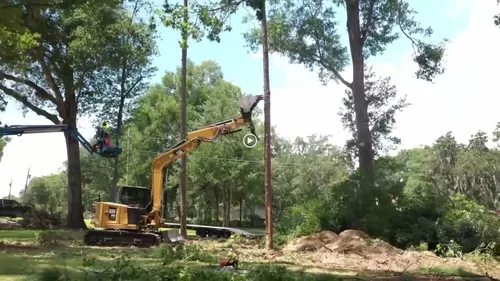
DEANGELOS LAND SERVICES is a comprehensive land and tree service provider based in Orlando, FL, serving Central Florida including Lake Mary and surrounding areas. They offer a wide range of services such as tree removal, land clearing, drainage solutions, tree trimming, excavation, and emergency tree removal with 24/7 availability. The company also specializes in arborist services, storm damage cleanup, landscape design, hardscaping, sod installation, and irrigation system installation. With over 8 years of experience, DEANGELOS LAND SERVICES is licensed and insured, focusing on safety, efficiency, and personalized care to maintain and enhance outdoor spaces.
Snyder's Landscapes
Orlando, FL
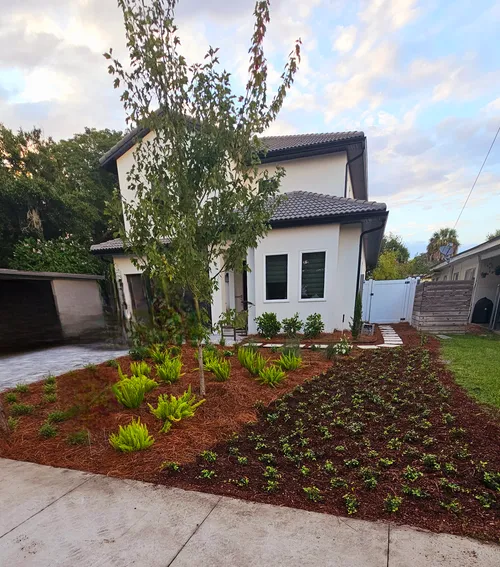
Snyder's Landscapes is a landscaping company based in Orlando, FL, with nearly 20 years of experience in landscape design and installation. They offer a range of services including sod installation, artificial turf, fence installation, landscape lighting, tree services, and hardscaping such as pavers and retaining walls. The company is known for creating professional lighting systems and comprehensive landscape plans that enhance outdoor spaces. Their work includes mulch beds, brick edging, and pool patios, reflecting a broad capability in both soft and hard landscaping elements.
Quik Care Services Inc
247 Park Ave, Longwood, FL 32750
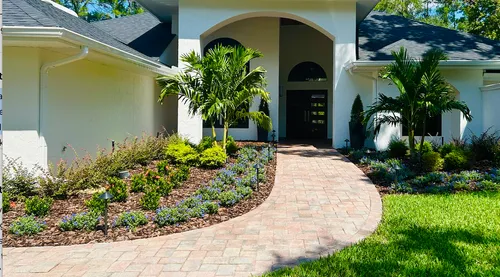
Quik Care Services Inc is a family-owned landscaping company based in Orlando, FL. They offer landscape design, sprinkler installation and repair, and irrigation services. The company serves Lake Mary, Longwood, Sanford, and the Tri-County area, combining personalized service with the resources of a larger enterprise.
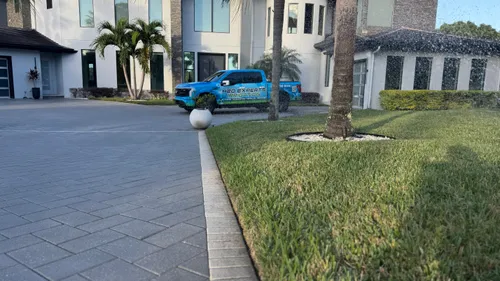
H2O Experts Irrigation & Drainage
Orlando, FL
H2O Experts Irrigation & Drainage is a landscape and irrigation company serving Orlando, FL. They provide sprinkler installation, repair, and maintenance, as well as landscape lighting and yard drainage services. The company designs irrigation systems to maximize efficiency and coverage for lawns and gardens. H2O Experts operates in Central and Southwest Florida, including Lake Mary, Winter Springs, and Sarasota. They offer maintenance contracts with flexible schedules to help prevent irrigation problems and emergencies.
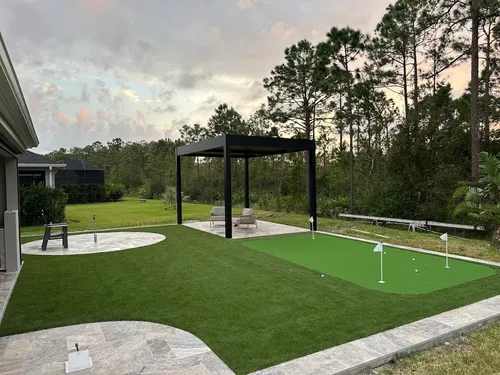
Citrus Landscape Solutions
1101 Central Park Dr, Sanford, FL 32771
Citrus Landscape Solutions is a full-service landscaping company based in Orlando, FL, specializing in Florida-friendly landscape design, sod installation, irrigation, hardscaping, outdoor lighting, and fencing. They serve residential and commercial clients across Central Florida, creating outdoor spaces that are both beautiful and functional, designed to thrive in the local climate. With over 500 projects completed, Citrus Landscape Solutions is known for craftsmanship and creative solutions, including complex installations like terracing and pond landscaping. The company emphasizes local expertise and quality materials to deliver lasting results.
Understanding Deltona's Landscape Environment
Successful landscape architecture in Deltona starts with a deep respect for the local climate and soil conditions. Ignoring these factors can lead to high water bills, plant loss, and constant maintenance struggles.
Climate Considerations: Deltona has a humid subtropical climate characterized by hot, humid summers with frequent afternoon thunderstorms and mild, drier winters. This cycle of intense rain followed by dry periods means your garden design must account for both water efficiency and proper drainage. Selecting plants that are either drought-tolerant once established or thrive in moist conditions is key. Furthermore, all materials used for hardscapes, decks, and structures must be able to withstand intense sun and high humidity without degrading quickly.
Soil Profile: The native soil in much of Central Florida, including Deltona, is predominantly sandy 1. While this offers excellent drainage-a crucial factor in preventing root rot-it also means the soil is nutrient-poor and retains moisture poorly 2. A foundational step in any landscaping project here is amending the soil with organic matter like compost. This improves fertility and water retention, giving your plants a much stronger start. The widespread use of mulch is not just for aesthetics; it is a critical practice for conserving soil moisture, suppressing weeds, and regulating soil temperature in our sandy earth.
Core Principles of Florida-Friendly Landscaping
The University of Florida's Florida-Friendly Landscaping™ (FFL) program provides nine essential principles that serve as the blueprint for sustainable outdoor design in our region. Integrating these concepts into your plan ensures your yard is beautiful, functional, and environmentally responsible.
- Right Plant, Right Place: This is the cornerstone. Group plants with similar needs for sun, water, and soil together. Place sun-loving plants in open areas and shade-tolerant species under tree canopies to reduce stress and maintenance.
- Water Efficiently: Design with water conservation in mind. This includes installing efficient irrigation zones, using rain sensors, and choosing plants that require minimal watering once established.
- Fertilize Appropriately: Over-fertilizing can pollute our groundwater. Soil tests can determine exactly what nutrients are needed, and using slow-release fertilizers minimizes runoff.
- Mulch: Maintain a 2-3 inch layer of mulch in planting beds to retain moisture, prevent erosion, and add organic matter to the soil as it decomposes.
- Attract Wildlife: Incorporate plants that provide food, water, and shelter for birds, butterflies, and beneficial insects, creating a vibrant, living landscape.
- Manage Yard Pests Responsibly: Encourage natural predators and spot-treat problems instead of broadcasting pesticides, which can harm beneficial organisms.
- Recycle Yard Waste: Grass clippings, leaves, and pruned branches can be composted to create nutrient-rich soil amendment, closing the loop in your garden.
- Reduce Stormwater Runoff: Use design features like rain gardens, swales, and permeable pavers to allow rainwater to soak into the ground rather than flow into storm drains.
- Protect the Waterfront: If your property is near a water body, maintaining a natural vegetative buffer is vital for filtering pollutants and protecting aquatic ecosystems.
Popular Design Styles and Layouts for Deltona Homes
Your property's layout should balance structured elements (hardscapes) with natural, soft planting beds, using design principles like unity, scale, and emphasis to create a cohesive look. Here are common applications for Deltona properties:
Front Yard & Curb Appeal Designs: The front yard sets the tone for your home. Welcoming entryways often feature symmetrical plantings, colorful annuals or perennials like lantana and azaleas, and architectural elements like urns or specimen trees 3. Pathway lighting not only adds safety but also highlights the landscape at night. A clean, mulched bed with defined edges instantly elevates curb appeal and demonstrates care.
Backyard & Outdoor Living Designs: For many, the backyard is the primary focus. The goal is to create an extension of your indoor living space. This can involve designing distinct "rooms" for different activities: a dining area on a paver patio, a lounging zone around a fire pit, and a quiet reading nook under a pergola 4. Integrating an outdoor kitchen with a grill, countertop, and seating bar makes entertaining seamless. The key is creating a flow that connects these spaces with attractive, functional walkways and plantings that provide privacy and beauty.
Modern & Low-Maintenance Designs: Clean lines, geometric shapes, and a restrained plant palette define modern landscape design. This often incorporates large areas of hardscaping with materials like concrete pavers or natural stone, accented with architectural plants such as succulents, grasses, and strategically placed palms. The ethos aligns perfectly with low-maintenance goals, focusing on simplicity and ease of care.
Natural & Eco-Focused Designs: For those looking to enhance local ecology, a naturalistic design incorporating a rain garden is an excellent choice. A rain garden is a shallow depression planted with native, water-loving species. It captures runoff from roofs or driveways, allowing it to percolate into the ground, which filters pollutants and recharges the aquifer-a perfect solution for managing our summer downpours 5. These gardens can become beautiful, dynamic focal points filled with blooming plants that attract pollinators.
Plant Selection for Deltona Landscapes
Choosing the right plants is the most impactful decision in your garden plan. Native and Florida-adapted plants are always the best choice, as they are evolved to thrive in our conditions with minimal input.
Trees and Shrubs for Structure:
- Palms (e.g., Sabal Palm): Iconic and low-maintenance, providing vertical interest.
- Southern Magnolia: A classic tree offering beautiful evergreen foliage and fragrant blooms.
- Crape Myrtle: A summer-blooming staple available in tree or shrub form, prized for its long-lasting color and exfoliating bark.
- Firebush (Hamelia patens): A fantastic native shrub that produces vibrant red-orange flowers year-round, attracting hummingbirds and butterflies.
- Azaleas: Provide spectacular spring color in partially shaded areas.
- Junipers: Useful as evergreen groundcovers or sculptural shrubs in sunny, well-drained spots.
Color, Texture, and Groundcovers:
- Lantana: A drought-tolerant champion that blooms in a riot of colors from spring to fall and is a butterfly magnet 6.
- Beautyberry (Callicarpa americana): A native shrub celebrated for its stunning clusters of vibrant purple berries in fall.
- Muhly Grass: A native ornamental grass that creates a breathtaking pink or white haze of blooms in the autumn 7.
- Swamp Sunflower (Helianthus angustifolius): A tall, native perennial that lights up the late summer and fall garden with bright yellow flowers.
Find the perfect landscape design companies for your needs
Get personalized recommendations and expert advice
Incorporating Functional and Aesthetic Features
Beyond plants, the built elements of your landscape design define its functionality and character.
Hardscaping: This includes non-living elements like patios, walkways, retaining walls, and decks. In Deltona, materials must withstand heat and humidity. Popular choices include concrete pavers, natural stone (like flagstone or travertine), and sealed concrete. Proper installation with a solid base is critical in sandy soil to prevent shifting and settling over time.
Water Management Features: Given our climate, managing water is a design priority. French drains and dry creek beds can be designed as attractive landscape features while channeling water away from foundations. Permeable pavers allow rainwater to seep through into the ground below, reducing runoff.
Lighting: Outdoor lighting extends the usability of your space into the evening and dramatically enhances safety and aesthetics. Use path lights to illuminate walkways, uplighting to highlight beautiful trees or architectural features, and soft ambient lighting in seating areas.
Focal Points: Every well-designed space has a focal point-an element that draws the eye and creates interest. This could be a specimen tree, a sculptural piece, a vibrant rain garden, or a beautiful water feature 8.
Understanding the Design Process and Investment
The scope and cost of a landscape design plan can vary widely, typically correlating with the complexity and size of the project. Some professionals offer tiered design services 9:
- Small Spaces (e.g., a front bed or patio garden): May involve a simple planting and layout plan.
- Medium Projects (e.g., a backyard living area with multiple planting beds): Often require more detailed plans including hardscape layouts, material specifications, and planting diagrams.
- Large or Luxury Projects (e.g., a whole-property transformation with pools, kitchens, and extensive grading): Involve comprehensive master plans, construction documents, and often ongoing consultation during the build phase. Investment for these full-scale designs and installations can reach into the thousands.
Working with a professional who understands Deltona's specific challenges ensures your vision is executed with expertise, from the initial concept through the selection of resilient materials and plants, resulting in an outdoor space that thrives for years to come.
Frequently asked questions
Sources
Footnotes
-
Analyze Your Town's Physical Landscape - University of Vermont - https://www.uvm.edu/place/analyze/physical.php ↩
-
Deltona, FL Lawn Care | 6,000+ 5-Star Reviews - https://www.getsunday.com/local-guide/lawn-care-in-deltona-fl ↩
-
Florida Home Landscaping Ideas for North Port - https://www.deltona.com/blog/2023/06/15/north-port-florida-home-landscaping-ideas/ ↩
-
Outdoor Living in Deltona: How to Turn Your Backyard Into a ... - https://thebestlandscapingfl.com/outdoor-living-in-deltona-how-to-turn-your-backyard-into-a-space-you-actually-use/ ↩
-
9 Principles - Florida-Friendly Landscaping™ Program - https://ffl.ifas.ufl.edu/about-ffl/9-principles/ ↩
-
7 Attractive Low-maintenance Florida Landscaping Ideas - https://www.lawnmoregainesville.com/blog/low-maintenance-florida-landscaping ↩
-
Florida's Top 10 Most Popular Landscape Plants - Lawn Love - https://lawnlove.com/blog/popular-landscape-plants-florida/ ↩
-
Principles of Landscape Design - Colorado Master Gardener - https://cmg.extension.colostate.edu/Gardennotes/413.pdf ↩
-
Landscape Design Deltona, FL - https://www.treeoflifelandscape.com/landscape-design/ ↩