Find the Best Landscape Design Companies for Your Business
No obligation • Fast responses • Nationwide coverage

Why you can trust Landscape Atlas
Landscape Atlas is a leading United States resource for evaluating landscaping, lawn care, and outdoor service providers. Our team researches each category in depth, focusing on service quality, safety, and customer experience. Listings and rankings are based on independent criteria and user feedback, and companies cannot pay to influence our assessments or recommendations.
Search providers near you
Top Landscape Design Companies in Palm Bay, Florida Ranked
Creating a beautiful and functional outdoor space in Palm Bay requires a thoughtful approach that works with the local environment, not against it. Landscape design here is more than just planting flowers; it's a strategic process of planning and creating an outdoor living area that thrives in Florida's subtropical climate, conserves vital resources, and enhances your quality of life. This guide will help you understand the core principles, popular plants, and design strategies used by professionals to build resilient, low-maintenance, and stunning yards in our unique coastal community.
R&Y Pavers and Landscaping, Inc.
Orlando, FL
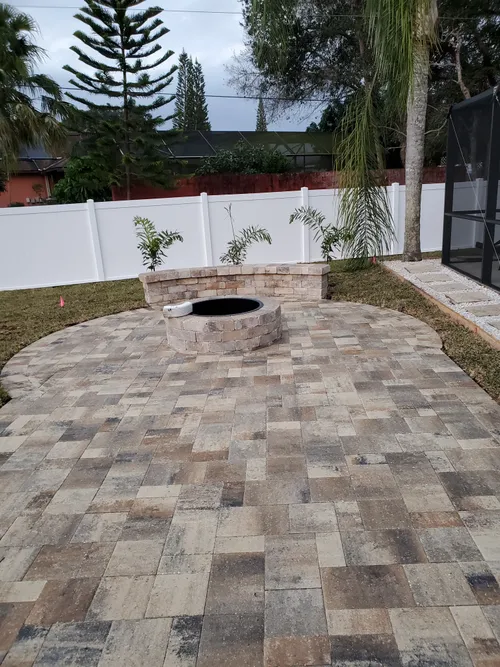
R&Y Pavers and Landscaping, Inc. is a licensed and insured landscaping and hardscaping company serving Orlando, FL, and a 50-mile radius from Cocoa, FL. With over fourteen years of experience, they offer services including paver installations, landscape design, sod installation, driveways, patios, walkways, and sealing. The company emphasizes eco-friendly practices and uses advanced equipment to enhance outdoor spaces for both residential and commercial clients.

Ski’s Lawn Care, LLC
Glendale, AZ
Ski's Lawn Care, LLC is a lawn care and landscaping company based in Glendale, AZ. They offer services including lawn mowing, edging, trimming, custom landscaping with flower beds and rock features, as well as hedge trimming for hedges, shrubs, bushes, and trees. Established in 1988, Ski's Lawn Care has over three decades of experience serving the local community with personalized lawn and landscape care.
Understanding Palm Bay's Landscape Environment
Successful landscape architecture in Palm Bay begins with a deep respect for the local conditions. Two primary factors dictate every design decision: the climate and the soil.
Subtropical Climate: Palm Bay experiences hot, humid summers and mild winters, with the potential for seasonal drought and intense afternoon thunderstorms. This climate demands plants that are exceptionally heat-tolerant and can handle periods of low rainfall. A well-planned landscape uses this climate to its advantage, creating shaded retreats and managing water flow effectively.
Sandy Soil: The native soil in much of Brevard County is sandy, which drains very quickly and is naturally low in nutrients. This presents a challenge for non-native plants that require constant watering and fertilization. The most sustainable and successful approach is to select plants that have evolved to thrive in these exact conditions, minimizing the need for constant amendment and irrigation.
Core Principles for Florida-Friendly Design
Professional landscape planning in Palm Bay is guided by the University of Florida's Florida-Friendly Landscaping™ (FFL) principles. These aren't just suggestions; they are a blueprint for creating a yard that is beautiful, functional, and environmentally responsible.
- Right Plant, Right Place: This is the cornerstone principle. It means grouping plants with similar water, light, and soil needs together and placing them in the yard where those conditions exist naturally. A sun-loving, drought-tolerant plant should never be placed in a shady, damp corner.
- Water Efficiently: Intelligent water management is essential. This involves using micro-irrigation like drip lines, watering early in the morning to reduce evaporation, and designing zones so thirsty plants aren't mixed with drought-tolerant ones. The goal is to reduce runoff and waste.
- Fertilize Appropriately: Over-fertilizing is a major source of pollution in Florida's waterways. Using slow-release fertilizers at the right time of year and primarily relying on native plants that need little to no supplemental feeding protects our Indian River Lagoon.
- Mulch: Maintaining a 2-3 inch layer of mulch in plant beds is critical. It conserves soil moisture, suppresses weeds, and as it breaks down, it slowly adds organic matter to improve sandy soil structure 1.
- Attract Wildlife: By incorporating native plants, you provide food and shelter for birds, butterflies, and beneficial insects, turning your yard into a small sanctuary for local ecology.
- Manage Yard Pests Responsibly: Encourage natural predators (like birds and lizards) and spot-treat problems rather than broadcasting pesticides, which can harm the beneficial ecosystem you're trying to build.
Design Elements & Plant Selection for Palm Bay
A cohesive landscape plan combines aesthetic principles with practical plant choices.
Aesthetic Principles:
- Unity & Balance: Create a cohesive look by repeating key plants, colors, or materials throughout the yard. The "Rule of Three"-grouping plants in odd numbers-is a simple trick designers use to create visual harmony and a natural feel 2 3.
- Simplicity: Avoid the temptation to plant one of everything. A simple palette of well-chosen, textured foliage and strategic color pops from flowering plants often creates a more powerful and manageable design than a chaotic mix 4.
Top Plant Choices for Palm Bay: Choosing plants adapted to our zone is the secret to a low-maintenance garden. Here are excellent choices for Palm Bay property landscaping:
- Trees & Shrubs: Sabal Palm (Florida's state tree), Firebush (attracts hummingbirds), Walter's Viburnum (excellent native hedge), Beautyberry (for stunning purple fall berries), and Simpson's Stopper (dense, bird-friendly) 5.
- Color & Groundcovers: Lantana (drought-tolerant and blooms year-round), Muhly Grass (for stunning pink fall plumes), Tortuga Juniper (a low, spreading evergreen), and Sunshine Mimosa (a tough, flowering groundcover) 6 7.
- Functional Plants: Use native grasses and shrubs to create low-maintenance zones in areas farther from the house. They require little water or care once established.
Creating Functional Outdoor Living Spaces
Modern landscape design in Palm Bay is about extending your living space outdoors. A good plan creates defined "rooms" or zones for different activities.
- Patios & Decks: The foundation of an outdoor living area. Materials like paver stones, stamped concrete, or composite decking hold up well to the climate.
- Outdoor Kitchens & Dining Areas: A popular feature for year-round enjoyment. Design these areas with convenient access to the house and consider using native plants for privacy screening and shade.
- Fire Pits & Seating Walls: Create a cozy gathering spot for our mild winter evenings. Seating walls built into retaining walls or planters add ample seating without cluttering the space.
- Shade Structures: Pergolas, arbors, or strategically placed trees are essential for providing relief from the Florida sun, making your patio usable throughout the day.
Find the perfect landscape design companies for your needs
Get personalized recommendations and expert advice
The Professional Design & Installation Process
Working with a professional on your garden design typically follows a structured process:
- Consultation & Site Analysis: The designer visits your property to understand your goals, budget, and the specific conditions of your site (sun patterns, soil, drainage).
- Conceptual & Master Planning: This phase involves creating sketches or concept boards that outline the layout, key features, and plant palette. It's where the vision comes together.
- Detailed Design & Blueprints: For complex projects, a formal landscape plan is drawn. This acts as the construction blueprint, specifying dimensions, materials, and exact plant locations.
- Implementation: A qualified installation team executes the plan, handling grading, hardscape construction, irrigation installation, and planting.
- Management Guidance: A good designer will provide you with a care guide for your new landscape to ensure it establishes successfully and remains healthy.
Understanding Investment & Value
The cost of landscape architecture varies widely based on the project's scope and materials. It's best to think of it as an investment in your property's value and your daily enjoyment.
- A basic refresh with new mulch, a few accent plants, and minor bed reshaping might range from $500 to $2,000.
- A mid-range project involving new planting beds, a small patio, and a defined pathway often falls between $3,000 and $10,000+.
- A comprehensive landscape and outdoor living project with a large patio, kitchen, fire feature, lighting, and full planting can range from $15,000 to $50,000 or more, depending on the materials and complexity of the features 8.
The ultimate value lies in creating a personalized, sustainable oasis that reduces water bills, requires less maintenance, and provides a beautiful backdrop for Florida living for years to come 9 10.
Frequently asked questions
Sources
Footnotes
-
Florida-Friendly Landscaping™ - Handbook for Home ... - https://www.capecoral.gov/Documents/Departments/Public%20Works/Environmental%20Resources/FFL-Handbook_03172022_web.pdf ↩
-
What are the 7 Principles of Landscape Design? - https://hearnlandscape.com/what-are-the-7-principles-of-landscape-design/ ↩
-
Design Made Easy: Use the Rule of Three - Costa Farms - https://costafarms.com/blogs/get-growing/design-made-easy-use-the-rule-of-three ↩
-
9 Principles - Florida-Friendly Landscaping™ Program - https://ffl.ifas.ufl.edu/about-ffl/9-principles/ ↩
-
Florida's Top 10 Most Popular Landscape Plants - Lawn Love - https://lawnlove.com/blog/popular-landscape-plants-florida/ ↩
-
23 Best Landscaping Plants for a Low-Maintenance Garden - https://www.provenwinners.com/learn/top-ten-lists/10-low-maintenance-plants-landscape ↩
-
FFL Guide to Plant Selection and Landscape Design - https://ffl.ifas.ufl.edu/media/fflifasufledu/docs/FFL-Plant-Guide_v030624_web.pdf ↩
-
A Guide to Florida-Friendly Landscaping - https://www.brevardfl.gov/docs/default-source/natural-resources/not-508-landscape-guides/florida-friendly-landscaping-handbook.pdf?sfvrsn=acc7fc9c_3 ↩
-
Residential 3D Landscape Design Florida by ShrubHub - https://www.shrubhub.com/florida-3d-landscape-design ↩
-
Landscape Design Plans: What Sets ASI Apart | ASI Blog - https://asilandscapemgt.com/landscape-design-plans-what-sets-asi-apart/ ↩