Find the Best Landscape Design Companies for Your Business
No obligation • Fast responses • Nationwide coverage

Why you can trust Landscape Atlas
Landscape Atlas is a leading United States resource for evaluating landscaping, lawn care, and outdoor service providers. Our team researches each category in depth, focusing on service quality, safety, and customer experience. Listings and rankings are based on independent criteria and user feedback, and companies cannot pay to influence our assessments or recommendations.
Search providers near you
Top Landscape Design Companies in Sanford, Florida Ranked
Creating a beautiful and functional outdoor space in Sanford requires a thoughtful approach that works with, not against, the local environment. Landscape design is the art and science of planning and arranging living plants, hard structures, and open spaces to enhance the beauty, usability, and value of your property. In a climate like Central Florida's, a well-executed design is crucial for establishing a low-maintenance, sustainable, and visually appealing yard that thrives for years. This guide will help you understand the key principles, popular elements, and considerations for planning your Sanford landscape, connecting you with the local expertise needed to bring your vision to life.
DEANGELOS LAND SERVICES
Orlando, FL
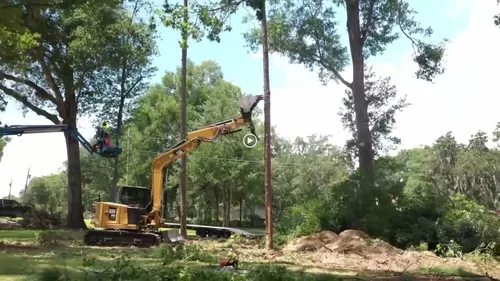
DEANGELOS LAND SERVICES is a comprehensive land and tree service provider based in Orlando, FL, serving Central Florida including Lake Mary and surrounding areas. They offer a wide range of services such as tree removal, land clearing, drainage solutions, tree trimming, excavation, and emergency tree removal with 24/7 availability. The company also specializes in arborist services, storm damage cleanup, landscape design, hardscaping, sod installation, and irrigation system installation. With over 8 years of experience, DEANGELOS LAND SERVICES is licensed and insured, focusing on safety, efficiency, and personalized care to maintain and enhance outdoor spaces.
Snyder's Landscapes
Orlando, FL
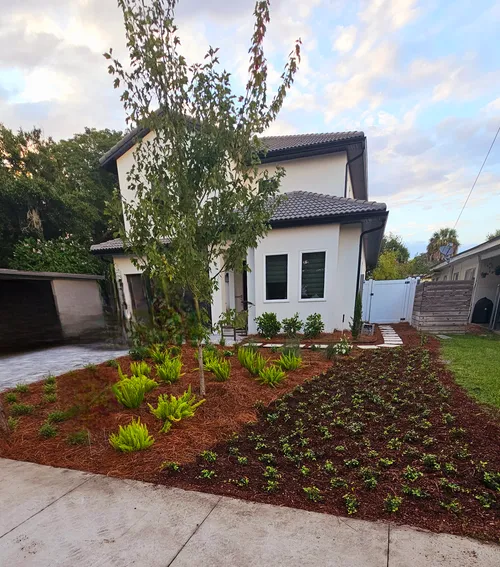
Snyder's Landscapes is a landscaping company based in Orlando, FL, with nearly 20 years of experience in landscape design and installation. They offer a range of services including sod installation, artificial turf, fence installation, landscape lighting, tree services, and hardscaping such as pavers and retaining walls. The company is known for creating professional lighting systems and comprehensive landscape plans that enhance outdoor spaces. Their work includes mulch beds, brick edging, and pool patios, reflecting a broad capability in both soft and hard landscaping elements.
Gabe Home & Outdoor Services
Orlando, FL
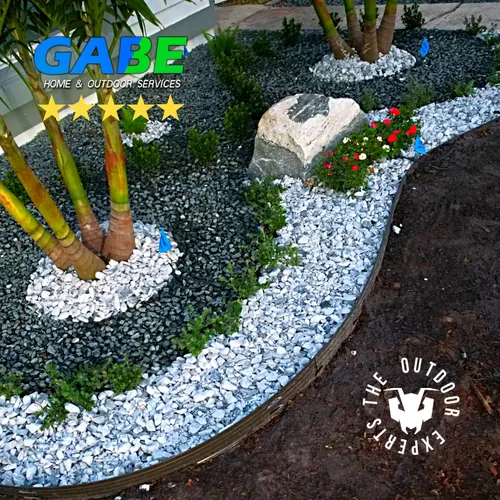
Gabe Home & Outdoor Services is a landscaping and irrigation company based in Orlando, FL, serving the Winter Garden area. They offer a wide range of outdoor services including landscaping design and installation, irrigation system repairs and installations, French drainage solutions, artificial turf and sod installation, tree trimming, and hardscaping with brick pavers. Their expertise includes custom storm drainage systems designed to prevent yard flooding using precise technology for proper slope and water flow. With years of hands-on experience and continuous training, they have built a strong reputation in the community and provide all services fully licensed and insured.
Quik Care Services Inc
247 Park Ave, Longwood, FL 32750
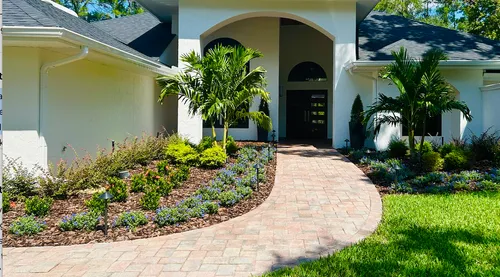
Quik Care Services Inc is a family-owned landscaping company based in Orlando, FL. They offer landscape design, sprinkler installation and repair, and irrigation services. The company serves Lake Mary, Longwood, Sanford, and the Tri-County area, combining personalized service with the resources of a larger enterprise.
H2O Experts Irrigation & Drainage
Orlando, FL
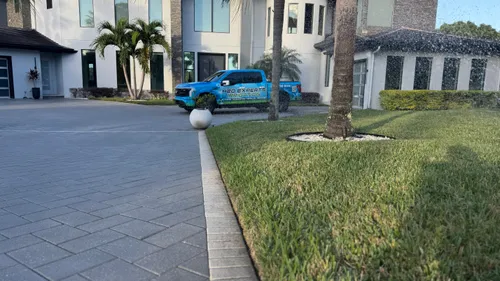
H2O Experts Irrigation & Drainage is a landscape and irrigation company serving Orlando, FL. They provide sprinkler installation, repair, and maintenance, as well as landscape lighting and yard drainage services. The company designs irrigation systems to maximize efficiency and coverage for lawns and gardens. H2O Experts operates in Central and Southwest Florida, including Lake Mary, Winter Springs, and Sarasota. They offer maintenance contracts with flexible schedules to help prevent irrigation problems and emergencies.
Understanding Sanford's Landscape Environment
Successful garden design in Sanford starts with a deep understanding of the local growing conditions. Ignoring these factors can lead to a constant battle with nature, resulting in high water bills, struggling plants, and excessive maintenance.
Climate: Sanford is in USDA Hardiness Zone 9b/10a, characterized by a hot, humid subtropical climate. This means long, sweltering summers with frequent afternoon thunderstorms and mild, generally frost-free winters. The intense sun and high humidity create a unique environment where plant selection is paramount.
Soil: The native soil in the area is often sandy or contains heavy clay. Sandy soil drains very quickly, leaching water and nutrients away from plant roots. Clay soil, on the other hand, holds water and can become compacted, suffocating roots. Most successful landscape plans in Sanford involve amending the soil with organic matter to improve its structure, water retention, and nutrient content.
Core Principles of Florida-Friendly Design
The most effective and sustainable approach to residential landscaping in Sanford is built on the 9 Principles of Florida-Friendly Landscaping™ (FFL) developed by the University of Florida IFAS Extension. This framework is specifically designed for Florida's ecosystems.
- Right Plant, Right Place: This is the cornerstone principle. It means grouping plants with similar needs for sunlight, water, and soil, and placing them in the yard where those conditions exist naturally 1. A sun-loving plant will struggle in shade, and a drought-tolerant native will rot in a constantly wet area.
- Water Efficiently: A smart design incorporates water conservation from the start. This includes zoning plants by their water needs, using efficient irrigation systems (like drip lines or micro-spray jets) targeted at root zones, and calibrating systems to avoid runoff.
- Fertilize Appropriately: Over-fertilizing is a common mistake that can pollute local waterways. The FFL approach emphasizes using slow-release fertilizers only when needed and based on soil tests.
- Mulch: Maintaining a 2-3 inch layer of mulch in planting beds is essential. It conserves soil moisture, suppresses weeds, moderates soil temperature, and adds organic matter as it decomposes 2 3.
- Attract Wildlife: By incorporating native plants that provide food (nectar, seeds, berries) and shelter, you can design a yard that supports butterflies, birds, and beneficial insects.
- Manage Yard Pests Responsibly: Encourage natural predators and practice Integrated Pest Management (IPM) by scouting for problems regularly and using the least toxic control method first.
- Recycle Yard Waste: Grass clippings, leaves, and small branches can be composted on-site to create nutrient-rich mulch, closing the loop in your garden.
- Reduce Stormwater Runoff: This is a critical design element. Using permeable paving, creating swales, and installing rain gardens with native wetland plants (like Muhly Grass or Swamp Sunflower) can capture and filter rainwater on your property, reducing erosion and pollution.
- Protect the Waterfront: If your property is near a lake or river, creating a maintained "buffer zone" of native plants helps filter pollutants before they enter the water.
Key Elements of a Sanford Landscape Plan
A comprehensive outdoor design integrates both softscape (living elements) and hardscape (built elements) to create defined, usable spaces.
Softscape & Planting Design:
- Layering: Effective planting design uses vertical layers. Tall trees provide shade and structure, mid-level shrubs add mass and seasonal color, and groundcovers or mulch create a finished base that suppresses weeds 4.
- Texture and Form: Contrasting plant textures (fine, coarse, grassy) and forms (weeping, upright, mounding) create visual interest even without flowers 5.
- The Rule of Three: For a cohesive look, designers often use repetition. Planting the same type of shrub or ornamental grass in groups of three, five, or seven can unify a space and make it feel intentional 6.
- Focal Points: Use a striking specimen plant, a piece of garden art, or a architectural element to draw the eye and create a center of interest.
Functional Zones & Hardscaping: A great plan divides the yard into purposeful areas.
- Living/Dining Areas: Patios, decks, or paver courtyards create essential spaces for relaxation and entertainment 7. These are often extended with features like outdoor kitchens or fire pits.
- Pathways: Clearly defined paths made of pavers, gravel, or stepping stones guide movement through the garden and protect your lawn.
- Utility & Play Areas: Designate space for compost bins, tool storage, or a children's play set, screening them with attractive plantings if desired.
Find the perfect landscape design companies for your needs
Get personalized recommendations and expert advice
Popular Design Styles & Themes for Sanford Homes
While personal taste dictates style, certain themes work exceptionally well with Florida's environment.
- Florida-Friendly Native Garden: Focuses predominantly on plants native to Central Florida. This style is incredibly low-maintenance once established, supports local ecosystems, and naturally handles heat and rainfall. Think Coontie palms, Simpson's stopper, beautyberry, and native grasses.
- Tropical Oasis: Utilizes bold foliage plants like bananas, elephant ears, philodendrons, and palms to create a lush, resort-like feel. This style often incorporates water features and requires careful attention to microclimates and shelter from wind.
- Modern & Minimalist: Features clean lines, geometric planting beds, a restrained plant palette (often using grasses and structural shrubs like dwarf yaupon holly), and sleek hardscape materials like large-format concrete pavers.
- Cottage Garden: A more relaxed, colorful style with mixed flowering perennials and annuals. In Sanford, this style succeeds best when plants are chosen for heat tolerance and grouped by water needs.
The Investment: Understanding Scope & Cost
The cost of landscape design and installation in Sanford varies dramatically based on the project's scope, materials, and plant sizes. It's helpful to think in terms of investment levels 8:
- Basic Refresh ($500 - $2,000): Often involves a consultation and plan, followed by refreshing mulch beds, adding a few groundcovers and small shrubs, and pruning existing plants.
- Mid-Range Project ($2,000 - $10,000): Could include a new planting bed with small trees and layered shrubs, a small patio or walkway, a basic irrigation zone for new plantings, and soil amendment.
- High-End Transformation ($10,000+): Encompasses large-scale changes like extensive paver patios, outdoor kitchens, retaining walls, full-yard irrigation systems, installation of mature specimen trees, and comprehensive, detailed planting throughout the property.
Frequently asked questions
Sources
Footnotes
-
ENH1112/EP375: Landscape Design: Ten Important Things to Consider - https://edis.ifas.ufl.edu/publication/EP375 ↩
-
FFL Guide to Plant Selection and Landscape Design - https://ffl.ifas.ufl.edu/media/fflifasufledu/docs/FFL-Plant-Guide_v030624_web.pdf ↩
-
9 Principles - Florida-Friendly Landscaping™ Program - https://ffl.ifas.ufl.edu/about-ffl/9-principles/ ↩
-
7 Attractive Low-maintenance Florida Landscaping Ideas - https://www.lawnmoregainesville.com/blog/low-maintenance-florida-landscaping ↩
-
Elements of a Landscape Design - Oklahoma State University Extension - https://extension.okstate.edu/announcements/grow-gardening-columns/august-27-2023.html ↩
-
Design Made Easy: Use the Rule of Three - Costa Farms - https://costafarms.com/blogs/get-growing/design-made-easy-use-the-rule-of-three ↩
-
Florida-Friendly Landscaping™ - Handbook for Home ... - https://www.capecoral.gov/Documents/Departments/Public%20Works/Environmental%20Resources/FFL-Handbook_03172022_web.pdf ↩
-
BLG Landscape Design in Sanford, Florida - https://blgenvironmental.com/landscape-design-sanford/ ↩