Find the Best Landscape Design Companies for Your Business
No obligation • Fast responses • Nationwide coverage

Why you can trust Landscape Atlas
Landscape Atlas is a leading United States resource for evaluating landscaping, lawn care, and outdoor service providers. Our team researches each category in depth, focusing on service quality, safety, and customer experience. Listings and rankings are based on independent criteria and user feedback, and companies cannot pay to influence our assessments or recommendations.
Search providers near you
Top Landscape Design Companies in Winter Garden, Florida Ranked
Creating a beautiful and functional outdoor space in Winter Garden is about more than just planting a few shrubs. It's about crafting a living environment that thrives in our unique subtropical climate, conserves precious water, and enhances your enjoyment of your home. Professional landscape design provides a cohesive plan that addresses aesthetics, functionality, and long-term sustainability. This guide will help you understand the key considerations for your Winter Garden property and how to connect with local experts who can bring your vision to life.
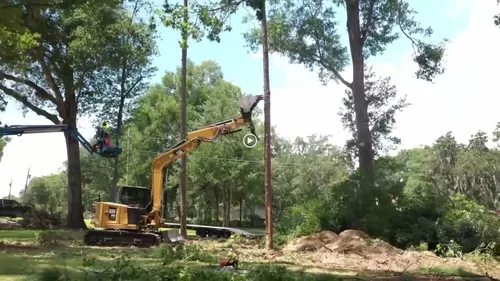
DEANGELOS LAND SERVICES
Orlando, FL
DEANGELOS LAND SERVICES is a comprehensive land and tree service provider based in Orlando, FL, serving Central Florida including Lake Mary and surrounding areas. They offer a wide range of services such as tree removal, land clearing, drainage solutions, tree trimming, excavation, and emergency tree removal with 24/7 availability. The company also specializes in arborist services, storm damage cleanup, landscape design, hardscaping, sod installation, and irrigation system installation. With over 8 years of experience, DEANGELOS LAND SERVICES is licensed and insured, focusing on safety, efficiency, and personalized care to maintain and enhance outdoor spaces.
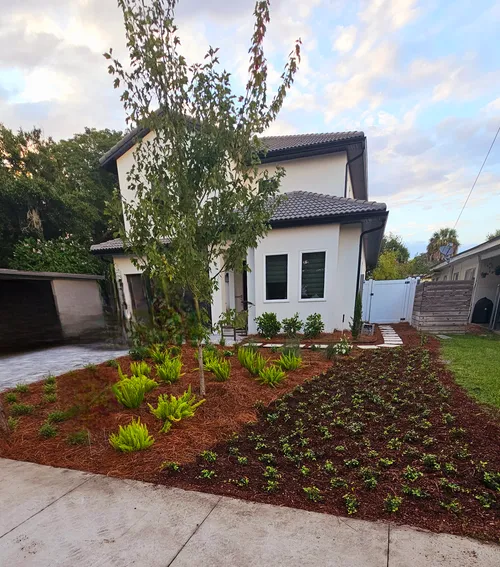
Snyder's Landscapes
Orlando, FL
Snyder's Landscapes is a landscaping company based in Orlando, FL, with nearly 20 years of experience in landscape design and installation. They offer a range of services including sod installation, artificial turf, fence installation, landscape lighting, tree services, and hardscaping such as pavers and retaining walls. The company is known for creating professional lighting systems and comprehensive landscape plans that enhance outdoor spaces. Their work includes mulch beds, brick edging, and pool patios, reflecting a broad capability in both soft and hard landscaping elements.
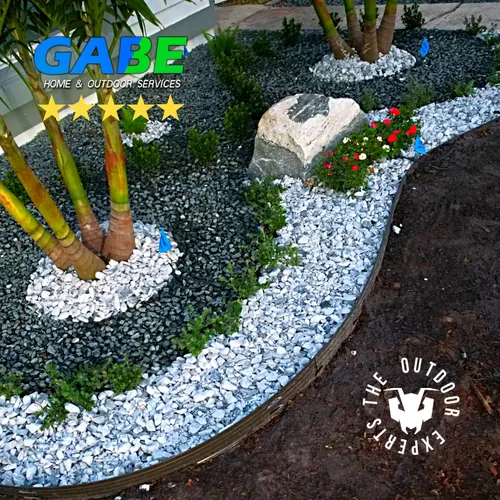
Gabe Home & Outdoor Services
Orlando, FL
Gabe Home & Outdoor Services is a landscaping and irrigation company based in Orlando, FL, serving the Winter Garden area. They offer a wide range of outdoor services including landscaping design and installation, irrigation system repairs and installations, French drainage solutions, artificial turf and sod installation, tree trimming, and hardscaping with brick pavers. Their expertise includes custom storm drainage systems designed to prevent yard flooding using precise technology for proper slope and water flow. With years of hands-on experience and continuous training, they have built a strong reputation in the community and provide all services fully licensed and insured.
Quik Care Services Inc
247 Park Ave, Longwood, FL 32750
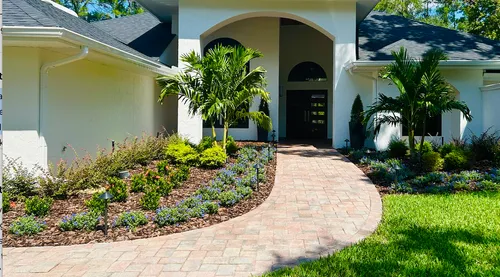
Quik Care Services Inc is a family-owned landscaping company based in Orlando, FL. They offer landscape design, sprinkler installation and repair, and irrigation services. The company serves Lake Mary, Longwood, Sanford, and the Tri-County area, combining personalized service with the resources of a larger enterprise.
H2O Experts Irrigation & Drainage
Orlando, FL
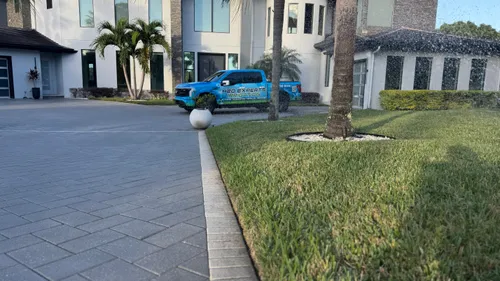
H2O Experts Irrigation & Drainage is a landscape and irrigation company serving Orlando, FL. They provide sprinkler installation, repair, and maintenance, as well as landscape lighting and yard drainage services. The company designs irrigation systems to maximize efficiency and coverage for lawns and gardens. H2O Experts operates in Central and Southwest Florida, including Lake Mary, Winter Springs, and Sarasota. They offer maintenance contracts with flexible schedules to help prevent irrigation problems and emergencies.
Understanding Winter Garden's Unique Environment
Successful landscape architecture in Central Florida begins with a deep respect for the local conditions. Winter Garden features a warm, subtropical climate with hot, humid summers and mild winters, punctuated by distinct wet and dry seasons. This cycle demands a strategic approach to plant selection and irrigation. Furthermore, the native soil is often sandy, which drains quickly and can struggle to retain moisture and nutrients 1. A well-conceived landscape plan turns these potential challenges into advantages by selecting plants adapted to these very conditions and incorporating design elements that work with the natural environment, not against it.
The Foundation: Florida-Friendly Landscaping™ Principles
The most effective landscape design strategies for Winter Garden are built upon the Florida-Friendly Landscaping™ (FFL) principles developed by the University of Florida IFAS Extension. This isn't just a style; it's a science-based framework for creating gorgeous, resilient yards that require less water, fewer fertilizers and pesticides, and less overall maintenance. Key principles that directly influence design include:
- Right Plant, Right Place: This is the cornerstone. It means grouping plants with similar water, light, and soil needs together and selecting species proven to thrive in our Zone 9b climate without excessive inputs.
- Water Efficiently: A smart design incorporates hydrozoning-grouping thirsty plants in limited areas and using drought-tolerant natives elsewhere. It also plans for efficient irrigation systems like drip lines or micro-sprays.
- Mulch: Maintaining 2-3 inches of mulch in planting beds is a critical design and maintenance specification. It conserves soil moisture, suppresses weeds, and moderates soil temperature2.
- Attract Wildlife: Your yard can be a habitat. Designs often include native plants that provide food and shelter for butterflies, birds, and beneficial insects, adding life and movement to your garden.
Key Elements of a Winter Garden Landscape Plan
A comprehensive outdoor design weaves together softscapes (the living elements) and hardscapes (the built elements) to create usable, enjoyable spaces.
Softscaping: Choosing the Right Plants
Plant selection is where your personal style meets ecological sense. The goal is to create year-round interest with plants that are both beautiful and tough.
- Native & Adapted Stars: Incorporate Florida-native plants that are already perfectly suited to the heat, humidity, and soil. Excellent choices include Firebush (Hamelia patens) for vibrant red flowers that attract hummingbirds, Beautyberry (Callicarpa americana) for its stunning purple fall berries, and Simpson's Stopper (Myrcianthes fragrans) for dense evergreen foliage and fragrant flowers. Palms, like the native Sabal palm, provide iconic structure.
- Color and Texture: For reliable color, consider perennials like Lantana and Bulbine, which bloom profusely with minimal care. Ornamental grasses, such as Muhly grass, add stunning texture and movement, especially when they bloom with pink or purple haze in the fall3.
- Feature Gardens: Dedicated areas can become focal points. A butterfly garden with nectar and host plants (like Milkweed) creates a lively spectacle. A rain garden-a shallow, planted depression-is a beautiful solution for managing stormwater runoff naturally.
Hardscaping: Defining Your Outdoor Rooms
Hardscapes provide the structure and functionality of your outdoor living area. They define spaces, manage drainage, and create areas for relaxation and entertainment.
- Patios & Pathways: Materials like permeable pavers, natural stone, or concrete create durable surfaces for dining and lounging. Pathways guide movement through the garden and can be made from gravel, flagstone, or stepping stones.
- Vertical Interest & Function: Retaining walls solve sloped yard challenges, creating terraced planting beds or level areas for use. They can be built from segmental blocks, natural stone, or even wood in certain applications.
- Outdoor Living Features: To fully extend your home's livable space, designs often incorporate built-in fire pits or outdoor fireplaces for cool evenings, outdoor kitchens for entertaining, and lighting systems to enhance safety and ambiance after dark.
Find the perfect landscape design companies for your needs
Get personalized recommendations and expert advice
Design Styles Suited for Winter Garden
While your personal taste should lead, certain design aesthetics align particularly well with the local environment.
- Florida Naturalistic: This style emphasizes the casual, lush beauty of Florida's ecosystems. It uses sweeping masses of native plants, informal pathways, and a focus on attracting wildlife. It often appears less "manicured" and more integrated with the surrounding environment.
- Tropical Oasis: Leveraging the climate, this style features bold foliage plants (like Elephant Ears, Gingers, and Philodendrons), a canopy of palms, and vibrant flowering plants to create a resort-like feel in your own backyard.
- Modern & Low-Maintenance: Clean lines, geometric planting beds, a restrained plant palette (often featuring grasses and structural shrubs), and large areas of hardscape or mulch define this style. It prioritizes ease of care and a sleek, organized appearance.
Planning and Investment Considerations
Embarking on a landscape design project requires thoughtful planning and a clear understanding of potential investments. Costs can vary widely based on the complexity, materials, and size of your project.
- Softscaping Installation: Basic planting costs are often itemized. Small shrubs may range from $15-$50 per plant, while larger specimen plants like mature palms can be $50-$300 or more each. Preparing beds with soil amendments and mulch can add hundreds to thousands of dollars for larger properties.
- Hardscaping Projects: This is typically a significant portion of the budget. A basic paver patio might start in the range of $10-$25 per square foot installed, but this can increase with complex patterns, premium materials, or intricate designs like outdoor kitchens.
- Professional Design & Installation: For a complete, turn-key project from concept to completion, investment often ranges from several thousand dollars for a focused front yard renovation to $10,000s or more for comprehensive backyard transformations with extensive hardscaping and mature plantings4. A professional design plan alone is a valuable upfront investment that provides a detailed roadmap, potentially saving money on missteps later.
The most sustainable and cost-effective approach in the long term is to invest in a good design and quality installation from the start, focusing on resilient plants and durable materials suited for the Florida climate5 6.
Working with a Landscape Design Professional
A skilled landscape designer or architect acts as your guide and translator, converting your ideas and property's potential into a buildable, beautiful plan. They bring expertise in horticulture, construction, and aesthetics specific to Winter Garden. When consulting with a professional, come prepared with your wish list, budget range, and photos of styles you like. They will assess your site's sun patterns, soil, drainage, and existing structures to create a custom plan that maximizes your property's potential while adhering to Florida-Friendly principles for a stunning, resilient outcome7 8.
Frequently asked questions
Sources
Footnotes
-
A Guide to Florida-Friendly Landscaping - https://www.sfwmd.gov/sites/default/files/documents/fflguidingprinciples.pdf ↩
-
10 Tips from the Pros: Preparing Your Garden for Winter - https://mortonarb.org/blog/10-tips-from-the-pros-to-prepare-your-garden-for-winter/ ↩
-
12 Landscaping Ideas You Should Try Right Now for Color All Winter Long - https://www.thespruce.com/winter-landscaping-ideas-8730696 ↩
-
Florida's Top 10 Most Popular Landscape Plants - Lawn Love - https://lawnlove.com/blog/popular-landscape-plants-florida/ ↩
-
3 Best Landscaping Tips for Winter Garden, FL - https://thelawnmen.com/3-best-landscaping-tips-for-winter-garden-fl/ ↩
-
9 Principles - Florida-Friendly Landscaping™ Program - https://ffl.ifas.ufl.edu/about-ffl/9-principles/ ↩
-
FFL Guide to Plant Selection and Landscape Design - https://ffl.ifas.ufl.edu/media/fflifasufledu/docs/FFL-Plant-Guide_v030624_web.pdf ↩
-
What are the 7 Principles of Landscape Design? - https://hearnlandscape.com/what-are-the-7-principles-of-landscape-design/ ↩