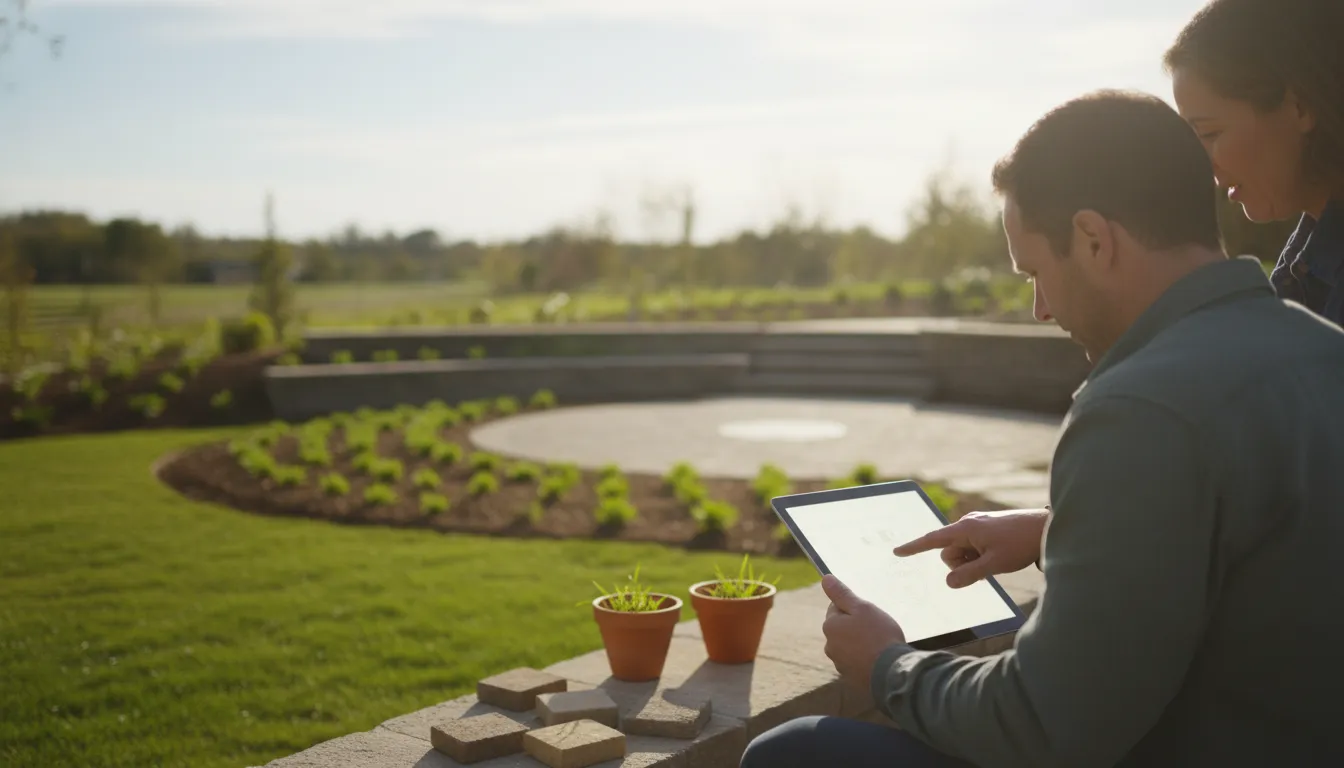
Find the Best Landscape Design Companies for Your Business
No obligation • Fast responses • Nationwide coverage

Why you can trust Landscape Atlas
Landscape Atlas is a leading United States resource for evaluating landscaping, lawn care, and outdoor service providers. Our team researches each category in depth, focusing on service quality, safety, and customer experience. Listings and rankings are based on independent criteria and user feedback, and companies cannot pay to influence our assessments or recommendations.
Search providers near you
Top Landscape Design Companies in Pearl City, Hawaii Ranked
Creating a beautiful and functional outdoor space in Pearl City is about more than just planting a few flowers. It's about crafting a personal retreat that harmonizes with Hawaii's unique tropical climate and embraces the cherished indoor-outdoor lifestyle. Landscape design here is the thoughtful art of planning your yard to be both an extension of your home and a resilient, low-maintenance ecosystem. Whether you're looking to refresh a lanai, install a new garden, or completely reimagine your property, understanding local styles, plant choices, and planning considerations is the first step toward transforming your vision into reality.
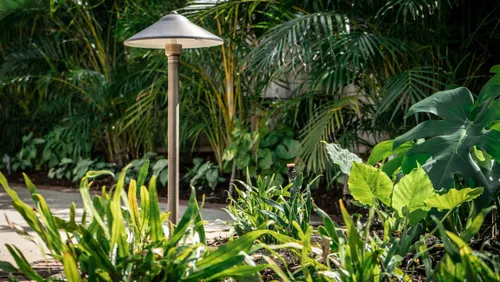
Hapa Landscaping
3514 Waialae Ave, Honolulu, HI 96816
Hapa Landscaping is a landscaping company based in Honolulu, HI, offering lawn mowing, lawn care, landscape design, tree removal, and stump grinding services. They provide full maintenance and landscaping design for residential and neighborhood properties, with a focus on environmental management to protect Hawaii's native ecosystem. The company emphasizes craftsmanship and care in their work, tending to lawns, flowers, and trees with attention to detail. Hapa Landscaping also offers computer renderings for landscape transformations to help clients visualize their projects.
Oceanic Landscaping
4348 Waialae Ave #562, Honolulu, HI 96816
Oceanic Landscaping is a full-service landscaping company based in Honolulu, HI, serving communities throughout Oahu including Ala Moana, Waikiki, Manoa, and Kailua. They offer a wide range of services such as lawn care, tree trimming, landscape design, hardscaping, and outdoor lighting installation. Their team specializes in creating functional and aesthetically pleasing outdoor spaces, including features like outdoor kitchens and fire pits, tailored to enhance clients' lifestyles. Oceanic Landscaping is committed to protecting Hawaii's native ecosystem while maintaining beautiful, well-kept landscapes year-round.
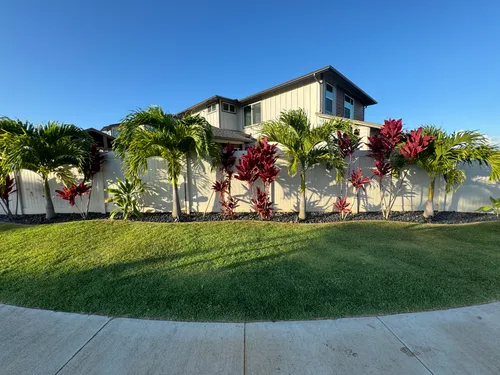
Only Yards
Honolulu, HI
Only Yards is a veteran-owned landscaping company based in Honolulu, HI, offering comprehensive lawn care and landscape design services. They serve a wide range of clients across Oahu, including residential properties, commercial businesses, and military communities. Their team focuses on dependable service and quality craftsmanship, handling everything from lawn mowing and garden design to ongoing maintenance. Only Yards is known for bringing discipline and attention to detail to each project, reflecting their military background. They cover many areas on the island, including Waikīkī, Kailua, Kapolei, and Haleʻiwa.
Rooted Landscaping Oahu
Honolulu, HI
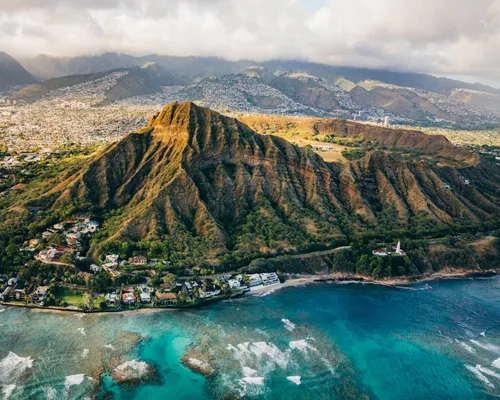
Rooted Landscaping Oahu is a family-owned landscaping company based in Honolulu, HI, specializing in personalized, high-end tropical landscape design and lawn care. They provide custom lawn maintenance and tropical garden designs tailored to the unique beauty of Oahu, ensuring vibrant and healthy outdoor spaces year-round. With over a decade of experience, Rooted Landscaping offers expert care focused on enhancing the island's natural environment.
Malama 'Aina Landscape & Masonary Design
Honolulu, HI
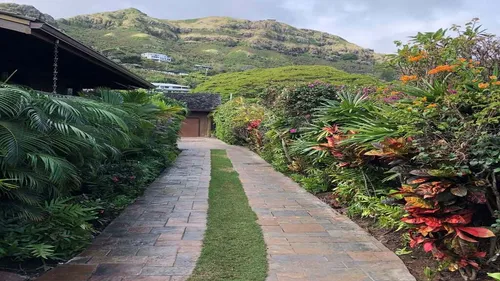
Malama 'Aina Landscape & Masonry Design is a landscaping and hardscaping company based in Honolulu, HI. They offer landscape design, masonry work, and hardscaping services such as pavers and retaining walls. The company emphasizes respect and care for the land, reflecting their family history and commitment to the community. Their approach focuses on detailed, quality work and supporting like-minded local organizations.
Embracing Pearl City's Tropical Environment
A successful outdoor plan begins by working with, not against, the local environment. Pearl City enjoys a warm, tropical climate year-round with distinct wet (winter) and dry (summer) seasons. This pattern dictates smart plant selection and layout. The goal is to create a yard that thrives with minimal intervention, conserving water during drier periods while managing excess moisture during rains.
The soil in the area can vary but often has volcanic origins. While fertile, it may require amendments to optimize drainage and water retention for plant health. A foundational principle of local yard planning is integrating excellent drainage solutions to protect your investment and prevent issues during heavy rainfall.
Key Climate Considerations for Your Plan:
- Plant Resilience: Prioritize native Hawaiian and drought-tolerant species that are adapted to the local wet-dry cycles.
- Water Management: Design includes grading, swales, or permeable surfaces to handle heavy rain.
- Sun & Shade Mapping: Understanding sun exposure across your property throughout the day informs placement for patios, gardens, and shade structures.
The Heart of Hawaiian Outdoor Living: The Lanai
Central to any residential exterior design in Pearl City is the lanai-a covered patio that serves as the primary bridge between indoor comfort and outdoor beauty. More than just a deck, the lanai is a versatile living space for dining, relaxing, and entertaining, taking full advantage of Hawaii's pleasant weather. A cohesive design seamlessly connects the home's architecture to this outdoor room and the garden beyond.
Modern landscape architecture often focuses on enhancing this connection. This can mean extending the lanai with complementary hardscaping like paver patios, creating smooth transitions with matching flooring materials, or using strategic plantings to frame views and provide privacy.
Popular Elements for Outdoor Rooms:
- Shade Structures: Beyond the lanai roof, pergolas, shade sails, or large canopy trees create comfortable areas around the yard.
- Hardscaping: Durable materials like natural stone or concrete pavers define seating and dining areas.
- Ambiance: Fire pits for cooler evenings and integrated landscape lighting to extend usability into the night are highly sought-after features.
- Functional Additions: Outdoor kitchens, built-in seating, and water features transform the space into a true outdoor retreat.
Designing with Native Hawaiian Plants
The plant palette you choose defines the character and maintenance level of your garden. Incorporating native Hawaiian plants is not only an aesthetic choice that provides vibrant local flavor but also a practical one. Plants like hibiscus, ti leaf (Cordyline fruticosa), and various ferns are naturally adapted to the climate, generally requiring less water, fewer fertilizers, and being more resistant to local pests than non-native species 1.
A thoughtful planting design layers these species to create texture, color, and habitat. It balances the lush, tropical feel with long-term sustainability. Replacing high-maintenance lawn areas with native groundcovers or ornamental grasses is a common and effective strategy for reducing water use and upkeep.
Typical Plant Investment Ranges:
- Shrubs & Ornamentals: $25 - $150 each
- Medium Trees (e.g., smaller canopy or fruit trees): $200 - $800 each
- Large Specimen Trees: $1,000 - $5,000+ each
Find the perfect landscape design companies for your needs
Get personalized recommendations and expert advice
Understanding Investment and Planning Costs
Embarking on an outdoor transformation is an investment in your property and quality of life. Costs can vary widely based on the scope, materials, and complexity of the design. Having a clear plan is the best way to establish a realistic budget and ensure your project progresses smoothly.
The planning phase itself is a critical first investment. Many professionals offer an initial consultation for $150 to $300 to discuss ideas and assess your site. For a comprehensive master plan-a detailed blueprint showing layout, planting, and materials-costs typically range from $500 to $2,000 or more, depending on the property size and plan detail. This plan becomes an invaluable tool for phasing the project or for obtaining accurate bids from installation specialists.
Breakdown of Common Installation Costs:
- Lawn Installation: Sod installation ranges from $2 to $4 per square foot, while seeding is a more budget-friendly option at $1 to $2 per square foot.
- Garden Beds: Creating a new planted garden bed, including soil preparation, plants, and mulch, generally costs between $15 and $25 per square foot 2.
- Hardscaping & Features: Costs for patios, walkways, walls, and water features are highly variable and depend on the materials (e.g., concrete vs. natural flagstone) and complexity of the construction.
A typical Pearl City project might involve a balanced approach: converting some lawn to native plantings, adding a shade tree for comfort, expanding the living space with a hardscaped patio adjacent to the lanai, and incorporating tropical shrubs for color and privacy 3. This balances upfront costs with long-term value through reduced maintenance and increased enjoyment.
Creating a Cohesive and Functional Master Plan
The ultimate goal of professional site planning is to create a cohesive, functional, and beautiful outdoor environment tailored to your lifestyle. It starts with a clear vision. Do you need a safe play area for children, a serene garden for relaxation, or an expansive entertainment space? Communicating these needs is key.
A holistic design considers circulation (how people move through the space), focal points (like a specimen tree or water feature), and year-round interest. It also addresses practicalities like irrigation zones, lighting circuits, and storage. By thinking through these elements on paper first, you can avoid costly changes during installation and ensure every part of your yard has a purpose.
Remember, a great design is also phased. You can prioritize elements-tackling drainage and key trees first, then adding the patio and finer plantings later-to align with your budget over time. The master plan serves as your roadmap, keeping the final vision intact no matter how you choose to proceed.
Frequently asked questions
Sources
Footnotes
-
The Ingredients for A Winning Landscape Design - https://ultimateinnovations.com/winning-landscape-design/ ↩
-
Cost Breakdown of Landscaping Services in Honolulu - https://oceaniclandscaping.com/cost-breakdown-of-landscaping-services-in-honolulu/ ↩
-
HOLISTIC RENOVATION OF SINGLE-FAMILY HOMES IN ... - https://scholarspace.manoa.hawaii.edu/server/api/core/bitstreams/3a1a99a9-dc4e-44e6-8a31-9f609348c67d/content ↩