Find the Best Landscape Design Companies for Your Business
No obligation • Fast responses • Nationwide coverage

Why you can trust Landscape Atlas
Landscape Atlas is a leading United States resource for evaluating landscaping, lawn care, and outdoor service providers. Our team researches each category in depth, focusing on service quality, safety, and customer experience. Listings and rankings are based on independent criteria and user feedback, and companies cannot pay to influence our assessments or recommendations.
Search providers near you
Top Landscape Design Companies in Council Bluffs, Iowa Ranked
Creating a beautiful and functional outdoor space in Council Bluffs requires thoughtful planning that considers our unique Midwestern climate and terrain. Landscape design is the art of arranging plants, structures, and landforms to enhance the beauty, usability, and value of your property. A well-executed design plan is crucial for managing Council Bluffs' clay-heavy soils, ensuring proper drainage, and selecting plants that will thrive in USDA Zone 5. This guide will help you understand the key elements of residential landscaping and how to connect with local professionals who can bring your vision to life.
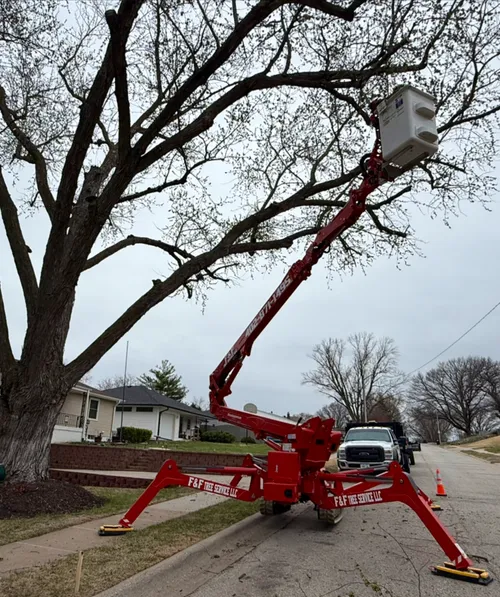
F & F Tree & Landscaping service LLC.
2424 S 12th St, Council Bluffs, IA 51501
F & F Tree & Landscaping Service LLC. is a landscaping and lawn care company based in Omaha, NE. They provide a broad range of services including landscape design, installation, and maintenance, tree pruning and removal, yard drainage and grading, sprinkler system installation and repair, and outdoor lighting. The company serves both residential and commercial clients in the Omaha Metropolitan area. Their capabilities include comprehensive landscape construction and irrigation system services. F & F Tree & Landscaping has developed long-term client relationships by consistently delivering valuable customer service and landscaping solutions.
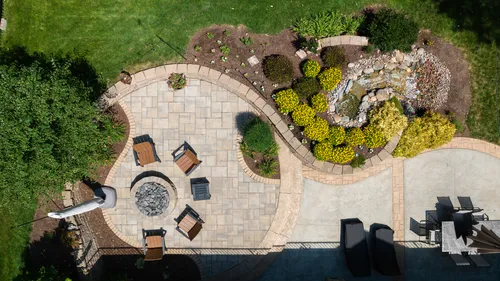
Sun Valley Landscaping
5601 Harrison St, Omaha, NE 68157
Sun Valley Landscaping is a landscaping company based in Omaha, NE, offering a wide range of residential and commercial outdoor services. Their expertise includes landscape design and build, hardscaping such as patios and retaining walls, lawn care and maintenance, irrigation installation and repair, and yard drainage solutions. The company focuses on creating tailored outdoor spaces that combine functionality with aesthetic appeal. They provide detailed design plans and professional construction to enhance property value and curb appeal. Sun Valley Landscaping also addresses drainage issues and offers ongoing maintenance to keep landscapes healthy and attractive. Serving Omaha and surrounding areas, they emphasize clear communication and craftsmanship throughout each project.
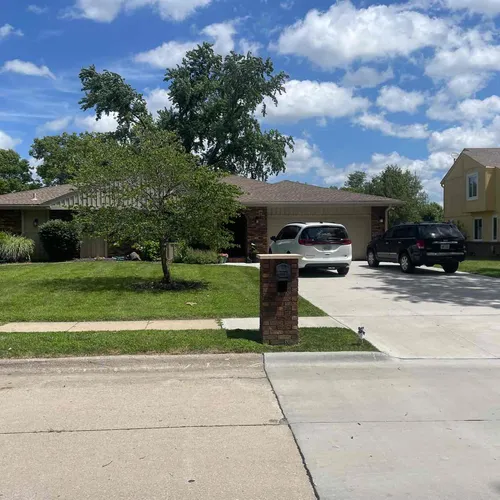
LawnStarter Landscaping
3223 N 60th St, Omaha, NE 68104
LawnStarter Landscaping is a landscaping company based in Omaha, NE, offering a wide range of outdoor services. Their offerings include lawn mowing, lawn care, fence installation, landscape lighting, sprinkler installation and repair, landscape design, and hardscaping such as pavers and retaining walls. They serve the Omaha area with a variety of seasonal landscaping projects and emphasize sustainable landscaping trends like native plants and smart irrigation. LawnStarter connects customers with local landscaping professionals for convenient service booking.
Monahan Lawn Care & Property Services, LLC
6253 N 153rd Ave, Omaha, NE 68116
Monahan Lawn Care & Property Services, LLC provides full-service lawn care and landscaping solutions in Omaha, NE. They offer weekly mowing, fertilization, aeration, overseeding, irrigation and sprinkler system services, along with tree care and seasonal cleanups. Their landscaping services include custom design, mulch and rock installation, landscape lighting, and bed maintenance. The company also specializes in hardscaping projects such as paver patios, driveways, walkways, retaining walls, outdoor kitchens, and water features for both commercial and residential properties.
A & A Lawn and Landscaping LLC
2 W Main St, Treynor, IA 51575
A & A Lawn and Landscaping LLC is a lawn care and landscaping company serving Omaha, NE, and the surrounding Southwest Iowa area. With over a decade of experience, they provide a range of services including lawn mowing, fertilization, weed control, aeration, pest control, and landscape design. Their expertise helps maintain healthy, vibrant yards throughout the year. The company is committed to personalized service and designing lawns and landscapes that enhance neighborhood appeal.
Understanding Council Bluffs' Landscape Environment
Successful landscape architecture begins with a deep understanding of your site's specific conditions. Council Bluffs, part of the Omaha metro area, presents a distinct set of environmental factors that directly influence design choices.
Climate & Hardiness Zone: Council Bluffs is firmly in USDA Plant Hardiness Zone 5, characterized by cold winters that can dip well below freezing. This dictates plant selection, requiring species that are hardy enough to survive the winter. Knowing the average first and last frost dates is essential for planning planting schedules, especially for vegetable gardens or annual flowers 1.
Soil Considerations: The native soil in our region is often clay-heavy or loamy. While nutrient-rich, clay soil can drain poorly and become compacted, challenging plant roots. A foundational step in any landscape design project is soil amendment, typically involving adding organic compost to improve structure, aeration, and moisture retention 2. This creates a healthier foundation for your entire landscape.
Drainage Imperative: Proper water management is not optional; it's a cornerstone of sustainable design in Iowa. Inadequate drainage can lead to foundation issues, plant disease, and soggy, unusable yards. Modern landscape plans frequently incorporate solutions like rain gardens, terraces, swales, and careful grading to direct stormwater runoff away from structures and into the ground where it can be absorbed 3 4. Integrating these features from the start is more effective and cost-efficient than retrofitting later.
The Three-Zone Approach to Residential Design
Professional landscape designers often organize properties into three distinct functional zones. This framework ensures every part of your yard serves a purpose and contributes to a cohesive whole.
1. The Public Zone (Front Yard): This area is all about curb appeal. It's the face of your home, creating a welcoming first impression for visitors and enhancing neighborhood aesthetics and property value. Design elements here focus on a clear, attractive entryway, foundation plantings that frame the house, and a maintained lawn or attractive ground cover. The public zone showcases your home's character.
2. The Private Zone (Backyard): This is your personal retreat, designed for relaxation, entertainment, and family activities. This is where you invest in features that match your lifestyle, such as patios for dining, decks for lounging, fire pits for evening gatherings, and open lawn areas for play. Privacy screening through strategic planting or fencing is often a key component of this zone's design.
3. The Service Zone: Every property needs functional space for the necessities. The service zone is designated for trash and recycling bins, utility meters, air conditioning units, compost piles, garden sheds, or vegetable plots 5. Good design cleverly screens these areas from the main living spaces using lattice, fencing, or dense plantings, keeping them accessible but out of sight.
Key Elements of a Complete Landscape Plan
A comprehensive outdoor design weaves together "softscape" (living elements) and "hardscape" (built elements) into a unified environment.
Hardscaping for Structure & Function:
- Patios & Walkways: These define traffic flow and create stable surfaces for furniture and foot traffic. Materials range from poured concrete and pavers to natural flagstone, each offering different aesthetics and price points.
- Retaining Walls: Essential for managing sloped properties, these walls create level terraces for planting or recreation while preventing soil erosion.
- Entertainment Features: Elements like outdoor kitchens, built-in seating, and fire pits extend your living space and turn your yard into a destination for hosting.
Softscaping with Purpose:
- Native Plants: Choosing plants native to the Iowa region is a smart strategy. They are already adapted to the local climate and soil, typically require less water and maintenance, and provide vital habitat for local birds and pollinators 6.
- Layered Planting: Effective designs use a mix of trees, shrubs, perennials, and groundcovers to create depth, texture, and year-round interest.
- Water Features: Beyond traditional ponds, consider bubbling rocks or the functional beauty of a rain garden, which adds visual interest while solving a drainage problem.
Ambiance & Safety Features:
- Landscape Lighting: Strategically placed lighting illuminates walkways for safety, highlights architectural or botanical features, and allows you to enjoy your outdoor space after dark, dramatically extending its usable hours.
Find the perfect landscape design companies for your needs
Get personalized recommendations and expert advice
Principles of Effective Landscape Design
Beyond the physical elements, great gardens are guided by timeless artistic principles. Understanding these can help you communicate your vision and evaluate design proposals.
- Unity & Harmony: A cohesive design uses repetition of colors, shapes, or materials to tie different areas of the yard together, making it feel like a single, intentional composition.
- Balance: Visual weight should feel distributed. This can be symmetrical (mirrored on either side of a path) or asymmetrical (balanced through contrasting sizes and forms).
- Focal Points: Draw the eye to a specific area with an interesting element, such as a specimen tree, a sculpture, or a vibrant flower bed. A focal point creates visual interest and anchors the design 7.
- Transition: Gradual changes in plant size, color, or texture create a natural, pleasing flow through the landscape, avoiding abrupt, jarring shifts 8.
Planning and Investment Considerations
The Design Process: It typically starts with a site analysis, where a designer assesses sun and shade patterns, soil quality, slopes, existing vegetation, and your home's architecture 9. From there, concepts are developed that balance your desires with the site's realities.
Understanding Cost Ranges: Investment in landscape design and installation varies tremendously based on scope and materials.
- Basic Enhancements: A project focused on new planting beds, mulch, and native perennials might range from a few hundred to over a thousand dollars.
- Mid-Range Projects: Adding a simple paver patio, a walkway, or a small retaining wall often falls in the $1,500 to $5,000+ range.
- High-End Transformations: Comprehensive projects involving extensive hardscaping, outdoor kitchens, sophisticated lighting systems, and complex planting schemes can range from $5,000 to $20,000 or more 10. A detailed, site-specific plan is the best tool for getting accurate estimates and ensuring your budget is spent effectively.
The Value of a Plan: Whether you tackle a project in phases or all at once, starting with a master plan ensures every subsequent decision contributes to the final goal. It prevents costly mistakes, helps prioritize projects, and ultimately leads to a more functional and beautiful outdoor living space that is tailored to Council Bluffs' unique environment.
Frequently asked questions
Sources
Footnotes
-
Vegetable Planting Calendar Council Buffs, Iowa - Urban Farmer - https://www.ufseeds.com/vegetable-planting-calendar-council-buffs-iowa.html ↩
-
Five Essential Steps to Prepare Your Soil for Landscaping - https://idealrockaway.com/blog/soil-preparation-five-steps/ ↩
-
Iowa Rain Garden Design & Installation Guide - https://iowastormwater.org/wp-content/uploads/Iowa-Rain-Garden-Design-and-Installation-Guide-Third-Edition-Web-March-2021.pdf ↩
-
PR/PLANNED RESIDENTIAL OVERLAY - Council Bluffs, IA - https://www.councilbluffs-ia.gov/ArchiveCenter/ViewFile/Item/736 ↩
-
Spruce Up Your Site: How to Plan a Residential Landscape Design - https://www.skh.com/blog/residential-landscape-design/ ↩
-
10 Tips for a Low-Maintenance, Eco-Friendly Backyard - https://tataandhoward.com/10-tips-for-a-low-maintenance-eco-friendly-backyard/ ↩
-
What are the 7 Principles of Landscape Design? - https://hearnlandscape.com/what-are-the-7-principles-of-landscape-design/ ↩
-
Principles of Landscape Design - Colorado Master Gardener - https://cmg.extension.colostate.edu/Gardennotes/413.pdf ↩
-
Landscape Plans - Make Free Landscape Designs Online - Canva - https://www.canva.com/create/landscape-plans/ ↩
-
The Ultimate Guide to Landscape Design & Build in Omaha - https://sunvalleyomaha.com/landscape-design-build/the-ultimate-guide-to-landscape-design-build-in-omaha/ ↩