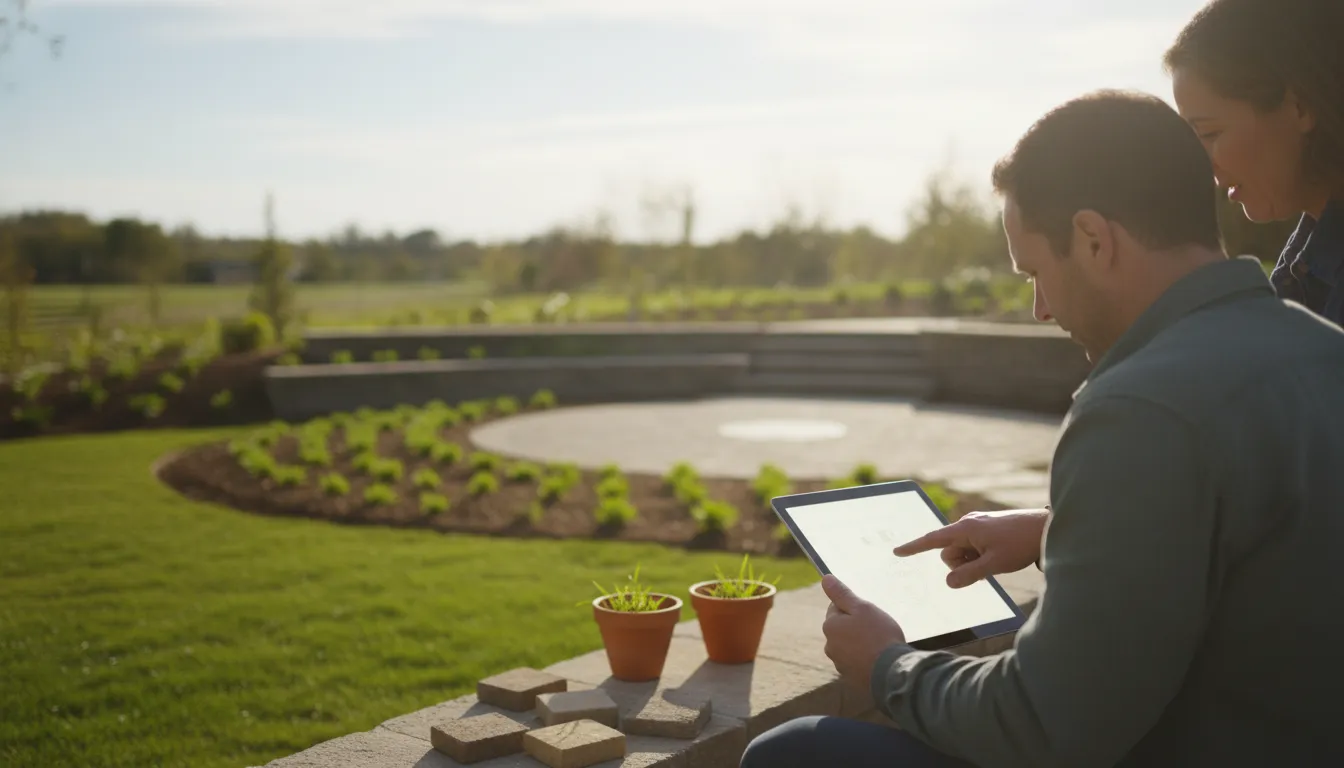
Find the Best Landscape Design Companies for Your Business
No obligation • Fast responses • Nationwide coverage

Why you can trust Landscape Atlas
Landscape Atlas is a leading United States resource for evaluating landscaping, lawn care, and outdoor service providers. Our team researches each category in depth, focusing on service quality, safety, and customer experience. Listings and rankings are based on independent criteria and user feedback, and companies cannot pay to influence our assessments or recommendations.
Search providers near you
Top Landscape Design Companies in Des Moines, Iowa Ranked
A well-crafted landscape design transforms your outdoor space into a functional, beautiful extension of your home, tailored to Iowa's unique climate. This process involves strategically planning the layout, selecting hardy plants, and integrating features like patios or fire pits to create a cohesive environment for year-round enjoyment. For homeowners in Des Moines, connecting with a local professional who understands regional soil, weather patterns, and aesthetic preferences is the key to bringing a sustainable and personalized vision to life.
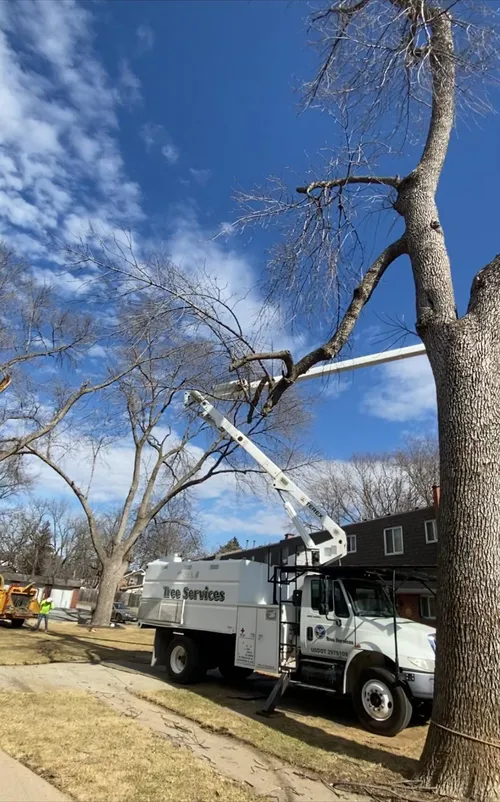
Understanding Des Moines's Landscape Design Environment
Successful outdoor planning in Central Iowa begins with a deep respect for the local environment. The climate and soil are not just background details; they are the foundational elements that inform every decision, from plant selection to structural placement.
Navigating the Iowa Climate
Des Moines experiences the full range of Midwestern seasons, with cold, harsh winters and hot, humid summers. The area is classified as USDA Hardiness Zones 5a and 5b, which dictates which plants can reliably survive the winter cold. A professional design accounts for more than just temperature, however. It considers sun exposure across different times of the day and year, prevailing wind patterns that can dry out plants or create chilly pockets, and the dramatic freeze-thaw cycles that can affect paving and masonry. The goal is to create a layout that provides shelter, maximizes comfort, and ensures plant vitality through every season.
Working with Central Iowa Soils
The soil composition in Des Moines can vary, but it often presents challenges with drainage and compaction. Proper drainage is arguably the most critical engineering consideration in local landscape architecture, as poor drainage leads to water pooling, foundation issues, and plant root rot, especially damaging during winter freeze-thaw cycles. A comprehensive design plan will include solutions for managing water flow, which may involve grading, the installation of subsurface drains, or the use of permeable materials. For properties with slopes, engineered retaining walls are a common and effective design solution to prevent erosion and create usable level spaces.
Core Elements and Principles of Professional Design
Moving beyond environmental adaptation, a beautiful and functional yard is built on established design principles. These concepts guide the arrangement of all elements to create a space that feels intentional, balanced, and inviting.
The Fundamental Design Elements
Every landscape is composed of a few basic visual components that designers manipulate:
- Line: This is created by the edges of beds, the flow of a walkway, or the silhouette of a fence. Lines guide the eye and movement through the space, creating a sense of direction and organization 1.
- Form: This refers to the three-dimensional shape of objects-whether a tree is columnar or weeping, a shrub is mounded or sprawling, or a patio is geometric or free-form.
- Texture: The visual and tactile surface quality of materials, from the smooth finish of polished stone to the coarse bark of a river birch or the fine blades of ornamental grass.
- Color: While often associated with flowers, color also comes from foliage, bark, hardscape materials, and even outdoor furnishings. It is used to create mood, draw attention, and unify different areas.
- Scale: This involves the size relationship between all elements and the surrounding house and yard. Proper scale ensures the space feels proportionate and comfortable, not overwhelming or underwhelming.
Guiding Principles for a Cohesive Space
These elements are organized according to key principles to achieve a harmonious result:
- Unity: A sense that all parts of the design belong together, often achieved through repetition of plants, colors, or materials.
- Balance: Creating visual equilibrium, which can be symmetrical (mirrored on either side of an axis) or asymmetrical (balanced through different elements of equal visual weight).
- Focalization: Using a point of interest-like a specimen tree, a water feature, or a fire pit-to draw the eye and anchor the design.
- Sequence: The gradual change in an element, such as transitioning plant heights or colors, which creates rhythm and leads the viewer through the space 2.
Popular Landscape Design Features for Des Moines Homes
Modern outdoor living in Des Moines focuses on creating fully functional "rooms" that extend a home's usable square footage. Local designs often integrate several of these popular features to build a comprehensive backyard retreat.
Outdoor Living and Entertainment Zones
The heart of many backyard projects is a dedicated area for gathering and relaxation.
- Paver Patios: A durable and versatile foundation for outdoor furniture, dining sets, and loungers. Pavers come in various colors, shapes, and patterns to complement any architectural style and allow for excellent drainage.
- Outdoor Kitchens: These range from simple built-in grill stations to full kitchens with countertops, sinks, refrigeration, and pizza ovens, transforming backyard barbecues into full culinary experiences.
- Fire Features: A fire pit or outdoor fireplace serves as a natural gathering spot, providing warmth and ambiance that extends the usability of your yard well into the cooler spring and fall evenings.
Enhancing Atmosphere and Function
These elements add sensory appeal and solve practical problems.
- Landscape Lighting: Strategically placed lighting enhances safety on paths and steps, highlights architectural and plant features, and allows the outdoor space to be enjoyed after dark. It's a crucial element for both aesthetics and security.
- Water Features: The sound of moving water adds a serene, cooling element to the garden. Options for Des Moines properties include bubbling fountains, recirculating streams, and ponds, which can also attract local wildlife.
- Retaining Walls and Erosion Control: Beyond their functional role, well-designed retaining walls made from stone, block, or timber can create dramatic elevation changes, define spaces, and serve as additional seating, turning a necessary solution into a beautiful design asset.
Find the perfect landscape design companies for your needs
Get personalized recommendations and expert advice
Common Project Types for Des Moines Properties
Landscape design is not one-size-fits-all. The scope can be tailored to your home's needs, your budget, and your lifestyle goals. Here are a few common pathways homeowners take.
The Front Yard Makeover
This project focuses on curb appeal and creating a welcoming entrance. It may involve redesigning foundation plantings, adding a welcoming walkway with durable pavers, installing low-voltage lighting for evening appeal, and selecting a palette of hardy, attractive plants that provide four-season interest. It's about making a great first impression that also complements the neighborhood.
The Backyard Entertainment Hub
This is a comprehensive transformation aimed at creating a primary space for hosting and family time. It typically integrates multiple zones-a paved patio for dining, a lounge area around a fire feature, an outdoor kitchen, and lush perimeter planting for privacy. The design connects these zones with logical pathways and unifies them with consistent materials and lighting for seamless flow and function.
Specialized Feature Installation
Some projects focus on adding a single, standout element that serves as the centerpiece of the yard.
- Water Feature Installation: Adding a focal point like a fountain or pond, which requires careful planning for electrical access, water source, and integration with the surrounding planting beds.
- Erosion and Slope Control: Addressing a challenging grade with a terraced system of retaining walls, transforming an unusable slope into beautiful, level planting beds or sitting areas.
The Process and Investment
Embarking on a design project is a collaborative journey. It typically begins with a consultation to discuss your ideas, needs, and budget. A local design-build firm will then assess your property's specific conditions-sun, shade, soil, drainage-before creating a detailed plan. This plan often includes 2D drawings or even 3D renderings to help you visualize the final result, ensuring everyone is aligned before any installation begins.
The cost of landscape architecture in Des Moines varies widely, as it is entirely dependent on the project's scale, complexity, and materials. A simple front yard refresh with new plants and mulch is a different investment than a full backyard overhaul with a large patio, kitchen, fireplace, and lighting system. Materials like natural stone, high-end pavers, and custom-built features will influence the final price. Reputable local professionals provide transparent estimates based on the detailed plan, helping you understand how each element contributes to the overall investment in your property's value and your quality of life 3 4.
Frequently asked questions
Sources
Footnotes
-
The 5 Basic Elements of Landscape Design - https://www.curtilandscaping.com/blog/the-5-basic-elements-of-landscape-design/ ↩
-
Principles of Landscape Design - Colorado Master Gardener - https://cmg.extension.colostate.edu/Gardennotes/413.pdf ↩
-
Hardscaping And Landscaping In Des Moines, IA - https://www.larklandscape.com/hardscaping-and-landscaping-in-des-moines-ia ↩
-
Ted Lare Design Build - Des Moines Landscaping Company ... - https://tedsgardens.com/ ↩