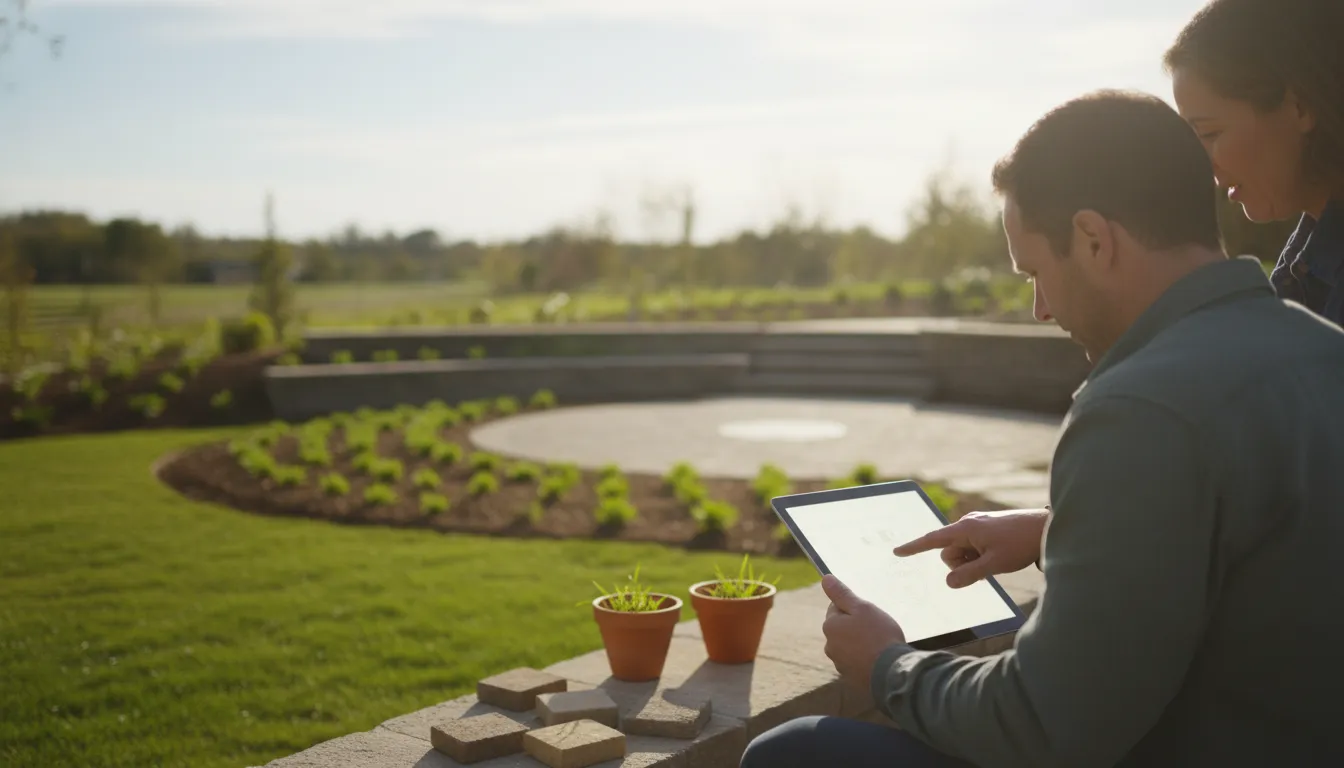
Find the Best Landscape Design Companies for Your Business
No obligation • Fast responses • Nationwide coverage

Why you can trust Landscape Atlas
Landscape Atlas is a leading United States resource for evaluating landscaping, lawn care, and outdoor service providers. Our team researches each category in depth, focusing on service quality, safety, and customer experience. Listings and rankings are based on independent criteria and user feedback, and companies cannot pay to influence our assessments or recommendations.
Search providers near you
Best Landscape Design Companies in Kentucky Ranked
Creating a beautiful and functional outdoor space in Kentucky requires a thoughtful approach that respects the state's unique climate, regional styles, and local regulations. Professional landscape design transforms your property by harmonizing aesthetics, utility, and environmental resilience. This guide explains the key considerations for planning your Kentucky landscape, from understanding the four-season climate to selecting native plants and navigating local permits, helping you connect with skilled professionals who can bring your vision to life.
Edible Gardens Inc.
Louisville, KY
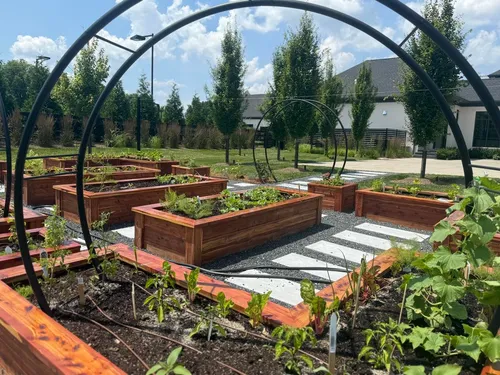
Edible Gardens Inc. is a landscaping and garden design company based in Louisville, KY. They specialize in creating raised bed edible gardens with custom-built cedar planter boxes, organic plants, deer fencing, and landscape lighting. Their services include onsite consultations, garden design, turnkey installations, maintenance, and planting plans for residents, businesses, schools, and retirement homes. Edible Gardens Inc. also offers workshops, mentorship, and an Edible Gardening Academy with online courses to support gardening education and skills development.
Hancock Landscape LLC
10117 Production Ct, Louisville, KY 40299
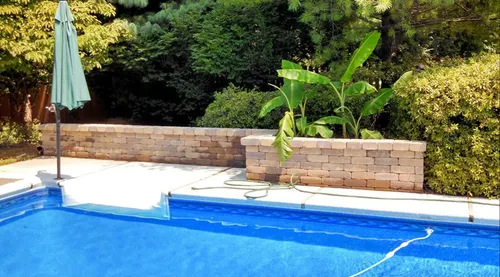
Hancock Landscape LLC is a landscaping company based in Louisville, KY, specializing in landscape design and construction. They focus on creating unique and luxurious outdoor spaces that blend natural beauty with the client's personal style. Their services cover landscape design and landscaping construction, aiming to produce both visually appealing and functional outdoor environments. Hancock Landscape LLC emphasizes clear communication throughout the project to ensure client involvement and satisfaction.
Julio Tree Service & Landscape
120 Cardinal Dr, Simpsonville, KY 40067
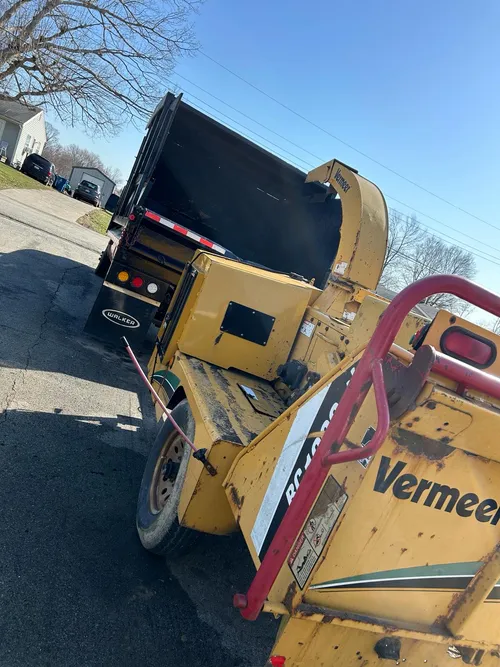
Julio Tree Service & Landscape is a landscaping and tree care company based in Louisville, KY. They provide a wide range of services including tree care, stump removal, lawn fertilization, weed control, and complete landscape design. With over 8 years of experience, they serve Simpsonville and nearby areas, focusing on maintaining healthy and attractive outdoor spaces through services like powerseeding and precise tree trimming.
Simplicity Landscape & Design
550 Old Delaplain Rd Unit A3, Georgetown, KY 40324
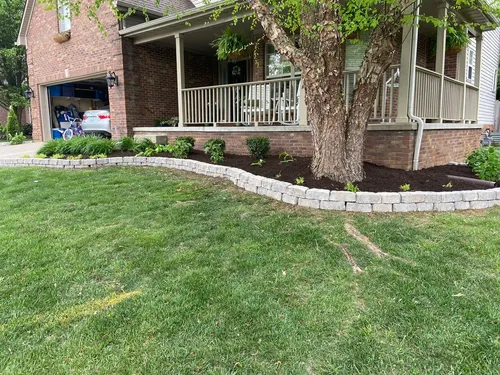
Simplicity Landscape & Design is a landscaping company based near Lexington, KY, offering lawn care, landscape design, and hardscaping services. They serve the greater Fayette and Scott County areas, providing solutions such as lawn mowing, landscape installation, and hardscape features like pavers and retaining walls. The company focuses on straightforward, effective landscaping and lawn care services tailored to local needs.
Doleman Services Landscaping LLC
Louisville, KY
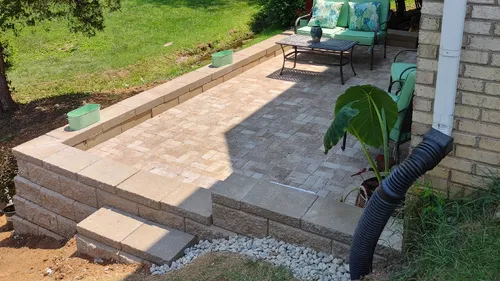
Doleman Services Landscaping LLC is a landscaping and hardscaping company based in Louisville, KY. They offer a range of services including fence installation, landscape lighting, general landscaping, and hardscape construction such as patios, fire pits, retaining walls, and decks with 3D design options. The company works with certified electricians to install lighting both indoors and outdoors, enhancing outdoor living spaces. They specialize in Trex and Timbertech composite decking, known for durability and low maintenance, and provide staining and sealing services for decks and fences. With a team experienced in design and installation, they focus on safety and long-lasting results.
Understanding Kentucky's Four-Season Climate
A successful Kentucky landscape design must account for the state's distinct seasonal shifts-hot, humid summers and cold winters with potential frosts. This cycle influences every decision, from plant hardiness to material durability. The goal is to create a space that offers beauty and function year-round, with elements that shine in each season, from spring blooms to winter structure.
Key climate considerations include:
- Plant Selection: Choose plants rated for Kentucky's USDA hardiness zones (primarily 6a to 7a) that can thrive in summer heat and survive winter freezes.
- Microclimates: Observe your specific property for sun exposure, wind patterns, and low spots where cold air settles, as these can create localized growing conditions.
- Seasonal Interest: Plan for a succession of color and texture. Incorporate evergreen elements for winter structure, spring-flowering bulbs, summer-blooming perennials, and trees with vibrant fall foliage.
The Importance of Site Analysis
Before any design work begins, a thorough analysis of your property's existing conditions is essential. This step ensures your design works with the land, not against it, saving time and money in the long run.
A proper site analysis should evaluate:
- Sun and Shade Patterns: Track sunlight throughout the day to determine full-sun, partial-shade, and full-shade areas for appropriate plant placement.
- Soil and Drainage: Kentucky soils can vary greatly. Assess soil type and drainage, especially in slopes or low-lying areas, to prevent water issues and select suitable plants. Poor drainage is a common problem that can undermine an entire landscape.
- Topography and Slope: Note any significant slopes that may require terracing or retaining walls for both aesthetics and erosion control.
- Existing Features: Document the location of utilities, large trees, structures, and desirable views to incorporate or work around.
Popular Landscape Styles for Kentucky Homes
Your landscape should complement your home's architecture and reflect your personal taste. Several styles are particularly well-suited to Kentucky's character and climate.
- Traditional/Classic: This style emphasizes symmetry, formal lines, and structured plantings. Think of geometric bed layouts, clipped hedges (like boxwood), brick walkways, and focal points like a fountain or statue. It pairs well with Colonial or Georgian-style homes.
- Farmhouse & Cottage Garden: An informal, welcoming style bursting with color and texture. It often features mixed plantings of perennials, annuals, and native species like Coneflowers and Black-Eyed Susans, alongside rustic elements such as picket fences or arbors. This style is pollinator-friendly and encourages a relaxed, natural feel.
- Modern/Contemporary: Characterized by clean lines, geometric shapes, and a minimalist plant palette. It often uses mixed materials like stone, metal, and wood, with an emphasis on low-maintenance, architectural plants and defined outdoor "rooms."
Navigating Local Regulations and HOA Rules
Understanding the rules that govern your property is a critical, often overlooked, step in the design process. Ignoring them can lead to costly revisions or the removal of completed work. 1
- Local Zoning and Permits: Always check with your city or county planning department. Common regulations cover structure setbacks (how far a fence, shed, or pergola must be from property lines), lot coverage limits (the percentage of your lot that can be covered by impervious surfaces), and drainage requirements. Projects involving significant grading, retaining walls over a certain height, or enclosed structures typically require permits.
- Homeowners Association (HOA) Guidelines: If you live in a community with an HOA, you must review its design covenants. HOAs often have specific rules regarding plant types, hardscape materials, fence styles, and even paint colors for outdoor structures. Approval from an architectural review committee is usually required before starting work.
Find the perfect landscape design companies for your needs
Get personalized recommendations and expert advice
Key Elements of a Comprehensive Design Plan
A cohesive landscape design integrates both "softscape" (living elements) and "hardscape" (built elements). A professional plan balances these components to create a unified outdoor environment.
Softscape Elements:
- Plantings: The backbone of your landscape. A good plan layers plants by height and season, using a mix of trees, shrubs, perennials, and groundcovers. Prioritizing native plants ensures better adaptability, lower maintenance, and support for local wildlife.
- Lawn Areas: Define practical and aesthetic lawn spaces, considering sun exposure and traffic patterns to select appropriate grass species.
Hardscape Elements:
- Patios and Walkways: These define circulation and create outdoor living areas. Materials like Kentucky-mined flagstone, brick, or concrete pavers should be chosen for durability and style.
- Retaining Walls: Used to manage slopes, prevent erosion, and create level planting areas. They can be constructed from stone, brick, or segmental blocks.
- Other Features: Consider adding elements like fire pits, outdoor kitchens, water features, or decorative lighting to enhance usability and enjoyment.
Budgeting for Your Landscape Project
Landscape design costs in Kentucky vary widely based on the project's scope, material quality, and labor. Having a clear budget from the outset helps guide design decisions and ensures the plan is feasible. 2
- Budget-Friendly Projects ($500 - $2,000): May include simple new plantings, mulching, basic lawn edging, or a small DIY-focused garden bed installation.
- Mid-Range Projects ($3,000 - $10,000+): Often encompasses a detailed planting plan, a small to medium paver patio or walkway, a focal point like a fire pit, and basic landscape lighting.
- High-End Projects ($15,000 - $50,000+): Involves a full master plan, extensive hardscaping (large patios, retaining walls, outdoor kitchens), installation of mature trees, sophisticated irrigation and lighting systems, and custom-built features.
Remember, investing in professional design and quality installation often provides better long-term value, reducing the need for costly repairs or replacements.
The Design Process: From Concept to Completion
Following a structured process helps ensure a smooth and successful project. 3 4 5
- Initial Consultation & Site Analysis: A designer assesses your property, discusses your needs, desires, and budget.
- Concept Development: Preliminary sketches and ideas are presented, exploring layout, style, and key features.
- Master Plan Creation: A detailed, scaled drawing is produced, specifying the location of all plants and hardscape elements.
- Plant and Material Selection: Specific species, cultivars, and materials (stone, pavers, etc.) are chosen.
- Construction Documentation & Permitting: If needed, detailed plans are created for contractors, and the designer may assist with the permit application process.
- Installation Oversight: Many designers offer project management services to ensure the plan is executed correctly by the installation crew.
Frequently asked questions
Sources
Footnotes
-
Architecture Residential Drafting Design Kentucky - Nirakara - https://nirakara.org/Download_PDFS/u2EDBB/243227/ArchitectureResidentialDraftingDesignKentucky.pdf ↩
-
How to Charge for Landscape Design to Win More Business and Make ... - https://www.landscapeleadership.com/blog/how-to-charge-for-landscape-design-fees ↩
-
HO-105: Landscape Design - University of Kentucky - https://www.rs.uky.edu/consumer/extension_pdfs/ho105.pdf ↩
-
ENH1112/EP375: Landscape Design: Ten Important Things to Consider - https://edis.ifas.ufl.edu/publication/EP375 ↩
-
Landscape Plans - Make Free Landscape Designs Online - Canva - https://www.canva.com/create/landscape-plans/ ↩