Find the Best Landscape Design Companies for Your Business
No obligation • Fast responses • Nationwide coverage

Why you can trust Landscape Atlas
Landscape Atlas is a leading United States resource for evaluating landscaping, lawn care, and outdoor service providers. Our team researches each category in depth, focusing on service quality, safety, and customer experience. Listings and rankings are based on independent criteria and user feedback, and companies cannot pay to influence our assessments or recommendations.
Search providers near you
Top Landscape Design Companies in Kenner, Louisiana Ranked
Creating a beautiful and functional outdoor space in Kenner requires a thoughtful approach that embraces the local climate. Professional landscape design is the art of planning and arranging your yard to be both aesthetically pleasing and practical, transforming it into a true extension of your home. In a city with hot, humid summers and heavy clay soils, a well-conceived plan is essential for establishing a resilient, low-maintenance, and enjoyable garden. This resource connects you with local design expertise to help you navigate the unique challenges and opportunities of gardening on the Gulf Coast, ensuring your outdoor investment thrives for years to come.
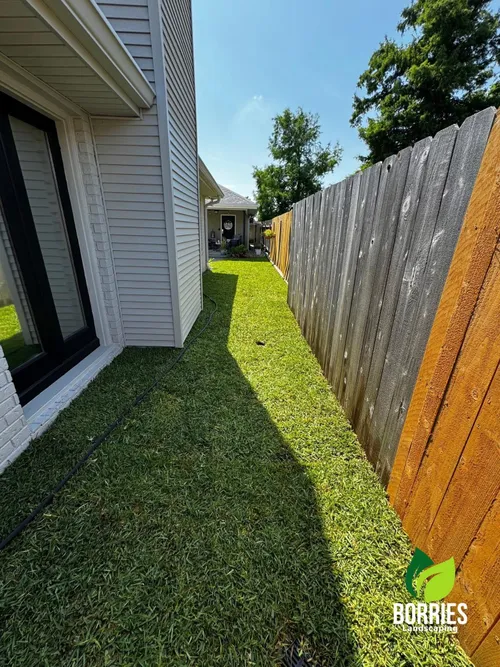
Borries Landscaping, Llc
726 N Starrett Rd, Metairie, LA 70003
Borries Landscaping, Llc is a family-owned landscaping company serving New Orleans, LA, and nearby areas including Kenner and Metairie. Established in 2018, they offer a range of services such as sod installation with options like St. Augustine and Bermuda, landscape design, tree removal, yard drainage solutions including French drains, sprinkler installation and repair, land clearing, and hardscaping. Their team includes a licensed horticulturist and experienced staff who handle projects from garden cleanups to full landscape installations. They are equipped to manage grading and drainage issues common in South Louisiana's rainy climate.
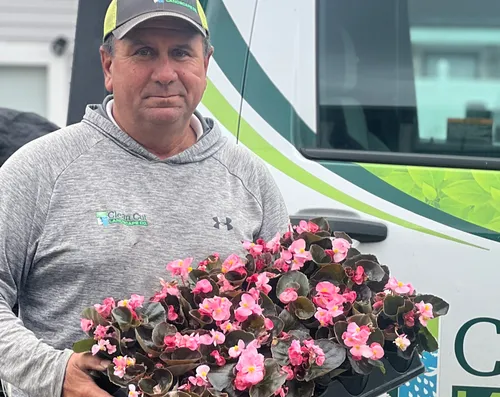
Clean Cut Landscape Co
38 W 27th St, Kenner, LA 70062
Clean Cut Landscape Co is a landscaping company based in New Orleans, LA, serving Metairie and surrounding areas. They offer a range of services including landscape lighting installation with high-quality Copper and Antique Bronze LED fixtures, landscape design, sprinkler installation and repair, and general landscaping. Established in 1986, Clean Cut Landscape Co brings decades of experience to their projects, focusing on transforming outdoor spaces with attention to detail and professional execution.
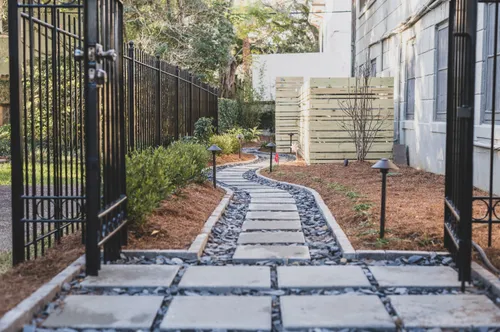
Miller Outdoors
319 David Dr, Metairie, LA 70003
Miller Outdoors is a landscape design and hardscaping company based in New Orleans, LA. They specialize in creating outdoor spaces that combine beauty and function, including gardens and custom pools. The company manages the entire project, coordinating all aspects to deliver a cohesive backyard transformation. Their services cover landscape design, installation of pavers, and retaining walls, providing comprehensive outdoor renovations.
Gordon's Lawn & Landscape
420 Hollandey St, Kenner, LA 70062
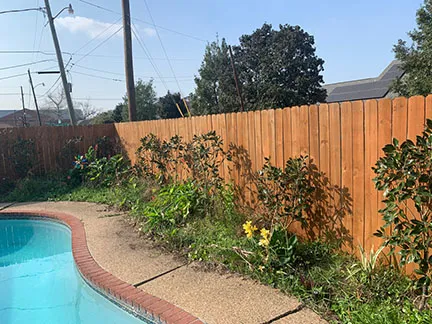
Gordon's Lawn & Landscape is a landscaping contractor based in New Orleans, LA, offering a wide range of services including landscape design, hardscaping, grading, sod installation, synthetic turf, drainage solutions, and landscape lighting. They serve the greater New Orleans area, including the North Shore, Jefferson and St. Bernard Parishes, and the River Parishes. With over 12 years of experience, Gordon's Lawn & Landscape handles projects from excavation to final installation, ensuring a seamless process. Their expertise includes custom drainage solutions tailored for the local climate, and the owner is actively involved on-site to oversee quality.
Landscape Orleans LLC
1401 N Causeway Blvd, Metairie, LA 70001
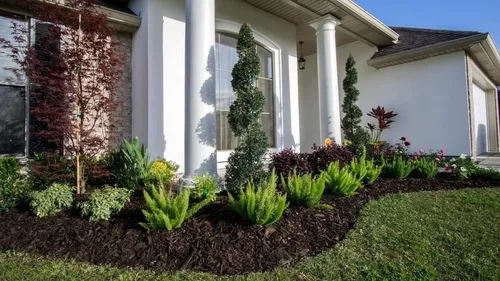
Landscape Orleans LLC is a full-service landscaping company based in New Orleans, LA, serving the greater Southeast Louisiana region. They offer a range of services including landscape design, hardscape construction, artificial turf installation, pool installation, irrigation, and ongoing maintenance. With over 10 years of experience, Landscape Orleans focuses on creating customized outdoor spaces that address common landscaping challenges such as poor soil conditions and pest management. The company emphasizes working closely with clients to build functional and attractive outdoor living areas tailored to their needs.
Understanding Kenner's Unique Landscape Environment
A successful garden design in Kenner starts with a deep understanding of the local environmental conditions. The climate here is classified as USDA Hardiness Zone 9a or 9b, characterized by long, hot, and intensely humid summers, mild winters, and significant rainfall. This combination presents specific challenges-like heat stress on plants and potential for fungal diseases-but also opens doors to growing a stunning array of subtropical and native species that wouldn't survive in colder regions. The foundation of your landscape, quite literally, is the soil. Much of Kenner has heavy clay soil, which is nutrient-rich but has very poor drainage 1. After a heavy rain, water can pool, suffocating plant roots and creating a muddy mess. Any comprehensive landscape plan for this area must prioritize strategies to manage this moisture, whether through soil amendment, strategic grading, or the selection of plants that can tolerate "wet feet."
Core Principles for a Resilient Design
Adopting a few key principles from the outset will guide your project toward sustainability and ease of care. The concept of Louisiana-Friendly Landscaping is central, emphasizing the use of native and adapted plants that have evolved to thrive in local conditions with minimal supplemental water, fertilizer, or pesticides 2. This approach not only saves you time and money but also supports local birds, butterflies, and pollinators. Furthermore, a low-maintenance, eco-friendly yard is achieved by planning for efficient water use and creating healthy soil from the start 3. This means grouping plants with similar water and sunlight needs together (a concept called hydrozoning) and incorporating generous amounts of compost into planting beds to improve soil structure and fertility. Finally, the timeless principles of landscape design-such as unity, balance, proportion, and sequence-provide the framework for creating a space that feels cohesive and intentionally beautiful, rather than a random collection of plants and features 4.
Designing with Purpose: The Three-Zone Approach
A professional garden design often organizes your property into functional zones. This method ensures every part of your yard has a purpose, creating a logical and efficient layout 5.
- The Public Zone (Front Yard): This is your home's curb appeal. Design here focuses on creating a welcoming entrance with a clean, organized look. The goal is often low-maintenance beauty, utilizing native plants, defined walkways, and perhaps a small, inviting sitting area. Evergreen structure is key to providing year-round interest.
- The Private Zone (Backyard): This is your personal retreat for relaxation and entertainment. This zone is where you can incorporate patios, decks, outdoor kitchens, lush ornamental plantings, and water features. Privacy screening with layered shrubs or small trees is a common consideration here, turning the backyard into a secluded oasis.
- The Service Zone: Every property needs functional space. This area is designated for utilities, trash and recycling bins, compost piles, tool storage, or a vegetable garden. Screening this zone from the main living areas with fencing or attractive plantings helps maintain the beauty of the other zones.
Incorporating Key Features for Outdoor Living
Modern landscape architecture goes beyond plants to include hardscape elements that define outdoor rooms and enhance livability. These features turn a yard into an outdoor destination.
- Patios and Decks: These are the foundational "floors" of your outdoor living space. Materials like permeable pavers, composite decking, or stained concrete provide durable surfaces for furniture and gathering. Their size and placement should relate to the scale of your home and your entertaining needs 6.
- Outdoor Kitchens and Grilling Stations: For those who love to entertain, incorporating built-in grills, countertops, and even sinks or refrigerators can make your backyard the favorite spot for social gatherings. Budget and space will determine the complexity of this feature.
- Water Features: The sound of moving water adds a serene ambiance and can help mask neighborhood noise. In Kenner's heat, a fountain or pond also provides a natural cooling effect. From simple bubbling urns to more elaborate pondless waterfalls, water features are a dynamic design element.
- Fire Features: A fire pit or outdoor fireplace extends the usability of your outdoor space into the cooler evenings of fall and winter. It creates a natural gathering point and adds a warm, inviting glow to the landscape.
- Shade Structures: Protection from the intense sun is non-negotiable. This can be achieved through built structures like pergolas or gazebos, or by strategically planting fast-growing native trees like Live Oaks or Bald Cypress to create natural canopy shade over time.
Find the perfect landscape design companies for your needs
Get personalized recommendations and expert advice
Selecting the Right Plants for Kenner
Plant selection is where your landscape plan comes to life with color, texture, and fragrance. Choosing plants adapted to Kenner's conditions is the single most important step for long-term success.
- Trees: Opt for native species that provide structure, shade, and habitat. Excellent choices include the majestic Bald Cypress (which tolerates wet soil), Southern Live Oak, Southern Magnolia for its glorious blooms and evergreen foliage, and Crepe Myrtle for summer-long color.
- Shrubs: These plants form the "walls" of your garden rooms. Reliable staples for Kenner include Azaleas (for spectacular spring blooms in partial shade), Oakleaf Hydrangeas, fragrant Tea Olive (Osmanthus), and various Hollies for evergreen structure and winter berries for birds.
- Perennials and Flowers: For seasonal color and interest, incorporate Louisiana Irises, which thrive in moist conditions, along with hardy ferns for shady areas, daylilies, and tropical-looking Hibiscus. These plants return year after year, building up the garden's maturity.
- Groundcovers: To suppress weeds, reduce erosion, and unify planting beds, use low-growing groundcovers. Asiatic Jasmine, Liriope (Monkey Grass), and native grasses like Gulf Muhly are tough, attractive options that require minimal care once established.
Planning Your Investment: Budget Considerations
The cost of a landscape design and installation project in Kenner varies widely based on the scope, materials, and size of your property. Understanding typical budget ranges can help you plan effectively. Costs are generally broken into two categories: softscaping (living elements) and hardscaping (built elements).
- Softscaping (Plants, Soil, Mulch): A basic planting bed refresh might start around $500, while a full, mature planting scheme for a larger property can easily reach $5,000 or more. Using native plants can often reduce long-term costs for water and replacements.
- Hardscaping (Patios, Walkways, Walls): This is typically the larger investment. A small paver patio might start around $3,000, while a large, complex deck or an extensive patio with retaining walls can range from $10,000 to $15,000 and beyond. Material choice (e.g., natural stone vs. concrete pavers) is a major cost factor.
- Outdoor Kitchens: A simple built-in grill station may begin around $2,000, with full kitchens featuring appliances and masonry work ranging from $5,000 to $10,000+.
- Full Design & Installation: For a complete front and backyard transformation incorporating multiple features, homeowners often invest between $5,000 and $20,000 or more, depending on the complexity and quality of materials.
The key strategy for any budget is to phase the project. Start with a master plan created by a professional, then implement it over several seasons, beginning with the most critical elements like drainage, soil improvement, and tree planting.
Frequently asked questions
Sources
Footnotes
-
Landscape Plans - Make Free Landscape Designs Online - Canva - https://www.canva.com/create/landscape-plans/ ↩
-
A Guide to Louisiana-Friendly Landscaping - LSU AgCenter - https://www.lsuagcenter.com/nr/rdonlyres/f8ab47f4-acb4-4533-8fe8-5b3f91754996/40293/pub2993layardshighres.pdf ↩
-
10 Tips for a Low-Maintenance, Eco-Friendly Backyard - https://tataandhoward.com/10-tips-for-a-low-maintenance-eco-friendly-backyard/ ↩
-
Principles of Landscape Design - Colorado Master Gardener - https://cmg.extension.colostate.edu/Gardennotes/413.pdf ↩
-
Spruce Up Your Site: How to Plan a Residential Landscape Design - https://www.skh.com/blog/residential-landscape-design/ ↩
-
Learn how modern landscape design can harness the beauty of nature. - https://www.mymodernhome.com/blog/modern-landscape-design-ideas-for-your-dream-home/ ↩