Find the Best Landscape Design Companies for Your Business
No obligation • Fast responses • Nationwide coverage

Why you can trust Landscape Atlas
Landscape Atlas is a leading United States resource for evaluating landscaping, lawn care, and outdoor service providers. Our team researches each category in depth, focusing on service quality, safety, and customer experience. Listings and rankings are based on independent criteria and user feedback, and companies cannot pay to influence our assessments or recommendations.
Search providers near you
Best Landscape Design Companies in Massachusetts Ranked
Landscape design transforms your Massachusetts property into a functional, beautiful, and resilient outdoor space. It matters because a well-designed landscape enhances curb appeal, increases property value, and creates a personal sanctuary tailored to New England's unique climate and architectural styles. By understanding the local providers who specialize in this craft, you can find a professional to help you navigate everything from plant selection and hardscaping to essential local permits, ensuring your outdoor vision thrives for years to come.
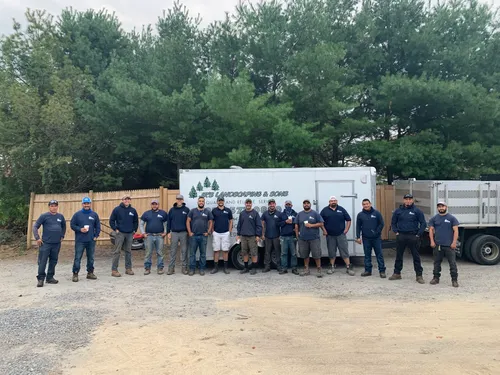
JR's Landscaping & Sons LLC
3 Sorelle Pl, Burlington, MA 01803
JR's Landscaping & Sons LLC is a full-service landscaping company serving Boston, MA, and Middlesex County. They provide a wide range of services including lawn mowing, lawn fertilization, weed control, sod installation, fence installation, landscape lighting, sprinkler installation and repair, hardscaping with patios and retaining walls, and custom landscape design. With over 20 years of experience since 1997, they offer year-round solutions tailored to maintain and enhance outdoor spaces for both residential and commercial properties. Their capabilities include expert hardscape installations such as stone walkways, patios, and retaining walls designed for New England weather conditions.
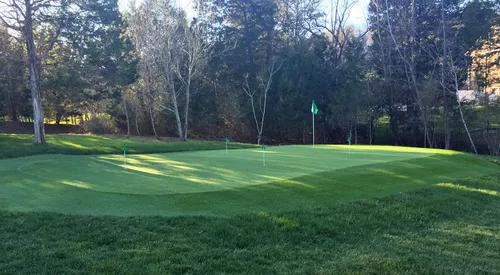
Grass!365 of New England
38 Fuller St, Waban, MA 02468
Grass!365 of New England is a synthetic turf design and installation company based in Boston, MA, serving all of New England. They specialize in artificial grass solutions for residential and commercial properties, including playgrounds, sports fields, putting greens, and pet turf. Their installations use SealTuft technology, which offers superior drainage and durability. Grass!365 has been operating for over a decade and ensures that all projects are personally overseen by owner Jeremy Dellaria and his team, without subcontractors.
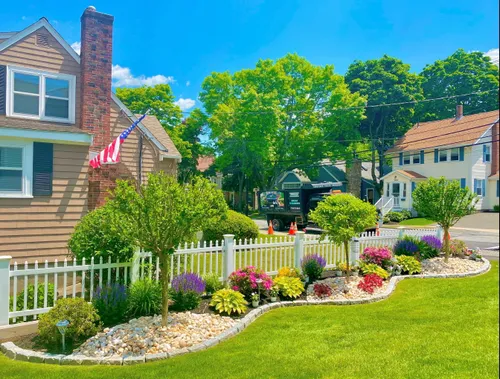
Done Right Landscape & Construction
20 Fitch Ct, Wakefield, MA 01880
Done Right Landscape & Construction is a full-service landscaping and hardscaping company serving the Boston, MA area. They specialize in residential and commercial landscape design, fence installation, patios, retaining walls, and other outdoor construction projects. With over 40 years of experience since 1980, their team works closely with clients to create customized outdoor spaces that combine functionality and aesthetic appeal. Their expertise includes the installation of vinyl, steel, aluminum, and wooden fences, as well as low-maintenance stonescaping designs.
The Narrow Lane
78 Fremont St, Needham, MA 02494
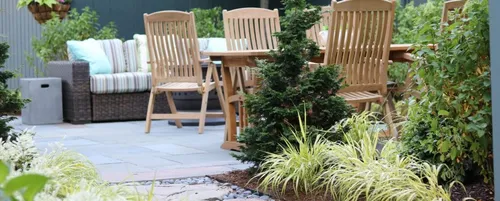
The Narrow Lane is a landscaping and outdoor lighting company based in Boston, MA. They provide a full range of luxury outdoor services including landscape design, construction, lighting installation, and maintenance. Their expertise includes creating custom outdoor living spaces and hardscaping features such as fire pits. With decades of experience, The Narrow Lane offers year-round care and manages projects from initial design through completion.
The Pros Inc. - Landscape Design & Build
29 Hanover St, Lynn, MA 01902
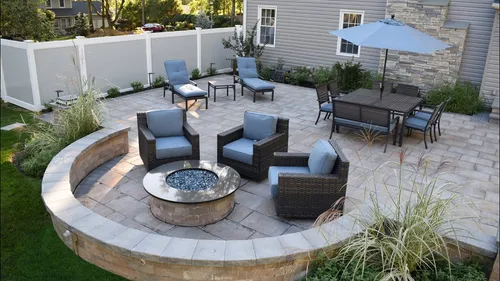
The Pros Inc. - Landscape Design & Build is a landscaping and outdoor living company serving Boston, MA, and surrounding areas. With over 20 years of experience, they offer a wide range of services including landscape design, lawn care, sod installation, fence installation, hardscaping, outdoor lighting, irrigation, water features, pool and spa construction, decks, pergolas, driveways, and seasonal maintenance. Their expertise includes custom pool building with options like fiberglass and gunite concrete pools, as well as comprehensive irrigation systems designed for efficient watering. The company also provides snow and ice management services during winter months.
Creating a lasting and beautiful landscape in Massachusetts requires a thoughtful approach that respects the local environment, climate, and regulations. A successful design is more than just planting; it's an integrated plan that addresses aesthetics, functionality, and long-term sustainability.
Understanding the Massachusetts Climate for Planting
Massachusetts spans USDA Plant Hardiness Zones 5 through 7, which dictates what will survive the cold winters and flourish in the humid summers. This climate presents specific challenges and opportunities that must guide every design decision.
- Cold Hardiness: Plant selection is paramount. Opt for trees, shrubs, and perennials reliably rated for zones 5-7. Excellent choices include various Hydrangeas, Japanese Maples (with protection), Viburnums, and native ferns, which are adapted to the seasonal shifts.
- Deer Pressure: Deer are a significant concern in many parts of the state. Incorporating deer-resistant plants is a practical strategy. Consider using Rosemary, Lavender, Boxwood, or certain ornamental grasses and evergreen species that are less palatable to browsing wildlife.
- Soil and Moisture: Heavy clay soils are common and can lead to poor drainage. A good design will address this through proper grading, the use of raised beds, or the creation of features like rain gardens that manage stormwater runoff beautifully and effectively.
- Sunlight Analysis: Before placing a single plant, a designer will map the sun and shade patterns across your property throughout the day and across seasons. This ensures sun-loving plants get the light they need and shade-tolerant species are placed appropriately, preventing costly mistakes.
Popular Landscape Design Styles in Massachusetts
The architectural heritage and natural beauty of New England inspire several prevalent design styles. A skilled designer can help you blend these elements to match your home and personal taste.
- New England Colonial/Traditional: This style emphasizes symmetry, formal structure, and classic elements. Think of geometric parterre gardens, orderly foundation plantings, stone walls, and timeless plant choices like Boxwood hedges, Hydrangeas, and climbing Roses.
- Cottage Garden: Lush, romantic, and informal, the cottage style is perfect for creating a sense of abundance. It mixes flowering perennials, herbs, old-fashioned roses, and flowering shrubs along winding gravel or stone paths, encouraging exploration and relaxation.
- Modern/Contemporary: Characterized by clean lines, geometric shapes, and a minimalist aesthetic, modern landscape design often focuses on hardscaping as a primary feature. It uses materials like sleek concrete, steel, and wood, paired with architectural plants such as ornamental grasses and carefully placed specimen trees.
- Woodland/Naturalistic: Ideal for properties with existing trees or a more rustic setting, this style aims to mimic and enhance the local forest ecology. It utilizes native shade-loving plants, mosses, ferns, and natural materials like boulders and fieldstone to create a serene, low-maintenance retreat that feels like a natural extension of the surroundings.
Navigating Local Regulations and Permits
One of the most critical aspects of a landscape project in Massachusetts is understanding and securing the necessary approvals. Regulations vary by town and city, and failing to comply can result in fines or being required to undo work.
- Local Bylaws: Always check with your town's Planning Board, Conservation Commission, or Building Department first. They govern work near wetlands, on steep slopes, and often have rules about tree removal, especially for specimen or historic trees.
- Hardscaping Projects: Constructing patios, driveways, or retaining walls frequently requires a permit. Retaining walls over a certain height (commonly 3-4 feet) almost always need engineering approval and a permit due to structural and safety concerns.
- Drainage and Grading: Significant changes to the land's contour or the installation of new drainage systems typically require review to ensure you are not negatively impacting neighboring properties or causing erosion.
- Septic and Well Setbacks: State and local health codes enforce strict minimum distances between landscape features like patios, pools, or outbuildings and your septic system or wellhead. A professional designer will know to locate and respect these critical zones.
Find the perfect landscape design companies for your needs
Get personalized recommendations and expert advice
Investment and Project Scope
The cost of a landscape design project in Massachusetts varies widely based on size, complexity, materials, and the level of professional involvement. Understanding typical investment ranges can help you plan effectively.
- Professional Design Fees: Hiring a landscape designer or architect typically involves fees ranging from $1,000 to $5,000 or more. This can be structured as an hourly rate, a flat fee for a master plan, or a percentage of the total construction cost. This investment pays for their expertise in creating a cohesive, buildable plan that avoids costly errors.
- Planting and Softscaping: For basic to moderate planting beds, including soil preparation, plants, mulch, and labor, homeowners might invest between $2,000 and $10,000. Costs rise with the size and maturity of plants selected (e.g., installing a large caliper tree is more expensive than a sapling).
- Hardscaping Installation: This is often the most significant cost driver. A simple paver patio may start around $5,000, while extensive projects involving high-end materials, complex patterns, integrated lighting, or multiple retaining walls can easily reach $20,000 or more.
- Full Property Makeover: For a comprehensive redesign of a small to medium yard-including new layout, planting, patios, walkways, and lighting-a realistic budget often falls between $15,000 and $40,000+. Large or complex properties with water features, outdoor kitchens, or significant grading will command higher investments 1.
The key to a successful project is starting with a clear plan from a professional who understands the local context. They can help you prioritize phases, select appropriate materials, and ensure your landscape is not only beautiful but also built to last through Massachusetts winters and summers, all while complying with local codes.
Frequently asked questions
Sources
Footnotes
-
PDDG Chapter 13 - Landscape Design - Mass.gov - https://www.mass.gov/info-details/pddg-chapter-13-landscape-design ↩