Find the Best Landscape Design Companies for Your Business
No obligation • Fast responses • Nationwide coverage

Why you can trust Landscape Atlas
Landscape Atlas is a leading United States resource for evaluating landscaping, lawn care, and outdoor service providers. Our team researches each category in depth, focusing on service quality, safety, and customer experience. Listings and rankings are based on independent criteria and user feedback, and companies cannot pay to influence our assessments or recommendations.
Search providers near you
Best Landscape Design Companies in Maryland Ranked
A well-designed landscape transforms your Maryland property into a functional, beautiful, and sustainable extension of your home. Professional landscape design goes beyond simple planting, integrating art, science, and local ecology to create an outdoor space that thrives in Maryland's distinct climate and enhances your quality of life. This guide will help you understand the key considerations, styles, and processes for successful outdoor design in the Old Line State, empowering you to make informed decisions when planning your project.
Core Aeration and Lawn Services, LLC
Baltimore, MD
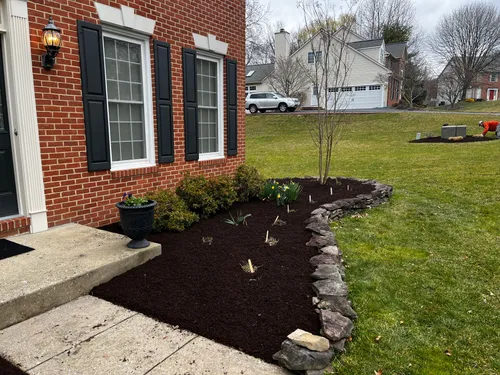
Core Aeration and Lawn Services, LLC is a landscaping and lawn care company based in Baltimore, MD. They offer a range of services including lawn aeration, overseeding, topdressing, turf renovation, mulching, garden bed maintenance, shrub trimming, tree pruning, brush hogging, leaf removal, shrub removal, and junk removal. The company serves Baltimore and surrounding areas such as Catonsville, Clarksville, Dayton, Woodbine, Columbia, West Friendship, and Ellicott City. Core Aeration and Lawn Services provides expert advice on planting and watering, helping customers maintain their landscapes effectively.
E.L.F. Designs LLC
1111 Cedar Ln, Bel Air, MD 21015
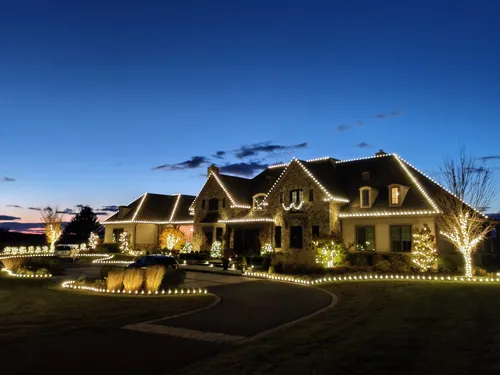
E.L.F. Designs LLC is a family-owned outdoor lighting and landscape design company based near Baltimore, MD. They specialize in holiday lighting design, installation, maintenance, and takedown, serving residential and commercial clients in Harford County and nearby areas. Their services include custom Christmas displays, permanent exterior lighting, and event lighting for weddings and special occasions. The company is familiar with local styles and climate, ensuring tailored lighting solutions that enhance outdoor spaces with safe, high-quality LED lights.
The Detail Guys
2109 Emmorton Park Rd Suite #117, Edgewood, MD 21040
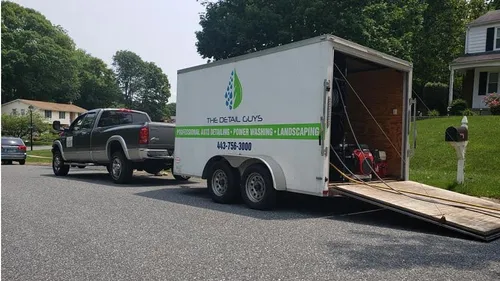
The Detail Guys is a landscaping and hardscaping company serving Baltimore, MD, and nearby areas including Edgewood and Bel Air. They offer a range of services such as landscape design, installation, maintenance, deck restoration, and pressure washing. Their expertise includes creating hardscape features like retaining walls and patios to enhance outdoor living spaces. With over 10 years of experience, The Detail Guys provide both residential and commercial landscaping solutions to improve property appearance and durability.
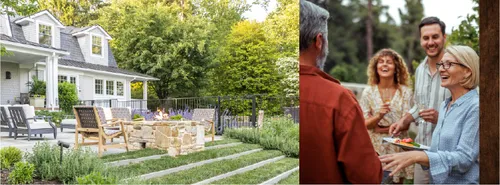
Pinehurst Landscapes
4809 Long Green Rd, Glen Arm, MD 21057
Pinehurst Landscapes is a landscape design and landscaping company based in Baltimore, MD. They specialize in creating personalized outdoor living spaces that combine thoughtful design with expert craftsmanship. Their services include landscape architecture, construction, maintenance, and seasonal decor, covering areas such as Baltimore City, Baltimore County, Howard County, Harford County, and Anne Arundel County. Pinehurst Landscapes has over 60 years of experience crafting durable and beautiful outdoor environments, including custom stonework and lush gardens, ensuring spaces that endure and provide lasting enjoyment.
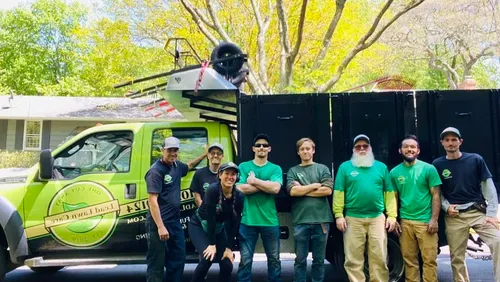
Lead Lawn Care & Services LLC
Lake Shore Dr, Pasadena, MD 21122
Lead Lawn Care & Services LLC is a landscaping company based in Baltimore, MD. They provide a broad range of services including lawn mowing, lawn care, landscape design, tree removal, stump grinding, and hardscaping such as pavers and retaining walls. With over 20 years of combined experience, the team is skilled in creating and maintaining outdoor spaces for both residential and commercial clients.
Understanding Maryland's Climate and Environment
Successful landscape design in Maryland begins with a deep respect for the local environment. The state experiences a humid continental climate with hot, humid summers and cold winters, presenting unique challenges and opportunities for your outdoor space.
- Plant Hardiness: Maryland spans USDA zones 5b to 8a. This means plant selection must account for both summer heat stress and potential winter freeze. Choosing plants rated for your specific zone is crucial for long-term survival.
- Summer Humidity & Rainfall: High humidity can promote fungal diseases on susceptible plants. The state also receives significant rainfall, making stormwater management a critical design component to prevent erosion and basement flooding.
- Soil Considerations: Maryland soils vary from the sandy coastal plains to heavy clay in other regions. A soil test is an essential first step to determine pH and nutrient levels, guiding amendments for healthy plant growth.
Core Principles of Effective Design
Every great landscape is built on foundational design principles. These concepts guide the arrangement of plants and structures to create a cohesive and pleasing result.
- Unity: This principle ensures all parts of the landscape work together as a whole. Repeating plants, colors, or materials throughout different areas creates a sense of harmony.
- Balance: Landscapes can achieve balance symmetrically (mirroring elements on either side of a central point) or asymmetrically (using different elements with equal visual weight).
- Proportion & Scale: The size of landscape elements must relate comfortably to each other and to your home. A massive tree can overwhelm a small cottage, while tiny pavers can look lost on a large patio.
- Rhythm & Line: Rhythm is created by the repetition of elements, leading the eye through the space. Lines-formed by bed edges, walkways, or the silhouette of plants-direct movement and focus. Curved lines feel natural and relaxed, while straight lines are more formal and direct.
- Focalization: A focal point, such as a specimen tree, a water feature, or a piece of garden art, draws attention and gives the landscape a sense of purpose and interest.
The Five Essential Elements
These principles are brought to life through the manipulation of five basic elements:
- Form: This refers to the shape of plants and structures. Forms can be rounded, columnar, weeping, or sprawling. Combining different forms adds visual interest.
- Line: As mentioned, lines guide the eye and create spaces. They are established by plant beds, walkways, fences, and the edges of lawns.
- Texture: Texture is the surface quality of a plant or material, perceived visually and sometimes by touch. Contrasting coarse-textured plants (like oakleaf hydrangea) with fine-textured ones (like ornamental grasses) adds depth.
- Color: Color provides the most immediate impact. Use a color wheel to plan harmonious schemes. Warm colors (reds, oranges, yellows) advance and feel energizing, while cool colors (blues, purples, greens) recede and create a calming effect 1.
- Scale: This is the size relationship between all elements. Proper scale ensures the landscape feels intentional and connected to the architecture of the home.
Popular Landscape Styles for Maryland Homes
Your landscape should reflect your personal taste while complementing your home's architecture. Several styles are particularly well-suited to Maryland.
- Native & Pollinator Gardens: This ecologically focused style uses plants indigenous to the Mid-Atlantic region. Native plants like Black-Eyed Susan, Serviceberry, and Switchgrass are adapted to local conditions, require less water and fertilizer, and provide crucial habitat for birds, butterflies, and bees. The style often incorporates natural materials like local stone and tends to be lower maintenance.
- Cottage Garden: Charming and informal, the cottage style features abundant, layered flowering plants, often mixing perennials, annuals, and herbs. Paths are meandering, and the overall feel is lush, romantic, and softly structured.
- Modern/Contemporary: Characterized by clean lines, geometric shapes, and a minimalist plant palette. Hardscaping materials like smooth concrete, metal, and large-format pavers are prominent. Planting is often architectural, using grasses, evergreens, and plants with strong forms 2.
- Traditional/Formal: This style favors symmetry, order, and classic elements. Think structured boxwood hedges, paired plants, axial pathways leading to a focal point, and timeless plantings like roses and hydrangeas.
Find the perfect landscape design companies for your needs
Get personalized recommendations and expert advice
Critical Considerations: Water, Rules, and Ecology
Maryland has specific environmental priorities, especially concerning the Chesapeake Bay. Your design should address these proactively.
- Stormwater Management: This is a non-negotiable aspect of modern Maryland landscape design. Instead of directing runoff into storm drains, consider these features:
- Rain Gardens: Shallow, planted depressions that collect and filter runoff from roofs and driveways, allowing it to soak into the ground 3.
- Permeable Pavers: These allow water to pass through the surface into a stone base below, reducing runoff from patios and walkways.
- Bioswales: Vegetated channels that slow, filter, and direct stormwater.
- Sustainable Practices: Beyond water, consider reducing lawn areas, using organic mulches, composting yard waste, and selecting pest-resistant plants to minimize chemical use 4.
Navigating Local Regulations
Before breaking ground, understand the rules that may apply to your property.
- Critical Area Laws: If your property is near the Chesapeake Bay or any of its tributaries, you are likely in the "Critical Area" and subject to strict regulations governing disturbance, planting, and impervious surfaces.
- Forest Conservation & Tree Laws: Many Maryland counties and municipalities have ordinances protecting trees, especially large specimens or those in designated areas. A "Roadside Tree Law" may govern trees on public rights-of-way. Permits are often required for removal 5.
- Stormwater Permits: Adding significant impervious surface (like a large patio or driveway) may trigger county stormwater management requirements and permits.
- Homeowners Associations (HOAs): Always review your HOA covenants, which may dictate styles, fence heights, plant palettes, and hardscape materials.
The Design and Installation Process
Working with a professional typically follows these stages:
- Consultation & Site Analysis: The designer visits your property to understand your goals, budget, site conditions (sun, slope, soil, existing plants), and regulatory constraints.
- Conceptual Design: This phase produces rough sketches outlining the overall layout, spatial relationships, and style direction.
- Master Plan & Planting Plan: The final detailed plan includes construction drawings for hardscape, precise planting plans with species and quantities, and material specifications.
- Implementation: You can hire the designer's installation team, use their plan to solicit bids from contractors, or execute the project in phases yourself.
Understanding Investment and Value
Landscape design costs in Maryland vary dramatically based on scope, materials, and site complexity. Here is a general framework:
- Simple Planting Bed Refresh: $500 - $2,000 for new plants, soil amendment, mulch, and labor.
- Specialized Garden (Rain/Native/Pollinator): $1,500 - $5,000+ for excavation, soil work, plants, and edging.
- Patio or Pathway (Hardscaping): $5,000 - $15,000+ for a small to medium-sized area, depending on materials (concrete, pavers, natural stone) and base preparation.
- Comprehensive Landscape Overhaul: $10,000 - $50,000+ for a full property design including new grading, planting, patios, walkways, lighting, and irrigation.
Remember, professional design fees are a separate investment that pays for expertise, problem-solving, and a coherent plan, ultimately saving money by preventing costly mistakes.
Frequently asked questions
Sources
Footnotes
-
The 5 Basic Elements of Landscape Design - https://www.curtilandscaping.com/blog/the-5-basic-elements-of-landscape-design/ ↩
-
Principles of Landscape Design - Colorado Master Gardener - https://cmg.extension.colostate.edu/Gardennotes/413.pdf ↩
-
LANDSCAPE MANUAL - Baltimore Office of Sustainability - https://www.baltimoresustainability.org/wp-content/uploads/2024/05/Baltimore-City-Landscape-Manual.pdf ↩
-
Landscape Design Techniques That Benefit the Environment - Arborgold - https://arborgold.com/blog/build-your-business/landscape-design-techniques-that-benefit-the-environment/ ↩
-
SHA Landscape Design Guide LDG December 2016 - https://www.roads.maryland.gov/OED/SHALandscapeDesignGuide.pdf ↩