Find the Best Landscape Design Companies for Your Business
No obligation • Fast responses • Nationwide coverage

Why you can trust Landscape Atlas
Landscape Atlas is a leading United States resource for evaluating landscaping, lawn care, and outdoor service providers. Our team researches each category in depth, focusing on service quality, safety, and customer experience. Listings and rankings are based on independent criteria and user feedback, and companies cannot pay to influence our assessments or recommendations.
Search providers near you
Best Landscape Design Companies in Michigan Ranked
A well-planned landscape design transforms your Michigan property into a beautiful, functional, and resilient outdoor space. It's the art of arranging plants, hardscapes, and structures to create an environment that suits your lifestyle while thriving in our unique climate. This guide helps you understand the key considerations, popular styles, and practical steps for a successful project, connecting you with the expertise needed to bring your vision to life.
Grow Garden and Landscape Design
21325 S Chrysler Dr, Hazel Park, MI 48030
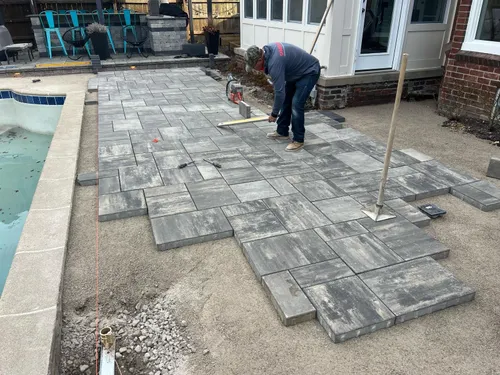
Grow Garden and Landscape Design is a landscaping company based near Detroit, MI, specializing in custom landscape design and outdoor transformations. They offer services that include new patios and complete lawn makeovers tailored to Michigan homeowners. The company focuses on creating outdoor spaces that reflect each client's unique story, supported by positive customer testimonials. Their expertise covers a range of landscaping solutions to enhance residential properties in the Detroit area.
Turrific Turf Artificial Grass Landscaping & Curbing
1125 Chateau Ave, Windsor, ON N8P 0G2, Canada
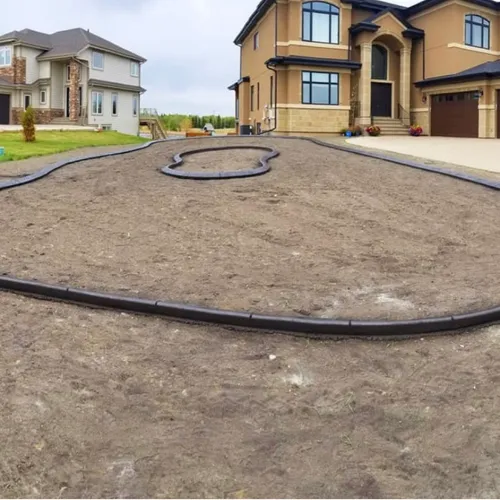
Turrific Turf Artificial Grass Landscaping & Curbing is a family-owned landscaping company based near Detroit, MI, specializing in sod installation, artificial turf, and landscape design. They work closely with customers in the Windsor area to create customized landscape designs using high-quality turf products. The team focuses on delivering tailored landscaping solutions that align with customer preferences and budgets.
Capek's Landscaping
Detroit, MI
Capek's Landscaping is a family-operated landscaping company serving Detroit, MI, and the surrounding metro Detroit area. With over 22 years of experience, they offer a wide range of services including landscape design and build, hardscaping with retaining walls and custom patios, sod and sprinkler installation, fencing, grading, and yard drainage. They also provide landscape supplies and delivery, focusing on both residential and commercial projects across Macomb and Wayne Counties. Their expertise extends to complete yard maintenance and snow removal, making them a comprehensive yard solutions provider.
All Seasons Services, landscaping, excavating, dumpster, demo,
33511 Stevenson St, Clinton Township, MI 48035
All Seasons Services is a landscape design company based in Detroit, MI, offering a wide range of outdoor solutions including landscaping, excavation, dumpster rental, and demolition. They serve residential, commercial, and industrial clients, providing tailored services to enhance outdoor spaces. One notable capability is their efficient dumpster rental service, with options suitable for various project sizes and quick delivery times. The company emphasizes quality and efficiency in all their projects.
Tino's Outdoor Services
Detroit, MI
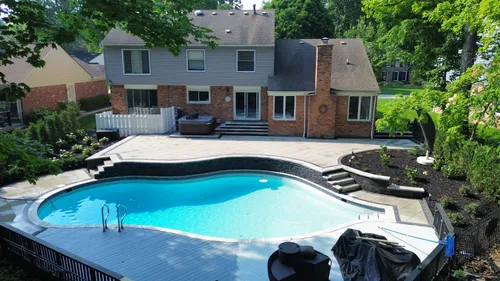
Tino's Outdoor Services is a landscaping and hardscaping company based in Detroit, MI. They offer landscape design, installation, and maintenance services, including hardscape features like pavers and retaining walls. Serving Detroit and nearby communities such as Northville, Novi, Plymouth, Dearborn, and Taylor, they focus on creating personalized outdoor living spaces that combine beauty and functionality. Established in 2021, Tino's Outdoor Services emphasizes client collaboration and satisfaction throughout the design and build process.
Understanding Michigan's Landscape Design Environment
Michigan's distinct four-season climate is the primary factor shaping any successful landscape design. The state experiences cold, snowy winters and warm, humid summers, with USDA Hardiness Zones ranging from 4 to 6. This variability demands careful plant selection and thoughtful planning for drainage and durability.
The core environmental considerations for Michigan landscaping include:
- Cold Hardiness: Plant selection is paramount. Focus on native and adapted species rated for Zones 4-6 that can survive deep freezes and temperature swings. Reliable choices include native trees and shrubs like Dogwood and Viburnum, along with hardy perennials such as Coneflower, Hosta, and Daylilies.
- Moisture Management: Michigan's variable rainfall and significant snowmelt in spring can lead to water pooling and soil erosion. A good design proactively addresses this through proper site grading, the use of permeable paving materials, and features like rain gardens that capture and filter runoff.
- Sunlight & Microclimates: Mapping the sun and shade patterns across your property throughout the day and seasons is crucial. This analysis informs where to place a sunny patio, a shade garden, or plants with specific light requirements, ensuring everything thrives in its intended location.
Popular Landscape Design Styles for Michigan Homes
Your landscape should reflect your personal taste while complementing your home's architecture. Several styles are particularly well-suited to Michigan's character and climate.
- Naturalistic & Native Gardens: This style emphasizes sustainability and ecological harmony. It uses native plants, requires less watering, and supports local pollinators. Think prairie-style meadows with native grasses and wildflowers or serene woodland gardens under mature trees.
- Cottage Garden: Charming and informal, cottage gardens feature abundant, mixed plantings of perennials, annuals, and herbs. They offer a succession of seasonal color and fragrance, creating a cozy, lived-in feel that softens the edges of your property.
- Modern & Minimalist: Characterized by clean lines, geometric shapes, and a restrained plant palette. This style often incorporates structural plants, sleek hardscaping materials like concrete and metal, and distinct outdoor "rooms" for a sophisticated look.
- Functional Outdoor Living: This approach focuses on extending your home's livable space outdoors. Designs center on patios, decks, outdoor kitchens, fire pits, and strategic lighting to create defined areas for dining, relaxation, and entertainment.
Key Planning and Regulatory Considerations
Before breaking ground, it's essential to address the practical and legal framework for your project. Proper planning prevents costly mistakes and ensures your design is built to last.
Site Analysis & Master Planning: Start with a thorough assessment of your property's conditions-soil type, drainage, existing vegetation, and sun exposure. Developing a master plan, even if implemented in phases, provides a cohesive vision and ensures all elements work together harmoniously over time 1.
Material & Plant Selection for Durability: Choose materials that can withstand freeze-thaw cycles. For hardscaping, this means proper base preparation under patios and selecting durable pavers or natural stone. For plants, prioritize natives and hardy cultivars that are disease-resistant and adapted to local conditions, reducing long-term maintenance.
Understanding Local Rules and Permits: Navigating regulations is a critical step.
- Local Ordinances: Your city or township will have rules regarding property line setbacks, maximum allowable impervious surface (like concrete), retaining wall height limits, and tree removal. Always check with your local building department first.
- HOA Guidelines: If you live in a community with a Homeowners Association, review its covenants for specific guidelines on landscape materials, plant types, fence styles, and color schemes.
- Permit Requirements: Most municipalities require permits for significant structural work. This typically includes new permanent structures (like pergolas), major grading or land disturbance, large patios, and retaining walls over a certain height (often 3-4 feet) 2.
Find the perfect landscape design companies for your needs
Get personalized recommendations and expert advice
Breakdown of Landscape Design and Installation Costs
Investment in your landscape varies widely based on project scope, materials, and complexity. Understanding typical cost ranges helps in setting a realistic budget. As a general guideline, a significant landscape renovation often represents 10-15% of your home's value, which can yield an excellent return in both enjoyment and property value.
- Small Planting Bed Installation: Refreshing or creating a new garden bed with plants, mulch, and soil amendments typically ranges from $200 to over $1,000, depending on plant size and variety.
- Patio Installation (Pavers or Stone): A new patio is a major investment in outdoor living. Costs for materials, base preparation, and professional installation generally fall between $2,000 and $10,000+, with size and material choice being the largest factors 3.
- Retaining Wall (Segmental Block): Functional for managing slopes and creating level spaces, a segmental block wall can cost between $1,000 and $5,000+, varying significantly with its height and total length.
- Comprehensive Landscape Design & Installation: A full-yard transformation involving grading, new plantings, a patio, and features like landscape lighting often represents a mid-range investment of $5,000 to $20,000 or more for a complete, integrated installation 4 5.
The Professional Design and Installation Process
Working with a professional ensures your project is beautiful, functional, and built to professional standards. The typical process involves several key stages:
- Initial Consultation & Site Visit: A designer visits your property to discuss your goals, needs, budget, and the site's opportunities and constraints.
- Conceptual & Master Planning: The designer creates preliminary sketches and a master plan that outlines the layout of spaces, plant beds, and hardscape features, providing a visual roadmap.
- Detailed Design & Material Selection: This phase involves refining the plan, selecting specific plants and materials, and developing any necessary construction documents for permitting and precise installation.
- Construction & Installation: A qualified installation team executes the plan, handling tasks from grading and base work to masonry, planting, and final adjustments.
- Project Management & Review: A professional oversees the construction phase, manages timelines and suppliers, and conducts a final walk-through to ensure the work meets the design intent.
Frequently asked questions
Sources
Footnotes
-
What to Include in a Landscape Plan - RoomSketcher - https://www.roomsketcher.com/blog/what-to-include-in-a-landscape-plan/ ↩
-
7 Landscaping Considerations: Design Tips for Your Yard - https://www.landscapingnetwork.com/landscape-design/considerations.html ↩
-
Ann Arbor Landscape Design, A Project Guide - https://www.twinoakslandscape.biz/landscape-design-project-guide/ ↩
-
Landscape Pricing Guide For Oakland County MI Homeowners - https://silvacustomdesign.com/landscape-pricing-guide/ ↩
-
Landscape Design Definition - https://www.apld.org/landscape-design-definition ↩