Find the Best Landscape Design Companies for Your Business
No obligation • Fast responses • Nationwide coverage

Why you can trust Landscape Atlas
Landscape Atlas is a leading United States resource for evaluating landscaping, lawn care, and outdoor service providers. Our team researches each category in depth, focusing on service quality, safety, and customer experience. Listings and rankings are based on independent criteria and user feedback, and companies cannot pay to influence our assessments or recommendations.
Search providers near you
Best Landscape Design Companies in Nebraska Ranked
Landscape design in Nebraska is the thoughtful process of planning and shaping your outdoor space to be beautiful, functional, and resilient. It matters because a well-designed landscape can transform your property, increase its value, and create a sustainable haven adapted to the state's unique climate. This guide will help you understand the key principles, styles, and practical steps for a successful project, connecting you with the knowledge needed to find the right local professional for your vision.
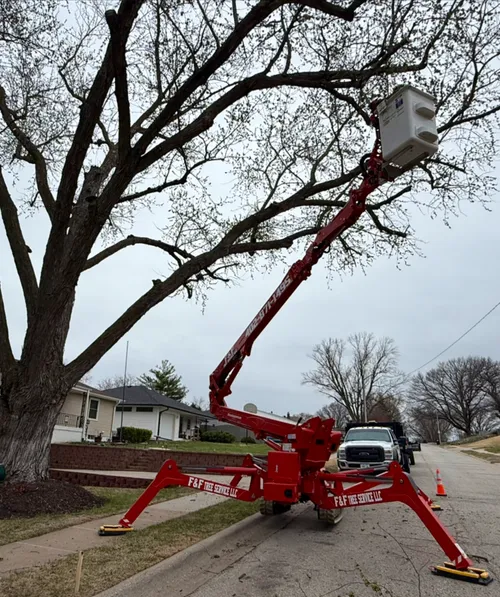
F & F Tree & Landscaping service LLC.
2424 S 12th St, Council Bluffs, IA 51501
F & F Tree & Landscaping Service LLC. is a landscaping and lawn care company based in Omaha, NE. They provide a broad range of services including landscape design, installation, and maintenance, tree pruning and removal, yard drainage and grading, sprinkler system installation and repair, and outdoor lighting. The company serves both residential and commercial clients in the Omaha Metropolitan area. Their capabilities include comprehensive landscape construction and irrigation system services. F & F Tree & Landscaping has developed long-term client relationships by consistently delivering valuable customer service and landscaping solutions.
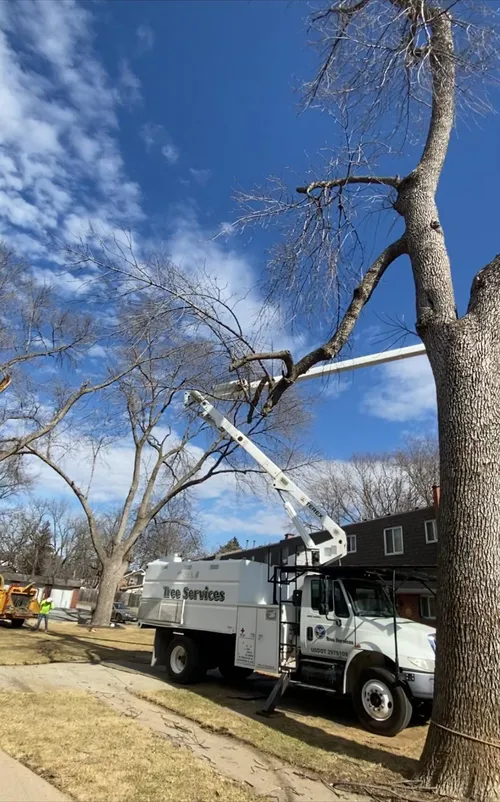
All Tree & Landscaping Service
Omaha, NE
All Tree & Landscaping Service is a landscape design and tree care company based in Omaha, NE. They offer a range of services including tree removal, trimming, stump grinding, flower and bush planting, and comprehensive landscaping solutions. With over 10 years of experience, their team includes certified arborists and skilled landscapers who serve residential and commercial clients in Nebraska, Iowa, and surrounding areas. They specialize in safe tree removal and professional landscaping tailored to each property's needs.
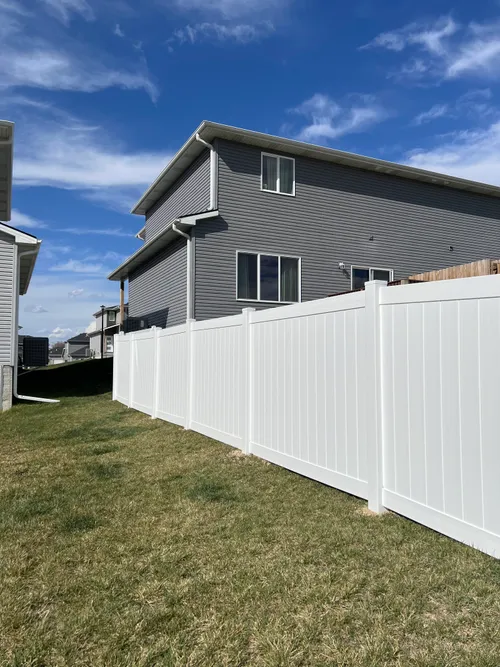
JB's Landscapes & Lawn Care
Lincoln, NE
JB's Landscapes & Lawn Care is a landscaping and lawn care company based in Lincoln, NE. Serving the community since 2014, they offer a wide range of services including landscape design, lawn treatment and fertilization, mulch services, paver installation, retaining walls, fence installation, minor grading, and drainage solutions. Their capabilities include hardscaping elements such as paver installation and retaining walls, as well as lawn care and fertilization to maintain healthy outdoor spaces.
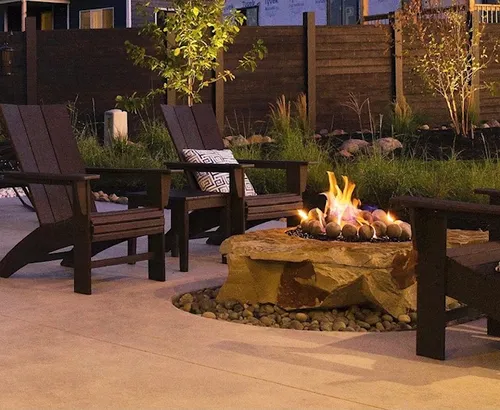
Luxury Landscape
2300 S Folsom Ct, Lincoln, NE 68522
Luxury Landscape is a landscaping company based in Lincoln, NE, offering a full range of services from landscape design to installation. They specialize in creating unique outdoor spaces that include water and fire features, focusing on detailed craftsmanship to set their work apart. With over 45 years of combined experience, their team handles all aspects of landscaping with professionalism and care. Luxury Landscape is fully insured, providing peace of mind for their clients.
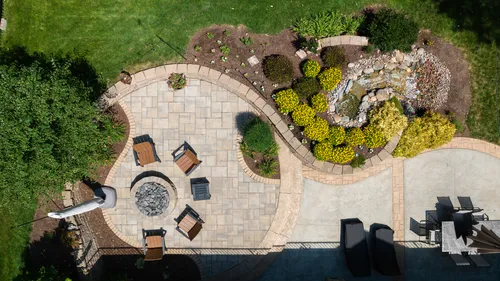
Sun Valley Landscaping
5601 Harrison St, Omaha, NE 68157
Sun Valley Landscaping is a landscaping company based in Omaha, NE, offering a wide range of residential and commercial outdoor services. Their expertise includes landscape design and build, hardscaping such as patios and retaining walls, lawn care and maintenance, irrigation installation and repair, and yard drainage solutions. The company focuses on creating tailored outdoor spaces that combine functionality with aesthetic appeal. They provide detailed design plans and professional construction to enhance property value and curb appeal. Sun Valley Landscaping also addresses drainage issues and offers ongoing maintenance to keep landscapes healthy and attractive. Serving Omaha and surrounding areas, they emphasize clear communication and craftsmanship throughout each project.
Understanding Nebraska's Landscape Design Environment
Nebraska's climate presents distinct challenges and opportunities for outdoor spaces. With hot, dry summers, cold, windy winters, and everything in between, a successful design must be built for durability and efficiency. The primary goal is to create a landscape that thrives with minimal intervention, conserving water and providing year-round interest. This starts with a thorough site analysis, considering sun exposure, soil type, drainage, and wind patterns-all critical factors that will guide every subsequent decision, from plant selection to structural placement.
The state's varied geography, from the rolling Sandhills to the Missouri River valleys, also inspires different aesthetic approaches. Whether you're drawn to the open prairie or a more traditional garden, understanding these foundational environmental factors is the first step toward a landscape that is not only stunning but also sustainable and manageable for years to come.
Key Design Considerations for Nebraska Climates
Plant Selection for Harsh Conditions
Choosing the right plants is the cornerstone of a low-maintenance, thriving Nebraska landscape. The focus should be on native and adapted species that have evolved to handle temperature extremes, drought, and wind. Plants like Purple Coneflower, Little Bluestem grass, and hardy shrubs such as American Plum are excellent choices for USDA Zones 4b-5b. These species require less water, are more resistant to local pests and diseases, and provide crucial habitat for pollinators and birds.
Managing Wind and Sun Exposure
Wind is a constant factor across much of Nebraska. Strategic design can mitigate its effects, protecting your home and creating more comfortable outdoor living areas. Incorporating windbreaks using rows of evergreen trees, dense shrubs, or even decorative fencing can slow wind velocity significantly. Similarly, carefully mapping the sun's path across your property throughout the day and year allows you to place sun-loving plants in bright areas and shade-tolerant species in protected spots, ensuring optimal plant health.
Soil and Water Management
Nebraska soils can range from heavy clay to sandy loam. A simple soil test can reveal pH and nutrient levels, guiding amendments like compost to improve structure and fertility. Water management is equally critical. Designing with water conservation in mind involves grouping plants with similar water needs (hydrozoning), incorporating efficient drip irrigation systems, and planning for rainwater capture through rain gardens or barrels. This not only saves a precious resource but also reduces runoff and erosion.
Popular Landscape Design Styles in Nebraska
Several design philosophies resonate particularly well with the Nebraska environment and aesthetic sensibilities.
Modern Prairie Style: This style embraces the state's natural heritage with clean, horizontal lines, architectural native grasses, and the use of natural materials like limestone and weathered wood. It creates a serene, contemporary look that feels integrated with the surrounding plains.
Naturalistic or Native Gardens: Focusing on local ecosystems, this style aims to recreate a slice of prairie or woodland. It uses a diverse palette of native plants arranged in informal drifts, prioritizes pollinator-friendly species, and requires minimal upkeep once established. It's a living, dynamic landscape that changes with the seasons.
Cottage or Traditional Gardens: For those who prefer lush, colorful spaces, a cottage garden style can be adapted for Nebraska. It features layered plantings, defined flower beds bursting with perennials and annuals, and an informal, welcoming feel. The key is selecting cottage-style plants that are also drought-tolerant and cold-hardy 1.
Find the perfect landscape design companies for your needs
Get personalized recommendations and expert advice
The Core Elements of Effective Design
Beyond style, all successful landscapes are built on fundamental design principles. These elements work together to create a cohesive and pleasing outdoor experience:
- Line: This refers to the way the eye moves through the landscape. Lines are created by walkways, bed edges, and the arrangement of plants. Curved lines feel natural and relaxed, while straight lines suggest formality and order.
- Form: This is the shape of plants and structures. Rounded shrubs, columnar trees, and spreading groundcovers all have distinct forms. Balancing different forms creates visual interest and structure.
- Texture: Texture is the visual and tactile surface quality of plants and materials. Contrasting fine-textured grasses with the bold leaves of a hosta or the smooth surface of river rock adds depth and complexity to the design 2.
- Color: Color provides the "wow" factor and can be used to create mood, draw attention, or unify a space. In Nebraska, consider color throughout the seasons-spring blooms, summer foliage, fall leaf color, and even winter berry and bark interest 3.
- Scale: This involves the size relationship between landscape elements and your home and property. A massive tree might overwhelm a small yard, while tiny plants can get lost on a large estate. Proper scale ensures everything feels balanced and intentional 4.
Navigating Permits and Local Regulations in Nebraska
Before breaking ground on any significant landscape project, it's essential to understand local rules. Regulations vary by city and county, and obtaining the proper permits is crucial to avoid fines or being required to remove unapproved work.
Common Projects Requiring Permits: In many Nebraska municipalities, permits are required for hardscape installations like patios, decks, and retaining walls over a certain height (often 18-24 inches). Fencing (particularly its height and location), new irrigation systems tied to the municipal water supply, and significant land grading or drainage work also typically need approval.
Checking Local Codes: Always contact your local Planning, Zoning, or Building Department to inquire about specific requirements. For example, the City of Lincoln has detailed Design Standards that address landscaping for screening, tree preservation, and ensuring public health and safety 5. Your landscape professional should be familiar with these processes and can often manage the permit application on your behalf.
Understanding Investment and Project Scope
The cost of a landscape design project in Nebraska varies widely based on its complexity, materials, and size. Here's a general breakdown of what to expect for different scopes of work:
- Planting Beds & Garden Installation: For new or refreshed planting areas, including plants, soil amendment, and mulch, costs can range from $500 to $3,000 or more, depending on plant size, variety, and the area's size.
- Hardscape Features: Adding a patio, walkway, or seating wall represents a larger investment. A basic paver patio might start around $2,000, while larger, more complex designs with high-end materials can easily reach $10,000+.
- Comprehensive Landscape Design & Installation: A full-yard transformation involving master planning, new trees, shrubs, perennial beds, irrigation, and hardscape features is a significant project. These can range from $5,000 for a modest design to $25,000 and beyond for extensive, high-quality installations with multiple elements 6 7.
Key factors influencing price include the quality of materials (e.g., natural stone vs. concrete pavers), labor costs, site accessibility, the need for irrigation systems, and any required permit fees. A detailed quote from a professional will itemize these costs for your specific plan.
Frequently asked questions
Sources
Footnotes
-
LANDSCAPING TOPICS | Woods Garden Club - https://www.woodsgardenclub.org/landscaping-topics ↩
-
Principles of Landscape Design - Colorado Master Gardener - https://cmg.extension.colostate.edu/Gardennotes/413.pdf ↩
-
The 5 Basic Elements of Landscape Design - https://www.curtilandscaping.com/blog/the-5-basic-elements-of-landscape-design/ ↩
-
Basic Principles of Landscape Design - https://plantsciences.montana.edu/horticulture/ASHS_Teaching_MethodsWG/Landscape-Design/Vendrame_Basic%20Principles%20of%20Landscape%20Design.pdf ↩
-
Design Standards - City of Lincoln, NE - https://www.lincoln.ne.gov/City/Departments/PDS/Planning/Development-Review/Design-Standards ↩
-
Landscape Sustainability - Nebraska Extension Publications - https://extensionpubs.unl.edu/publication/g1405/na/html/view ↩
-
Sustainable Landscape Design - https://plantnebraska.org/file_download/inline/27d80a30-8553-4c8a-b1ad-fa2f32a22796 ↩