Find the Best Landscape Design Companies for Your Business
No obligation • Fast responses • Nationwide coverage

Why you can trust Landscape Atlas
Landscape Atlas is a leading United States resource for evaluating landscaping, lawn care, and outdoor service providers. Our team researches each category in depth, focusing on service quality, safety, and customer experience. Listings and rankings are based on independent criteria and user feedback, and companies cannot pay to influence our assessments or recommendations.
Search providers near you
Best Landscape Design Companies in New Jersey Ranked
Creating a beautiful and functional outdoor space in New Jersey requires a thoughtful approach that works with the local environment. Professional landscape design transforms your property by harmonizing plants, structures, and terrain into a cohesive plan tailored to your lifestyle and the unique New Jersey climate. This guide will help you understand the key considerations, popular styles, and practical steps for planning your project, connecting you with the expertise needed to bring your vision to life.
Robert Thieling Landscaping LLC
Newark, NJ
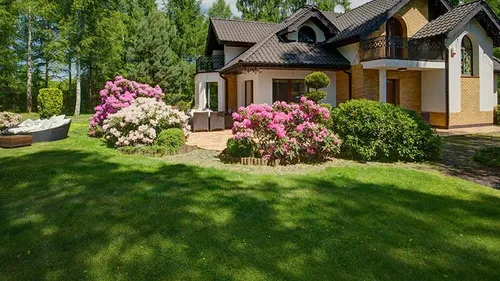
Robert Thieling Landscaping LLC is a full-service landscaping company based in Newark, NJ, serving both residential and commercial property owners. They offer a wide range of services including landscape design and construction, lawn care, sodding and seeding, garden maintenance, weed control, mulching, and hardscaping. The company is known for its personalized service and deep understanding of local regulations and landscaping best practices. Robert Thieling Landscaping LLC emphasizes sustainable maintenance and innovative design to create and preserve healthy, attractive outdoor spaces. Their approach includes efficient business practices to provide affordable landscaping solutions without hidden fees.
Green Acres Landscape Construction
Newark, NJ
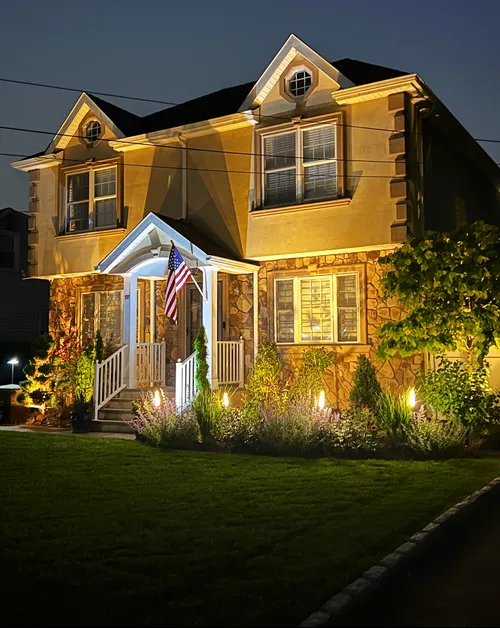
Green Acres Landscape Construction has been providing landscaping design, irrigation, and construction services in Newark, NJ, and throughout New Jersey for over 15 years. They offer a wide range of services including lawn maintenance, sod installation, fence construction, drainage solutions, hardscape lighting, and outdoor kitchen installations. The company handles both residential and commercial properties with a focus on treating each property with care and respect. Their capabilities include brick paver installation and comprehensive landscape design and maintenance.
Not Bad Landscaping
4 Ridge Rd, Nutley, NJ 07110
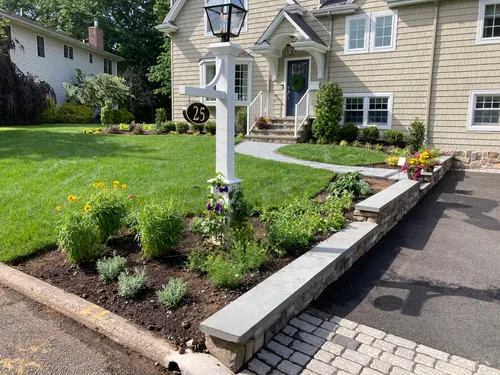
Not Bad Landscaping is a landscaping company based near Newark, NJ, offering landscape design, lawn care, and garden maintenance services. They provide customized garden designs, mulching, trimming, seasonal displays, perennial bed maintenance, power washing of pavers, and house washing. Their team began as specialty gardeners and has grown into a full-service landscaping contractor focused on thoughtful gardening and customer needs.
S&C Landscaping and Design
Newark, NJ
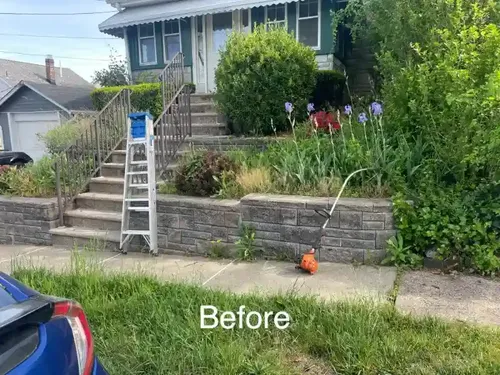
S&C Landscaping and Design is a landscaping company based in Newark, NJ. They provide landscape design and landscaping services to enhance outdoor spaces in the Newark area. The company focuses on creating and maintaining attractive and functional landscapes for residential and commercial properties.
A Little Green LLC - Jill Raleigh
130 Montclair Ave, Montclair, NJ 07042
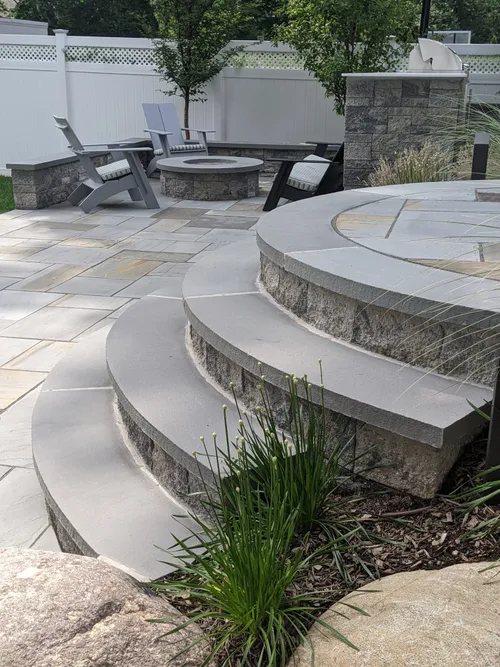
A Little Green LLC - Jill Raleigh is a landscape design company based in Newark, NJ. The business specializes in creating personalized outdoor living spaces for residential and industrial properties. Jill Raleigh focuses on designing landscapes that enhance the quality of life and work for her clients by reimagining their outdoor environments. She serves as a resource for all design-related components and collaborates closely with clients to bring their visions to life.
Understanding New Jersey's Landscape Environment
A successful design begins with a deep understanding of your site's specific conditions. New Jersey's varied geography, from coastal plains to northern highlands, creates distinct microclimates that directly influence what will thrive in your yard.
Climate & Hardiness Zones: Most of New Jersey falls within USDA Hardiness Zones 6b to 7a. This means average annual minimum temperatures range from -5°F to 5°F. This zone dictates plant selection, ensuring species can survive the winter. Reliable choices include many maples, hydrangeas, and evergreen shrubs.
Sun and Wind Exposure: Analyze how sunlight moves across your property throughout the day and across seasons. Note areas of full sun, partial shade, and deep shade. In coastal areas, salt spray and wind are significant factors, necessitating salt-tolerant plants like rugosa roses or beach plum. Inland, windbreaks using trees or fencing can protect more delicate plantings.
Soil and Drainage: New Jersey soils, particularly clay, can be heavy and retain water. Proper drainage is not just an add-on; it's a critical foundation. Poor drainage leads to plant rot, basement flooding, and mosquito breeding. Integrating solutions like rain gardens, French drains, or permeable paving into the initial design is essential for a sustainable landscape.
Core Principles of Effective Design
Applying fundamental design principles ensures your landscape is both aesthetically pleasing and practically sound.
- Unity & Harmony: Create a cohesive feel by repeating plants, colors, or materials throughout the space. This connects different areas of your yard into a single, intentional design.
- Balance: Achieve visual equilibrium. This can be symmetrical (mirrored on either side of a path) or asymmetrical (achieved with different elements of equal visual weight).
- Proportion & Scale: The size of landscape elements should relate comfortably to each other and to your home. A massive patio can dwarf a small house, while tiny shrubs can get lost on a large property 1.
- Rhythm & Movement: Guide the eye through the landscape. This can be done through the repetition of a plant form, a meandering path, or a sequence of decorative pots, creating a sense of flow.
- Focalization: Use a standout feature to draw attention-a specimen tree, a water feature, or a striking piece of garden art. This creates a visual anchor for the design.
Popular Landscape Design Styles for NJ Homes
Your personal taste and your home's architecture can guide the selection of a design style. Here are several that work well in New Jersey:
- Modern/Contemporary: Characterized by clean lines, geometric shapes, and minimalist planting palettes. Materials like poured concrete, metal, and sleek wood are common. Planting is often architectural, using grasses and shrubs with strong forms.
- Naturalistic/Native: This eco-friendly style uses native plants to mimic local habitats, promoting biodiversity and requiring less water and maintenance. Think meadows, pollinator gardens, and groves of native trees and shrubs 2.
- Cottage/Traditional: Lush, informal, and romantic. This style features mixed flower beds, winding paths, and classic materials like stone or brick. It often includes a mix of perennials, annuals, and flowering shrubs for continuous color.
- Asian-Inspired: Focused on serenity and balance, this style incorporates elements like raked gravel, water features, strategically placed stones, and carefully pruned plants like Japanese maples or bamboo to create a peaceful retreat 3.
Key Elements of a Complete Landscape Plan
A comprehensive design integrates both softscape (living elements) and hardscape (built elements).
Softscape (Plantings):
- Plant Selection: Prioritize native and adapted plants for resilience. Excellent NJ natives include Coneflower, Butterfly Weed, and Serviceberry. Reliable adapted shrubs are Boxwood, Viburnum, and Panicle Hydrangea.
- Layering: Create depth by planting in layers-tall trees, understory shrubs, perennials, and groundcovers.
- Year-Round Interest: Choose plants that offer multiple seasons of appeal, such as spring flowers, summer foliage, fall color, and winter bark or evergreen structure.
Hardscape (Structures):
- Patios & Walkways: Define outdoor living and circulation spaces. Material choices (bluestone, pavers, gravel) greatly affect cost and style.
- Retaining Walls: Manage slopes, create planting beds, and add visual structure. Can be built from stone, brick, or segmental blocks.
- Other Features: Decks, pergolas, outdoor kitchens, fire pits, and water features turn a yard into an extension of your home.
Supporting Systems:
- Lighting: Extends the use of your space into the evening, enhances safety on paths and steps, and highlights architectural or botanical features.
- Irrigation: An efficient drip or zone-based sprinkler system ensures new and established plantings receive consistent water, which is crucial during New Jersey's occasional dry spells.
- Drainage: As noted, integrating drainage solutions from the start protects your investment and your property's foundation.
Find the perfect landscape design companies for your needs
Get personalized recommendations and expert advice
Navigating Logistics: Permits and Professional Planning
Before breaking ground, it's crucial to address local regulations. Many landscape projects require permits, and skipping this step can lead to fines or being forced to remove work.
Common Projects Requiring Permits:
- Hardscaping: Most patios, especially if they cover a large area or alter drainage, may need approval. Retaining walls over a certain height (often 3-4 feet) almost always require a permit.
- Grading & Drainage: Significant changes to soil elevation or the installation of extensive drainage systems often need to be reviewed to ensure they don't negatively impact neighboring properties.
- Structures: Freestanding walls, large pergolas, decks, and certainly outdoor kitchens or fireplaces with built-in gas or electrical lines will be subject to building codes.
- Utility Safety: Always call 811 (New Jersey's Dig Safe hotline) at least three business days before any digging project. This free service marks the location of underground utility lines, preventing dangerous and costly accidents.
Working with a Professional Designer: A qualified landscape designer or architect translates your ideas into a detailed plan. They handle site analysis, concept development, plant and material specifications, and often provide guidance on permits and contractor selection. Design fees can range from $1,000 to $5,000+ for a full residential plan, and this cost is sometimes credited toward the installation project with the same firm.
Understanding Investment and Value
Landscaping costs vary dramatically based on the project's scope, materials, and site complexity. Here's a general overview of what to expect in New Jersey:
- Basic Planting Beds & Mulch: For refreshing or adding new garden areas, budgets can range from $500 to $5,000, depending on plant size, quantity, and variety.
- Paver Patio: A standard 15'x20' patio can range from $3,000 to over $10,000. The final cost is driven by paver material (concrete vs. natural stone), site preparation, drainage work, and any additional features like built-in seating or lighting 4 5.
- Comprehensive Landscape Makeover: A project involving new patios, planting, lighting, and a lawn can easily start in the $15,000 to $30,000+ range.
- High-End Outdoor Living: Adding complex structures like an outdoor kitchen with appliances, a stone fireplace, or a custom water feature can push projects into the $30,000 to $75,000+ territory 6.
Remember, a well-executed landscape design is an investment that increases property value, enhances curb appeal, and creates personal enjoyment for years to come.
Frequently asked questions
Sources
Footnotes
-
Principles of Landscape Design - Colorado Master Gardener - https://cmg.extension.colostate.edu/Gardennotes/413.pdf ↩
-
Basic Design Principles that can be Applied When ... - https://sceniclandscaping.com/basic-design-principles-that-can-be-applied-when-landscaping-in-nj/ ↩
-
Transforming Your New Jersey Yard: Landscape Design Essentials - https://www.hightechlandscapes.com/resource-blogs/nj-landscape-design-essentials/ ↩
-
Transforming Your New Jersey Yard: Landscape Design ... - https://www.hightechlandscapes.com/resource-blogs/nj-landscape-design-essentials/ ↩
-
Residential Landscape Design in NJ: Costs & Ideas - https://www.borstlandscape.com/articles/residential-landscape-design-in-bergen-county/ ↩
-
The 5 Basic Elements of Landscape Design - https://www.curtilandscaping.com/blog/the-5-basic-elements-of-landscape-design/ ↩