Find the Best Landscape Design Companies for Your Business
No obligation • Fast responses • Nationwide coverage

Why you can trust Landscape Atlas
Landscape Atlas is a leading United States resource for evaluating landscaping, lawn care, and outdoor service providers. Our team researches each category in depth, focusing on service quality, safety, and customer experience. Listings and rankings are based on independent criteria and user feedback, and companies cannot pay to influence our assessments or recommendations.
Search providers near you
Best Landscape Design Companies in New Mexico Ranked
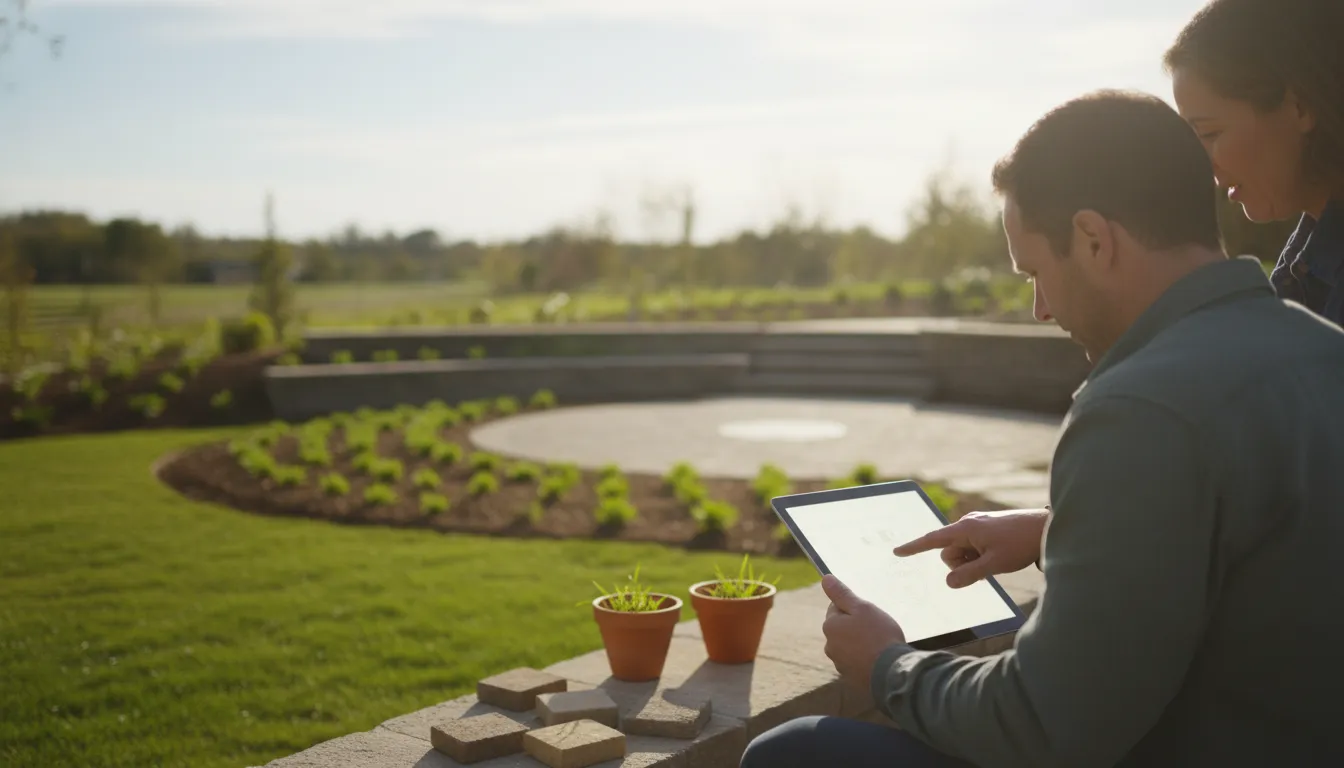
Creating a beautiful and functional outdoor space in New Mexico is a unique opportunity to blend artistry with environmental stewardship. Professional landscape design here is more than just planting; it's a thoughtful process of crafting outdoor living areas that are resilient, water-wise, and deeply connected to the region's stunning natural and cultural heritage. This guide will help you understand the key considerations, styles, and practical steps for transforming your property, connecting you with the principles that local experts use to create sustainable and captivating yards.
Enchanted Scape & Design LLC.
Albuquerque, NM
Enchanted Scape & Design LLC. is a landscaping and hardscaping company based in Albuquerque, NM. They offer landscape design services tailored to fit clients' lifestyles and budgets, including custom concrete work, natural stone accents, turf installation, and xeriscaping. Their team focuses on creating functional and attractive outdoor spaces, using concrete for durable and visually interesting features. The company emphasizes client collaboration to ensure satisfaction with the design and final result.
Just Sprinklers
4500 Bogan Ave NE, Albuquerque, NM 87109
Just Sprinklers is a landscape design and irrigation company based in Albuquerque, NM. They specialize in landscaping, sprinkler installation, and repair, offering tailored solutions that address the unique climate and terrain of the area. With over 28 years of experience since 1996, they provide services including efficient irrigation system installation and water feature construction, helping clients maintain sustainable and visually appealing outdoor spaces. The company supports both full-service projects and DIY customers, supplying quality products and expert advice. Just Sprinklers also offers 24/7 service availability to meet customer needs around the clock.
Red Shovel Landscape
9100 2nd St NW, Albuquerque, NM 87114
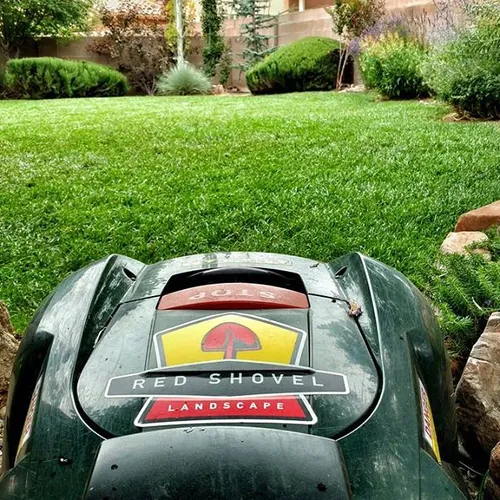
Red Shovel Landscape is a landscaping company based in Albuquerque, NM. They offer a range of lawn care services including mowing, fertilization, weed control, tree services, sprinkler installation and repair, landscape lighting, and design. Their team focuses on creating outdoor spaces that blend natural beauty with practicality, maintaining healthy lawns and plants, and providing seasonal lighting installations. They have experience in sprinkler system replacement and drip system repairs, demonstrating capabilities in irrigation services. Red Shovel Landscape works around client schedules to accommodate project timing and handles jobs of varying sizes.
Arborscapes Ground Maintenance and Landscaping, LLC
2420 Comanche Rd NE, Albuquerque, NM 87107
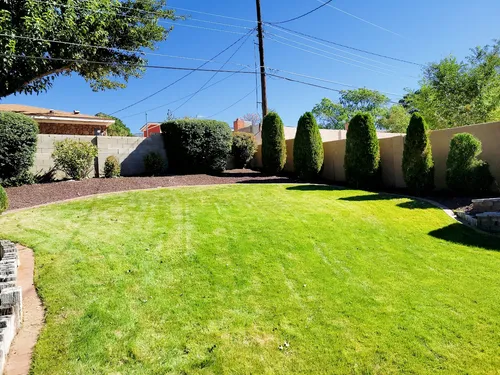
Arborscapes Ground Maintenance and Landscaping, LLC is a family-owned landscaping company based in Albuquerque, NM. They provide a wide range of services including lawn mowing, lawn fertilization, weed control, landscape design, tree removal, stump grinding, sprinkler installation and repair, land clearing, hardscaping, and grounds maintenance for both residential and commercial properties. The company emphasizes custom solutions tailored to clients' lifestyles and priorities, with a focus on desert landscaping suited to the Albuquerque area. Arborscapes has grown through word of mouth and values quality, precision, creativity, and integrity in their work.
Whelchel Landscaping & Construction
1047 NM-528, Bernalillo, NM 87004
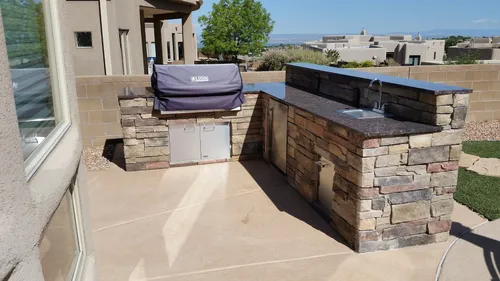
Whelchel Landscaping & Construction is a family-owned landscaping company serving Albuquerque, NM, and nearby areas. With over 20 years in business and more than 50 years of combined team experience, they offer landscape design and installation services. Their advanced 2D and 3D design capabilities allow clients to visualize and refine their outdoor spaces before work begins, ensuring precise and personalized results.
The Foundation: Designing for New Mexico's Climate
The most successful landscape designs in New Mexico begin by respectfully addressing the local environment. The arid climate presents specific challenges that, when planned for, become opportunities for distinctive beauty.
- Water Scarcity: This is the primary driver of design choices. Xeriscaping-the practice of using drought-tolerant plants and efficient watering-is not just a trend but a necessity. This involves selecting native plants like succulents, agaves, yuccas, and native grasses, and incorporating efficient irrigation systems like drip lines to deliver water directly to roots, minimizing waste and evaporation.
- Intense Sun and Heat: Providing shade is crucial for human comfort and plant health. Designs often include deeply recessed portals (covered porches), verandas, pergolas with climbing vines, and strategic placement of trees. These elements are inspired by traditional Southwestern architecture, creating cool retreats during the hottest parts of the day.
- Wind and Dust: In many areas, wind can be a factor. Effective designs use windbreaks such as stucco or stone walls, dense evergreen plantings, or berms (mounded earth) to protect seating areas and delicate plants from drying winds and dust.
Defining Your Style: New Mexican Landscape Aesthetics
Your outdoor space can reflect various interpretations of regional style. Here are the most prevalent design aesthetics in New Mexico:
- Southwestern/Pueblo Revival: This style draws directly from the region's indigenous and historic architecture. Think earth-toned stucco walls, accents of river rock or adobe brick, courtyards for private outdoor rooms, and traditional features like kiva fireplaces. Planting is bold and architectural, featuring agave, yucca, cholla, and native grasses, often arranged in gravel beds.
- Modern Southwest: A more contemporary take that blends clean, geometric lines with natural textures. Smooth stucco contrasts with rough-cut stone, and planting is often minimalist-think sculptural succulents, ornamental grasses, and a restrained color palette. The focus is on creating a seamless indoor-outdoor flow with defined lines and open spaces.
- Traditional New Mexican: A blended style that incorporates elements from both. It may use classic materials like brick, flagstone, and vibrant tiles in terracotta or turquoise. Planting beds can be lusher but still water-wise, featuring drought-tolerant perennials and shrubs alongside small patches of hardy turfgrass, all centered around comfortable patios and portals.
Key Elements of a New Mexico Landscape Plan
A professional design plan is a detailed blueprint. For New Mexico, several elements are particularly critical:
- Hardscaping: This includes non-living features like patios, walkways, retaining walls, and outdoor kitchens. Local materials such as flagstone, tuff stone, and pavers in earthy colors are preferred for their natural look and durability. These elements define spaces and provide structure year-round.
- Water-Wise Planting Plan: A detailed map showing the specific location, quantity, and species of every plant. A good plan groups plants with similar water and sun needs together (called hydrozoning) to maximize irrigation efficiency. It also considers mature plant size to avoid overcrowding 1.
- Irrigation System Design: An efficient irrigation system is the backbone of a sustainable landscape. The plan should specify drip zones for planting beds, possible bubbler systems for trees, and highly efficient sprinkler heads for any turf areas, all controlled by a smart timer that adjusts for weather2.
- Outdoor Living Features: New Mexico's climate is ideal for extending living space outdoors. Common features include covered seating areas (portals), fire pits or fireplaces for cool evenings, outdoor kitchens, and strategic landscape lighting to enhance safety and ambiance after sunset.
Navigating Rules and Regulations
Before breaking ground, it's essential to understand the legal and community guidelines that may affect your project.
- Local Municipal Codes: Cities like Albuquerque have specific development plans and codes governing exterior finishes, materials, fencing heights, and even required landscaping for new developments. Always check with your local planning department for necessary permits, especially for structural work like large retaining walls, patios, or electrical work for lighting 3.
- Homeowners Association (HOA) Guidelines: If you live in a managed community, your HOA will likely have covenants covering acceptable plant palettes, hardscape materials, paint colors, and fence styles. Obtaining HOA approval before finalizing your design is a crucial step4.
- Utility Locations: Always call 811 (New Mexico's Blue Stakes) before any digging to have underground utility lines marked. This is a free service and is required by law.
Find the perfect landscape design companies for your needs
Get personalized recommendations and expert advice
Understanding Investment and Cost Factors
The cost of a landscape design project in New Mexico varies dramatically based on scope, materials, and complexity. While every project is unique, general ranges can help set expectations.
- Small-Scale Update: A refresh focusing on new drought-tolerant plants, mulch, and minor hardscape like a small gravel path or planting bed borders might range from $1,000 to $5,000+.
- Medium-Scale Project: Installing a new patio with mid-range materials (like concrete pavers), a basic seating area, a drip irrigation zone, and several mature shrubs or small trees often falls in the range of $5,000 to $20,000+.
- Large-Scale Renovation: A full property transformation with extensive custom hardscaping (flagstone patios, outdoor kitchen), complex lighting and irrigation systems, large specimen trees, and custom features like a fire pit or water feature can range from $20,000 to well over $100,0005.
Key factors influencing cost include:
- Material Choice: Flagstone and tumbled pavers are typically more expensive than stamped concrete or basic gravel.
- Plant Size & Quantity: Larger, more mature plants and trees cost more to purchase and install.
- Labor Intensity: Intricate stonework, significant grading, and custom features require more skilled labor time.
- System Complexity: Adding a multi-zone smart irrigation system or extensive low-voltage lighting will increase the budget.
The Professional Design Process
Working with a professional typically follows a structured path:
- Initial Consultation: Discuss your vision, budget, site challenges, and lifestyle needs.
- Site Analysis: The designer assesses your property's sun exposure, soil, drainage, views, and existing structures.
- Conceptual Design: You'll receive preliminary sketches showing layout ideas for spaces, pathways, and planting areas.
- Master Plan Development: This is the detailed, scaled blueprint including all elements: hardscape layouts, planting plans, irrigation diagrams, and construction details.
- Implementation: You can use the master plan to obtain bids from contractors or have the designer manage the installation.