Find the Best Landscape Design Companies for Your Business
No obligation • Fast responses • Nationwide coverage

Why you can trust Landscape Atlas
Landscape Atlas is a leading United States resource for evaluating landscaping, lawn care, and outdoor service providers. Our team researches each category in depth, focusing on service quality, safety, and customer experience. Listings and rankings are based on independent criteria and user feedback, and companies cannot pay to influence our assessments or recommendations.
Search providers near you
Top Landscape Design Companies in Mount Vernon, New York Ranked
Transforming your Mount Vernon property with thoughtful landscape design creates an outdoor space that is both beautiful and functional, increasing your home's curb appeal and livable square footage. In Westchester County, a successful design must account for the local climate, soil conditions, and your personal lifestyle needs. This guide will help you understand the key considerations, from selecting hardy plants to planning outdoor living areas, so you can effectively collaborate with local professionals to bring your vision to life.
Old Mill Sprinkler Company
1862 Newbridge Rd Suite B, Bellmore, NY 11710
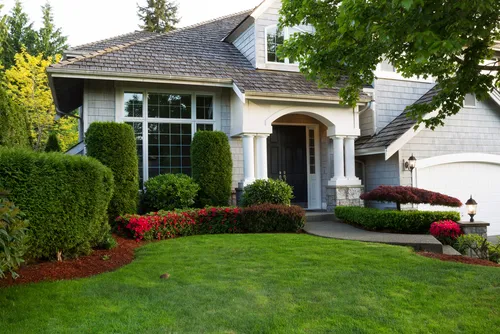
Old Mill Sprinkler Company is a landscaping and irrigation service provider based in New York, NY. They specialize in sprinkler installation, sprinkler repair, landscape lighting installation, and landscape design. Their team is trained to handle both residential and commercial irrigation systems, offering services such as routine maintenance, troubleshooting, and system monitoring that can adjust watering based on weather conditions. The company emphasizes using premium equipment to ensure long-term functionality and supports healthy plant and tree care through proper irrigation. They also provide landscape design and planting services.
Hicks Landscape Design
100 Jericho Tpke Suite 102, Westbury, NY 11590
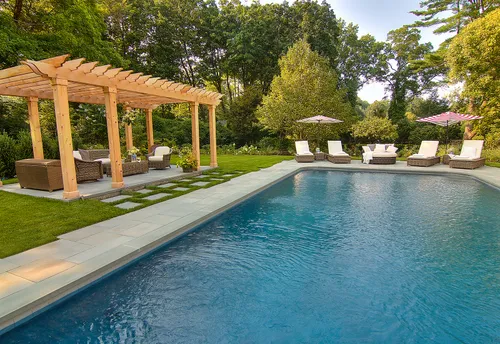
Hicks Landscape Design is a landscape design and installation company serving New York, NY. They offer a range of services including backyard living spaces, outdoor kitchens, patios, garden paths, retaining walls, and custom pool designs. As a sixth generation family business with roots dating back to 1853, Hicks Landscape Design combines tradition with expertise to create award-winning landscapes. Their experience includes detailed planning for plantings and hardscaping elements to enhance both curb appeal and outdoor functionality.
Hillsdale Landscaping & Construction
27 Legion Pl, Hillsdale, NJ 07642
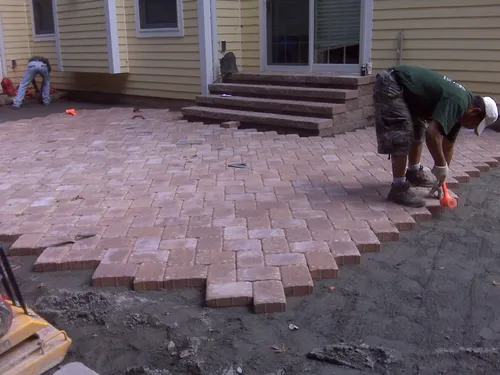
Hillsdale Landscaping & Construction is a landscaping and hardscaping company based near New York, NY. They provide landscape design, yard drainage solutions, grading services, and installation of paver walkways, patios, and driveways. Their services include water management to address issues like basement water and yard puddles, as well as plantings and garden design to enhance privacy and rejuvenate properties.
CLC Landscape Design
58 Ringwood Ave, Ringwood, NJ 07456
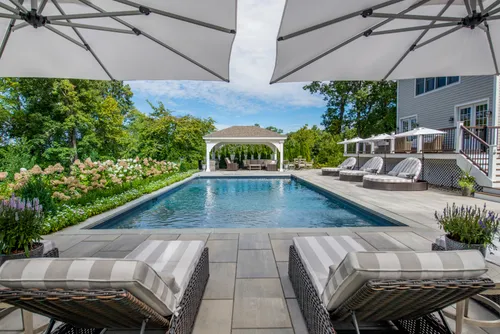
CLC Landscape Design is a landscape design company based in New York, NY. They specialize in creating detailed landscape blueprints that focus on structure, flow, and personalized outdoor spaces. Their design process includes careful planning from layout to material selection to ensure functional and attractive backyards.
RVG Landscape Design
114 Cannonball Rd, Pompton Lakes, NJ 07442
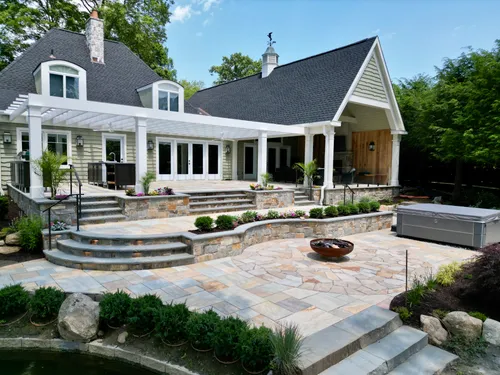
RVG Landscape Design is a landscaping and hardscaping company serving New York, NY. They specialize in designing and building outdoor spaces, including backyard paver patios, walkways, and full outdoor living environments. Their work covers Bergen and Passaic County, including towns like Wayne, Franklin Lakes, Ridgewood, and Wyckoff. The team focuses on craftsmanship and uses high-quality materials to enhance residential properties.
Understanding Mount Vernon's Landscape Environment
A resilient and thriving garden in Mount Vernon starts with a deep understanding of the local environmental conditions. The city falls within USDA Hardiness Zones 7a and 7b, which means plants must withstand cold winters with average minimum temperatures between 0°F and 10°F, as well as hot, humid summers. This climate dictates plant selection, pushing gardeners toward cold-hardy species that can also handle summer heat.
Soil composition is another critical factor. Much of Westchester County, including Mount Vernon, has clay-heavy soil 1. Clay soil retains water well but drains poorly, which can lead to waterlogged roots and plant stress. Successful planting here often requires amending the soil with organic matter like compost to improve drainage and aeration. Conducting a simple soil test can reveal pH levels and nutrient deficiencies, providing a roadmap for creating a healthy foundation for your plants.
Water management is especially crucial in an urban setting like Mount Vernon. Proper grading and drainage systems are not just an afterthought; they are essential for preventing soil erosion, managing stormwater runoff, and protecting your home's foundation 2. Integrating solutions like rain gardens, permeable pavers, or French drains during the initial design phase can save significant trouble and expense down the line.
Core Principles for Effective Garden Design
Great landscape architecture is built on timeless principles that guide the arrangement of plants and hardscape elements. Adhering to these concepts ensures your outdoor space feels intentional and harmonious.
- Unity and Balance: Unity is achieved when all parts of the design work together to create a cohesive whole. This can be done through repetition of plants, colors, or materials. Balance provides stability and can be symmetrical (mirroring elements on either side of a central point) or asymmetrical (achieving equilibrium through different elements of equal visual weight) 3.
- Simplicity: Avoid the temptation to overcrowd your space with too many different plant species or decorative items. A simple, clean design with a restrained plant palette is often more powerful and easier to maintain than a chaotic one 4. Let key elements breathe and stand out.
- Focal Points: Every well-designed space needs a point of interest that draws the eye. In landscape design, this could be a specimen tree with beautiful fall color, a bubbling fountain, a striking piece of garden art, or a cozy fire pit area 5. A strong focal point gives the landscape structure and purpose.
Designing for Function: Front Yards vs. Backyards
Your approach to landscape planning will differ significantly depending on whether you're focusing on the public-facing front yard or the private backyard oasis.
Front Yard Curb Appeal The front yard is your home's introduction to the neighborhood. Design here often prioritizes neatness, symmetry, and low-maintenance beauty. For Mount Vernon's traditional and modern homes, defined edges, clean lines, and structured plantings are key. Consider using evergreen shrubs like boxwood for year-round structure, complemented by flowering shrubs such as hydrangeas or azaleas for seasonal color 6. A welcoming walkway, proper lighting, and a healthy, well-edged lawn contribute significantly to that critical first impression.
Backyard Living Spaces The backyard is typically where function takes center stage. This is your opportunity to extend your living space outdoors. Modern backyard design focuses on creating defined "rooms" or zones for different activities.
- Dining & Cooking Zones: This is where patios, decks, and outdoor kitchens come into play. Using durable materials like pavers or natural stone creates a foundation for furniture and grills.
- Lounging & Entertainment Zones: Incorporate comfortable seating around a fire pit or under a pergola for shade. This area is designed for relaxation and socializing.
- Recreation & Green Space: Leave room for a lawn area for children or pets to play, or consider a dedicated garden bed for growing vegetables or cut flowers.
Find the perfect landscape design companies for your needs
Get personalized recommendations and expert advice
Selecting Plants for Resilience and Beauty
Choosing the right plants is perhaps the most important step in ensuring your landscape design thrives for years to come with minimal intervention. The smartest strategy for Mount Vernon homeowners is to focus on native and adapted species.
Native plants, such as serviceberry (Amelanchier), red maple (Acer rubrum), butterfly weed (Asclepias tuberosa), and purple coneflower (Echinacea purpurea), have evolved to thrive in the local climate and soil. They generally require less water, fewer fertilizers, and are more resistant to local pests and diseases. Beyond being practical, they provide essential food and habitat for local birds, butterflies, and pollinators, turning your garden into a small ecosystem.
Effective planting also involves thoughtful layering. A multi-tiered approach adds depth, texture, and year-round interest:
- Canopy Layer: Trees provide shade, structure, and height.
- Understory Layer: Shrubs and smaller trees fill the middle space, offering privacy and greenery.
- Herbaceous Layer: Perennials and grasses add seasonal color and movement.
- Groundcover Layer: Low-growing plants cover bare soil, suppress weeds, and help control erosion.
Incorporating Hardscape and Outdoor Features
Hardscaping refers to the non-living elements of your landscape design. These features provide structure, define spaces, and enhance usability.
- Patios and Walkways: The material you choose-bluestone, brick, concrete pavers, or gravel-sets the tone for your entire outdoor area. Installation costs can range from $15 to over $40 per square foot, depending on the material and complexity of the design.
- Outdoor Kitchens and Fire Features: These elements truly make your backyard a destination. An outdoor kitchen can be a simple built-in grill station or a fully equipped kitchen with countertops, refrigeration, and storage, with projects ranging from $5,000 to $20,000 or more. A fire pit or fireplace creates a natural gathering spot and extends the usability of your yard into cooler evenings.
- Landscape Lighting: Proper lighting is transformative, highlighting architectural features, illuminating pathways for safety, and creating ambiance. A professionally designed lighting system can cost between $1,000 and $5,000 but dramatically increases the enjoyment and security of your property after dark.
Understanding Project Investment
The cost of a landscape design project in Mount Vernon varies widely based on scope, materials, and the complexity of the installation. It's helpful to think in terms of component costs to build a realistic budget. Basic planting beds may start around $500, while mature tree installations or extensive perennial gardens can reach $5,000 or more 7 8. As noted, hardscaping and built features represent a significant portion of the budget. The final price is influenced by site accessibility, the need for grading or drainage work, and the specific plants and materials selected. Obtaining detailed quotes from several local professionals is the best way to understand the investment for your unique vision.
Frequently asked questions
Sources
Footnotes
-
The Ultimate Guide to Landscape Design in New York's ... - https://gallivancompanies.com/blog/ultimate-guide-landscape-design-new-york-capital-region ↩
-
SUSTAINABLE URBAN SITE DESIGN MANUAL - NYC.gov - https://www.nyc.gov/html/ddc/downloads/pdf/ddc_sd-sitedesignmanual.pdf ↩
-
What are the 7 Principles of Landscape Design? - https://hearnlandscape.com/what-are-the-7-principles-of-landscape-design/ ↩
-
6 Principles of Landscape Design - https://www.rostlandscaping.com/principles-of-landscape-design/ ↩
-
5 Elements of Landscape Design: All You Need to Know - https://www.absolutelawnpros.com/the-essential-elements-of-landscape-design-for-perfect-outdoor-spaces/ ↩
-
Landscaping for Front Yards: Designs for Any Home | Lowe's - https://www.lowes.com/n/ideas-inspiration/front-yard-landscaping-ideas ↩
-
HIgH performance landscape guIdelInes 21st century parks ... - https://www.nycgovparks.org/sub_about/go_greener/design_guidelines.pdf ↩
-
Landscaping Project Costs: Here Are the Key Factors That Affect Your Project's Final Price - https://www.tusseylandscaping.com/learning-hub/landscaping-project-costs-here-are-the-key-factors-that-affect-your-projects-final-price/ ↩