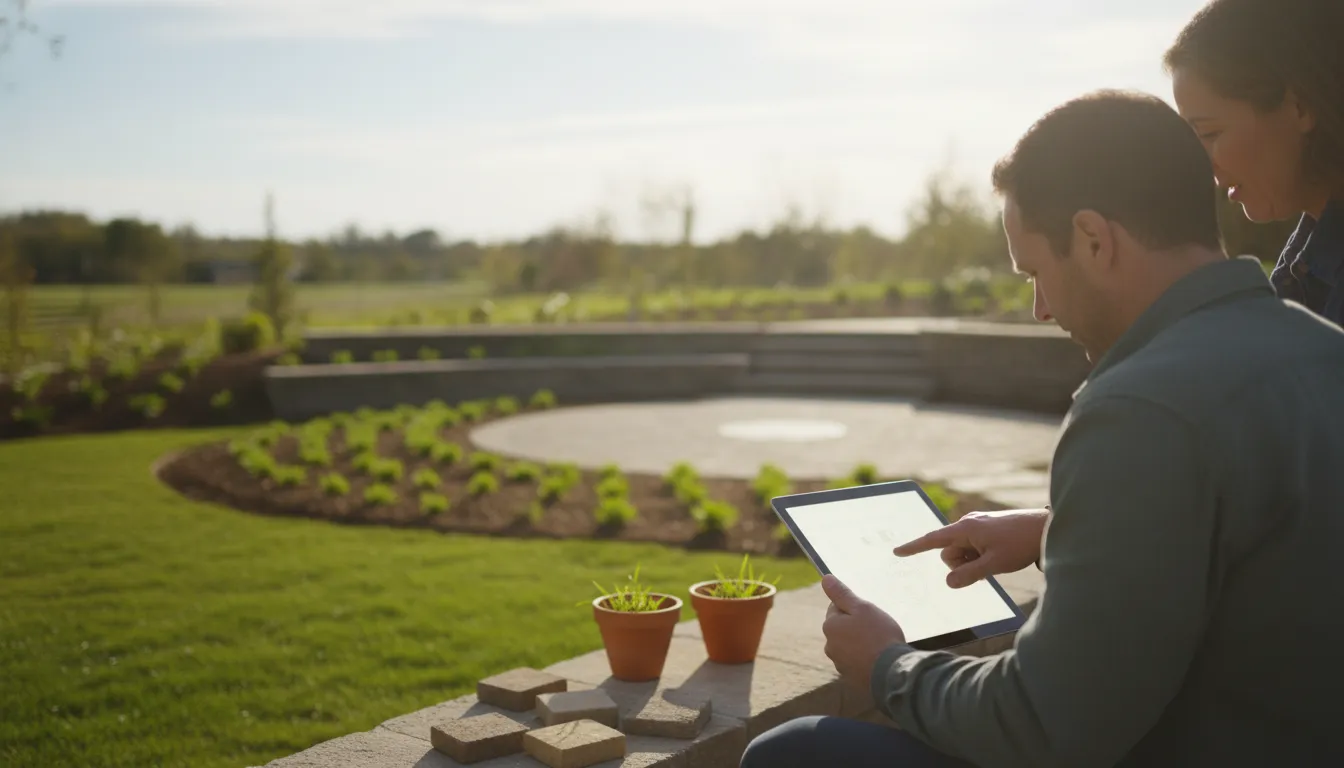
Find the Best Landscape Design Companies for Your Business
No obligation • Fast responses • Nationwide coverage

Why you can trust Landscape Atlas
Landscape Atlas is a leading United States resource for evaluating landscaping, lawn care, and outdoor service providers. Our team researches each category in depth, focusing on service quality, safety, and customer experience. Listings and rankings are based on independent criteria and user feedback, and companies cannot pay to influence our assessments or recommendations.
Search providers near you
Top Landscape Design Companies in Mentor, Ohio Ranked
A well-crafted landscape design transforms your Mentor property into a beautiful, functional extension of your home. It's more than just planting flowers; it's a strategic plan that considers your local climate, soil, and lifestyle to create an outdoor space that thrives in Northeast Ohio's four seasons. This guide will help you understand the key elements of residential landscaping in Mentor, from foundational principles to plant selection, so you can confidently plan your project and connect with skilled local professionals who bring these ideas to life.
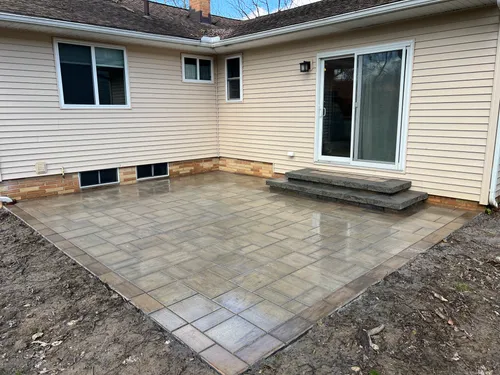
McCausland Landscapes
8496 W Craig Dr, Chagrin Falls, OH 44023
McCausland Landscapes is a landscaping and hardscaping company based in Cleveland, OH. They offer landscape design, custom fire pit patios, stack stone retaining walls, open air pavilions, and composite decks. The company uses high-quality materials such as Techo Bloc, Unilock, and top composite decking brands like Trex and Azek. McCausland Landscapes provides personalized design services to create unique outdoor spaces.
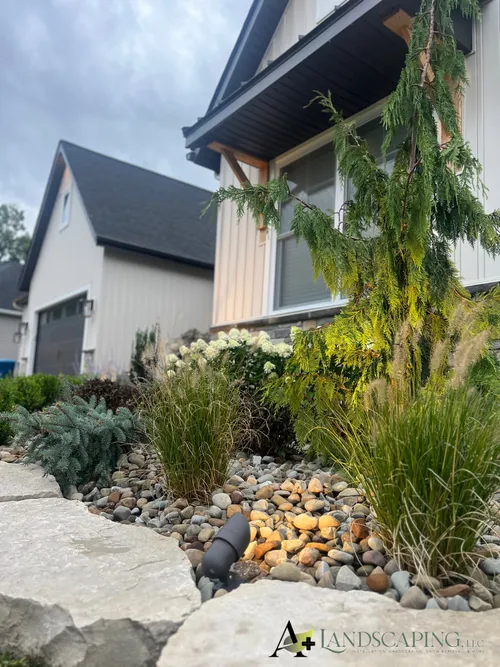
A+ Landscaping LLC
7955 Euclid Chardon Rd, Kirtland, OH 44094
A+ Landscaping LLC is a landscaping company based in Cleveland, OH, offering landscape design and landscaping contractor services. They provide tailored landscaping solutions to meet client needs in the Cleveland area. The company focuses on creating customized outdoor spaces through professional landscape design and installation.
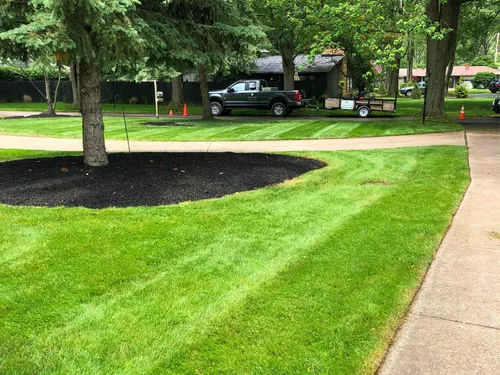
Innovative Companies LTD
11148 Chardon Rd, Chardon, OH 44024
Innovative Companies LTD is a landscaping and hardscaping contractor serving Cleveland, OH, and nearby communities. They offer a wide range of services including landscape design and installation, lawn care, tree services, yard drainage, and outdoor lighting. Their capabilities include custom hardscaping such as retaining walls and fire pits, as well as hydroseeding for large or difficult areas. With 13 years of direct experience and a combined team skill of 75 years, they have completed numerous residential and commercial projects. The company also provides after-hours availability to accommodate customer scheduling needs.
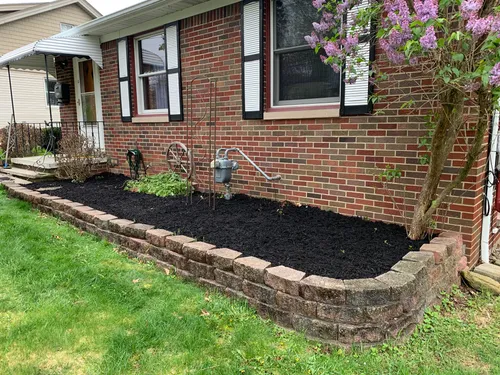
GREENCAY LANDSCAPING LLC
Brownfield Dr, Parma, OH 44129
GREENCAY LANDSCAPING LLC is a family-owned landscaping and lawn care company based in Cleveland, OH. Founded in 2023, the business serves Parma and nearby communities with services ranging from lawn mowing and maintenance to complete landscape design and installation. They offer custom quotes tailored to individual needs and operate on a scheduled basis with confirmed appointments. GREENCAY LANDSCAPING LLC is fully licensed and insured in Ohio.
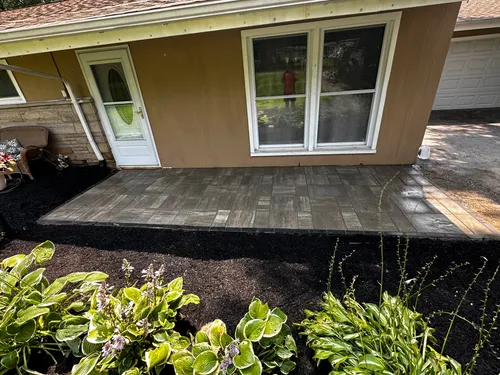
Bear Landscape & Design, LLC
Cleveland, OH
Bear Landscape & Design, LLC is a landscaping company based in North Royalton, OH, serving Cleveland and the surrounding area. They provide a wide range of outdoor services including landscape design, lawn maintenance, sod installation, patio and retaining wall construction, land clearing, mulching, and seasonal cleanup. The company is known for its comprehensive approach to creating functional and elegant outdoor spaces, with capabilities such as custom patio installations and retaining wall construction. Founded by a high school entrepreneur, Bear Landscape & Design emphasizes quick response times and quality workmanship.
Understanding Mentor's Landscape Environment
Successful outdoor design begins with a deep understanding of your local environment. In Mentor, two critical factors shape every landscaping decision: the climate and the soil.
USDA Hardiness Zone 6a Mentor, like much of Northeast Ohio, falls within USDA Plant Hardiness Zone 6a. This means you can expect average annual minimum winter temperatures between -10°F and -5°F. This climate presents a distinct cycle of cold, snowy winters and warm, humid summers, with a significant freeze-thaw cycle in spring. A resilient landscape plan must account for this by selecting plants that are not only cold-hardy but can also handle summer heat and the variable conditions of spring and fall. The goal is to create a design with year-round interest, ensuring your yard looks intentional and attractive even in the dormant winter months.
Clay-Based Soil Composition The native soil in the Mentor area is often clay-heavy. While clay soil is nutrient-rich, it can be dense, slow to drain, and hard for plant roots to penetrate when dry. The key to managing this is soil amendment. Incorporating generous amounts of compost, leaf mold, or other organic matter improves soil structure, enhances drainage, and provides essential nutrients. This step is crucial for plant health and is a fundamental part of any professional landscape installation. Fortunately, many native and adapted plants for Zone 6a are quite tolerant of clay soils once they are established.
Core Principles of Effective Landscape Design
Whether you're focusing on curb appeal or a backyard oasis, great garden design is guided by timeless principles. These concepts help create a space that feels cohesive, balanced, and intentionally beautiful.
- Unity & Harmony: This principle ensures all parts of your yard work together as a whole. It can be achieved by repeating certain plants, colors, or materials (like stone or pavers) throughout different areas of your property.
- Balance: Balance can be symmetrical (mirroring elements on either side of a central point, like a front door) or asymmetrical (achieving visual equilibrium with different elements of equal weight). It creates a sense of stability in the design.
- Focal Points: A focal point draws the eye and creates interest. This could be a specimen tree, a striking piece of garden art, a water feature, or an outdoor fireplace. In the front yard, your home's entryway is the natural focal point.
- Proportion & Scale: The size of landscape elements should relate comfortably to each other and to your home. A massive tree might overwhelm a small ranch house, while tiny shrubs may look lost beside a large two-story home.
- Rhythm & Transition: Rhythm is created by the repetition of elements, leading the eye through the landscape. Transition is the gradual change in element size, texture, or color, which creates depth and a natural flow from one area to another 1.
Applying these principles transforms a random collection of plants into a thoughtful, professional-looking outdoor environment.
Designing for Curb Appeal: The Front Yard
Your front yard is your home's public face, and its design plays a huge role in first impressions and property value. Effective front yard landscaping in Mentor should be welcoming, low-maintenance, and resilient.
Key Elements of a Great Front Yard Design:
- Defined Entryway: Use a clear, well-constructed walkway to guide visitors to your front door. Frame the path with low-voltage landscape lighting and layered plantings.
- Layered Plantings: Create depth and fullness by planting in layers. Start with taller trees or large shrubs in the back (or at the corners of the house), layer in mid-size flowering shrubs, and finish with groupings of perennials and groundcovers in the front. This mimics natural growth and hides bare foundations.
- Foundation Planting: Soften the transition from your home to the lawn with plants that complement your home's architecture. Avoid planting large shrubs directly under windows; instead, choose varieties that will mature at an appropriate height.
- Mulch & Edging: Clean, defined edges on planting beds and a fresh layer of mulch instantly tidy a landscape. Mulch suppresses weeds, retains soil moisture, and gives beds a unified, finished look 2 3.
Find the perfect landscape design companies for your needs
Get personalized recommendations and expert advice
Creating Outdoor Living Spaces: The Backyard Retreat
The backyard is your private sanctuary for relaxation and entertainment. Modern landscape architecture focuses on creating distinct "outdoor rooms" tailored to your lifestyle.
Popular Backyard Design Features for Mentor Homes:
- Patios & Decks: These form the foundation of your outdoor living area. Material choice (pavers, natural stone, composite decking) sets the tone. A well-designed patio in Mentor should accommodate seating and dining areas, considering sun and shade patterns throughout the day.
- Outdoor Kitchens & Dining Areas: Extend your home's functionality with a grilling station, counter space, and storage. Even a simple built-in grill island can transform backyard barbecues.
- Fire Features: A fire pit or outdoor fireplace extends the usability of your yard into the cooler spring and fall evenings, creating a natural gathering spot.
- Shade Structures: Pergolas, gazebos, and pavilions provide relief from the summer sun and define dining or lounge areas. They can be left open or covered with climbing vines, fabric, or retractable canopies.
- Functional Zoning: Think of your yard in zones: a dining zone near the kitchen, a lounging zone with comfortable seating around a fire feature, a play zone for kids or pets, and quiet garden zones. Use plantings, low walls, or changes in paving material to subtly define these spaces without building solid walls.
Selecting Plants for a Mentor, OH Landscape
Choosing the right plants is essential for a sustainable, beautiful yard that requires less effort over time. Focus on native and adapted species that are proven performers in Zone 6a and tolerant of clay soils.
Recommended Plant Palette for Mentor:
- Trees: Consider native species like Red Maple (Acer rubrum), White Oak (Quercus alba), or Serviceberry (Amelanchier). Flowering options like Dogwood (Cornus florida) provide spectacular spring color.
- Shrubs: Hardy shrubs form the backbone of the landscape. Excellent choices include Oakleaf Hydrangea (Hydrangea quercifolia), Arrowwood Viburnum (Viburnum dentatum), and Boxwood (Buxus) for evergreen structure. Forsythia provides a brilliant early-spring yellow display.
- Perennials: For long-lasting color and texture, plant perennials like Purple Coneflower (Echinacea purpurea), various Hosta cultivars for shade, Daylilies (Hemerocallis), and Coreopsis. These plants return year after year and many are excellent for pollinators.
- Evergreens: Incorporate evergreens like Spruce, Pine, or Arborvitae for crucial winter color and structure, ensuring your yard doesn't look barren in the cold months 4.
Understanding Project Scope & Investment
Landscape design and installation is an investment in your property's value and your quality of life. Costs vary widely based on materials, scope, and complexity. Here are some general Ohio estimates to help frame your budget planning 5:
- Curb Appeal Makeover: A basic front yard refresh involving cleanup, new mulch, installing a few new foundational shrubs and perennials, and bed edging might range from $2,500 to $7,500.
- Patio Installation: A mid-sized patio (e.g., 12'x16') using mid-range pavers or concrete can range from $5,000 to $15,000 or more, with material choice being the primary cost driver.
- Outdoor Fire Feature: A simple, built-in stone or block fire pit might start around $1,000, while a full masonry outdoor fireplace can easily exceed $5,000.
The most successful projects balance your initial budget with a vision for long-term value, beauty, and functionality. A thoughtful design executed with quality materials and craftsmanship will enhance your enjoyment of your home for years to come 6 7.
Frequently asked questions
Sources
Footnotes
-
The Five Elements & Principles of Landscape Design - https://dracutlandscaping.com/the-five-elements-principles-of-landscape-design/ ↩
-
Landscaping for Front Yards: Designs for Any Home | Lowe's - https://www.lowes.com/n/ideas-inspiration/front-yard-landscaping-ideas ↩
-
Front Yard Landscaping Ideas - Garden Design - https://www.gardendesign.com/landscape-design/front-yard.html ↩
-
15 Low-Maintenance Ohio Landscaping Ideas for Any Yard - https://stonecenters.com/blog/ohio-landscaping-ideas ↩
-
Landscape Pricing Guide For CITY Ohio Home Owners - https://doubleaohio.com/landscape-pricing-guide/ ↩
-
Top 10 Patio Design Ideas to Transform Your Backyard in ... - https://traditionslandscape.com/top-10-patio-design-ideas-to-transform-your-backyard-in-central-ohio/ ↩
-
What are the 7 Principles of Landscape Design? - https://hearnlandscape.com/what-are-the-7-principles-of-landscape-design/ ↩