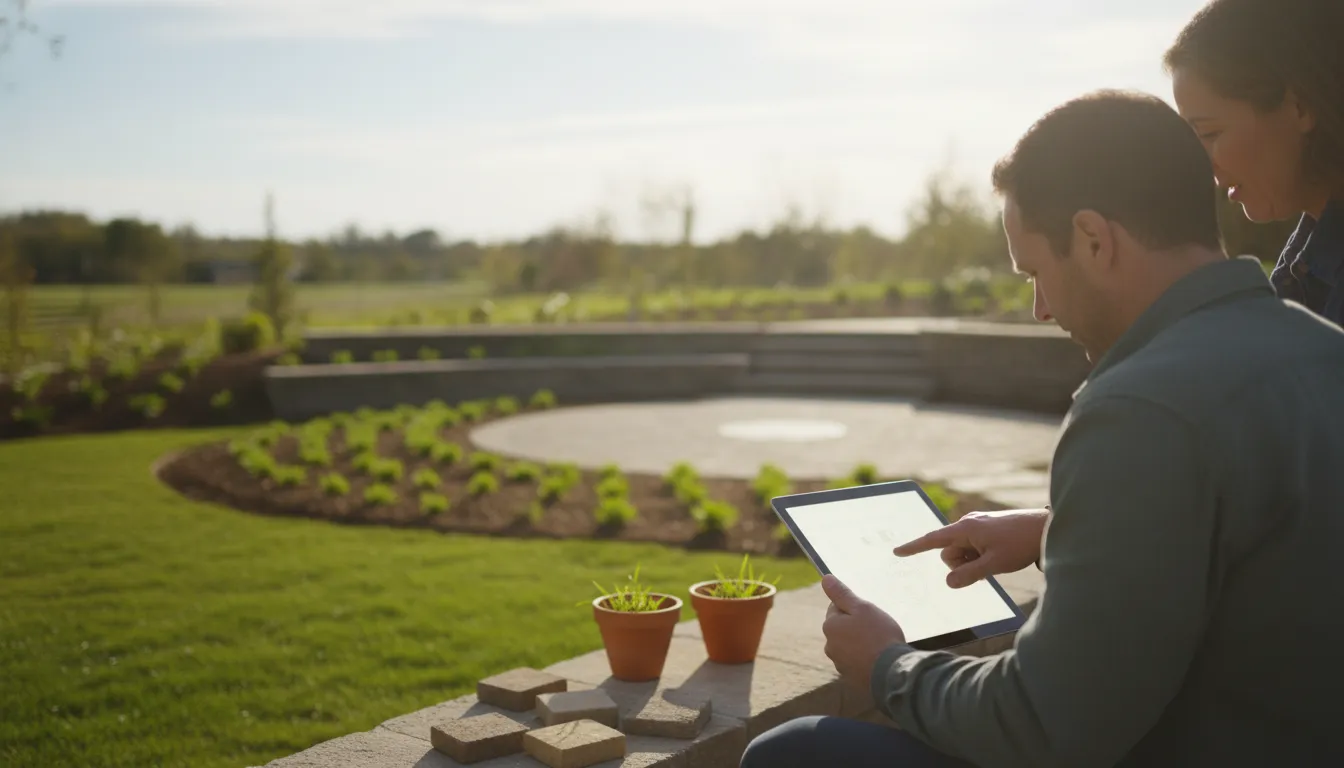
Find the Best Landscape Design Companies for Your Business
No obligation • Fast responses • Nationwide coverage

Why you can trust Landscape Atlas
Landscape Atlas is a leading United States resource for evaluating landscaping, lawn care, and outdoor service providers. Our team researches each category in depth, focusing on service quality, safety, and customer experience. Listings and rankings are based on independent criteria and user feedback, and companies cannot pay to influence our assessments or recommendations.
Search providers near you
Top Landscape Design Companies in Franklin, Tennessee Ranked
Creating a beautiful and functional outdoor space in Franklin, New Jersey, begins with thoughtful landscape design. This process involves much more than simply placing plants; it's the art and science of organizing your property into a cohesive, sustainable, and enjoyable environment. A well-executed design plan addresses the unique challenges of the local climate and soil, enhances your home's curb appeal, and creates defined areas for relaxation and entertainment. By understanding the fundamentals of design and the specific conditions in Franklin, you can make informed decisions, whether you're embarking on a DIY project or seeking guidance from a local professional.
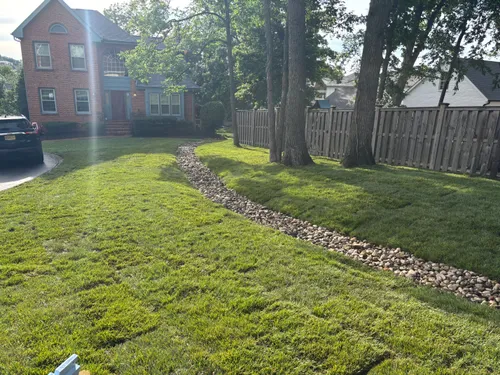
Nashville Dirt Works, LLC
Nashville, TN
Nashville Dirt Works, LLC is a landscaping company based in Nashville, TN, serving White House, Hendersonville, Brentwood, and surrounding areas. They offer a range of services including sod installation, landscape design, yard drainage, and grading to prepare land for construction or improve existing landscapes. With over 10 years of experience, the company is fully licensed and insured, using professional equipment and industry best practices to complete projects. Their service area includes Davidson, Sumner, Robertson, Wilson, and Williamson counties.
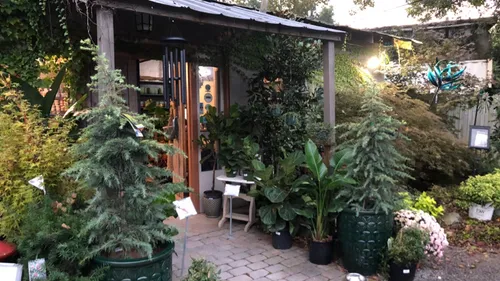
JVI Secret Gardens
227 Donelson Pike, Nashville, TN 37214
JVI Secret Gardens is a family-owned landscape design and landscaping company located in Nashville, TN. They offer a range of services including garden center retail, seasonal plants, garden decor, and landscaping projects. The company specializes in installing and maintaining water features, ponds, and fountainscapes, with Master Certified Aquascape installers on staff. Customers can explore various water feature galleries and landscaping ideas at their garden center to help visualize their projects.
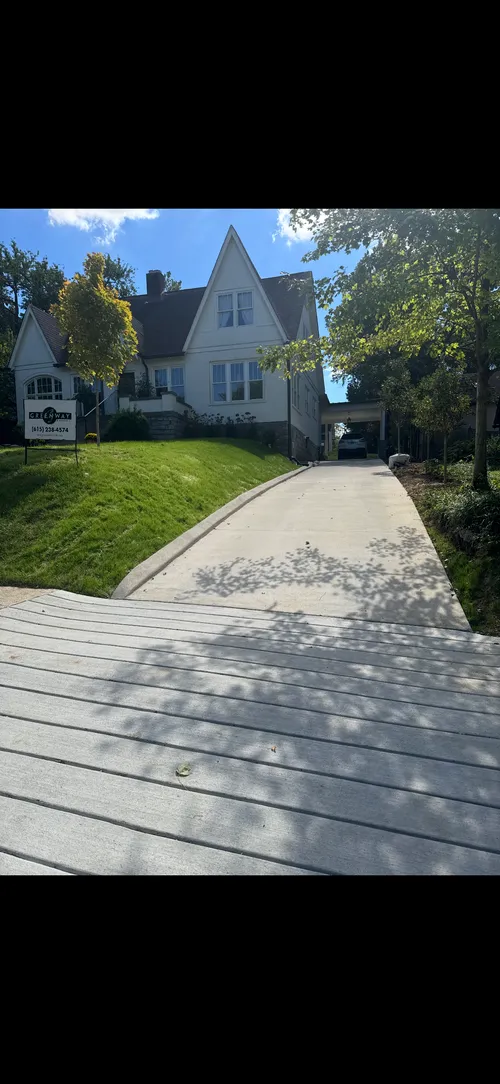
Greenway of Nashville LLC
6644 Clearbrook Dr, Nashville, TN 37205
Greenway of Nashville LLC is a landscape design and landscaping company based in Nashville, TN. They offer comprehensive landscape design and installation services, working closely with clients to develop project plans that include budget, design, material selection, and solutions. The company serves a wide area around Nashville, including Brentwood, Franklin, and Hendersonville. Greenway of Nashville LLC manages projects from initial consultation through completion to ensure smooth execution.
Green Ventures Landscaping
9310 Franklin Rd, Murfreesboro, TN 37128
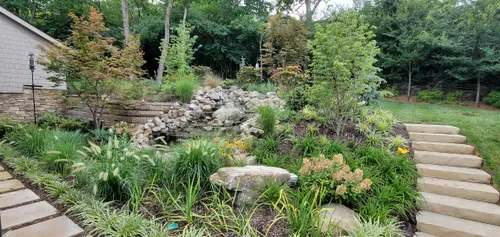
Green Ventures Landscaping is a full-service landscaping company based in Nashville, TN. They offer a wide range of services including lawn mowing, sod installation, artificial turf, landscape lighting, design, tree removal, yard drainage, sprinkler installation and repair, land clearing, and hardscaping such as pavers and retaining walls. The company is known for handling projects from design through installation, managing scheduling and materials to complete jobs efficiently. Green Ventures also provides custom drainage solutions to address water issues effectively. With over 16 years of experience, they have built a reputation for thorough and attentive service. The company is family-owned and locally operated, with a focus on customer satisfaction and clear communication throughout each project.
Elite Lawn & Landscape, LLC.
4915 Harpeth-Peytonsville Rd, Thompson's Station, TN 37179
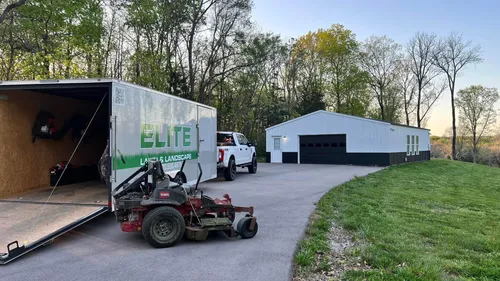
Elite Lawn & Landscape, LLC. provides a wide range of lawn care and landscaping services in Nashville, TN, including mowing, sod installation, landscape design, irrigation, fence and deck building, and hardscaping. Serving the Williamson County area, they specialize in creating and maintaining outdoor spaces for both residential and commercial properties. The company was founded by Blake McCarroll, who transitioned from a corporate job to start the business with a focus on reliable service and quality results. Elite Lawn & Landscape also offers a client portal for easy service management and supports pre-sale landscaping cleanups to enhance property appeal.
Understanding Franklin's Landscape Environment
Successful landscape architecture in Franklin starts with a deep understanding of the local environment. The town's conditions directly influence which plants will thrive and what structural elements are necessary for a lasting design.
Climate & Hardiness Zones Franklin is generally situated in USDA Plant Hardiness Zones 6b to 7a. This means winters can bring minimum temperatures down to 0°F, requiring plant selections to be cold-hardy and resilient. Understanding your zone is the first step in choosing trees, shrubs, and perennials that will survive and flourish year after year, avoiding costly replacements.
Soil Composition & Drainage The soil in this region can be quite varied, often presenting challenges like rocky substrates or heavy clay. These conditions affect drainage and root growth. Conducting a simple soil test is a highly recommended initial step for any garden design project. The results will guide necessary amendments-such as adding compost to improve fertility or sand to enhance drainage-creating an optimal foundation for your plants.
Sun & Shade Analysis Every property has a unique pattern of sunlight and shadow throughout the day and across seasons. Carefully observing which areas of your yard are in full sun, partial shade, or full shade is critical. This analysis ensures you select plants suited to their specific light conditions, preventing issues like scorching in sunny spots or leggy, weak growth in overly shaded areas.
Core Principles of Effective Design
Whether you're planning a modest garden refresh or a complete property overhaul, applying fundamental design principles will lead to a more pleasing and harmonious result. These concepts are the backbone of professional landscape architecture and can be used by any homeowner.
- Unity & Harmony: This principle creates a sense of cohesion. It can be achieved by repeating certain plants, colors, or materials throughout the design, tying different areas of the yard together into a single, thoughtful composition.
- Balance: Balance provides stability and can be symmetrical (formal, mirror-image designs) or asymmetrical (informal, using different elements of equal visual weight to create equilibrium).
- Focal Points: A focal point draws the eye and creates interest. This could be a specimen tree, a vibrant flower bed, a sculpture, or a functional element like a fire pit or water feature 1.
- Rhythm & Line: Rhythm is created by the repetition of elements, guiding the viewer's eye through the landscape. Lines, formed by walkways, bed edges, or plant rows, define spaces and influence movement and flow 2.
The Residential Zone System: Organizing Your Property
A practical approach to residential landscape design is to think of your property in distinct functional zones. This method, often used by designers, helps organize space efficiently and meet all your household's needs.
1. The Public Zone (Front Yard) This area is your home's public face, focused on curb appeal and creating a welcoming entry. Design considerations here often include a clear, attractive walkway to the front door, foundation plantings that complement the home's architecture, and a low-maintenance lawn or ground cover. The goal is to create an inviting first impression that also feels integrated with the neighborhood 3.
2. The Private Zone (Backyard) The backyard is typically the primary area for relaxation and entertainment. This zone is where outdoor living concepts come to life. Planning might involve creating distinct "rooms" within the yard-such as a dining area on a patio, a lounging space near a fire pit, and a open lawn for play. Privacy screening with trees, shrubs, or fencing is often a key component here.
3. The Service Zone Often located to the side or rear of the property, this utilitarian area houses functional necessities. It's the ideal place for trash and recycling bins, air conditioning units, compost piles, tool sheds, and vegetable gardens. Clever screening using lattice, evergreen shrubs, or decorative fencing can help integrate this zone seamlessly into the overall garden design 4.
Elements of Your Design: Hardscape vs. Softscape
A complete landscape plan skillfully blends the non-living (hardscape) and living (softscape) elements.
Hardscaping: The Structure Hardscape elements form the permanent backbone of your design. In Franklin, popular features include:
- Patios & Walkways: Constructed from pavers, natural stone, or gravel to define entertaining and circulation spaces.
- Retaining Walls: Essential for managing sloped properties, preventing erosion, and creating level planting areas.
- Outdoor Living Features: Fire pits, outdoor kitchens, and pergolas extend your home's livable space and enhance enjoyment.
- Drainage Solutions: Incorporating French drains, dry creek beds, or proper grading is crucial in New Jersey's climate to manage stormwater and protect your property.
Softscaping: The Living Layer This encompasses all plant material. A Jersey-friendly approach emphasizes native plants, which are adapted to local conditions, require less water and fertilizer, and provide vital habitat for birds and pollinators. Excellent choices for Franklin include:
- Trees: Red Maple, White Oak, and Serviceberry.
- Shrubs: Viburnums, Northern Bush Honeysuckle, and Oakleaf Hydrangea.
- Perennials & Grasses: Black-eyed Susan, Coneflower, and native Switchgrass.
Find the perfect landscape design companies for your needs
Get personalized recommendations and expert advice
Planning and Budgeting for Your Project
A clear plan and realistic budget are essential for a successful landscape design outcome.
Starting with a Plan Begin by sketching a basic map of your property, noting the location of your house, property lines, existing trees, and utilities. Mark the sun/shade patterns and any drainage issues. This base map becomes the canvas for your ideas. Consider your family's needs: Do you need play space? A vegetable garden? A quiet retreat? Defining these goals will shape the entire design process 5.
Understanding Cost Ranges Landscaping costs in Franklin vary dramatically based on the project's scale, materials, and labor. It's helpful to understand general ranges:
- Planting Beds: Installing new beds with shrubs and perennials can range from $500 for a small area to $3,000 or more for extensive, mature plantings.
- Hardscape Features: A basic 15'x15' paver patio may cost between $2,000 and $6,000+, while a fire pit installation typically ranges from $1,000 to $4,000+.
- Comprehensive Projects: A full property design and installation that includes multiple elements like patios, walls, lighting, and sophisticated planting can range from $5,000 to $25,000 or more, depending on complexity and material choices 6.
The Value of Professional Insight For complex projects or if you feel unsure, consulting with a local landscape designer or architect can be invaluable. These professionals bring expertise in site analysis, creative design, plant knowledge specific to New Jersey, and experience with local contractors and permit requirements 7. They can help you avoid costly mistakes and ensure your vision is executed effectively.
Frequently asked questions
Sources
Footnotes
-
What are the 7 Principles of Landscape Design? - https://hearnlandscape.com/what-are-the-7-principles-of-landscape-design/ ↩
-
Principles of Landscape Design - Colorado Master Gardener - https://cmg.extension.colostate.edu/Gardennotes/413.pdf ↩
-
Landscaping for Front Yards: Designs for Any Home | Lowe's - https://www.lowes.com/n/ideas-inspiration/front-yard-landscaping-ideas ↩
-
Spruce Up Your Site: How to Plan a Residential Landscape Design - https://www.skh.com/blog/residential-landscape-design/ ↩
-
Step 1: Plan Before You Plant - Jersey-Friendly Yards - https://www.jerseyyards.org/create-a-jersey-friendly-yard/8-steps/plan-before-you-plant/ ↩
-
Expert Landscape Design | Franklinville, NJ - https://www.newlife-nj.com/landscape-design ↩
-
THE BEST 10 Landscape Architects or Designers near ... - Yelp - https://m.yelp.com/search?cflt=landscapearchitects&find_loc=Franklin+Lakes%2C+NJ+07417 ↩