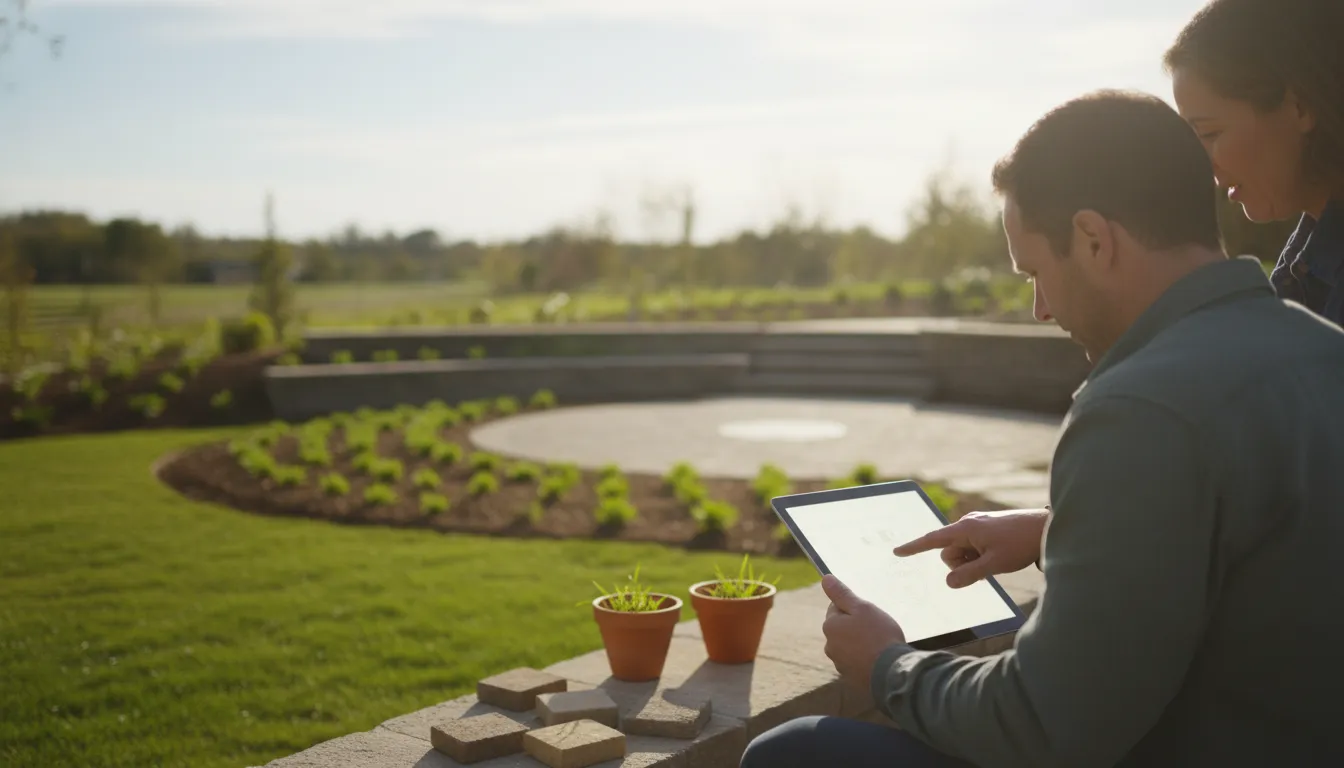
Find the Best Landscape Design Companies for Your Business
No obligation • Fast responses • Nationwide coverage

Why you can trust Landscape Atlas
Landscape Atlas is a leading United States resource for evaluating landscaping, lawn care, and outdoor service providers. Our team researches each category in depth, focusing on service quality, safety, and customer experience. Listings and rankings are based on independent criteria and user feedback, and companies cannot pay to influence our assessments or recommendations.
Search providers near you
Best Landscape Design Companies in Utah Ranked
Creating a beautiful and functional outdoor space in Utah is a unique challenge and opportunity. Landscape design here is more than just planting flowers; it's a strategic process of harmonizing aesthetics with the state's distinct climate, topography, and local regulations. A well-planned landscape enhances your property's value, creates personal sanctuary, and conserves vital water resources. This guide provides the essential knowledge to navigate your project, from understanding Utah's environmental zones to selecting the right style and professional for your vision.
Understanding Utah's Unique Environmental Zones
Utah's dramatic geography creates a wide range of growing conditions. Successful design starts by knowing your zone and its specific demands.
- Northern Utah (Zones 4-5): This region, including areas like Logan and parts of the Wasatch Range, experiences cold winters with significant frost. Plant selection must prioritize cold-hardy species that can survive freezing temperatures. Frost dates are a critical planning factor for both planting and hardscape installation schedules.
- Wasatch Front (Zones 6-7): Encompassing the populous corridor from Ogden through Salt Lake City to Provo, this area offers a broader plant palette. While winters are milder than the north, the climate is still semi-arid. Design here often balances a desire for diverse greenery with the imperative for water-wise practices.
- Southern Utah (Zone 8): The desert climate of St. George and surrounding areas demands a fully committed xeric approach. Plants must be exceptionally heat-tolerant and drought-resistant. Designs in this zone often embrace a Southwestern or desert-native aesthetic, utilizing rocks, sand, and gravel as foundational elements.
Beyond the USDA hardiness zone, every yard contains microclimates. A south-facing wall creates a heat sink perfect for sun-loving plants, while a north-facing corner stays cool and shaded. Wind patterns, reflected heat from patios or driveways, and existing tree cover all create small pockets with different conditions that a thoughtful design will account for 1.
The Imperative of Water-Wise Design (Xeriscaping)
In Utah's arid climate, water conservation isn't just a trend-it's a responsibility and a smart design principle. Xeriscaping, or water-wise landscaping, is the practice of creating visually appealing landscapes that reduce or eliminate the need for supplemental irrigation.
A successful xeric design in Utah incorporates several key strategies:
- Plant Selection: The cornerstone is using native and adapted drought-tolerant plants. Utah natives like sagebrush, serviceberry, penstemon, and rabbitbrush are not only resilient but also support local pollinators 2.
- Hydrozoning: Grouping plants with similar water needs together ensures efficient irrigation. A thirsty turf area is separated from a bed of native perennials, each served by different irrigation zones.
- Soil and Mulch: Amending soil with compost improves water retention. A thick layer of mulch (rock or wood) over soil reduces evaporation, suppresses weeds, and moderates root temperature.
- Efficient Irrigation: Drip irrigation or soaker hoses deliver water directly to plant roots with minimal waste, and are far superior to traditional sprinklers for non-turf areas.
Popular Landscape Design Styles for Utah Homes
Your landscape should reflect your personal taste while respecting the local environment. Several styles are particularly well-suited to Utah.
- Xeric/Natural: This style embraces the beauty of the local ecosystem. It focuses on native plant communities, naturalistic rock formations, gravel pathways, and meandering, organic forms. It's a low-maintenance, sustainable choice that feels inherently connected to Utah's scenery.
- Modern/Contemporary: Characterized by clean lines, geometric patterns, and a minimalist plant palette. Hardscaping materials like sleek concrete, large-format pavers, and metal accents are prominent. Planting is often architectural, using grasses, succulents, and carefully placed specimen trees for dramatic effect.
- Naturalistic/Woodland: Ideal for properties near foothills or with existing trees. This style uses soft curves, layers of native shrubs and perennials, and natural stone to create a relaxed, informal garden that feels like a peaceful retreat.
- Traditional: Featuring formal layouts, symmetry, and defined borders. This style may include classic elements like rose gardens, boxwood hedges, and orderly planting beds. The key in Utah is adapting traditional plant choices to more drought-tolerant varieties where possible 3.
Navigating Permits and Local Regulations
Before breaking ground, it's crucial to understand local rules. Regulations vary by city and county, but common requirements include:
- Fences, Walls, and Retaining Structures: Most municipalities have height restrictions (e.g., 6 feet for rear yard fences, 4 feet for front yard) and may require approval for materials. Retaining walls over a certain height (often 2-4 feet) almost always require a permit and possibly engineering approval.
- Permanent Structures: Pergolas, gazebos, sheds, and decks typically require building permits to ensure they meet safety codes.
- Grading and Drainage: Significantly altering your property's slope or implementing drainage solutions that could impact neighboring properties often requires a permit to prevent erosion and flooding issues.
- Irrigation Systems: Installing a new sprinkler system usually requires a permit, with a focus on mandatory backflow prevention devices to protect the public water supply.
Find the perfect landscape design companies for your needs
Get personalized recommendations and expert advice
Understanding Costs and Investment
Landscape design and installation is a significant investment that varies widely based on scope, materials, and property size. Understanding the cost structure helps in planning a realistic budget.
- Design Fees: Professional design services can start from $1,000 for a basic planting plan and range to several thousand dollars for a comprehensive master plan including detailed construction drawings for patios, walls, and lighting. This fee pays for expertise in creating a cohesive, buildable, and code-compliant plan.
- Installation Costs: This is where the largest variation occurs. A basic front yard makeover with sod and foundation plants might range from $5,000 to $15,000. A project involving a large patio, outdoor kitchen, retaining walls, sophisticated planting, and lighting can easily exceed $20,000 to $50,000+ 4 5.
- Key Factors Affecting Cost:
- Hardscape Materials: Choices like natural flagstone, high-end pavers, or poured concrete with finishes significantly impact cost compared to basic materials.
- Plant Size and Type: Mature trees and large shrubs cost more than smaller specimens. Rare or specialty plants also carry a premium.
- Labor and Skill: Complex masonry, custom carpentry, or electrical work for lighting requires skilled tradespeople, increasing labor costs.
- Site Accessibility: Difficult-to-access backyards can increase time and equipment needs.
- Project Scale: Simply put, larger properties and more features lead to higher costs.
Working with a Professional Designer
A qualified landscape designer or architect translates your ideas into a viable plan. They provide site analysis, create conceptual and construction drawings, select appropriate materials and plants, and often help you coordinate with reputable contractors. Their knowledge of Utah's climate, soils, and regulations is invaluable in avoiding costly mistakes and ensuring your landscape thrives for years to come.
Frequently asked questions
Sources
Footnotes
-
7 Landscaping Considerations: Design Tips for Your Yard - https://www.landscapingnetwork.com/landscape-design/considerations.html ↩
-
Identifying Plants for Water-Wise Landscapes: Use of Native and Low Water Use Plants in Utah, 7/23 - https://www.youtube.com/watch?v=moyjSB6KpNM ↩
-
Ultimate Guide to Backyard Design in Utah - https://uv-landscaping.com/blog/ultimate-guide-to-backyard-design-in-utah-expert-strategies-for-every-season-and-landscape/ ↩
-
Residential Landscape Design in Utah - Eden's Garden Design - https://www.edensgardendesign.com/landscape-design/residential ↩
-
Why is Landscaping So Expensive? - Landscape Design & Lawn Care - https://www.rederlandscaping.com/trending-topics/why-is-landscaping-so-expensive/ ↩