Find the Best Landscape Design Companies for Your Business
No obligation • Fast responses • Nationwide coverage

Why you can trust Landscape Atlas
Landscape Atlas is a leading United States resource for evaluating landscaping, lawn care, and outdoor service providers. Our team researches each category in depth, focusing on service quality, safety, and customer experience. Listings and rankings are based on independent criteria and user feedback, and companies cannot pay to influence our assessments or recommendations.
Search providers near you
Best Landscape Design Companies in Washington Ranked
Creating a beautiful and functional outdoor space in Washington requires a thoughtful approach that respects the state's unique and varied climate. Professional landscape design here goes beyond aesthetics; it's about building resilient, sustainable environments that manage water wisely, support local ecosystems, and enhance your quality of life. Whether you're in the rainy west or the arid east, a well-designed landscape can solve practical problems, increase property value, and provide a personal sanctuary. This guide will help you understand the key considerations, styles, and processes for landscape design in Washington, empowering you to connect with local experts who can bring your vision to life.
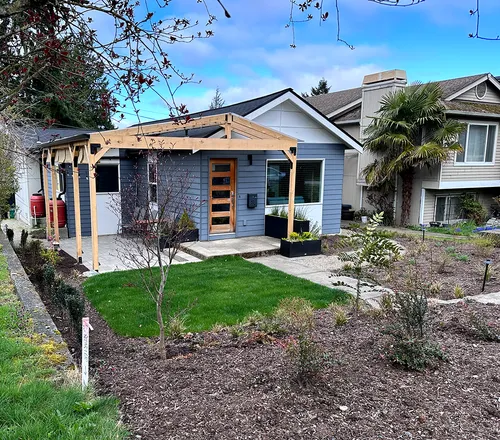
Devonshire Landscapes Inc
1701 SW 112th St, Seattle, WA 98146
Devonshire Landscapes Inc is a landscaping company based in Seattle, WA, offering comprehensive landscape design, lawn care, and hardscaping services. Founded in 1999, the company serves mostly residential clients with a focus on improving property quality while preserving the natural environment. Their skilled team provides detailed design plans and craftsmanship in stone and woodwork, including retaining walls and pavers, ensuring lasting value and appeal.
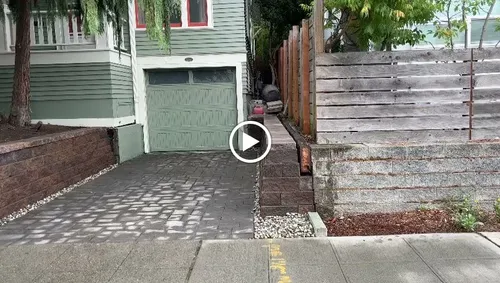
Saltos Landscaping LLC
Seattle, WA
Saltos Landscaping LLC is a landscaping company based in Seattle, WA, offering design, installation, and maintenance services. They specialize in landscape design and sprinkler system installation and repair, addressing issues like uneven watering and system leaks to maintain healthy landscapes. Their services help manage the challenges posed by Seattle's varying weather patterns, ensuring efficient irrigation and landscape care.
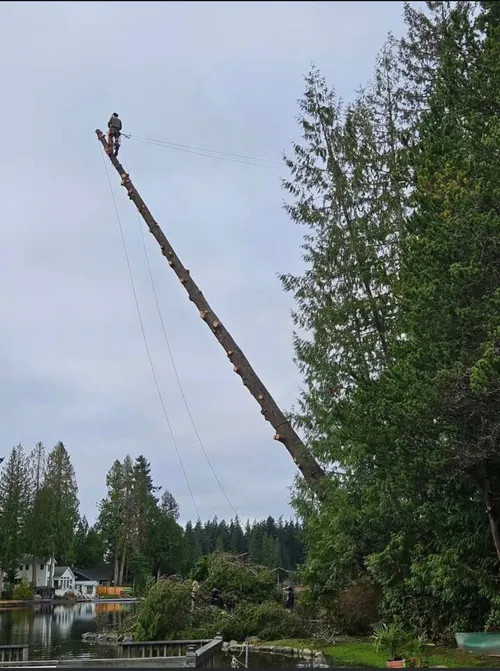
MTS Tree and Landscape
4580 Klahanie Dr. SE #261, Issaquah, WA 98029
MTS Tree and Landscape is a family-owned company serving Seattle, WA, and the Eastside since 2005. They provide a range of services including tree removal, tree trimming, emergency tree services, landscaping, hardscaping, and mulch delivery. Their team includes trained climbers and experienced landscape designers skilled in working on various terrains common in the Pacific Northwest. MTS Tree and Landscape is licensed, bonded, and insured, following safety standards set by OSHA, LNI, and ISA.
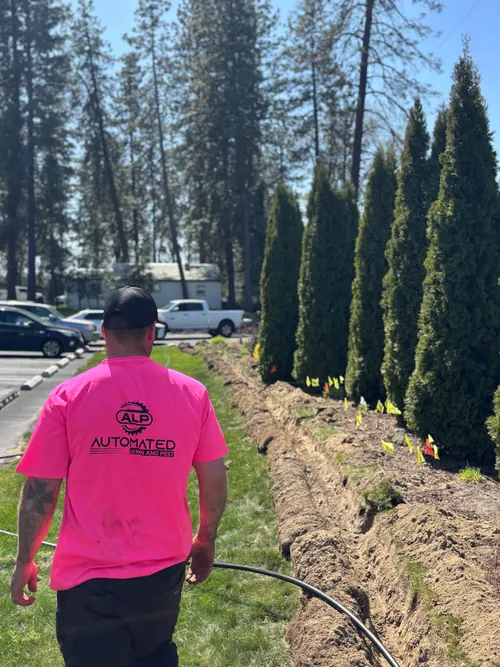
Automated Lawn & Pest, LLC
1908 E Mallon Ave, Spokane, WA 99202
Automated Lawn & Pest, LLC is a locally owned lawn care and pest control company based in Spokane, WA. Founded in 2021, they provide a wide range of services including lawn mowing, fertilization, weed control, pest management, sprinkler installation and repair, landscape design and construction, sod installation, and tree services. Serving both residential and commercial clients in Spokane and Coeur d'Alene, the company emphasizes tailored solutions and environmentally friendly practices. One notable capability is their comprehensive vegetation management, which includes targeted shrub bed weed control to maintain healthy and attractive landscapes. Automated Lawn & Pest also offers full-service yard cleanups and seasonal snow removal, supporting year-round property maintenance.
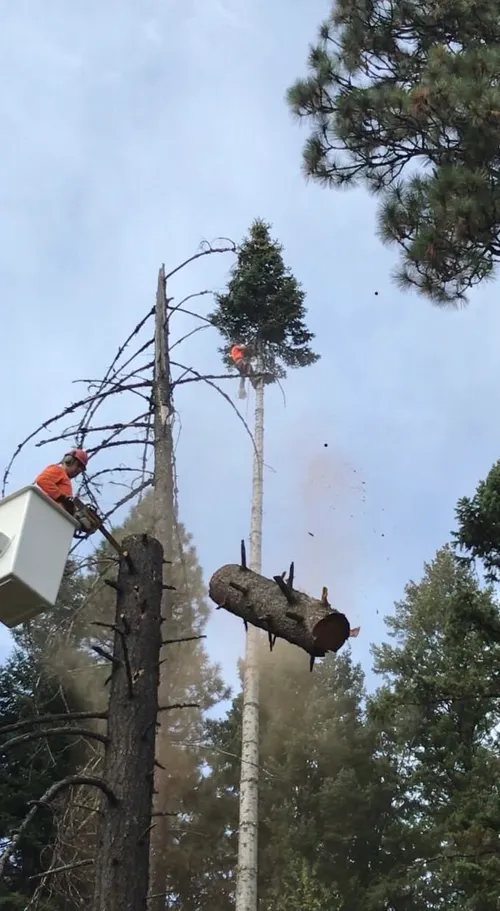
Sam's Tree & Landscape, LLC
12402 N Division St #290, Spokane, WA 99218
Sam's Tree & Landscape, LLC is a full-service landscaping and tree care company based in Spokane, WA. They offer a wide range of services including tree removal, stump grinding, landscape design, hardscaping, sprinkler installation and repair, and irrigation. The company specializes in creating outdoor living spaces with features like paver patios and water elements. Owner Sam Maple is a Certified Master Arborist, and the team is licensed, bonded, and insured, serving both residential and commercial clients in the Spokane area.
Understanding Washington's Climate for Landscape Design
Washington's landscape is famously divided by the Cascade Mountains, creating two distinct climatic zones that demand different design strategies. A successful design starts by working with these conditions, not against them.
West of the Cascades (Puget Sound Region): This area is characterized by wet winters and mild, dry summers. The primary design challenge is managing abundant rainfall to prevent runoff, erosion, and pollution of the sensitive Puget Sound watershed. Effective designs focus on slowing, spreading, and sinking water into the landscape. This is achieved through techniques like rain gardens, bioswales, and permeable paving, which filter stormwater naturally before it enters storm drains. Plant selections here thrive in moist, shady conditions and acidic soils.
East of the Cascades: This region experiences a semi-arid climate with hot, dry summers and cold winters. The key design principle is water conservation. Xeriscaping-using drought-tolerant native plants, efficient irrigation, and mulches-is essential. Designs often incorporate native grasses, sagebrush, and other hardy plants that can withstand temperature extremes while providing habitat and visual interest with minimal supplemental water.
Core Principles of Sustainable Design in Washington
Modern landscape design in Washington is deeply intertwined with sustainability. These principles guide professional designers to create spaces that are beautiful, functional, and environmentally responsible.
- Water-Wise Practices: This is the cornerstone. It includes designing with the natural topography to manage runoff, specifying drought-tolerant plants (especially for eastern WA), and integrating efficient irrigation systems like drip lines or smart controllers that adjust based on weather 1.
- Native Plant Integration: Using plants native to the Pacific Northwest or adapted to your specific region is crucial. Plants like sword ferns, salal, Oregon grape, red-flowering currant, and various conifers are not only low-maintenance once established but also provide vital food and shelter for local birds, pollinators, and other wildlife. They are naturally resilient to local pests and diseases.
- Soil Health: Healthy soil is the foundation of a healthy landscape. Designers often recommend amending compacted urban soils with compost to improve drainage, water retention, and nutrient availability, reducing the need for fertilizers.
- Green Stormwater Infrastructure (GSI): In urban areas like Seattle, GSI is a key component. This includes engineered features like rain gardens, cisterns, and permeable pavers that are designed to capture and treat stormwater on-site. Programs like Seattle's RainWise offer rebates to homeowners who install qualifying rain gardens or cisterns, making sustainable design more accessible.
Popular Landscape Design Styles for Washington Homes
Your landscape should reflect your personal style while complementing your home's architecture and the natural surroundings. Common styles in Washington include:
Pacific Northwest Naturalistic: This style embraces the region's natural beauty. It features organic forms, natural materials like local stone and cedar, and lush, layered plantings of native ferns, grasses, and shrubs. The goal is to create a seamless transition from the built environment to the wild, often framing views of mountains or water.
Modern/Contemporary: Characterized by clean lines, geometric shapes, and a minimalist plant palette. This style often uses bold textures, statement plants (like ornamental grasses or sculptural trees), and focuses on hardscaping elements such as concrete patios, wooden screens, and sleek water features. It's well-suited for urban lots and modern architectural homes.
Cottage or Woodland Garden: A romantic, informal style that feels established and cozy. It uses meandering paths, rustic materials (like flagstone or reclaimed brick), and an abundance of flowering perennials, shrubs, and groundcovers planted in dense, informal drifts. It's ideal for shaded, wooded lots and creates a sense of secluded charm.
Navigating Permits and Regulations
Before breaking ground, it's important to understand local regulations. A professional designer will help navigate this process, which can vary significantly by city and county.
- Stormwater Management: In Seattle and much of King County, any project that significantly alters drainage or adds impervious surfaces (like large patios or driveways) may trigger stormwater review requirements. Integrating approved GSI features can be part of the compliance strategy.
- Shoreline and Critical Areas: Properties near lakes, rivers, streams, or wetlands are subject to strict local and state Shoreline Master Program regulations. These govern alterations to the land, vegetation removal, and construction near the water to protect ecological functions.
- General Construction: Most cities require permits for structural elements like retaining walls over 4 feet tall, fences over a certain height, new decks, and any significant electrical work for outdoor lighting. Your designer or contractor will typically handle pulling these permits.
Find the perfect landscape design companies for your needs
Get personalized recommendations and expert advice
What to Expect: The Design Process and Investment
Engaging a landscape designer typically follows a structured process to ensure your vision is realized effectively.
- Initial Consultation: This is a meeting to discuss your goals, budget, site challenges, and aesthetic preferences. The designer will assess your property's conditions (sun, shade, soil, drainage).
- Conceptual Design: The designer creates preliminary sketches or mood boards outlining the overall layout, spatial organization, and style direction for your feedback.
- Master Plan & Planting Plan: This is the detailed blueprint. It includes precise layout drawings, construction details for hardscape, a comprehensive plant list with sizes and locations, and often lighting and irrigation plans.
- Implementation: You can use the master plan to solicit bids from licensed contractors. Some design firms also offer project management services to oversee the construction phase.
Understanding Costs in Washington
Landscape design investment varies widely based on scope, materials, and site complexity. Here are general estimates for design and installation:
- Design-Only Fees: Typically range from 10-20% of the total project cost or as a fixed fee, from a few hundred dollars for a consultation to several thousand for a full master plan.
- Project Installation Estimates:
- Small Scale (e.g., rain garden, patio refresh, new planting beds): $1,000 - $5,000
- Medium Scale (e.g., new patio with pavers, low retaining wall, defined planting areas): $10,000 - $30,000
- Large Scale (e.g., full property overhaul, extensive hardscaping, terraces, custom drainage, mature trees): $30,000 - $75,000+ 2 3
Key cost drivers include the amount of hardscaping (stone, pavers, walls), site preparation (grading, demolition, drainage), the size and maturity of plants specified, and labor. Investing in quality design and construction pays dividends in long-term property value, reduced maintenance, and personal enjoyment.
Frequently asked questions
Sources
Footnotes
-
Landscape Design Techniques That Benefit the Environment - Arborgold - https://arborgold.com/blog/build-your-business/landscape-design-techniques-that-benefit-the-environment/ ↩
-
How Sustainable Landscaping Boosts Local Climate Resilience - https://mrsc.org/stay-informed/mrsc-insight/august-2025/sustainable-landscaping ↩
-
Landscape Materials Guide - Green Home Remodel Series - https://www.seattle.gov/documents/departments/ose/greenhomeguide-landscape.pdf ↩