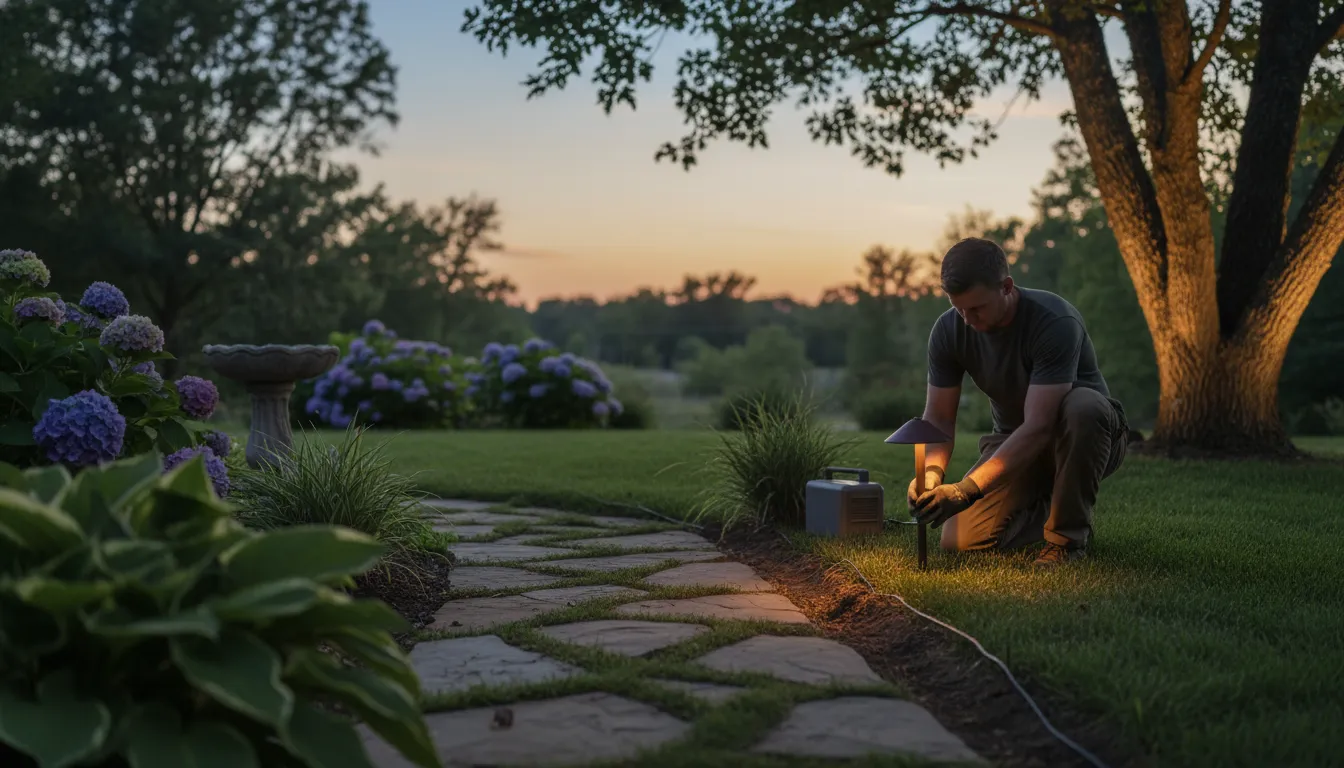
Find the Best Landscape Lighting Installers for Your Business
No obligation • Fast responses • Nationwide coverage

Why you can trust Landscape Atlas
Landscape Atlas is a leading United States resource for evaluating landscaping, lawn care, and outdoor service providers. Our team researches each category in depth, focusing on service quality, safety, and customer experience. Listings and rankings are based on independent criteria and user feedback, and companies cannot pay to influence our assessments or recommendations.
Search providers near you
Best Landscape Lighting Installers in Alaska Ranked
Well-designed landscape lighting transforms your Alaska property, enhancing safety, security, and beauty during the long winter nights and celebrating your outdoor space during the brief, vibrant summers. It's a practical upgrade that extends the usability of your yard and increases curb appeal. This guide will help you understand the key considerations-from system types and local codes to costs and design-so you can make informed decisions and connect with qualified local professionals for your project.
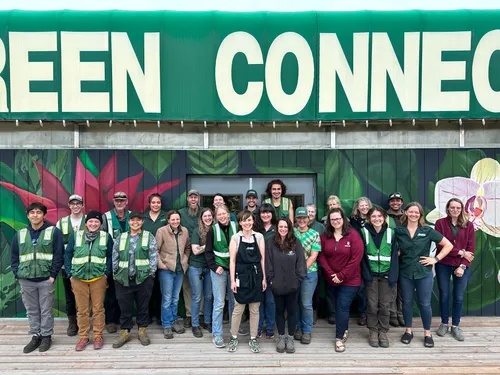
Green Connection
804 E 15th Ave, Anchorage, AK 99501
Green Connection is a landscaping company based in Anchorage, AK, providing year-round plant care and exterior grounds maintenance. Their services include interior plant care for public spaces, offices, and residences, as well as lawn mowing, shrub trimming, weeding, and seasonal flower bed planting and maintenance. They also offer exterior holiday lighting installation and interior holiday decorating during the fall and winter seasons. Green Connection serves Anchorage and nearby communities such as Eagle River, Palmer, and Wasilla.
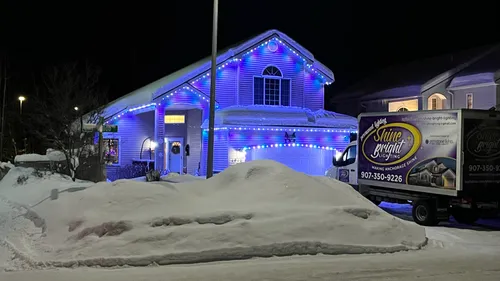
Shine Bright Lighting
651 E 100th Ave STE A, Anchorage, AK 99518
Shine Bright Lighting is a landscape and outdoor lighting company based in Anchorage, AK. They specialize in permanent gemstone lighting installations that attach to the soffit of homes. These customizable lights offer a wide range of colors and patterns, controlled easily via a smartphone app, and are designed to withstand Alaska's cold weather. The company provides a 10-year warranty on tracks and a 20-year warranty on the lights, ensuring long-lasting performance. Their trained and licensed technicians handle installation and maintenance, offering architectural lighting options as well.
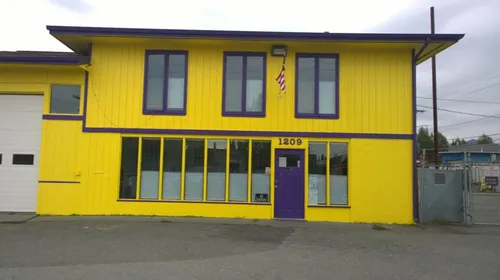
Light'n Up, Inc.
1209 Gambell St, Anchorage, AK 99501
Light'n Up, Inc. is a lighting contractor based in Anchorage, AK, offering both residential and commercial lighting installation and maintenance services. Their expertise includes LED upgrades, bulb replacements, wiring updates, and new fixture installations. Serving Anchorage and surrounding areas such as Wasilla, Eagle River, and Palmer, they handle projects ranging from small residential jobs to large commercial lighting systems. Established in 1998, Light'n Up, Inc. is fully licensed, bonded, and insured, with sign erection certification to support a variety of lighting needs.
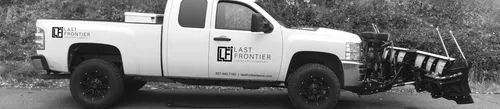
Last Frontier Lawn Company
Anchorage, AK
Last Frontier Lawn Company is a local landscaping and lawn care provider serving Anchorage, AK, and The Valley. The company offers a range of services including lawn mowing, landscape lighting installation, snow removal, plowing, sanding, and ice control. Owner Jesse Miessner, a lifelong local, leads a fully local crew focused on honest work and personalized service. The company is licensed and insured in Alaska and emphasizes transparent, direct communication without middlemen.
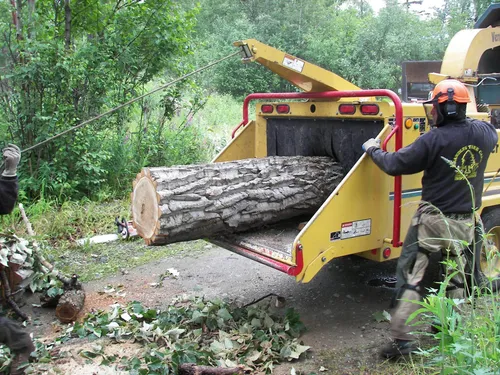
Brandlen Tree Care LLC
2650 N Ravens Flight Dr, Wasilla, AK 99654
Brandlen Tree Care LLC is a family-owned and operated tree care and landscaping company serving Anchorage, AK. Established in 2004 with over 20 years of industry experience, they provide a wide range of services including tree removal, pruning, fertilization, stump grinding, land clearing, landscaping, and snow removal. Their team uses specialized equipment such as bucket trucks for safe tree removal and roof access, and they also offer unique services like cat rescue and Christmas lighting installation. Brandlen Tree Care has completed projects for local utilities and offers licensed and insured services tailored to both residential and commercial clients.
Understanding Your System Options: Low Voltage vs. Line Voltage
The first and most critical decision is choosing between a low-voltage or line-voltage system. Each has distinct advantages, safety profiles, and installation requirements that are particularly relevant in Alaska's environment.
Low-Voltage (12V-24V) Systems are the most popular choice for residential properties. They operate via a transformer that plugs into a standard outdoor outlet, reducing your home's 120V power to a safer 12 or 24 volts. 1
- Safety & DIY-Friendliness: The lower power significantly reduces the risk of severe electrical shock, making it safer for homes with children and pets and a feasible DIY project for confident homeowners. 2 3
- Installation Flexibility: Cables can typically be buried just 6-10 inches deep without the need for protective conduit in many cases, allowing for easier layout changes.
- Efficiency & Fixtures: Modern low-voltage systems almost exclusively use highly energy-efficient LED bulbs, which provide bright light with minimal energy cost. There is a vast array of fixture styles available, from subtle path lights to dramatic uplights. 4
Line-Voltage (120V) Systems use the full household current and are typically reserved for commercial applications, large estates, or situations requiring extremely bright, high-output lighting (like security floodlights). 5
- Professional Installation Required: Due to the high shock hazard, installation must be performed by a licensed electrician following strict electrical codes. 6
- Rigorous Burial Requirements: NEC code requires line-voltage cables to be buried at least 18 inches deep or installed inside a protective conduit.
- Considerations for Alaska: The installation complexity and cost are higher. Fixtures and junction boxes must be specifically rated for wet locations and extreme temperature fluctuations.
| Feature | Low Voltage (12V-24V) | Line Voltage (120V) |
|---|---|---|
| Safety | Very safe; low shock risk. | High shock risk; requires professional handling. |
| Installation | Easier, safer for DIY; shallow burial often okay. | Requires a licensed electrician; deep burial or conduit mandatory. |
| Fixture Variety | Extensive options, especially for LEDs. | Fewer residential options; often larger/brighter. |
| Energy Efficiency | Very high with LED technology. | Less efficient; higher operating costs. |
| Typical Use | Residential pathways, accent, deck, and garden lighting. | Commercial, security, or large-area flood lighting. |
Alaska Electrical Codes and Permit Considerations
All outdoor electrical work in Alaska must adhere to safety standards designed to protect your home and family. The state generally follows the National Electrical Code (NEC), with additional considerations for our harsh climate.
- GFCI Protection is Mandatory: The NEC requires all outdoor 15- and 20-amp, 125-volt receptacles to have Ground-Fault Circuit Interrupter (GFCI) protection. This is a crucial safety device that cuts power instantly if a fault is detected, preventing electrocution. Your transformer for a low-voltage system will plug into one of these protected outlets. 7
- Permits for Line-Voltage Work: Installing a line-voltage system will almost always require a permit from your local municipal building department (e.g., the Municipality of Anchorage, Fairbanks North Star Borough). This ensures the work is inspected and meets code. Low-voltage systems are frequently exempt from permit requirements, but it's always wise to check with your local authority. 8
- Weatherproofing and Cold-Weather Durability: Beyond code, practical installation demands components rated for Alaska. Conduit, junction boxes, and fixture housings must be watertight and able to withstand freeze-thaw cycles without cracking. Professional installers will use commercial-grade fixtures with robust seals and housings designed for longevity in extreme conditions. 9
- Lighting Ordinances: Some municipalities may have "dark sky" or light pollution ordinances that regulate the brightness (lumen output) or direction of light. While residential landscape lighting is often exempt, it's good practice to aim fixtures downward and use shields to prevent light from spilling onto neighboring properties. 10
Find the perfect landscape lighting installers for your needs
Get personalized recommendations and expert advice
Design Principles for Alaskan Landscapes
Effective landscape lighting is about more than just placing lights; it's about creating atmosphere and highlighting your property's best features year-round.
- Layer the Light: Use a combination of techniques. Path lighting ensures safe navigation. Uplighting grazes textured surfaces like bark or stone walls. Downlighting (mounted in trees or eaves) mimics moonlight and creates soft pools of light. Accent lighting draws the eye to a sculptural plant or architectural feature.
- Embrace Winter Scenes: Your lighting design should look beautiful with snow on the ground. Uplights can make snow-laden branches glow. Ensure path lights are tall enough to remain visible after a heavy snowfall. The reflective quality of snow can amplify light, so you may not need as many fixtures for the same effect.
- Highlight Seasonal Interest: Focus on evergreen trees and shrubs, architectural elements (gazebos, fences), and hardscaping (rockeries, retaining walls) that provide structure in all seasons. Avoid focusing solely on deciduous plants that lose their leaves.
- Consider Wildlife: Use warmer color temperature LEDs (2700K-3000K) that are less disruptive to nocturnal wildlife than bright, cool-blue lights. Direct lights away from known animal pathways.
Cost Guide for Landscape Lighting in Alaska
Costs can vary significantly based on system choice, project scale, and whether you install it yourself or hire a professional. Alaska's remote location and higher cost of living can also influence final prices. 11 12
| Project Scope | Average Cost Range (National Guide, Installed) | Alaska-Specific Notes |
|---|---|---|
| DIY Solar or Low-Voltage Kit | $500 - $1,500+ | Cost is primarily for materials. Solar options are simple but provide inconsistent light in winter. Basic low-voltage kits offer a starting point. |
| Professional Low-Voltage System | $2,000 - $4,500+ | For a complete 9-16 fixture system with design, commercial-grade LED fixtures, transformer, and professional installation. This is the most common professional project. |
| Per Fixture Cost (Professional) | $100 - $400+ per fixture | Varies by fixture type (bollard, well light, step light) and quality. Complex installations (in rock walls, underwater) cost more. 13 14 |
Investing in Professional Installation: While the upfront cost is higher, a professional installation typically offers greater long-term value. Experts provide a cohesive design, use durable fixtures that withstand Alaska's weather, ensure proper electrical connections, and often offer warranties on both parts and labor. 15 They can also program sophisticated lighting controls, like timers or smart systems you can manage from your phone.
Maintenance and Long-Term Care
To ensure your system performs reliably for years, a small amount of seasonal maintenance is key.
- Spring & Fall Check-Up: Clear debris, snow, and vegetation from around fixtures. Check that fixtures are level and aimed correctly after ground thaw or freeze.
- Lens Cleaning: Wipe dust, pollen, and moisture from fixture lenses to maintain optimal light output.
- Wire Inspection: Look for any wires that may have been exposed by erosion or animal activity.
- Transformer and Timer: Ensure the transformer is free of moisture and that timer or photocell settings are adjusted for changing daylight hours. For smart systems, check for firmware updates.
- Bulb Replacement: While LED bulbs last for years, be prepared to replace them eventually. Using fixtures with standard, replaceable bulbs (like MR16 or PAR36) ensures you won't have to replace the entire fixture when one LED module fails.
Frequently asked questions
Sources
Footnotes
-
How to Choose the Best Landscape Lighting for Your Home & Yard - https://www.voltlighting.com/learn/introduction-to-landscape-lighting ↩
-
Low Voltage Landscape Lighting: What You Should Know - https://landscapeworkshop.com/landscaping-blog/low-voltage-landscape-lighting-what-you-should-know/ ↩
-
Difference Between Low Voltage & Line Voltage Landscape ... - https://www.lightopia.com/low-voltage-vs-line-voltage-landscape-lighting ↩
-
Landscape Lighting: Low-Voltage (12V) vs Line-Voltage (120V) - https://www.voltlighting.com/learn/low-voltage-vs-line-voltage-landscape-lighting ↩
-
Line Voltage vs Low Voltage: Which Landscape Lighting is ... - https://www.lutou-tech.com/line-voltage-vs-low-voltage-landscape-lighting/ ↩
-
Line Voltage vs. Low Voltage for Your Landscape Lighting - https://www.lightingwarehouse.com/learn/low-voltage-vs-line-voltage ↩
-
NEC Rules for Outdoor Wiring - Nassau National Cable - https://nassaunationalcable.com/blogs/blog/nec-rules-for-outdoor-wiring ↩
-
Low Voltage Landscape Lighting vs. Line Voltage - VOLT Lighting - https://www.voltlighting.com/learn1/low-voltage-landscape-lighting-vs-line-voltage ↩
-
Alaska Electrical Code 2020 - https://bcapcodes.org/code-status/alaska-electrical-code-2020/ ↩
-
and integrated with the colors, building materials ... - Muni.org - https://www.muni.org/departments/ocpd/planning/projects/documents/carlson1.pdf ↩
-
How Much Does Landscape Lighting Installation Cost? [2026 ... - https://www.angi.com/articles/landscape-lighting-costs.htm ↩
-
Mark Callahan's HVAC Pricing Guide: How to Evaluate Residential and Commercial Costs for the Goodman 3 Ton 14.5 SEER2 R-32 Bundle - https://thefurnaceoutlet.com/blogs/news/mark-callahan-s-hvac-pricing-guide-how-to-evaluate-residential-and-commercial-costs-for-the-goodman-3-ton-14-5-seer2-r-32-bundle ↩
-
How Much Does Landscape Lighting Cost in 2026? - https://www.lawnstarter.com/blog/cost/landscape-lighting-price/ ↩
-
How Much is Professional Landscape Lighting? - https://theperfectlight.com/blog/how-much-is-professional-landscape-lighting/ ↩
-
Outdoor Lighting Installation Cost and Pricing Guide - https://www.outdoorlights.com/resources/pricing-guide/ ↩