Find the Best Landscape Lighting Installers for Your Business
No obligation • Fast responses • Nationwide coverage

Why you can trust Landscape Atlas
Landscape Atlas is a leading United States resource for evaluating landscaping, lawn care, and outdoor service providers. Our team researches each category in depth, focusing on service quality, safety, and customer experience. Listings and rankings are based on independent criteria and user feedback, and companies cannot pay to influence our assessments or recommendations.
Search providers near you
Top Landscape Lighting Installers in Greenwich, Connecticut Ranked
A professionally designed outdoor lighting system transforms your Greenwich property from a dark space into a beautifully illuminated extension of your home. Landscape lighting, also called outdoor architectural lighting or exterior illumination, enhances safety, security, and curb appeal while showcasing your home's best features after sunset. This guide will help you understand the scope, costs, and considerations for installing a custom lighting system, connecting you with the expertise needed to bring your vision to life.
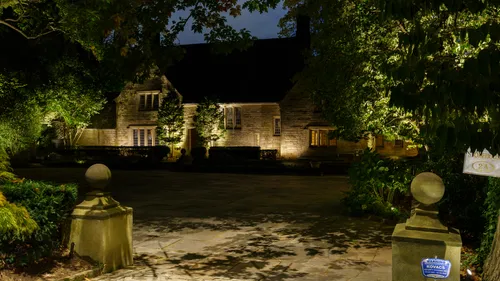
Nite-Lite
190 N Belle Mead Rd Unit 5, Setauket- East Setauket, NY 11733
Nite-Lite is a landscape lighting installation company based in New York, NY. They specialize in outdoor lighting solutions designed to enhance the appearance and safety of residential and commercial properties. Their services focus on luxury outdoor lighting installations that improve nighttime visibility and aesthetic appeal.
Old Mill Sprinkler Company
1862 Newbridge Rd Suite B, Bellmore, NY 11710
Old Mill Sprinkler Company is a landscaping and irrigation service provider based in New York, NY. They specialize in sprinkler installation, sprinkler repair, landscape lighting installation, and landscape design. Their team is trained to handle both residential and commercial irrigation systems, offering services such as routine maintenance, troubleshooting, and system monitoring that can adjust watering based on weather conditions. The company emphasizes using premium equipment to ensure long-term functionality and supports healthy plant and tree care through proper irrigation. They also provide landscape design and planting services.
Power Electric NY
110 N 1st St, Brooklyn, NY 11249
Power Electric NY is an outdoor lighting company based in New York, NY. They specialize in landscape lighting installation and electrical development solutions to enhance the lighting of residential and commercial spaces. Their services focus on creating well-lit environments tailored to client needs.
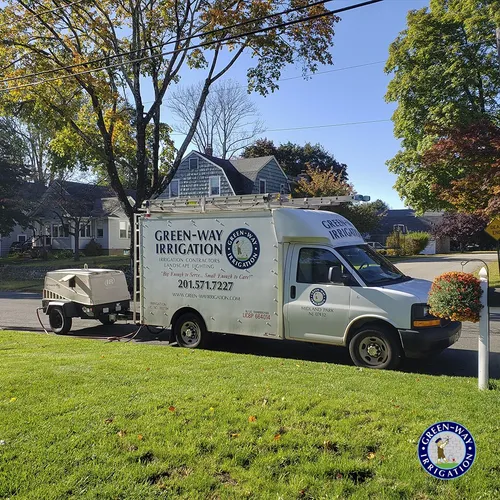
Green-Way Irrigation
34 Grove St, Midland Park, NJ 07432
Green-Way Irrigation is a family-owned company based near New York, NY, offering comprehensive irrigation, outdoor lighting, and yard drainage solutions. Serving multiple communities in Bergen County, they specialize in installing and maintaining water-efficient irrigation systems, low-voltage outdoor lighting, and custom drainage systems designed to protect lawns and homes from water damage. With over 35 years of experience, Green-Way Irrigation also provides outdoor audio system installations to enhance outdoor living spaces. They offer emergency services and are fully licensed and insured.
Aquascape Irrigation
634 NY-303, Blauvelt, NY 10913
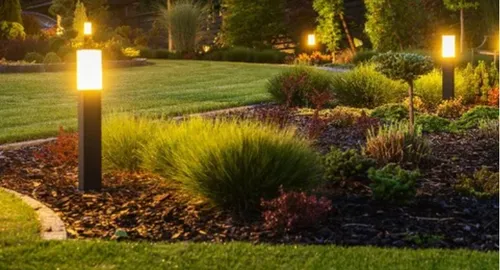
Aquascape Irrigation is a family-owned and operated company based in New York, NY, specializing in irrigation and landscape lighting services. With 40 years of experience, they offer sprinkler installation, sprinkler repair, and outdoor lighting installation. Their licensed and certified team focuses on professionalism and attention to detail to deliver quality results.
Why Invest in Professional Outdoor Lighting?
Beyond simply lighting a path, a thoughtfully designed system serves multiple critical functions. Strategically placed fixtures deter unwanted activity by eliminating dark shadows where intruders could hide, significantly boosting your home's security. From a safety perspective, well-lit walkways, steps, and driveways prevent trips and falls for family and guests. Aesthetically, outdoor lighting acts as evening landscaping, drawing the eye to majestic trees, architectural details, and garden elements that disappear in the dark. This not only creates a welcoming ambiance for entertaining but can also increase your property's perceived value and appeal.
Understanding Project Scope and Cost Factors
In Greenwich, landscape lighting projects can range from focused accent lighting to comprehensive estate-wide systems. The final investment depends on several key variables, making each project unique.
Fixture Quantity and Placement: The number of light fixtures is the most straightforward cost driver. A small system focusing on a primary entry and a key walkway may use 8-15 fixtures, while illuminating the full architecture, mature trees, and extensive grounds of a larger property can easily require 40 or more individual lights.
System Technology and Complexity: Nearly all modern installations utilize energy-efficient, long-lasting LED technology for its durability and lower operating costs 1. The complexity increases-and adds value-with features like multi-zone controls, dimming capabilities, and smart home integration. Systems that can be controlled via smartphone app or automated with timers and sensors offer unparalleled convenience but contribute to a higher initial project cost 2.
Quality of Materials and Design: The choice between standard and high-end fixtures impacts both aesthetics and longevity. Greenwich properties often benefit from discreet, high-quality fixtures made from materials like copper or brass that weather beautifully and blend into the landscape during daylight hours. A custom design that considers light layering, beam angles, and glare control requires professional expertise but is essential for achieving a polished, integrated look.
Typical Project Tiers for Greenwich Homes
To help frame your planning, here's a breakdown of common project scopes and their associated investment ranges, based on typical fixture counts and complexities for the area.
Small-Scale Lighting Projects
- Scope: Focused on essential safety and entry appeal. This typically includes illuminating a front walkway, highlighting the main entryway, and perhaps adding light to a small patio or deck.
- Fixture Count: 8 to 15 fixtures.
- Common Fixtures: Path lights, wall-mounted sconces, and a few well-placed spotlights.
- Estimated Investment: $3,000 to $8,000. Very basic walkway-only systems can start around $1,000 - $4,000.
Medium-Scale Lighting Projects
- Scope: Provides more complete coverage for a front yard, a larger patio, or a backyard entertainment area. It starts to create dramatic effects and fully utilize the property's landscaping.
- Fixture Count: 20 to 40 fixtures.
- Common Fixtures: A mix of path lighting, uplights for trees and architectural features, floodlights for open areas, and dedicated step or deck lighting.
- Estimated Investment: $8,000 to $15,000. A robust front and patio setup often falls in the $4,000 to $10,000+ range.
Large-Scale or Custom Estate Lighting
- Scope: A fully integrated design for expansive properties. This encompasses safety lighting for all pathways and driveways, artistic illumination of extensive gardens and mature trees, and architectural grazing of the entire home facade. Smart controls with multiple zones are standard.
- Fixture Count: 40+ fixtures.
- Common Fixtures: All of the above, with greater use of specialty accent lighting, underwater lights for pools/ponds, and advanced programmable control systems.
- Estimated Investment: $15,000 and can rise significantly based on property size and desired features. Full-property designs with advanced technology typically start above $10,000 3.
Find the perfect landscape lighting installers for your needs
Get personalized recommendations and expert advice
A Guide to Outdoor Lighting Fixtures and Their Uses
Choosing the right fixture for each task is crucial for both function and form. Here's a look at the most common types used in Greenwich installations.
Path Lights: These are typically shorter fixtures (like bollards or low-profile garden lights) placed along walkways, driveways, and garden borders. They provide safe navigation and can subtly define the edges of landscaping beds.
Uplights and Spotlights: Used to create drama and focus, these fixtures are placed at the base of an object and aimed upward. They are perfect for highlighting the textured bark of a specimen tree, the columns on a portico, or a striking piece of garden sculpture.
Floodlights: Offering a wide beam of light, floodlights are ideal for illuminating larger areas such as a driveway, a backyard lawn, or a patio space for evening gatherings. They are key for general security and area lighting.
Step, Deck, and Wall Lights: Designed primarily for safety, these low-profile, glare-free fixtures are integrated into stair risers, deck railings, or retaining walls. They ensure hazardous level changes are clearly visible.
String and Bistro Lights: While often part of a separate system, these lights add a layer of ambient warmth and are popular for creating a festive, inviting atmosphere over outdoor dining and lounge areas.
The Professional Installation Process
Working with a local specialist ensures your system is designed for longevity, performance, and beauty. The process generally follows these steps:
- Consultation and Design: A professional will visit your property at dusk to assess the natural light fall and dark areas. Together, you'll discuss goals (security, aesthetics, entertainment), walk the property, and create a preliminary lighting plan that maps fixture locations and types.
- Proposal and Planning: You'll receive a detailed proposal outlining the design, specifying fixtures, and providing a comprehensive cost estimate. This is the time to ask questions and refine the plan.
- Installation: The crew will trench for low-voltage cable (typically only a few inches deep), install transformer(s), place and secure all fixtures, and make all electrical connections. Attention is paid to concealing wires and ensuring fixtures are stable and properly aligned.
- Focusing and Programming: Once installed, each fixture is carefully adjusted or "focused" to aim the light precisely where it's intended, avoiding light pollution into neighbors' yards or windows. If the system has smart controls, they will be programmed and the homeowner will be trained on their use.
- Final Walkthrough: The installer will demonstrate the entire system at night, ensuring every element meets the design intent and your satisfaction.
Maintaining Your Landscape Lighting System
A quality LED system requires minimal maintenance, but a few simple steps will keep it looking and performing its best. Periodically wipe fixtures clean of dirt, pollen, and debris. Trim back any plant growth that may be obstructing light beams. After major storms, do a quick visual check to ensure all fixtures are still properly aimed and undamaged. In the autumn, keep fixtures clear of fallen leaves. Most professional installers offer seasonal maintenance or check-up services to handle any adjustments or minor repairs.
Frequently asked questions
Sources
Footnotes
-
Landscape Lighting in Greenwich, CT - Costs 12 / 2025 - https://www.homeyou.com/ct/landscape-lighting-greenwich-costs ↩
-
Landscape Lighting - https://netlandscaping.com/landscaping/landscape-lighting/ ↩
-
Breaking Down the Cost of Landscape Lighting Installation - https://kndlandscaping.com/breaking-down-the-cost-of-landscape-lighting-installation/ ↩