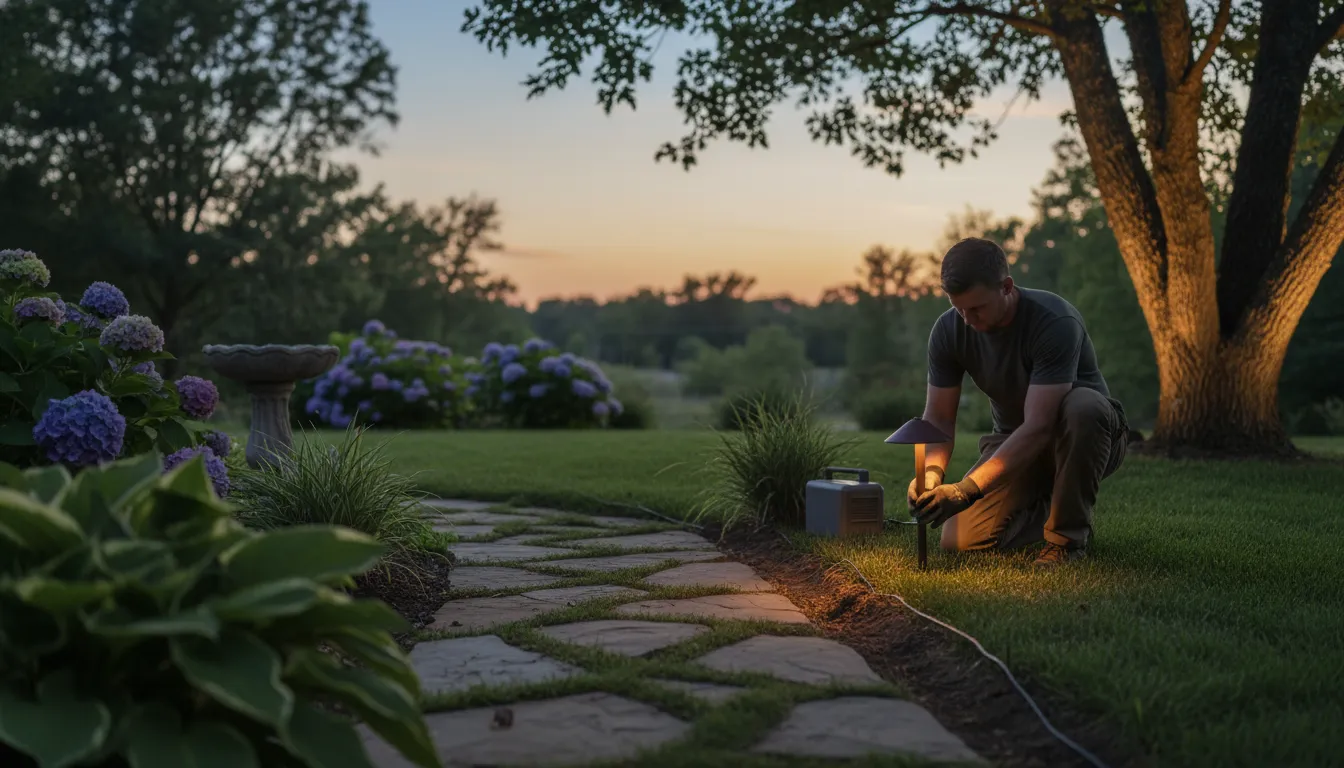
Find the Best Landscape Lighting Installers for Your Business
No obligation • Fast responses • Nationwide coverage

Why you can trust Landscape Atlas
Landscape Atlas is a leading United States resource for evaluating landscaping, lawn care, and outdoor service providers. Our team researches each category in depth, focusing on service quality, safety, and customer experience. Listings and rankings are based on independent criteria and user feedback, and companies cannot pay to influence our assessments or recommendations.
Search providers near you
Best Landscape Lighting Installers in Georgia Ranked
Well-designed landscape lighting transforms your Georgia property from a dark space into a welcoming, secure, and beautiful extension of your home. It enhances safety by illuminating walkways and steps, boosts security by deterring unwanted visitors, and dramatically increases curb appeal by highlighting architectural features and garden beds. This guide will help you understand the key considerations, from system types and costs to local regulations, so you can make an informed decision and find qualified professionals to bring your vision to life.
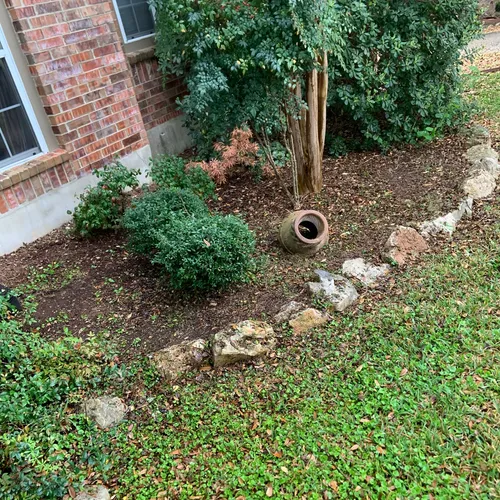
LawnStarter - Atlanta Landscaping
773 Denise Ct SW, Stone Mountain, GA 30087
LawnStarter - Atlanta Landscaping offers a wide range of lawn care and landscaping services in Atlanta, GA. Their services include lawn mowing, landscape lighting installation, sprinkler system installation and repair, hardscaping such as patios and retaining walls, and general landscaping maintenance. They provide solutions tailored to the seasonal needs of Atlanta yards, including sustainable landscaping and smart irrigation systems. LawnStarter connects customers with local landscaping professionals through an easy-to-use platform, covering many neighborhoods in and around Atlanta.
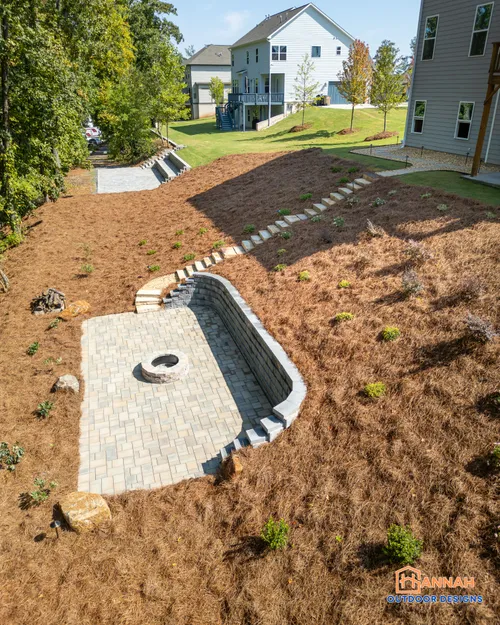
Hannah Outdoor Designs
2400 Herodian Way Suite 220, Smyrna, GA 30080
Hannah Outdoor Designs is a landscaping company based in Atlanta, GA, offering a wide range of services including landscape design, sod installation, irrigation, outdoor lighting, and yard drainage. They create custom 2D and 3D landscape designs and specialize in hardscaping features such as paver patios, walkways, retaining walls, and fire pits. The company holds several industry certifications, including those for retaining walls, soil and water conservation, pesticide application, and professional drainage, reflecting their expertise in outdoor living and erosion control solutions.
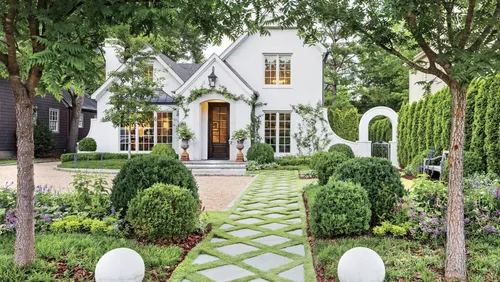
Outside Designs
Atlanta, GA
Outside Designs is a landscape design and hardscaping company based in Atlanta, GA, serving Cobb County, Roswell, Sandy Springs, Buckhead, and surrounding communities. With over 15 years of experience, they offer a range of services including landscape design, installation of softscapes like plants and flower beds, hardscape construction such as patios, pergolas, fire pits, retaining walls, and outdoor kitchens, as well as low voltage landscape lighting. Their capabilities include yard grading and drainage improvements to enhance outdoor spaces for both residential and commercial properties.
Head Adjusters, LLC
Atlanta, GA
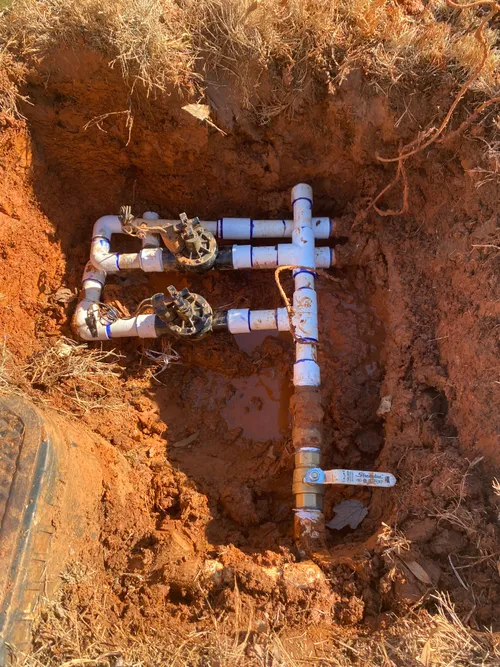
Head Adjusters, LLC is an irrigation and outdoor lighting company based in Atlanta, GA. They provide irrigation installation, repair, and maintenance services designed to keep landscapes healthy and well-watered. The company also offers landscape lighting installation to enhance the appearance of outdoor spaces. Their team uses modern techniques and technology to ensure efficient and sustainable irrigation systems. Head Adjusters, LLC is a family-owned business focused on personalized service and customer satisfaction.
Lights Over Atlanta
1590 N Roberts Rd Suite 101, Kennesaw, GA 30144
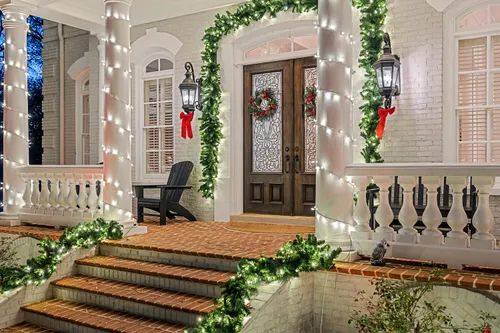
Lights Over Atlanta is an outdoor lighting company based in Atlanta, GA, specializing in landscape lighting installation and seasonal Christmas light services for both residential and commercial properties. They offer custom lighting designs that enhance safety, beauty, and ambiance, including LED conversions for energy efficiency. Their services cover a broad range of clients such as homeowners, HOAs, municipalities, and businesses throughout Metro Atlanta and North Georgia. The company emphasizes a thorough process from consultation and design to installation and ongoing maintenance to ensure lasting results.
Understanding Your Lighting Options: Low Voltage vs. Line Voltage
The first and most critical decision in planning your outdoor lighting project is choosing between a low-voltage or line-voltage system. Each has distinct advantages, safety profiles, and installation requirements that are important to understand for a Georgia home.
Low-Voltage (12V) Landscape Lighting
Low-voltage systems are the most popular choice for residential landscape lighting across Georgia. They operate at 12 volts, which is significantly safer than standard household current. A transformer plugs into an existing outdoor GFCI outlet and "steps down" the 120V power to a safe 12V for the lighting system.
Key Advantages:
- Safety: The minimal shock risk makes it a safer option for homes with children and pets, and it's generally safer for DIY-friendly installation.
- Ease of Installation: Wiring can typically be buried just 6 to 8 inches deep, often without the need for protective conduit, making retrofits and adjustments easier.
- Energy Efficiency: Especially when using modern LED bulbs, low-voltage systems are very energy-efficient, keeping operating costs low 1.
- Design Flexibility: Ideal for creating subtle, layered lighting effects for pathways, garden accents, deck steps, and underwater features.
Regulations in Georgia: While you generally do not need to be a licensed electrician to install the low-voltage wiring and fixtures themselves, the initial 120V outdoor outlet for the transformer may require a permit and professional installation if it's not already present. Professionals who install low-voltage systems for a living in Georgia are required to be licensed by the Georgia State Board of Low Voltage Contractors.
Line-Voltage (120V) Landscape Lighting
Line-voltage systems use standard 120-volt household current, the same power that runs your indoor appliances. These systems are typically used for applications requiring intense, broad illumination.
Common Uses:
- Security floodlighting for large driveways or backyards.
- Illuminating very tall trees or large structures from a distance.
- Commercial properties or large residential estates.
Key Considerations:
- Safety & Installation: Due to the significant shock hazard, line-voltage outdoor lighting must be installed by a licensed electrician 2. All wiring must be buried at a depth of 18 to 24 inches and protected by rigid conduit according to the National Electrical Code (NEC) and local Georgia building codes 2 3. A building permit is always required.
- Brightness: Provides powerful, bright light suitable for security and illuminating large areas 4.
- Durability: Fixtures are often more robust, which can reduce long-term replacement needs.
| Feature | Low Voltage (12V) | Line Voltage (120V) |
|---|---|---|
| Safety | Very high; minimal shock risk. | Significant shock risk if mishandled. |
| Installation | Easier; shallow burial, often without conduit. | Complex; requires a licensed electrician, deep burial in conduit. |
| Power Source | Uses a transformer plugged into a 120V outlet. | Connects directly to the main electrical panel. |
| Light Output | Softer, subtle accent and path lighting. | Brighter, powerful light for security and large areas. |
| Typical Use | Residential paths, gardens, accents, steps. | Security floodlights, large commercial areas. |
What Does Landscape Lighting Installation Cost in Georgia?
Installation costs vary based on your project's size, complexity, fixture quality, and your location within Georgia. Urban areas like Atlanta may have higher labor rates than rural regions. The following national averages provide a reliable baseline for budgeting your Georgia project.
Cost Breakdown by Project Scale:
- Per-Fixture Cost: On average, expect to pay between $100 and $250 for each professionally installed low-voltage light fixture. This price typically includes the fixture, transformer, wiring, and labor.
- Small Project (8-15 fixtures): A basic setup to light a front walkway and a few key landscape features may range from $800 to $2,000+ 5.
- Medium Project (20-40 fixtures): A comprehensive design covering pathways, multiple garden beds, trees, and architectural accents often falls in the range of $2,000 to $5,000+ 6.
- Large/Custom Project (40+ fixtures): Extensive, custom-designed systems for large properties with advanced controls and specialty fixtures can range from $5,000 to $10,000 or more7.
Labor Costs: Professional installation labor generally costs between $45 and $100 per hour, depending on the contractor's expertise and licensing 8 9.
Find the perfect landscape lighting installers for your needs
Get personalized recommendations and expert advice
Planning Your Georgia Landscape Lighting Project
A successful installation starts with a solid plan. Consider these steps before contacting professionals.
1. Define Your Goals: What do you want to achieve? Is it safety for a winding driveway, security for a dark backyard, or ambiance for an outdoor living space? Common techniques include:
- Path Lighting: Low-level lights along walkways.
- Uplighting: Illuminating trees, walls, or architectural features from below.
- Downlighting (Moonlighting): Mounting lights in trees to cast a soft, natural glow downward.
- Grazing: Placing lights close to a textured surface (like stone or brick) to highlight its detail.
- Shadowing: Placing a light in front of an object to cast its shadow on a wall behind it.
2. Choose the Right Fixtures & Technology:
- LED is Standard: Always opt for LED fixtures. They are far more energy-efficient, have exceptionally long lifespans (often 25,000+ hours), and produce less heat than halogen bulbs 10.
- Fixture Materials: For Georgia's humid climate, look for fixtures with corrosion-resistant finishes like copper, brass, or high-quality powder-coated aluminum.
- Beam Spread: Consider the beam angle (spot vs. flood) to control the spread of light for different effects.
3. Understand Local Codes and Permits:
- Low Voltage: The installation of the low-voltage system itself typically doesn't require a permit. However, any new 120V outdoor outlet for the transformer will likely need a permit and must be installed to code, often by a licensed electrician 11 12.
- Line Voltage: As stated, this always requires a permit and a licensed electrician 13 14.
- HOA Rules: Always check your neighborhood's Covenants, Conditions, and Restrictions (CC&Rs) for any rules regarding fixture styles, placement, or light pollution.
4. Professional Design vs. DIY: While low-voltage kits are marketed for DIY, a professional brings invaluable expertise. They can create a balanced, layered lighting plan, properly calculate transformer load, use commercial-grade fixtures that last for decades, and ensure reliable, weatherproof connections that won't fail after one season.
Finding and Hiring a Qualified Professional in Georgia
Taking the time to find the right contractor is crucial for a beautiful, long-lasting result.
1. Verify Credentials:
- Licensing: For low-voltage work, ensure the contractor holds a valid license from the Georgia State Board of Low Voltage Contractors15. For any work involving line voltage or new outlets, a Georgia Master Electrician license is required.
- Insurance: Request proof of both liability insurance and workers' compensation insurance.
- Membership: Look for affiliations with professional organizations like the Association of Outdoor Lighting Professionals (AOLP) or local business bureaus.
2. Review Their Work and Process:
- Portfolio: Ask to see photos or visit completed projects similar to yours.
- Design Consultation: A reputable professional should offer a free, on-site consultation to understand your goals and assess your property.
- Detailed Proposal: The quote should be itemized, listing all fixtures, transformer specifications, wire, labor, and any permit fees. It should also outline the warranty for both parts and labor.
3. Ask the Right Questions:
- "Can you provide a nighttime demonstration of a few fixture types on my property?"
- "What is the expected lifespan of the fixtures you recommend, and what is your warranty?"
- "How do you handle system maintenance or future expansions?"
- "Do you use proprietary parts, or can another company service the system later?"
For the most accurate estimate and a plan tailored to your home, consulting with a local Georgia landscape lighting professional is essential.
Frequently asked questions
Sources
Footnotes
-
Low-Voltage VS. Line-Voltage Outdoor Lighting: Which is Right for Your Project? - https://kingsoutdoorlighting.com/blogs/news/low-voltage-vs-line-voltage-outdoor-lighting-which-is-right-for-your-project ↩
-
Landscape Lighting: Low-Voltage (12V) vs Line-Voltage (120V) - https://www.voltlighting.com/learn/low-voltage-vs-line-voltage-landscape-lighting ↩ ↩2
-
Difference Between Low Voltage & Line Voltage Landscape Lighting - https://www.lightopia.com/low-voltage-vs-line-voltage-landscape-lighting ↩
-
Line Voltage vs. Low Voltage for Your Landscape Lighting - https://www.lightingwarehouse.com/learn/low-voltage-vs-line-voltage ↩
-
How Much Does Landscape Lighting Cost in 2025? - https://www.lawnstarter.com/blog/cost/landscape-lighting-price/ ↩
-
Landscape Lighting Cost - Arte Verde - https://www.arteverde.com/landscape-lighting-cost/ ↩
-
How Much Does Landscape Lighting Cost in 2026? - Lawn Love - https://lawnlove.com/blog/landscape-lighting-cost/ ↩
-
How Much Does Landscape Lighting Installation Cost? [2026 ... - https://www.angi.com/articles/landscape-lighting-costs.htm ↩
-
Breaking Down the Cost of Landscape Lighting Installation - https://kndlandscaping.com/breaking-down-the-cost-of-landscape-lighting-installation/ ↩
-
How to Choose the Best Landscape Lighting for Your Home & Yard - https://www.voltlighting.com/learn/introduction-to-landscape-lighting ↩
-
Low Voltage Landscape Lighting vs. Line Voltage - VOLT Lighting - https://www.voltlighting.com/learn1/low-voltage-landscape-lighting-vs-line-voltage ↩
-
Lighting Guide for Line Voltage Installation and Use - https://www.hooksandlattice.com/lighting-guide-for-line-voltage-installation-and-use/ ↩
-
Line Voltage vs Low Voltage: Which Landscape Lighting is ... - https://www.lutou-tech.com/line-voltage-vs-low-voltage-landscape-lighting/ ↩
-
Landscape Lighting Voltage: The Essential Guide to 12V vs ... - https://ironsmithlighting.com/blogs/news/landscape-lighting-voltage ↩
-
Georgia Low-Voltage Contractor Licensing & Exam Prep - https://rocketcert.com/construction/georgia/low-voltage-contractor-license ↩