Find the Best Landscape Lighting Installers for Your Business
No obligation • Fast responses • Nationwide coverage

Why you can trust Landscape Atlas
Landscape Atlas is a leading United States resource for evaluating landscaping, lawn care, and outdoor service providers. Our team researches each category in depth, focusing on service quality, safety, and customer experience. Listings and rankings are based on independent criteria and user feedback, and companies cannot pay to influence our assessments or recommendations.
Search providers near you
Best Landscape Lighting Installers in Kentucky Ranked
Outdoor lighting transforms your Kentucky property, enhancing safety, security, and curb appeal after sunset. A well-designed lighting plan highlights architectural features, gardens, and pathways while deterring unwanted activity. This guide helps you understand the options, costs, and considerations for installing landscape lighting in the Bluegrass State, so you can make informed decisions and connect with qualified local professionals.
Rockstar Home Systems
524 Lagonda Ave, Lexington, KY 40505
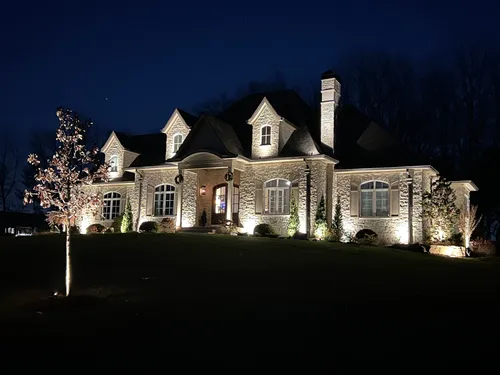
Rockstar Home Systems is a locally owned family business based in Lexington, KY, offering a range of smart home solutions including outdoor lighting installation, home theater setup, home automation, and security systems. With over 50 years of experience, they design and install customized systems that enhance home security, convenience, and entertainment. Their outdoor lighting services focus on improving both the beauty and security of properties through tailored lighting designs. The company also provides reliable Wi-Fi network setup to ensure seamless connectivity.

Edible Gardens Inc.
Louisville, KY
Edible Gardens Inc. is a landscaping and garden design company based in Louisville, KY. They specialize in creating raised bed edible gardens with custom-built cedar planter boxes, organic plants, deer fencing, and landscape lighting. Their services include onsite consultations, garden design, turnkey installations, maintenance, and planting plans for residents, businesses, schools, and retirement homes. Edible Gardens Inc. also offers workshops, mentorship, and an Edible Gardening Academy with online courses to support gardening education and skills development.
DBE Electrical Services, LLC
756 Wilderness Rd, Lexington, KY 40509
DBE Electrical Services, LLC is an electrical contractor based in Lexington, KY, offering landscape and outdoor lighting installation along with a range of electrical services for residential, commercial, and industrial clients. Established with over 20 years of experience, the company has expanded its lighting division since 2017 to include modern, design-focused lighting solutions featuring linear layouts and crystal accents. DBE also provides installation of personal and commercial EV charging stations, including large ChargePoint units across Kentucky.
Epic Lawn Care
204 Wilson Downing Rd, Lexington, KY 40517
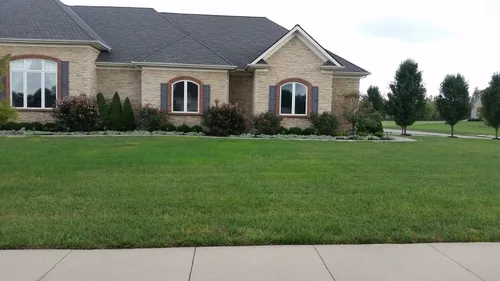
Epic Lawn Care is a locally owned lawn care company based in Lexington, KY. They provide a range of services including lawn mowing, fertilization and weed control, landscape maintenance, mosquito control, aeration, overseeding, and landscape lighting installation. Their fertilization and weed control programs are tailored specifically to the needs of Lexington lawns, using soil assessments and science-backed treatments to promote healthy growth. Epic Lawn Care is a community-focused team with licensed and insured crews, offering dependable weekly mowing routes and consistent service from familiar faces.
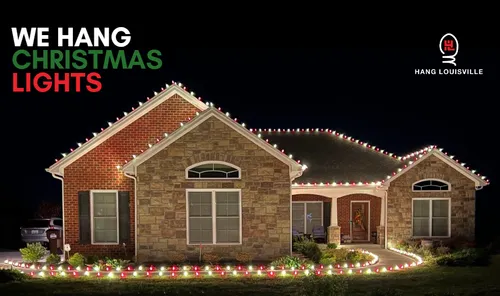
Hang Louisville
7906 Laura Jean Ct, Louisville, KY 40291
Hang Louisville is a landscape and outdoor lighting company based in Louisville, KY. They specialize in holiday lighting installations for residential, commercial, and event settings, creating festive and memorable atmospheres. Their services include custom design, installation, and takedown of commercial-grade lighting, with 24/7 support to address any issues during the season. Hang Louisville serves Louisville and surrounding areas including Prospect, Crestwood, Middletown, Charleston, and Floyd's Knobs.
Understanding Your Lighting System Options
Choosing the right type of system is the first and most critical step. The primary options are low-voltage, line-voltage, and solar, each with distinct advantages and installation requirements.
Low-Voltage (12V) Lighting This is the most popular choice for residential properties in Kentucky. A low-voltage system uses a transformer to convert your standard 120V household current down to a safer 12 volts. The lower voltage makes the system safer to handle, more energy-efficient, and generally easier to install. Because the shock risk is minimal, homeowners often feel comfortable with a DIY installation for basic setups, though professional installation ensures optimal design and performance. These systems offer a vast selection of fixtures for path lighting, uplighting trees, grazing walls, and spotlighting architectural details.
Line-Voltage (120V) Lighting These systems use full household current and are typically used for brighter, more powerful lighting in commercial settings or large residential properties where intense illumination for security or large areas is needed. The installation is significantly more complex and hazardous. It requires a licensed electrician, deeper trenching (at least 18 inches or installation in conduit), and waterproof, code-compliant connections. The fixtures themselves are often more expensive and less varied in style than low-voltage options.
Solar Lighting Solar fixtures are the simplest option, requiring no wiring or electrical connections. Each unit has its own solar panel and battery. They are an excellent, low-cost DIY solution for basic path or accent lighting in areas that receive full sun 1. Their performance can be inconsistent on cloudy days or in shaded areas, and they generally provide less brightness and shorter runtimes than wired systems.
Safety and Kentucky Electrical Codes
Safety is paramount when dealing with electricity and outdoor environments. Understanding the regulations helps ensure a safe and compliant installation.
- Low-Voltage Safety: The 12V systems are considered much safer due to the lower shock risk. In most cases, a homeowner or landscaper can install them without needing a licensed electrician. However, this is not a universal rule, and local codes take precedence.
- Line-Voltage Requirements: Any work on a 120V system must be performed by a licensed electrician. National and local electrical codes mandate specific burial depths and connection methods to prevent shock hazards and damage from digging 2 3.
- Kentucky and Local Permits: While Kentucky may not have a statewide license requirement for low-voltage lighting, your specific city or county might. Always check with your local building or permitting office before starting any project. They can inform you if a permit is required, what the trenching depth specifications are, and if any inspections are needed 4. This step is crucial for both safety and to avoid issues when selling your home.
Cost Breakdown for Kentucky Homeowners
The total investment for landscape lighting varies widely based on system type, project scope, and installation method. Here's what you can expect in the Kentucky market.
Professional Installation Costs For a professionally designed and installed low-voltage system, homeowners typically invest between $2,000 and $6,000+, with an average cost around $3,250 5 6. This total usually breaks down to $100 to $500 per fixture, which includes the fixture, labor, wiring, and the transformer 6. The final price depends on:
- Number and Type of Fixtures: LED fixtures cost more upfront but save on energy.
- Labor Complexity: Simple installations in soft soil cost less. Projects requiring trenching under driveways, through rock, or around established hardscaping (like patios and retaining walls) will increase labor time and cost.
- System Sophistication: Adding timers, dimmers, photocells, or smart controls that integrate with home automation systems adds to the cost.
DIY and Component Costs A basic DIY low-voltage kit can start under $500, but a more robust custom system with quality components will have higher material costs.
- Transformer: The heart of the system, sized by wattage. A good quality 200-300W transformer can cost $150-$400.
- Fixtures: Path lights, spotlights, and well lights range from $20 to $200+ each depending on material (brass vs. plastic) and light output.
- Wire: Low-voltage landscape lighting cable is a key expense. Using a thicker gauge wire (like 10- or 12-gauge) for longer runs is essential to prevent "voltage drop," which causes lights at the end of the run to be dim.
- Connections & Accessories: Waterproof wire connectors, stakes, and mounting hardware are necessary.
Find the perfect landscape lighting installers for your needs
Get personalized recommendations and expert advice
Designing Your Lighting Plan
A successful installation starts with a thoughtful plan. A good design considers both aesthetics and function.
- Define Your Goals: What do you want to achieve? Common goals include illuminating walkways for safety, highlighting a favorite tree or water feature, adding security to dark corners, or creating an inviting ambiance for outdoor entertaining.
- Sketch Your Property: Draw a simple map of your house and yard. Mark key features you want to light (trees, patio, pond, driveway) and the locations of your outdoor electrical outlets.
- Layer Your Light: Use different techniques for a professional look.
- Path Lighting: Fixtures placed along walkways, typically 10-15 feet apart.
- Uplighting: Placed at the base of an object (tree, sculpture, wall) to shine light upward, creating dramatic shadows and texture.
- Downlighting: Mounted in trees or on structures to cast a soft, moonlit glow downward.
- Grazing: Positioning a light very close to a textured surface (like stone or brick) to emphasize its texture.
- Shadowing: Placing a light in front of an object to cast its shadow on a wall behind it.
- Calculate Your Load: Add up the wattage of all the fixtures you plan to use. Your transformer should have a wattage capacity at least 20% greater than this total to ensure longevity and allow for future additions 7.
Installation Process: Professional vs. DIY
Professional Installation Workflow: A professional installer will handle the entire process:
- Consultation & Design: They will assess your property, discuss goals, and create a lighting plan.
- Component Selection: They help choose appropriate fixtures, transformer, and wire.
- Installation: This involves mounting the transformer near an outdoor outlet, trenching for cable (often just 3-6 inches deep for low-voltage), laying wire, connecting fixtures, and burying the cable.
- Aiming & Adjustment: Once powered, they carefully aim each fixture for the desired effect.
- System Demonstration: They explain how to use timers or controls.
Key DIY Considerations: If you undertake a low-voltage project yourself, follow these steps:
- Layout: Use your plan to physically place fixtures (without installing them) to test the look at night.
- Trenching: Use a flat-edged spade to create a narrow, shallow trench for the cable.
- Connections: Use only waterproof, gel-filled wire connectors designed for direct burial.
- Transformer Placement: Install the transformer within 1-2 feet of your GFCI outdoor outlet and protect it from the elements.
- Voltage Drop: For runs over 50 feet, use a thicker gauge cable (e.g., 10-gauge) to ensure all lights shine brightly 8.
Maintenance and Long-Term Care
To keep your Kentucky landscape lighting looking its best:
- Clean Fixtures Regularly: Wipe lenses and housings with a damp cloth to remove dirt, pollen, and cobwebs that block light.
- Trim Plant Growth: Keep shrubs and grass trimmed back from fixtures to maintain light spread and prevent moisture damage.
- Check Connections: Periodically inspect wire connections for corrosion, especially after winter.
- Adjust Fixtures: Settling soil or plant growth may require you to re-aim spotlights or straighten path lights.
- Winter Considerations: While low-voltage systems can run year-round, ensure fixtures are free of ice and snow buildup. Some homeowners choose to remove path light stakes before winter to prevent damage from frost heave or snow plows.
Frequently asked questions
Sources
Footnotes
-
How to Install Landscape Lighting - The Home Depot - https://www.homedepot.com/c/ah/how-to-install-landscape-lighting/9ba683603be9fa5395fab90d9f6978e ↩
-
Landscape Lighting: Low-Voltage (12V) vs Line-Voltage (120V) - https://www.voltlighting.com/learn/low-voltage-vs-line-voltage-landscape-lighting ↩
-
Line Voltage vs. Low Voltage for Your Landscape Lighting - https://www.lightingwarehouse.com/learn/low-voltage-vs-line-voltage ↩
-
Do I Need to Be an Electrician to Install Landscape Lighting ... - https://www.youtube.com/watch?v=yra_PP4Qkso&t=3 ↩
-
How Much Does Landscape Lighting Cost in 2026? - LawnStarter - https://www.lawnstarter.com/blog/cost/landscape-lighting-price/ ↩
-
How Much Does Landscape Lighting Installation Cost? [2026 Data] - https://www.angi.com/articles/landscape-lighting-costs.htm ↩ ↩2
-
How to Create a Landscape Lighting Installation Plan - VOLT Lighting - https://www.voltlighting.com/learn/create-a-landscape-lighting-plan ↩
-
A Beginner's Guide to Low Voltage Landscape Lighting Wire Lengths - https://www.gardenreet.com/blogs/landscape-lighting-articles/a-beginners-guide-to-low-voltage-landscape-lighting-wire-lengths ↩