Find the Best Landscape Lighting Installers for Your Business
No obligation • Fast responses • Nationwide coverage

Why you can trust Landscape Atlas
Landscape Atlas is a leading United States resource for evaluating landscaping, lawn care, and outdoor service providers. Our team researches each category in depth, focusing on service quality, safety, and customer experience. Listings and rankings are based on independent criteria and user feedback, and companies cannot pay to influence our assessments or recommendations.
Search providers near you
Best Landscape Lighting Installers in Minnesota Ranked
Outdoor lighting transforms your property, enhancing safety, security, and curb appeal after sunset. In Minnesota, a well-designed landscape lighting system can extend the enjoyment of your outdoor living spaces and highlight your home's best architectural and natural features. Finding the right professional for the job is key, as proper installation involves technical knowledge of electrical systems, local building codes, and artistic design principles. This guide provides essential information to help you understand your options, navigate local regulations, and plan a successful project.
SavATree - Tree Service & Lawn Care
12450 Hudson Rd S, Afton, MN 55001
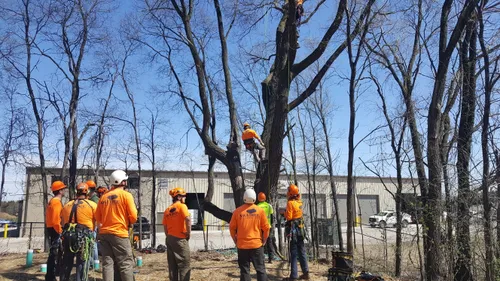
SavATree - Tree Service & Lawn Care is based in Afton and serves the St Paul, MN area along with many communities throughout the St. Croix Valley. They offer a wide range of services including tree pruning, removal, stump grinding, lawn fertilization, weed control, shrub care, and outdoor lighting installation. Their team includes ISA Certified Arborists who provide expert diagnosis and tailored treatment plans to maintain tree and lawn health. With over 30 years of experience serving residential and commercial clients, SavATree focuses on sustainable practices and managing local challenges like emerald ash borer and oak wilt.

Dean Bjorkstrand Landscaping
5508 Clinton Ave, Minneapolis, MN 55419
Dean Bjorkstrand Landscaping is a landscaping and design company based in Minneapolis, MN, serving the Twin Cities metro area and beyond. Since 1983, the company has specialized in creating unique outdoor living spaces including patios, retaining walls, walkways, gardens, water features, and outdoor lighting. They understand the local weather and soil conditions, ensuring landscapes that remain vibrant and functional through cold winters and warm summers. Dean Bjorkstrand personally oversees each project from concept to completion, providing expert guidance and supervision throughout the process.
Green Oasis
2042 Wooddale Dr, Woodbury, MN 55125
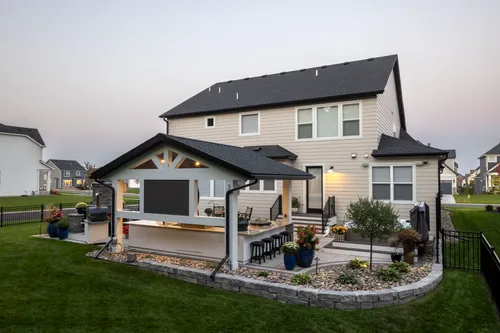
Green Oasis is a lawn care and landscaping company serving St Paul, MN, and surrounding areas in Minnesota and Wisconsin. They offer a wide range of services including lawn mowing, fertilization, weed control, landscape design and installation, outdoor lighting, sprinkler installation and repair, hardscaping, and pest control. With over 45 years of experience, Green Oasis focuses on customized outdoor solutions tailored to each client's needs and property. Their licensed and certified technicians provide ongoing maintenance and pest control using environmentally responsible methods to ensure healthy, attractive outdoor spaces year-round.
Minnesota Landscapes
260 Wentworth Ave E, West St Paul, MN 55118
Minnesota Landscapes is a company based in St Paul, MN, specializing in landscape and outdoor lighting installation. They provide exterior lighting solutions that enhance property aesthetics, improve safety, and highlight architectural features. Their services include installing floodlights, path lights, wall-mounted lights, and post lights to illuminate outdoor spaces effectively. Minnesota Landscapes focuses on designing and installing lighting systems tailored to the property's size, layout, and style to increase curb appeal and usability of outdoor areas after dark.
Superior
2730 Highwood Ave E, Maplewood, MN 55119
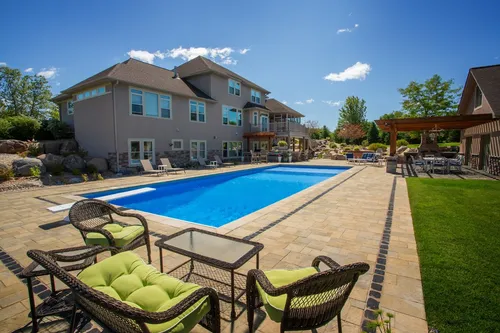
Superior is a landscape design and installation company based in St Paul, MN, serving Minnesota and Western Wisconsin. Since 2004, they have specialized in upscale landscape construction, including patios, retaining walls, swimming pools, outdoor lighting, and audio systems. Their team focuses on custom designs and quality builds, offering services such as paver driveways, fire features, outdoor kitchens, and water features to enhance outdoor living spaces. Superior is known for award-winning landscape transformations and incorporates advanced capabilities like smart LED outdoor lighting and surround sound systems.
Understanding Your Lighting System Options
The first major decision in any outdoor lighting project is choosing between low-voltage and line-voltage systems. Each has distinct advantages, safety considerations, and applications.
Low-Voltage Landscape Lighting
Low-voltage systems, operating at 12 or 24 volts, are the overwhelmingly popular choice for residential properties in Minnesota. They are prized for their safety, energy efficiency, and relative ease of installation. 1 2 3
- Safety: The primary benefit is safety. The shock hazard is minimal, making these systems ideal for homes with children and pets. This safety factor also makes them suitable for qualified DIY installation.
- Power Source: A transformer converts standard 120V household power down to the safe 12V or 24V used by the fixtures. This transformer must be plugged into a GFCI-protected outdoor outlet.
- Installation: Wiring is simpler, using direct-burial cable that typically only needs to be buried about 6 inches deep. This flexibility allows for easier layout adjustments.
- Efficiency & Cost: When paired with modern LED bulbs, low-voltage systems are highly energy-efficient, leading to very low operating costs. They are generally less expensive to install professionally than line-voltage systems.
Line-Voltage Landscape Lighting
Line-voltage systems use standard 120V household current and are less common for general residential landscape lighting. 4 5 6 7
- Applications: They are typically reserved for applications requiring high-intensity light output, such as large security floodlights, or for installations with extremely long wire runs where voltage drop in a low-voltage system would be problematic.
- Safety & Installation: The high shock risk means all installation work must be performed by a licensed electrician. Wiring must be run through conduit (PVC or metal) and buried at a minimum depth, often 12 inches or more for residential circuits. 8
- Regulation: These installations always require an electrical permit and must adhere to strict National Electrical Code (NEC) standards.
Comparison Table: Low-Voltage vs. Line-Voltage Lighting
| Feature | Low-Voltage (12V/24V) | Line-Voltage (120V) |
|---|---|---|
| Safety | Very safe; minimal shock hazard. Ideal for DIY installation and areas with pets/children. | High shock risk; requires professional, licensed electrician installation. |
| Power Source | Uses a transformer to convert standard 120V household power to 12V or 24V. | Plugs directly into the main electrical panel, using standard household current. |
| Wiring | Uses flexible, direct-burial cable (10 or 12 gauge) with less stringent depth requirements (around 6 inches). | Requires thick wiring in conduit (PVC or metal) buried at a minimum depth (at least 12 inches for residential circuits). |
| Efficiency | More energy-efficient, especially with LED bulbs, resulting in lower operating costs. | Consumes more electricity, though this can be offset with energy-efficient bulbs. |
| Best For | Aesthetic accent lighting, pathways, gardens, and architectural features. | High-power security lights or installations with extremely long wire runs. |
Navigating Minnesota Codes and Local Ordinances
A compliant installation is crucial for safety and to avoid issues with local authorities. All work must follow the latest edition of the National Electrical Code (NEC) adopted by the State of Minnesota.
Permitting Requirements
- Low-Voltage Systems: Generally, no electrical permit is required for the low-voltage wiring and fixtures themselves. 9 However, the 120V power supply for the transformer-the GFCI outlet it plugs into-must be installed to code. Installing or modifying this outlet may require a permit and should be done by a qualified electrician.
- Line-Voltage Systems: Always require an electrical permit, and all work must be performed by a licensed electrician. 10 11
Key Lighting Regulations
Beyond basic electrical code, many Minnesota cities and counties have "dark sky" or light pollution ordinances designed to reduce glare and light trespass. Common rules include: 12 13 14 15 16
- Light Trespass: Regulations limit the amount of light that can spill onto a neighbor's property or a public right-of-way. This is often measured in footcandles at the property line (typically between 0.4 and 3 footcandles).
- Shielding: Most ordinances require outdoor lighting fixtures to be fully shielded or hooded so that the light source is not visible from adjacent properties and light is directed downward. This reduces skyglow and glare.
- Curfews: Some codes may require non-essential lighting (like decorative architectural lights) to be turned off after a certain hour, often midnight.
Always check with your local city or county planning or building department (e.g., City of Bloomington, City of Saint Paul) for the specific ordinances that apply to your property before finalizing a lighting plan. 17 18
Find the perfect landscape lighting installers for your needs
Get personalized recommendations and expert advice
Design Principles for Effective Outdoor Lighting
A professional-grade installation is as much about art as it is about electricity. Good design creates depth, interest, and functionality.
- Layering: Combine different lighting techniques-such as path lights, uplights, and downlights-to create a balanced and inviting scene.
- Highlighting Focal Points: Use light to draw attention to key features like a specimen tree, architectural detail, or water feature.
- Creating Depth: Place lights at varying distances from the viewer to create shadows and highlights, making the landscape feel larger and more dynamic.
- Ensuring Safety & Security: Illuminate steps, pathways, and entry points clearly to prevent trips and falls, and use light to eliminate dark shadows where intruders could hide.
- Controlling Glare: Proper fixture selection and placement are critical to avoid blinding light sources, which is both a nuisance and a safety hazard.
Cost of Landscape Lighting in Minnesota
Costs vary significantly based on system type, fixture quality and quantity, design complexity, and installation method. 19 20 21 22
Professional Installation Cost Ranges
Professional installation includes expert design, commercial-grade materials, skilled labor, and often a multi-year warranty.
| Project Scope | Average Cost Range (Professional) | Typical Cost per Installed Fixture |
|---|---|---|
| Small System (5-10 lights) | $1,000 - $2,000 | $100 - $150 (low-voltage) |
| Medium System (20-40 lights) | $8,000 - $15,000 | $150 - $400 (mixed fixture types) |
| Large/Custom System (40+ lights) | $15,000+ | $200 - $500+ (high-end/custom fixtures) |
A typical professional installation for a 10-fixture, low-voltage system often averages between $3,000 and $3,500. 23
DIY vs. Professional Investment
DIY low-voltage kits offer a lower upfront cost, with a basic 10-light system starting around $850 for materials. 24 While feasible for a handy homeowner, DIY projects often use consumer-grade fixtures that may not withstand Minnesota's harsh winters as well as commercial-grade products. The results may also lack the nuanced design and technical precision of a professional installation, potentially leading to issues with glare, uneven lighting, or premature system failure.
Choosing the Right Fixtures and Technology
- Fixture Types: Common fixtures include path lights, spotlights (for uplighting trees), well lights (in-ground uplights), floodlights, step lights, and deck/post lights.
- LED Technology: Modern LED fixtures are the standard. They use a fraction of the energy of old halogen bulbs, last for decades, and are available in a range of color temperatures (from warm white to cool white) to set the desired mood.
- Materials: For longevity in Minnesota's climate, look for fixtures with brass, copper, or heavy-duty polymer housings. Stainless steel hardware is essential to resist corrosion.
- Controls: Simple systems use a timer in the transformer. Advanced systems offer smartphone control, allowing you to adjust schedules, dim lights, and create scenes from anywhere.
The Professional Installation Process
Understanding the steps involved can help you know what to expect from a qualified installer.
- Consultation & Design: A professional will visit your property at dusk to assess the site, discuss your goals, and create a lighting plan that includes fixture placement, wire runs, and transformer location.
- Permitting & Material Selection: They will handle any necessary permits and help you select appropriate fixtures.
- Installation: The crew will trench for wiring, install the transformer and junction boxes, set and level all fixtures, and make all electrical connections.
- Aiming & Adjustment: Once everything is powered, the installer will meticulously aim each fixture to achieve the designed effect, adjusting for beam spread and eliminating glare.
- System Demonstration & Warranty: A final walk-through ensures you understand how to operate and maintain your new system, and warranty information is provided.
Maintaining Your Landscape Lighting System
To ensure your investment lasts, perform simple annual maintenance: clean lens covers, trim back growing vegetation that may block light, check for and repair any wiring disturbed by animals or gardening, and ensure the transformer connections are tight and dry.
Frequently asked questions
Sources
Footnotes
-
Florida low voltage landscape lighting license requirements - https://www.facebook.com/groups/lowvoltagenation/posts/3436504649972673/ ↩
-
Illuminate Your Space: Installing Hardscape Lighting Made Easy - https://tmimn.com/how-to-install-hardscape-lighting/ ↩
-
How to Design Landscape Lighting Like a Pro in 6 Steps - https://elevatedseasons.com/how-to-design-landscape-lighting-2/ ↩
-
Line Voltage vs. Low Voltage for Your Landscape Lighting - https://www.lightingwarehouse.com/learn/low-voltage-vs-line-voltage ↩
-
Low Voltage vs. High Voltage: What's Right for Your Outdoor Lighting? - https://www.litethenite.com/insights/low-voltage-vs-high-voltage-whats-right-for-your-outdoor-lighting ↩
-
Line Voltage vs Low Voltage: Which Landscape Lighting is ... - https://www.lutou-tech.com/line-voltage-vs-low-voltage-landscape-lighting/ ↩
-
Low Voltage or Line Voltage Lighting? - Watson Supply - https://watsonsupplyinc.com/low-voltage-or-line-voltage-lighting/ ↩
-
Understanding How Deep To Bury Electrical Wire in Plymouth, MA - https://crowe-electric.com/how-deep-to-bury-electrical-wire/ ↩
-
Low Voltage Power Circuit | Saint Paul Minnesota - StPaul.gov - https://www.stpaul.gov/departments/safety-inspections/building-and-construction/construction-permits-and-inspections/electrical-permits-inspections/low-voltage-power-circuit ↩
-
Electrical Inspection Checklist for One-Family Homes - https://www.dli.mn.gov/sites/default/files/pdf/eli_inspection_checklist2.pdf ↩
-
electrical inspection checklist for one-family dwellings - https://www.dli.mn.gov/sites/default/files/pdf/eli_inspection_checklist2023NEC.pdf ↩
-
Low Voltage Landscape Lighting: What You Should Know - https://landscapeworkshop.com/landscaping-blog/low-voltage-landscape-lighting-what-you-should-know/ ↩
-
Code Compliance for Outdoor Lighting in Minnesota ... - https://highland-electric.com/code-compliance-for-outdoor-lighting-in-minnesota-communities/ ↩
-
Lighting Requirements in Carver County, Minnesota - https://www.bocklighting.com/lp/requisitos-de-iluminacin-en-el-condado-de-carver-minnesota ↩
-
ordinance no. 02-2025 - Afton, MN - https://www.ci.afton.mn.us/vertical/sites/%7B255148F5-88B9-45F6-9726-DD95D24AA11D%7D/uploads/02-2025_Outdoor_Lighting_Ordinance_final_to_reflect_Council_adoption_.pdf ↩
-
How to Install Low Voltage Landscape Lighting: Wiring Guide - https://expertce.com/learn-articles/install-low-voltage-landscape-lighting/ ↩
-
Yard Lamp Posts: Lighting Codes and Regulations, How It Fits In - https://www.paclights.com/explore/yard-lamp-posts-lighting-codes-and-regulations-how-it-fits-in/ ↩
-
Lighting Requirements for Commercial Buildings: Guidelines & Regulations - https://www.dekra-lite.com/blogs/theworkshop/lighting-requirements-for-commercial-buildings ↩
-
Line Voltage vs. Low Voltage - Lighting Warehouse - https://www.lightingwarehouse.com/learn/low-voltage-vs-line-voltage ↩
-
How Much Do Low-Voltage Landscaping Lights Cost - Royal ... - https://www.royalcreationslandscaping.com/low-voltage-landscaping-light-system-cost-guide/ ↩
-
How Much Does Low Voltage Landscape Lighting Cost? - Blog - https://brooksidelandscape.design/how-much-does-low-voltage-landscape-lighting-cost-full-breakdown/ ↩
-
How Much Does Low Voltage Landscape Lighting Cost? (Full Breakdown) - https://brooksidelandscape.design/how-much-does-low-voltage-landscape-lighting-cost-full-breakdown/ ↩
-
How Much is Professional Landscape Lighting? - https://theperfectlight.com/blog/how-much-is-professional-landscape-lighting/ ↩
-
Outdoor Lighting Installation Cost and Pricing Guide - https://www.outdoorlights.com/resources/pricing-guide/ ↩