Find the Best Landscape Lighting Installers for Your Business
No obligation • Fast responses • Nationwide coverage

Why you can trust Landscape Atlas
Landscape Atlas is a leading United States resource for evaluating landscaping, lawn care, and outdoor service providers. Our team researches each category in depth, focusing on service quality, safety, and customer experience. Listings and rankings are based on independent criteria and user feedback, and companies cannot pay to influence our assessments or recommendations.
Search providers near you
Best Landscape Lighting Installers in New Jersey Ranked
A well-designed landscape lighting system transforms your New Jersey property, enhancing safety, security, and curb appeal after sunset. Professional installation is crucial, as it involves navigating state electrical codes, selecting the right fixtures, and ensuring a durable, beautiful result. This guide provides the essential information you need to understand your options, local requirements, and how to connect with qualified specialists in the Garden State.
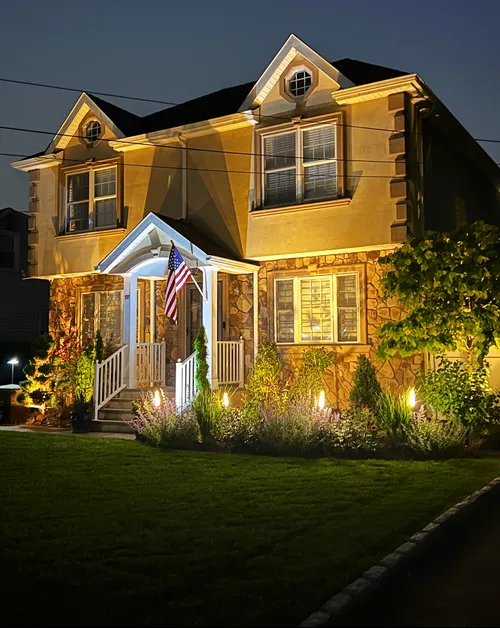
Green Acres Landscape Construction
Newark, NJ
Green Acres Landscape Construction has been providing landscaping design, irrigation, and construction services in Newark, NJ, and throughout New Jersey for over 15 years. They offer a wide range of services including lawn maintenance, sod installation, fence construction, drainage solutions, hardscape lighting, and outdoor kitchen installations. The company handles both residential and commercial properties with a focus on treating each property with care and respect. Their capabilities include brick paver installation and comprehensive landscape design and maintenance.
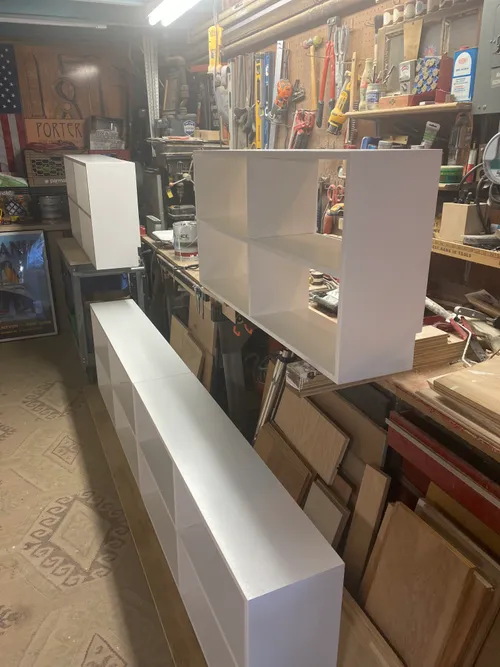
Porter Stable
69 Charles St, New York, NY 10014
Porter Stable is a landscaping and outdoor design company based in Jersey City, NJ. They offer a range of services including landscape lighting installation, landscape design, and hardscaping such as pavers and retaining walls. Their expertise extends to custom carpentry projects like walk-in closets and shelving systems, as well as masonry work using materials like vintage brick and granite. The company also provides painting and wallpaper services, along with home services including lighting fixtures and media wall mounting.
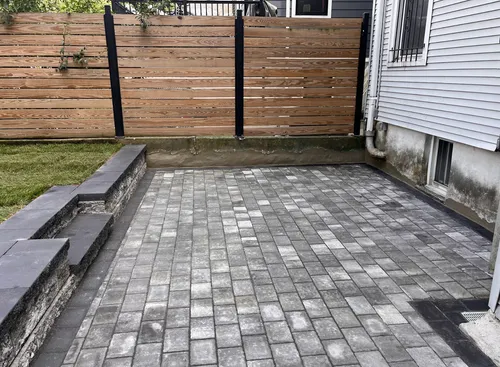
Newstar Landscaping Contracting
Newark, NJ
Newstar Landscaping Contracting in Newark, NJ offers a wide range of landscaping and home improvement services. Their expertise includes lawn mowing, lawn care with fertilization and weed control, fence installation, landscape lighting, tree services including removal and stump grinding, land clearing, and hardscaping such as retaining walls and pavers. They also provide handyman services and seasonal property cleanups. One notable capability is their comprehensive approach to both landscaping and construction projects, covering everything from outdoor lighting to home remodeling tasks.
Z.O. Landscaping & Supply Inc.
17 Newark Way, Maplewood, NJ 07040
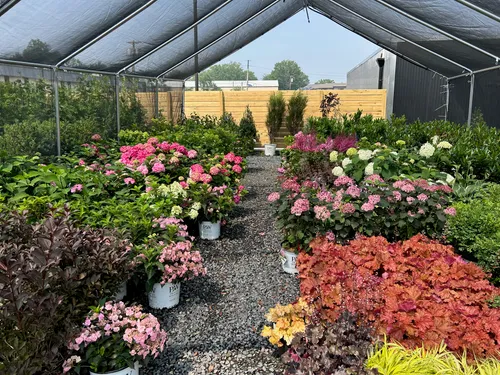
Z.O. Landscaping & Supply Inc. is a landscaping and outdoor lighting company based in Newark, NJ. They provide services including landscape design, hardscaping, and landscape lighting installation. Their team uses photo imaging technology to help clients visualize designs before installation, enhancing project clarity and planning. The company offers a range of services such as creating walkways, retaining walls, and artistic outdoor lighting to enhance properties.
Outdoor Lighting Perspectives of Greater Morris and Western Bergen
Newark, NJ
Outdoor Lighting Perspectives of Greater Morris and Western Bergen provides custom outdoor lighting design and installation services in Newark, NJ. They specialize in low-voltage landscape, architectural, deck, patio, pathway, driveway, and holiday lighting for residential and commercial properties. Their team carefully assesses each property's unique features to create lighting solutions that enhance beauty, safety, and functionality while complying with local regulations. The company offers maintenance programs to ensure lighting systems remain effective year-round and supports installations with a limited lifetime warranty.
Understanding Your Lighting Options: Low-Voltage vs. Line-Voltage
The first major decision in any outdoor lighting project is choosing between low-voltage and line-voltage systems. Each has distinct applications, benefits, and regulatory implications in New Jersey.
Low-Voltage Landscape Lighting (12V)
Low-voltage lighting is the predominant choice for residential landscape illumination in New Jersey. These systems use a transformer to step down your home's standard 120-volt current to a safer 12 volts. This approach is ideal for accenting architectural features, illuminating pathways, highlighting trees, and creating ambient garden lighting.
The primary advantages of a 12-volt system are enhanced safety, greater energy efficiency, and installation flexibility 1. The lower voltage significantly reduces the risk of severe electrical shock, making it a safer option for areas where people and pets gather. Modern low-voltage systems almost exclusively use LED bulbs, which consume far less power than traditional halogen options and can last for decades, minimizing maintenance. Furthermore, the wiring is easier to place and adjust, allowing for creative layouts that enhance your property's best features.
Line-Voltage Landscape Lighting (120V)
Line-voltage systems operate directly from your home's standard 120-volt outlets. While less common for general aesthetic and path lighting, they are sometimes used for applications requiring intense illumination, such as large-area security lighting or illuminating very tall trees from a significant distance.
The key considerations with line-voltage are increased safety risks and higher installation complexity. Due to the greater shock hazard, wiring must be buried deeper-typically 18 inches-and installed within rigid conduit, following strict National Electrical Code (NEC) and local guidelines 2. The installation almost always requires a licensed electrical contractor and permits. For most homeowners seeking to beautify their landscape, the versatility and safety of a low-voltage system make it the recommended choice.
New Jersey Codes, Permits, and the Importance of Licensed Professionals
Installing outdoor lighting in New Jersey is not a simple DIY project. The state has specific regulations designed to ensure safety and system longevity.
Permit Requirements
A common misconception is that low-voltage lighting does not require permits. In New Jersey, a permit is required for the installation of all landscape lighting systems, including low-voltage (over 10V). This falls under the state's Uniform Construction Code (UCC). The permitting process ensures your installation plan is reviewed for safety and code compliance before work begins.
Key Safety and Installation Codes
New Jersey codes mandate specific practices for a safe installation:
- Burial Depth: Low-voltage wiring must be buried at a minimum depth of 6 inches to protect it from damage from lawn aerators, edging tools, and frost heave 3.
- Transformer Derating: To ensure longevity and prevent overheating, transformers should be "derated," meaning they are used at only 80% of their maximum rated capacity. For example, a 300-watt transformer should only power a 240-watt load 4.
- Proper Circuit Protection: The system must be connected to a Ground Fault Circuit Interrupter (GFCI) outlet for protection against faults.
Why a Licensed Contractor is Essential
Hiring a New Jersey-licensed electrical contractor is not just a recommendation-it's often a requirement for pulling a permit and ensuring a legal installation 5. A licensed professional brings critical expertise:
- Code Compliance: They navigate state and local codes to keep your project legal and safe, avoiding potential fines or issues when selling your home.
- System Design and Sizing: They correctly calculate the total wattage load, select the appropriate transformer size, and plan wire runs to minimize "voltage drop" (a loss of power over long wire distances that causes lights to dim).
- Quality Assurance: Professional installers use commercial-grade fixtures and wiring designed to withstand New Jersey's climate, from humid summers to freezing winters.
Find the perfect landscape lighting installers for your needs
Get personalized recommendations and expert advice
Cost Considerations for Landscape Lighting in NJ
The cost of a landscape lighting system varies based on its size, complexity, and the fixtures selected. Understanding the typical cost breakdown can help you budget effectively.
Per-Fixture Installation Cost
The most common way to estimate cost is on a per-fixture basis. In New Jersey, you can expect to pay roughly $100 to $150 per fixture for a professional installation, which includes the fixture itself and labor 6. This covers popular options like path lights, well lights, spotlights, and deck lights.
System Component Costs
A complete system includes more than just fixtures:
- Transformer: The heart of a low-voltage system. Costs range from $150 for a basic model to $500 or more for a high-wattage, multi-tap, or smart transformer that can be controlled via an app 7 8.
- Wiring: You'll need direct-burial cable, typically 12 or 14-gauge. Wire costs average $1 to $2 per linear foot 9. Longer runs or systems with many fixtures may require thicker 10-gauge wire to combat voltage drop.
- Labor: Professional labor costs are typically bundled into the per-fixture price but can be a separate line item for complex projects. They cover system design, trenching or hiding wires, connecting fixtures, and programming timers or smart controls.
Factors Influencing Total Price
- Number of Fixtures: A small system of 10 lights will cost significantly less than an extensive system of 30+ lights.
- Fixture Quality: Brass or copper fixtures cost more than polymer but offer superior durability and aesthetics.
- Site Complexity: Installing lights in rocky soil, on retaining walls, or in water features adds to labor time.
- Smart Technology: Systems with Wi-Fi controls, zoning, and color-changing LEDs command a premium.
Technical Insights for a Lasting System
A professional installation focuses on long-term performance, not just immediate results. Two critical technical factors are the choice of light source and managing electrical performance.
The LED Standard
Modern landscape lighting is synonymous with LED technology. Compared to outdated halogen bulbs, LEDs offer transformative benefits: they use up to 80% less energy, generate very little heat, and have a lifespan of 25,000 to 50,000 hours-meaning they can last for 10-20 years with typical use 10 11. This makes them the only practical choice for a new installation, offering dramatic savings on energy bills and eliminating the frequent bulb replacement required by old systems.
Managing Voltage Drop
Voltage drop is the enemy of a consistent, bright low-voltage lighting system. As electricity travels through wire, it encounters resistance, causing lights at the end of a long run to appear dimmer than those near the transformer. Professionals combat this by:
- Using a thicker gauge wire (e.g., 10-gauge) for long main runs.
- Employing a "multi-tap" transformer, which allows them to send different voltage levels down different wires.
- Designing the layout with "home runs" (individual wires running back to the transformer) for key fixtures to ensure consistent brightness.
Designing Your Illuminated Landscape
A great lighting design does more than just make things visible; it creates mood, highlights texture, and expands your living space into the evening. Common techniques used by professionals include:
- Path Lighting: Low-level fixtures that safely guide movement along walkways and steps.
- Uplighting: Placing lights at the base of trees, architectural columns, or textured walls to create dramatic shadows and highlights.
- Downlighting: Mounting lights in trees or on structures to mimic moonlight and cast gentle, natural-looking pools of light.
- Grazing: Positioning a light very close to a surface (like stone or wood) to emphasize its texture.
- Shadowing: Placing a light in front of an object and casting its shadow onto a wall behind it for a dramatic silhouette effect.
A qualified lighting specialist will walk your property at dusk to develop a customized plan that balances aesthetics, function, and security, ensuring your investment enhances your home's value and your enjoyment of it.
Frequently asked questions
Sources
Footnotes
-
Why Low Voltage Lighting is Best for Your Home ... - https://www.naturescapelighting.com/nj-landscape-lighting-blog/low-voltage-lighting-nj ↩
-
Landscape Lighting: Low-Voltage (12V) vs Line-Voltage (120V) - https://www.voltlighting.com/learn/low-voltage-vs-line-voltage-landscape-lighting ↩
-
Low Voltage Lighting - Borough of Ringwood, New Jersey - https://www.ringwoodnj.net/content/2347/2355/25373.aspx ↩
-
Outdoor & Landscape Lighting (Residential) | Brick, NJ - https://echelonelectricnj.com/outdoor-landscape-lighting-residential/ ↩
-
New Jersey - SM Landscape Lighting - https://www.njlandscapelighting.com/brilliant-ramblings-blog/the-importance-of-choosing-a-properly-insured--licensed-outdoor-low-voltage-lighting-company-in-nj/5045/view ↩
-
How Much Does Landscape Lighting Cost in 2026? - LawnStarter - https://www.lawnstarter.com/blog/cost/landscape-lighting-price/ ↩
-
How Much Does Landscape Lighting Cost in 2026? - Lawn Love - https://lawnlove.com/blog/landscape-lighting-cost/ ↩
-
Outdoor Lighting Installation Cost and Pricing Guide - https://www.outdoorlights.com/resources/pricing-guide/ ↩
-
How Much Does Low Voltage Landscape Lighting Cost? - Blog - https://brooksidelandscape.design/how-much-does-low-voltage-landscape-lighting-cost-full-breakdown/ ↩
-
Benefits of Professional Low Voltage Landscape Lighting in NJ - https://www.chrisjameslandscaping.com/benefits-of-professional-low-voltage-landscape-lighting-in-nj/ ↩
-
Landscape Lighting Voltage: The Essential Guide to 12V vs ... - https://ironsmithlighting.com/blogs/news/landscape-lighting-voltage ↩