Find the Best Landscape Lighting Installers for Your Business
No obligation • Fast responses • Nationwide coverage

Why you can trust Landscape Atlas
Landscape Atlas is a leading United States resource for evaluating landscaping, lawn care, and outdoor service providers. Our team researches each category in depth, focusing on service quality, safety, and customer experience. Listings and rankings are based on independent criteria and user feedback, and companies cannot pay to influence our assessments or recommendations.
Search providers near you
Best Landscape Lighting Installers in Oregon Ranked
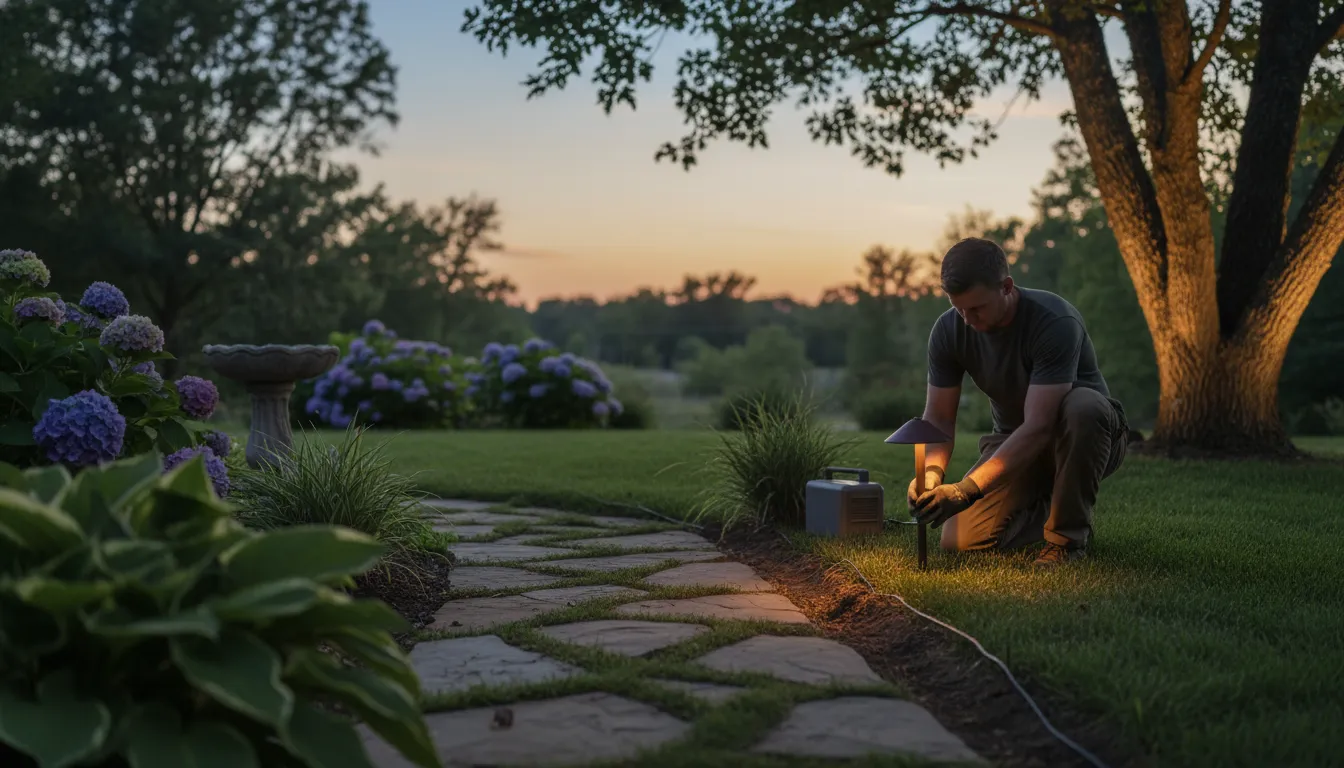
Outdoor lighting transforms your property from a dark space into a functional, beautiful, and secure extension of your home. In Oregon, where evenings can be long and wet, a well-designed lighting system enhances curb appeal, improves safety on paths and steps, and creates inviting outdoor living areas. This guide provides essential information on types of systems, costs, regulations, and how to connect with qualified professionals in Oregon who can bring your vision to life.
HD Landscape and Maintenance
Portland, OR
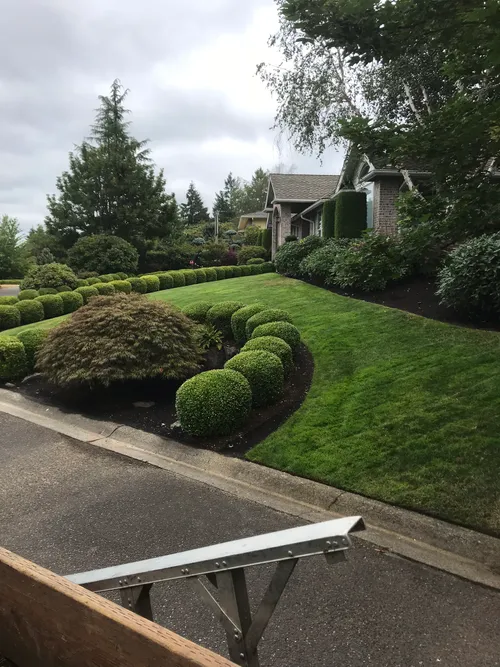
HD Landscape and Maintenance is a landscaping and maintenance company serving Portland, OR, and the surrounding metropolitan area. They offer a wide range of services including lawn care, sod and artificial turf installation, fence installation, landscape lighting, landscape design, tree services, yard drainage, hardscaping, and seasonal maintenance. Their work covers residential and commercial properties across Multnomah, Washington, and Clackamas counties. The company emphasizes sustainable landscaping practices using native plants and eco-friendly materials. They are fully licensed and insured, with experience handling projects from initial design to completion, including specialized capabilities like storm damage restoration and smart drainage systems.
Champion Outdoor Lighting
Portland, OR
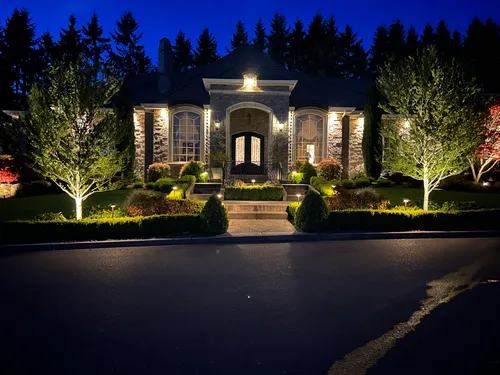
Champion Outdoor Lighting is a Portland, OR-based company specializing in custom landscape and outdoor lighting installation for residential and commercial properties. They design, install, update, and repair LED lighting systems tailored to highlight outdoor spaces such as gardens, water features, and architectural elements. Their services include low voltage exterior lighting for various venues including offices, hotels, and event spaces. Champion Outdoor Lighting has experience working on projects like the Lan Su Chinese Garden, where they replaced outdated systems with modern designs and fixtures.
Oregon Outdoor Lighting
14190 Fir St #207, Oregon City, OR 97045
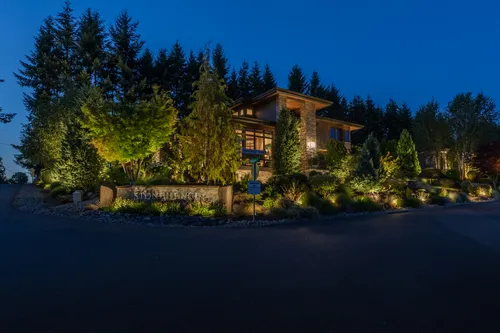
Oregon Outdoor Lighting is a landscape lighting installation company based in Portland, OR. They specialize in designing and installing low voltage LED landscape lighting systems for residential properties, offering services that include new installations, maintenance, repairs, and programmable holiday lighting. With over 17 years of experience, they have installed more than 125,000 lights across Oregon. The company uses high-quality American-made fixtures and is one of two approved vendors in the Pacific Northwest for Garden Light LED products.
Lawn & Irrigation Technologies NW
2900 SE Cornelius Pass Rd Ste 336, Hillsboro, OR 97123
Lawn & Irrigation Technologies NW is a landscaping and irrigation contractor based in Portland, OR, serving the Washington County area for over 30 years. They offer a wide range of services including irrigation system installation and repair, sod installation, landscape lighting, paver installation, yard drainage solutions, and lawn fertilization. Their team is known for using water-efficient irrigation products and providing NDS-certified drainage solutions to enhance outdoor spaces while promoting environmental stewardship.
Exstream Landscaping
16621 S Harding Rd, Oregon City, OR 97045
Exstream Landscaping is a landscaping company based in Portland, OR, offering a wide range of services including landscape design, hardscaping, fence installation, sprinkler systems, and outdoor lighting. They serve Portland and nearby areas such as Happy Valley, Milwaukie, and West Linn. With over 25 years of experience, owner Pat Hardisty leads projects that include paver patios, retaining walls, irrigation, and modern outdoor features like fire pits and outdoor rooms. The company emphasizes using locally sourced materials from the Pacific Northwest to minimize tariff impacts and maintain stable pricing.
Understanding Your Lighting System Options
Choosing the right type of lighting system is the first critical step. In Oregon, the climate and intended use heavily influence whether low-voltage or line-voltage lighting is the best fit for your project.
Low-Voltage (12V) Landscape Lighting
This is the most popular and recommended choice for residential properties across Oregon. A low-voltage system uses a transformer to reduce standard household current (120V) down to a safer 12 volts. This approach offers significant advantages:
- Safety & Ease: The lower voltage presents a much-reduced risk of shock, making it safer for homes with children and pets. While professional installation is highly recommended, especially in Oregon's damp conditions, these systems have a lower barrier to entry for knowledgeable DIYers.
- Energy Efficiency: Modern low-voltage systems almost exclusively use LED bulbs, which consume up to 80% less energy than traditional halogen bulbs and last for decades, leading to substantial savings on your electricity bill 1 2.
- Design Flexibility: Low-voltage systems support a vast array of fixture styles-from path lights and spotlights to deck and underwater lights-allowing for creative accent, task, and ambient lighting designs 3.
Line-Voltage (120V) Lighting
These systems use standard household current and are typically reserved for specific applications.
- Power & Brightness: Line-voltage fixtures can produce more intense light, making them suitable for large-area security lighting, illuminating very tall trees, or commercial applications.
- Installation Complexity: Due to the high shock risk, line-voltage installations must be performed by a licensed electrician. Wiring must be buried at least 18 inches deep or run through conduit, and all connections require waterproof junction boxes 4.
- Considerations: For most residential ambiance and pathway lighting in Oregon, the safety, efficiency, and flexibility of low-voltage LED systems make them the superior choice.
Key Considerations for Oregon Homeowners
Oregon's unique environment demands careful planning. Here are the most important factors to address for a successful installation.
Climate and Durability
The Pacific Northwest's persistent moisture means fixture quality is non-negotiable. Look for fixtures with robust, corrosion-resistant materials like copper, brass, or heavy-duty polymer. Ensure all seals and gaskets are designed to withstand constant wet-dry cycles to prevent water intrusion and premature failure.
Professional Design and Planning
A professional lighting plan is more than just picking spots for lights. It involves calculating voltage drop-the loss of power over long wire runs that can cause lights at the end of a circuit to dim. Proper planning ensures even brightness, selects the correct transformer size, and creates a balanced layout that highlights architectural and landscape features effectively 5 6.
Rules, Permits, and DIY
- Licensing: In Oregon, installing low-voltage landscape lighting generally does not require an electrician's license, though it is often handled by licensed professionals for quality and warranty assurance. Line-voltage (120V) work always requires a licensed electrician 7 8.
- Permits: Local municipality codes vary. Some cities or counties may require permits for outdoor electrical work, even for low-voltage systems. A reputable local installer will know and handle the necessary permitting in your area.
- DIY Viability: While a low-voltage system is the only feasible DIY option, Oregon's wet soil and climate increase the complexity. Improper wire burial, connections, or transformer setup can lead to system failure or safety hazards. For a lasting, professional-grade result, hiring an expert is strongly advised.
Find the perfect landscape lighting installers for your needs
Get personalized recommendations and expert advice
What to Expect: Installation Process and Costs
Understanding the workflow and investment helps set realistic expectations for your Oregon landscape lighting project.
The Professional Installation Process
A full professional installation typically follows these steps:
- Consultation & Design: A specialist visits your property to discuss goals, assess the landscape, and create a customized lighting plan.
- Component Selection: You'll choose fixtures, transformer(s), and wiring based on the design.
- Installation: The crew will trench for wiring (shallow for low-voltage, deep for line-voltage), mount the transformer, place and secure fixtures, and make all electrical connections.
- Adjustment & Demonstration: Once powered, the installer will adjust the direction and angle of each fixture and walk you through system operation.
Landscape Lighting Cost Breakdown in Oregon
Costs can vary widely based on project scope, fixture quality, and property complexity. The following figures are based on 2026 industry estimates for professional installation 9 10.
- Average Total Project Cost: For a complete professional system in Oregon, homeowners can expect to invest between $2,000 and $6,000.
- Cost Per Fixture (Low-Voltage): A reliable average is $100 to $150 per fixture, which includes the light, labor, and associated wiring.
- Key Cost Factors:
- Fixture Quality & Type: Cast brass or copper fixtures cost significantly more than plastic but last much longer. Specialty lights (like pond lights or bullet lights) also carry a premium.
- Number of Lights: The most direct driver of cost.
- Property Complexity: Rocky soil, extensive gardens, or large trees require more labor for wiring and fixture placement.
- Transformer Capacity: Larger systems need a higher-wattage transformer, adding to the cost.
- Labor Rates: Rates vary by region within Oregon and the installer's expertise.
While this is an upfront investment, the shift to LED technology means the operational costs are very low, and the added property value, security, and enjoyment can provide an excellent return.
Maintaining Your Outdoor Lighting System
A little maintenance goes a long way in keeping your system shining brightly through Oregon's seasons.
- Seasonal Cleaning: Wipe lenses and fixture housings with a damp cloth every few months to remove dirt, pollen, and moss buildup that can reduce light output.
- Trim Vegetation: Regularly prune plants, shrubs, and grass that may grow into or block the light beams.
- Annual Check-Up: Once a year, inspect fixtures for moisture inside the lens (a sign of seal failure), check that all lights are operational, and ensure the transformer is clean and free of debris.
- Bulb Replacement: Although LEDs last for years, they will eventually need replacing. Always use the correct voltage and wattage replacement bulbs specified for your fixtures.
Frequently asked questions
Sources
Footnotes
-
Landscape Lighting: What Every Homeowner Should Know - https://energizedelectricllc.com/blog/a-portland-electricians-guide-to-landscape-lighting-what-every-homeowner-should-know/ ↩
-
How Much Does Landscape Lighting Cost in 2026? - LawnStarter - https://www.lawnstarter.com/blog/cost/landscape-lighting-price/ ↩
-
Low voltage landscape lighting - Oregon Outdoor Lighting - https://oregonoutdoorlighting.com/outdoor-low-voltage-landscape-lighting/ ↩
-
Landscape Lighting: Low-Voltage (12V) vs Line-Voltage (120V) - https://www.voltlighting.com/learn/low-voltage-vs-line-voltage-landscape-lighting ↩
-
How to Create a Landscape Lighting Installation Plan - VOLT Lighting - https://www.voltlighting.com/learn/create-a-landscape-lighting-plan ↩
-
Prepping for Installation: Calculating Your Project Load Size - https://www.kichler.com/professionals/landscape-contractor/calculating-your-project-load-size ↩
-
Line Voltage vs. Low Voltage for Your Landscape Lighting - https://www.lightingwarehouse.com/learn/low-voltage-vs-line-voltage ↩
-
Do I Need to Be an Electrician to Install Landscape Lighting ... - https://www.youtube.com/watch?v=yra_PP4Qkso&t=3 ↩
-
How Much Does Landscape Lighting Cost in 2026? - Lawn Love - https://lawnlove.com/blog/landscape-lighting-cost/ ↩
-
How Much Does Landscape Lighting Installation Cost? [2026 Data] - https://www.angi.com/articles/landscape-lighting-costs.htm ↩