Find the Best Landscape Lighting Installers for Your Business
No obligation • Fast responses • Nationwide coverage

Why you can trust Landscape Atlas
Landscape Atlas is a leading United States resource for evaluating landscaping, lawn care, and outdoor service providers. Our team researches each category in depth, focusing on service quality, safety, and customer experience. Listings and rankings are based on independent criteria and user feedback, and companies cannot pay to influence our assessments or recommendations.
Search providers near you
Best Landscape Lighting Installers in Tennessee Ranked
Outdoor lighting transforms your Tennessee property from a dark space into a functional, beautiful, and secure extension of your home. A well-designed landscape lighting system enhances curb appeal, improves safety on paths and steps, and allows you to enjoy your patio, garden, or pool area long after sunset. Finding the right professional for this specialized work is key to a successful project that balances aesthetics, functionality, and safety. This guide provides the essential information you need to understand your options, local considerations, and costs, helping you connect with qualified lighting experts in your area.
Lumenate
6205 River Oaks Ct, Brentwood, TN 37027
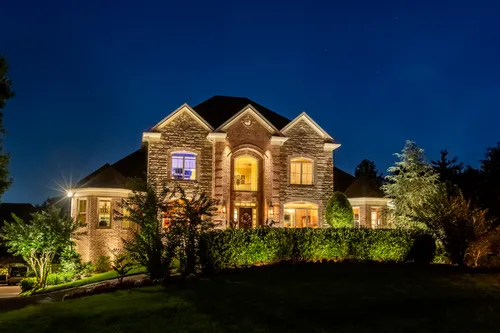
Lumenate is a landscape and outdoor lighting company based in Nashville, TN. They specialize in custom lighting design, installation, and maintenance for residential outdoor spaces. Their services include elegant illumination of gardens, pathways, and architectural features to enhance the beauty and safety of homes. Lumenate offers 24-hour maintenance support to ensure lighting systems remain functional and effective. The company is known for its expertise in creating tailored lighting solutions that complement the style of each property.
Outdoor Lighting Perspectives of Memphis
Memphis, TN
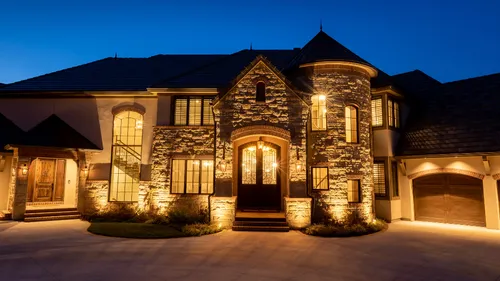
Outdoor Lighting Perspectives of Memphis specializes in low-voltage outdoor lighting for residential and commercial properties in Memphis, TN. They offer architectural and landscape lighting services tailored to homes, resorts, hotels, restaurants, and country clubs. The company has installed over 150,000 lighting designs nationwide and is known for creating custom lighting solutions that highlight property features with durability and aesthetic appeal. Their services include design, installation, and maintenance, ensuring long-lasting performance and customer satisfaction.
Light it Up
Nashville, TN
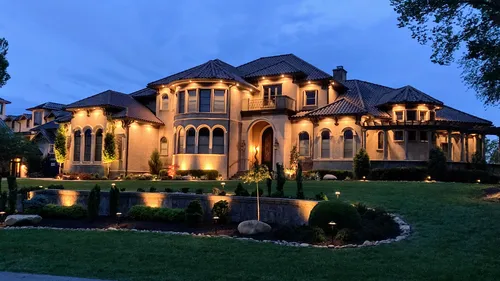
Light it Up is a landscape lighting installation company based in Nashville, TN. They specialize in designing, installing, and maintaining outdoor lighting systems using warm light LED fixtures. Their services cover residential outdoor lighting projects including house, pool, and backyard lighting. Light it Up focuses on creating attractive lighting solutions to enhance properties.
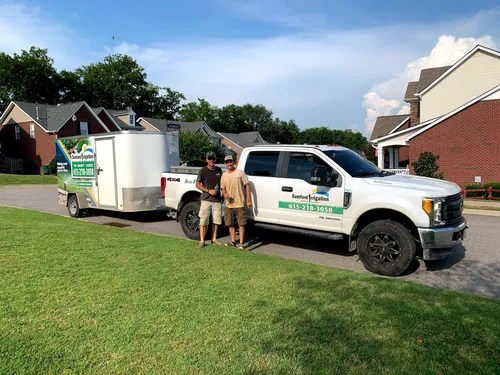
Dumford Irrigation
Nashville, TN
Dumford Irrigation is a Nashville, TN-based company specializing in irrigation system installation, sprinkler repair, sod installation, and outdoor lighting services. They serve areas including Franklin, Spring Hill, Brentwood, and Nolensville, TN. The company offers irrigation system winterization, weather system installation, site preparation, and low voltage lighting installation. Dumford Irrigation handles both installation and maintenance of lawn sprinkler systems, helping customers maintain healthy, well-watered lawns.
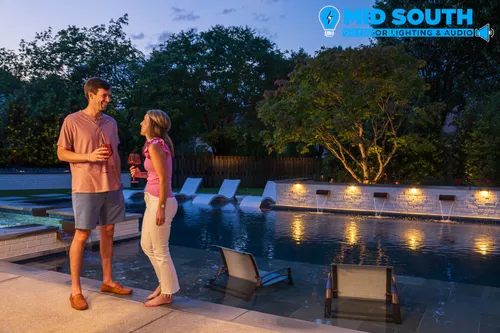
Mid South Outdoor Lighting & Audio
1245 Midas Cove, Cordova, TN 38018
Mid South Outdoor Lighting & Audio provides landscape and outdoor lighting installation services in Memphis, TN. They specialize in creating attractive and functional outdoor spaces with lighting and audio solutions that enhance safety and ambiance. Their work helps homeowners improve the appearance and usability of their properties during nighttime hours.
Understanding Your Lighting System Options
The first decision in any outdoor lighting project is choosing the right type of system. The power source and voltage determine the safety, installation complexity, and overall capabilities of your lighting.
Low-Voltage (12V) Lighting: The Standard for Residential Use
For most Tennessee homeowners, low-voltage landscape lighting is the recommended and most popular choice 1. These systems use a transformer to reduce standard 120V household current to a safer 12 volts.
- How It Works: A transformer is plugged into a standard outdoor GFCI (Ground Fault Circuit Interrupter) outlet. This transformer "steps down" the voltage and sends power through buried cables to individual fixtures.
- Primary Advantages: Safety is the biggest benefit-12V systems pose a minimal shock risk, making them safer for DIY-friendly projects and around children and pets 2 3. Installation is simpler, as cables typically only need to be buried 6-12 inches deep without conduit in most cases. They are also highly energy-efficient, especially when using LED bulbs, and offer tremendous design flexibility with a wide variety of fixture styles.
- Considerations: The transformer must be sized correctly for the total wattage of all fixtures. For very large properties, voltage drop (dimming of lights farthest from the transformer) can be a factor that requires careful planning.
Line-Voltage (120V) Lighting: For Large-Scale or Specific Needs
Line-voltage systems connect directly to your home's main electrical system, operating at the standard 120 volts.
- Typical Applications: These are often used for illuminating very large areas, such as big driveways or commercial properties, or for powering high-wattage security floodlights 4 5.
- Key Differences: Installation is governed by strict electrical codes. It must be performed by a licensed electrician, requires permits and inspections, and wiring must be buried at least 18 inches deep or enclosed in rigid conduit 6. While they offer powerful, consistent light output, the safety risks and higher installation complexity make them less common for typical residential garden and path lighting in Tennessee.
Solar-Powered Lighting: A Simple Supplemental Choice
Solar landscape lights are individual, self-contained units that charge by day and illuminate by night.
- Best Uses: They work well for low-cost, temporary, or supplemental accent lighting in areas that receive full, direct sunlight.
- Limitations: Their light output is generally dimmer and less reliable than hardwired systems, as it depends on daily sun exposure. Performance can be inconsistent on cloudy days or in shaded areas, and the build quality and battery longevity of many models may not match permanent fixtures 7 8.
Tennessee Codes and Permit Considerations
Tennessee follows the National Electrical Code (NEC), which sets the baseline safety standards for all electrical work, including outdoor lighting 9 10.
- Low-Voltage Systems: In most Tennessee municipalities, installing a standard low-voltage (12V) landscape lighting system does not require an electrical permit or a licensed electrician 11. The critical requirements are that all system components (transformer, cable, fixtures) are listed by a recognized testing laboratory (like UL) and that the transformer is plugged into a GFCI-protected outlet with an approved weatherproof cover 12 13.
- Line-Voltage Systems: Any installation involving 120V wiring will require a permit, must be performed by a licensed electrician, and will be subject to inspection to ensure code compliance, including proper burial depth and junction box installation 14.
- Local Ordinances: Some cities and towns have additional "dark sky" or light pollution ordinances. For example, local codes may regulate the maximum lumen output, require shielded fixtures to direct light downward, or set limits on light spill onto neighboring properties 15 16. It's always wise to check with your local building department or discuss these rules with your lighting professional during the planning phase.
Designing Your Tennessee Landscape Lighting
A great lighting design does more than just place lights in the yard; it creates layers of light that highlight your home's architecture and landscape features while providing practical illumination.
Core Lighting Techniques
- Path Lighting: Fixtures placed along walkways, driveways, and steps to ensure safe navigation. They should provide even, low-glare illumination.
- Uplighting: Used to accentuate architectural features, stonework, or the textured bark of trees. Fixtures are placed at the base and aimed upward.
- Downlighting (or Moonlighting): Fixtures mounted high in trees or on structures to cast a soft, natural wash of light downward, mimicking moonlight. This is excellent for illuminating patios or garden beds.
- Accent (Spot) Lighting: Focuses a beam of light on a specific focal point, such as a statue, water feature, or specimen plant.
- Deck & Step Lighting: Integrated into railings, posts, or stair risers to define edges and prevent trips and falls on elevated surfaces.
Choosing Fixtures and Bulbs
Fixture quality varies widely. Cast brass or copper fixtures with stainless steel hardware will withstand Tennessee's humidity and seasonal changes far better than plastic or thin aluminum. For bulbs, LED is the unequivocal choice for new installations. LEDs use a fraction of the energy of old halogen bulbs, last for decades, and are available in a range of color temperatures (from warm white to cool white) to set the desired mood 17 18 19.
Find the perfect landscape lighting installers for your needs
Get personalized recommendations and expert advice
Understanding Installation Costs in Tennessee
The total cost of a professional landscape lighting installation in Tennessee depends on the project's scale, fixture quality, and site complexity. The following estimates are based on national averages adjusted for typical Tennessee projects, with urban areas like Nashville often seeing higher labor and material rates 20.
| Project Scope & Description | Estimated Total Cost Range | Average Cost per Installed Fixture* |
|---|---|---|
| Small Project <br> (8-15 fixtures; basic path lighting & a few accents) | $2,000 - $4,500 | $100 - $250+ |
| Medium Project <br> (20-40 fixtures; a comprehensive design with multiple techniques) | $4,500 - $15,000 | $100 - $400+ |
| Large/Custom Project <br> (40+ fixtures; full property illumination with high-end fixtures & automation) | $12,000 and up | $150 - $500+ |
*Per-fixture cost includes the fixture, bulb, wiring, connectors, and labor.
What Drives the Final Price?
- Fixture Quality & Type: Decorative path lights cost less than specialized well lights or brass bullet spotlights. High-quality LED modules add to the upfront cost but offer significant long-term savings.
- Labor & Site Conditions: Professional installation labor typically ranges from $50 to $100 per hour 21. Costs increase if wires must be run under existing hardscapes like patios or driveways, through rocky soil, or across long distances.
- Control Systems: A simple mechanical timer adds little to the cost. Integrating a smart, app-controlled system that allows for zoning, dimming, and scheduling can add $100 to $1,000 or more to the project total 22 23.
- Transformer & Wiring: The transformer is a central cost component. Ensuring it has enough capacity (wattage) for your initial design and future expansion is a wise investment.
The Professional Installation Process
Working with a qualified specialist ensures a code-compliant, reliable, and beautiful result. Here's what a typical professional process looks like:
- Initial Consultation & Design: A designer visits your property at dusk to understand the space, your goals, and your budget. They will then create a lighting plan outlining fixture locations and types.
- Proposal & Equipment Selection: You'll receive a detailed quote and can select specific fixture finishes and styles. Reputable pros will provide a demonstration of light samples on-site.
- Installation: The crew will place and secure fixtures, run and bury cables, mount the transformer, and make all connections. For low-voltage work, this is often completed in 1-3 days.
- Final Aiming & Adjustment: Once installed, the technician will fine-tune the direction and angle of each fixture after dark to achieve the precise lighting effect intended in the design.
- System Demonstration & Warranty: The installer will walk you through how to operate the system and explain the warranties on both labor and parts.
Maintaining Your Landscape Lighting System
A low-maintenance system still requires occasional care to perform its best year-round. Regularly wipe dirt and debris from fixture lenses. Trim back plants that grow into the light beams. After severe storms, check for any fixtures that may have been shifted or buried by mulch. In the fall, clear fallen leaves from path lights and the transformer to prevent overheating. An annual check-up by your installer can ensure connections remain tight and the system is operating efficiently.
Frequently asked questions
Sources
Footnotes
-
Low Voltage Landscape Lighting: What You Should Know - https://landscapeworkshop.com/landscaping-blog/low-voltage-landscape-lighting-what-you-should-know/ ↩
-
Low Voltage Landscape Lighting vs. Line Voltage - VOLT Lighting - https://www.voltlighting.com/learn1/low-voltage-landscape-lighting-vs-line-voltage ↩
-
How to Choose the Best Landscape Lighting for Your Home & Yard - https://www.voltlighting.com/learn/introduction-to-landscape-lighting ↩
-
Line Voltage vs. Low Voltage for Your Landscape Lighting - https://www.lightingwarehouse.com/learn/low-voltage-vs-line-voltage ↩
-
How to Choose the Right Landscape Lighting System - https://www.horizonlandscape.com/choose-right-landscape-lighting-system/ ↩
-
National Electrical Code (NEC) Rules for Outdoor Wiring - https://www.md-cable.com/resources/national-electrical-code-nec-rules-for-outdoor-wiring.html ↩
-
How Much Does Landscape Lighting Cost in 2026? - https://www.lawnstarter.com/blog/cost/landscape-lighting-price/ ↩
-
The Ultimate Guide to Choosing Landscape Lighting in 2026 - https://www.youtube.com/watch?v=IIdcl3Q1TJM ↩
-
How to Plan for a Landscape Lighting Installation - https://www.superbrightleds.com/blog/planning-for-an-led-landscape-lighting-installation.html ↩
-
Landscaping Led Lights: Electrical Codes, What Engineers Should Know - https://www.paclights.com/explore/landscaping-led-lights-electrical-codes-what-engineers-should-know/ ↩
-
Landscape Lighting: Low-Voltage (12V) vs Line-Voltage (120V) - https://www.voltlighting.com/learn/low-voltage-vs-line-voltage-landscape-lighting ↩
-
NEC & Best Practices in Landscape & Architectural Lighting - https://www.wolfcreekcompany.com/nec-best-practices-in-landscape-architectural-lighting/ ↩
-
NEC & Best Practices in Landscape & Architectural Lighting - https://www.wolfcreekcompany.com/nec-best-practices-in-landscape-architectural-lighting/ ↩
-
Low Voltage Landscape Lighting: What You Should Know - https://landscapeworkshop.com/landscaping-blog/low-voltage-landscape-lighting-what-you-should-know/ ↩
-
Sec. XIII. Outdoor site lighting. - https://www.townoffarragut.org/152/Outdoor-Site-Lighting ↩
-
§ 151.190 EXTERIOR LIGHTING. - American Legal Publishing - https://codelibrary.amlegal.com/codes/collierville/latest/collierv_tn/0-0-0-45287 ↩
-
What Does Landscape Lighting Cost to Install? [2025 Data] - https://www.homeadvisor.com/cost/electrical/install-outdoor-lighting/ ↩
-
Upgrade or Retrofit | Outdoor Lighting Perspectives of Nashville - https://www.outdoorlights.com/nashville/residential/upgrade-or-retrofit/ ↩
-
Landscape Lighting Cost Calculator: Estimate Your Outdoor ... - https://caudills.com/landscape-lighting-cost-calculator/ ↩
-
Landscape Lighting Cost in Nashville: What You Should Expect - https://www.lighttn.com/landscape-lighting-cost-in-nashville/ ↩
-
How Much Does Low Voltage Landscape Lighting Cost? - Blog - https://brooksidelandscape.design/how-much-does-low-voltage-landscape-lighting-cost-full-breakdown/ ↩
-
How Much Does Landscape Lighting Cost in 2026? - https://www.lawnstarter.com/blog/cost/landscape-lighting-price/ ↩
-
What Types of Landscape Lighting Are There? - https://www.linkoutdoorlighting.com/blog/what-types-of-landscape-lighting-are-there ↩