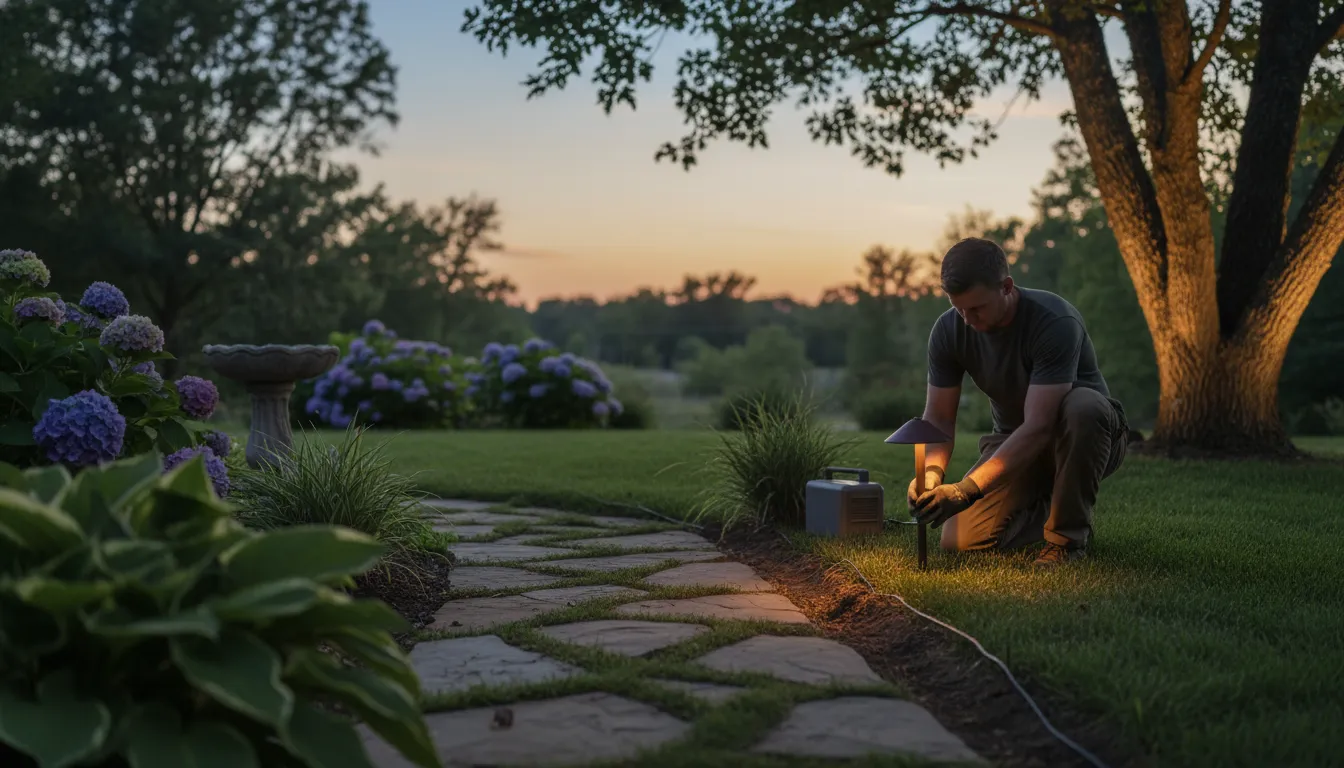
Find the Best Landscape Lighting Installers for Your Business
No obligation • Fast responses • Nationwide coverage

Why you can trust Landscape Atlas
Landscape Atlas is a leading United States resource for evaluating landscaping, lawn care, and outdoor service providers. Our team researches each category in depth, focusing on service quality, safety, and customer experience. Listings and rankings are based on independent criteria and user feedback, and companies cannot pay to influence our assessments or recommendations.
Search providers near you
Best Landscape Lighting Installers in Virginia Ranked
Well-designed landscape lighting transforms your Virginia property, enhancing safety, security, and curb appeal after sunset. It allows you to enjoy your outdoor living spaces longer and highlights the architectural and natural beauty of your home. This guide provides essential information on system types, costs, regulations, and how to connect with qualified professionals in your area to create a stunning and functional outdoor lighting plan.
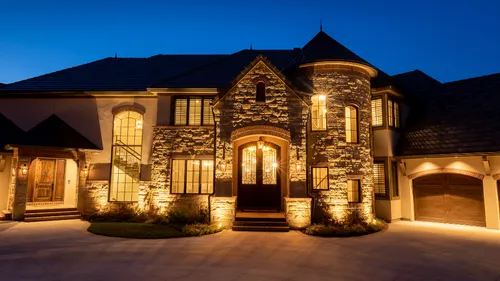
Outdoor Lighting Perspectives of Virginia Beach
3421 Chandler Creek Rd # 112, Virginia Beach, VA 23453
Outdoor Lighting Perspectives of Virginia Beach specializes in low-voltage outdoor lighting installation, serving residential and commercial properties in Virginia Beach, VA. With over 20 years of experience, they provide architectural and landscape lighting designs for various property types including resorts, hotels, restaurants, and wedding venues. Their services include holiday lighting installation with custom design and professional setup, as well as ongoing maintenance through their Shine365 program.
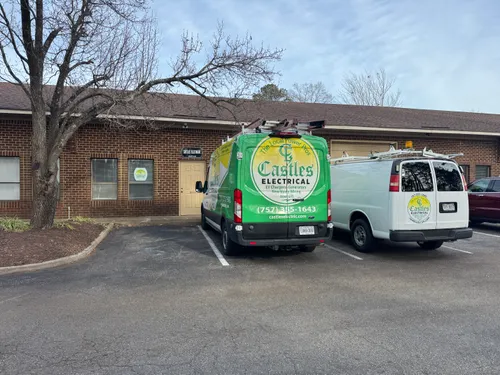
Castles Electrical
2984 S Lynnhaven Rd Suite 104, Virginia Beach, VA 23452
Castles Electrical is a family-owned electrical company serving Virginia Beach, VA, and the broader Hampton Roads region. They provide a range of services including residential and commercial electrical installations, repairs, upgrades, and lighting installation, with expertise in handling challenges specific to coastal properties. Their licensed electricians specialize in panel upgrades, emergency repairs, and both indoor and outdoor lighting systems. Castles Electrical has built a reputation over years of service for skilled craftsmanship and adherence to safety standards. They also offer prompt responses to urgent electrical issues.
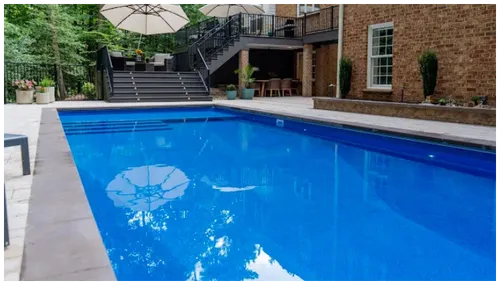
Cleanstone Construction
111 Agency Ave, Richmond, VA 23225
Cleanstone Construction is a landscaping and outdoor living company based in Richmond, VA. They specialize in designing and building custom outdoor spaces including patios, decks, pools, pergolas, outdoor kitchens, fire features, and lighting. Their services cover the greater Richmond area, focusing on creating functional and attractive environments for gatherings and relaxation. Cleanstone offers 3D design visualization to help clients see their projects before construction begins, ensuring the final result matches the vision. Their process includes detailed design, excavation, and construction to deliver quality outdoor living spaces.
Meadow Lawn & Pest
21401 Brewers Neck Blvd, Carrollton, VA 23314
Meadow Lawn & Pest is a family-owned lawn care and pest control company serving Norfolk, VA, and surrounding areas including Carrollton, Smithfield, and Newport News. Established in 2008, they offer a range of services such as lawn mowing, fertilization, weed control, irrigation and sprinkler repair, landscaping, tree removal, and landscape lighting installation. Their team is licensed, certified, and insured, providing expertise in both indoor and outdoor pest control as well as yard drainage solutions. With over 16 years of experience, Meadow Lawn & Pest emphasizes consistent quality through regular maintenance and staff training.
Miller Irrigation & Landscape Lighting
5803 Staples Mill Rd, Henrico, VA 23228
Miller Irrigation & Landscape Lighting is a Richmond, VA-based company offering comprehensive outdoor solutions including sprinkler installation and repair, yard drainage, grading, and landscape lighting. They specialize in creating efficient irrigation systems tailored to maintain healthy lawns without water waste, as well as installing drainage systems to prevent water pooling and protect properties. The company also enhances outdoor spaces with professionally installed lighting that adds safety and ambiance. Serving Richmond and nearby communities such as Chesterfield, Henrico, Midlothian, and Glen Allen, Miller Irrigation focuses on fast, precise service and customer satisfaction.
Understanding Your Lighting System Options
Choosing the right type of system is the first critical step. In Virginia, residential landscape lighting primarily revolves around two choices: low-voltage and line-voltage systems. Each serves different purposes and comes with distinct installation requirements.
Low-Voltage Lighting (12V): The Residential Standard
For most Virginia homeowners, a low-voltage outdoor lighting system is the recommended and most popular choice. These systems use a transformer to step down standard 120V household current to a safer 12 volts.
- Safety & Installation: The lower voltage significantly reduces the risk of severe electrical shock, making it a safer option for homes with children and pets. Installation is generally simpler; wires typically only need to be buried about 6 inches deep, and a licensed electrician is not always required, making some systems DIY-friendly.
- Light Quality & Use: Low-voltage fixtures produce a softer, more focused beam of light. This is ideal for creating ambiance, accenting garden features, illuminating pathways, and grazing architectural textures without causing harsh glare or light pollution.
- Cost & Efficiency: These systems have a lower initial cost and are more energy-efficient to operate, especially when using LED bulbs. The fixtures themselves also come in a wide variety of styles and designs to match any home aesthetic 1 2.
Line-Voltage Lighting (120V): For Large-Scale Needs
Line-voltage landscape lighting uses the standard 120-volt current from your home. Its use in residential settings is typically limited to specific applications.
- Primary Applications: This option is generally reserved for commercial properties, large-scale security floodlights, or illuminating very large areas like expansive driveways or parking areas where high lumen output is necessary 3 4.
- Safety & Installation Complexity: Due to the high shock risk, installation is strictly regulated. It must be performed by a licensed electrician, wires must be buried at least 18 inches deep or installed in conduit, and the work must comply with the National Electrical Code (NEC) and local amendments 5 6.
- Considerations: Fixture options are more limited and functional in design, and both installation and long-term operating costs are higher than low-voltage systems.
Navigating Virginia's Regulations and Permits
Before installing any outdoor lighting, it's crucial to understand the regulatory landscape. Requirements can vary from state-level rules to local county and city ordinances.
State-Level Requirements: VDOT Permits
A key state regulation involves the Virginia Department of Transportation (VDOT). A VDOT Land Use Permit is mandatory if any part of your lighting system (like a pole light) will be located on or overhang a state-maintained right-of-way-this includes many roadside areas and easements 7 8. Failing to obtain this permit can result in orders to remove the installation.
Local County and City Ordinances
Local regulations often have the most direct impact on residential projects. These ordinances are designed to prevent light pollution, or "light trespass," and conserve energy. They may regulate:
- Fixture Shielding: Requiring full-cutoff fixtures that direct light downward.
- Maximum Brightness (Lumens): Setting limits on how bright fixtures can be.
- Hours of Operation: Mandating that non-essential lighting be turned off after certain hours.
- Placement: Restricting height and location to minimize spill onto neighboring properties.
For example, Fairfax County's zoning ordinance includes specific provisions for outdoor lighting to "minimize adverse offsite impacts" 9. Similarly, the Town of Purcellville has detailed regulations on luminaire types and light trespass 10. Always check with your local building or zoning department before finalizing your plans.
Find the perfect landscape lighting installers for your needs
Get personalized recommendations and expert advice
Cost of Landscape Lighting in Virginia
The total investment for a professional landscape lighting installation in Virginia depends on the system's size, complexity, fixture quality, and your location within the state. Urban areas like Northern Virginia, Richmond, or Virginia Beach often have higher labor rates.
- Cost Per Fixture: On average, each professionally installed fixture costs between $100 and $500. This price includes the fixture, lamp (bulb), wiring, and labor.
- Total Project Range:
- Small/DIY System: A basic setup with a few path lights and spotlights may range from $800 to $1,500 for materials if installed by the homeowner.
- Average Professional Installation: Most homeowners investing in a complete system spend between $2,000 and $6,000, with a typical project averaging around $3,500 11 12 13.
- Large/Custom Project: Extensive systems covering large properties, using premium materials, or incorporating advanced controls like smart home integration or color-changing LEDs can cost $10,000 or more 14.
- Long-Term Value: Opting for LED fixtures, while sometimes having a higher upfront cost, provides significant savings through reduced energy consumption and bulb replacement costs over the life of the system.
Design Principles for Effective Lighting
A great lighting plan does more than just add lights; it creates layers of light for depth and interest. Here are key techniques used by professionals:
- Path Lighting: Low-level fixtures that safely illuminate walkways, steps, and driveways. They should guide, not dazzle.
- Uplighting: Placing fixtures at the base of an object to wash light upward. This is perfect for highlighting textured bark on trees, stone walls, or architectural columns.
- Downlighting (Moonlighting): Mounting fixtures high in trees or on structures to cast a soft, natural-looking glow downward, mimicking moonlight.
- Grazing: Positioning a light very close to a surface (like a brick wall or fence) at a sharp angle to emphasize its texture.
- Shadowing: Placing a light in front of an object and aiming it at a wall behind to create a dramatic silhouette.
- Accent Lighting: Using focused beams to draw attention to specific garden features like statues, water fountains, or specimen plants.
The Benefits of Professional Installation
While low-voltage systems can be a DIY project, working with a specialist offers distinct advantages:
- Expert Design: A professional will create a cohesive lighting plan that balances aesthetics, safety, and function, avoiding the common pitfall of "over-lighting."
- Quality Equipment: Installers typically use commercial-grade fixtures with durable materials (like copper, brass, or heavy-gauge aluminum) and proprietary LED modules that far outlast big-box store products.
- Proper Installation: They ensure correct transformer sizing, voltage drop calculation, secure wire connections, and neat, discreet wire placement.
- Code Compliance: A reputable professional will be familiar with local Virginia ordinances and permitting requirements, handling them on your behalf.
- Warranty & Service: Most offer warranties on both parts and labor and provide maintenance services to keep your system looking its best.
Maintenance for Lasting Performance
To ensure your landscape lighting continues to perform beautifully for years, a simple maintenance routine is essential:
- Seasonal Cleaning: Wipe lenses and fixture housings every few months to remove dirt, pollen, and cobwebs that can drastically reduce light output.
- Bulb Replacement: Even long-life LEDs will eventually need replacing. Keep a few spares of each type on hand.
- Trim Vegetation: Regularly prune plants and shrubs that may have grown into the path of light beams.
- Check for Damage: After severe storms or winter weather, inspect fixtures for misalignment or damage.
- Professional Tune-up: Consider an annual check-up by your installer to adjust fixtures, check wire connections, and ensure the transformer is functioning correctly.
Frequently asked questions
Sources
Footnotes
-
Line Voltage vs. Low Voltage for Your Landscape Lighting - https://www.lightingwarehouse.com/learn/low-voltage-vs-line-voltage ↩
-
Difference Between Low Voltage & Line Voltage Landscape ... - https://www.lightopia.com/low-voltage-vs-line-voltage-landscape-lighting ↩
-
How to Choose the Best Landscape Lighting for Your Home & Yard - https://www.voltlighting.com/learn/introduction-to-landscape-lighting ↩
-
Line Voltage vs. Low Voltage for Outdoor Landscape Lighting - https://lightch8in.com/blogs/news/line-voltage-vs-low-voltage-for-outdoor-landscape-lighting ↩
-
Low Voltage Landscape Lighting vs. Line Voltage - VOLT Lighting - https://www.voltlighting.com/learn1/low-voltage-landscape-lighting-vs-line-voltage ↩
-
Landscape Lighting: Low-Voltage (12V) vs Line-Voltage (120V) - https://www.voltlighting.com/learn/low-voltage-vs-line-voltage-landscape-lighting ↩
-
24VAC30-151-420. Lighting facilities. - Virginia Law - https://law.lis.virginia.gov/admincode/title24/agency30/chapter151/section420/ ↩
-
Land Use Permit Application for Lighting Installation LUP-LT - https://ris.dls.virginia.gov/uploads/24VAC30/forms/18Land%20Use%20Permit%20Application%20for%20Lighting%20Installation,%20LUP-LT-20251002114325.pdf ↩
-
Zoning Ordinance - 5109. Outdoor Lighting - enCodePlus - https://online.encodeplus.com/regs/fairfaxcounty-va/doc-viewer.aspx?secid=2255 ↩
-
OUTDOOR LIGHTING REGULATIONS - Purcellville, VA - https://www.purcellvilleva.gov/DocumentCenter/View/12977/Article-6-Outdoor-Lighting-Regulations ↩
-
How Much Does Landscape Lighting Installation Cost? [2026 ... - https://www.angi.com/articles/landscape-lighting-costs.htm ↩
-
How Much Does Landscape Lighting Cost in 2026? - https://www.lawnstarter.com/blog/cost/landscape-lighting-price/ ↩
-
How Much Does Landscape Lighting Cost In Virginia? - https://dominionlightworks.com/how-much-does-landscape-lighting-cost-in-virginia/ ↩
-
Breaking Down the Cost of Landscape Lighting Installation - https://kndlandscaping.com/breaking-down-the-cost-of-landscape-lighting-installation/ ↩