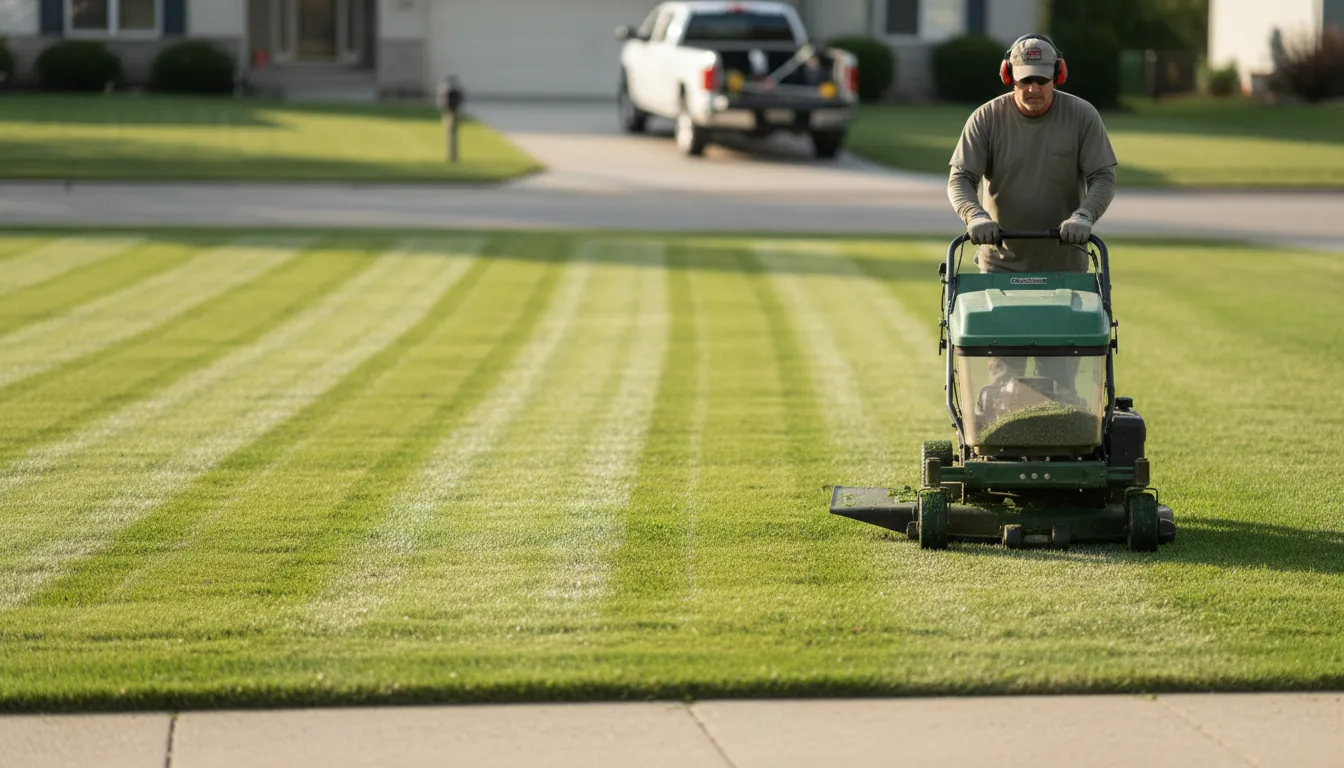
Find the Best Lawn Care Companies for Your Business
No obligation • Fast responses • Nationwide coverage

Why you can trust Landscape Atlas
Landscape Atlas is a leading United States resource for evaluating landscaping, lawn care, and outdoor service providers. Our team researches each category in depth, focusing on service quality, safety, and customer experience. Listings and rankings are based on independent criteria and user feedback, and companies cannot pay to influence our assessments or recommendations.
Search providers near you
Top Lawn Care Companies in Waukegan, Illinois Ranked
A healthy, vibrant lawn enhances your home's curb appeal and provides a space for relaxation and play. Professional lawn care services in Waukegan handle the regular maintenance and specialized treatments needed to keep your grass green and resilient through Illinois' seasons. This guide will help you understand the common services, typical costs, and how to connect with local lawn maintenance experts to find the right fit for your property.

Emerald Lawn Care
574 Wheeling Rd, Wheeling, IL 60090
Emerald Lawn Care is a lawn care company serving Chicago, IL, and the northwest Chicago suburbs. They provide lawn fertilization, weed control, and general lawn care services. Their service area includes communities such as Rolling Meadows, Arlington Heights, Palatine, Mount Prospect, Barrington, Buffalo Grove, and Schaumburg. Emerald Lawn Care is committed to customer satisfaction, offering re-application or refunds if clients are not happy with their lawn treatments.
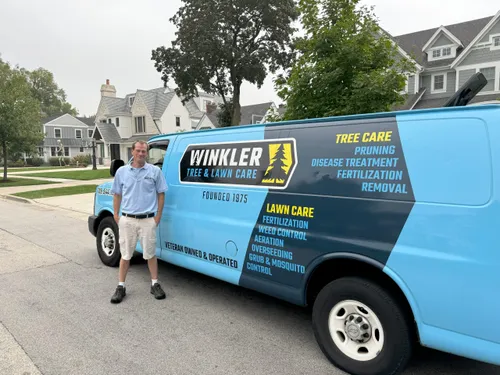
Winkler Tree & Lawn Care
115 E University Dr, Arlington Heights, IL 60004
Winkler Tree & Lawn Care is a landscaping and lawn care company based in Chicago, IL. They provide services including lawn mowing, tree removal, stump grinding, and general landscaping. Their team focuses on caring for trees and lawns with a passion for nature and landscaping.
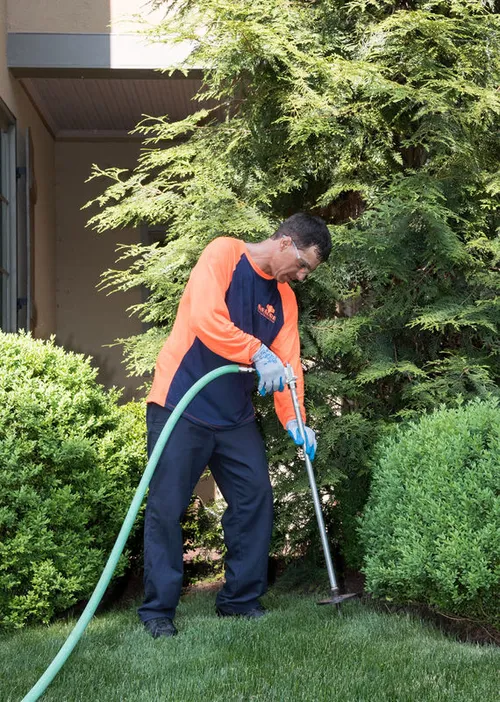
SavATree - Tree Service & Lawn Care
3520 Commercial Ave, Northbrook, IL 60062
SavATree - Tree Service & Lawn Care has been serving the Chicago, IL area and its surroundings for over 40 years. The company offers a wide range of outdoor services including tree and shrub pruning, lawn fertilization, weed control, insect and disease management, stump grinding, and landscape lighting installation. Their team of ISA Certified Arborists provides expert diagnosis and personalized care to maintain the health and beauty of residential and commercial properties. SavATree also offers 24/7 emergency tree services to address storm damage and other urgent tree-related issues.
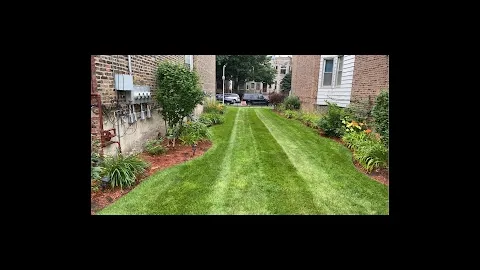
VILLA Property Maintenance
4140 N Monticello Ave APT 3, Chicago, IL 60618
VILLA Property Maintenance offers a wide range of property maintenance services in Chicago, IL, including lawn care, landscaping, snow removal, and junk removal. They serve both residential and commercial properties, as well as parking lots and condo associations. Their capabilities include lawn fertilization, weed control, shrub trimming, mulching, and hardscaping such as pavers and retaining walls. The company provides year-round routine maintenance to keep properties well-maintained throughout the seasons.
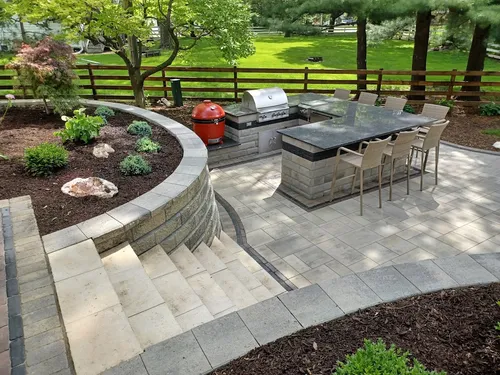
Natural Innovations Landscaping
238 S Benton St, Palatine, IL 60067
Natural Innovations Landscaping is a family-owned landscape design and hardscape construction company serving Chicago, IL. With over 15 years of experience, they specialize in installing brick paver patios, driveways, walkways, steps, stoops, and retaining walls. They use Computer Aided Design (CAD) to create custom outdoor living spaces and offer services such as paver restoration, drainage and grading solutions, landscape lighting installation, sod installation, and tree and planting bed management. As a Unilock Authorized Contractor, they focus on durable materials and precise installation techniques to enhance property aesthetics and functionality.
What Services Do Lawn Care Providers Offer?
Local lawn service companies offer a spectrum of care, from basic upkeep to comprehensive health programs. The core of most service agreements is regular mowing, which includes trimming around obstacles and edging along sidewalks and driveways for a crisp, finished look. Beyond cutting grass, a full-service plan typically incorporates seasonal fertilization to nourish the soil and targeted weed control applications to prevent invasive plants from taking over 1.
For long-term lawn vitality, many providers also offer essential cultural practices. Core aeration, usually performed in the fall or spring, involves removing small plugs of soil to alleviate compaction, allowing water, air, and nutrients to reach the grass roots more effectively. Seasonal cleanups in the spring and fall to remove debris, thatch, and leaves are also common offerings that prepare your lawn for the growing or dormant seasons.
Standard Lawn Maintenance Packages
Most Waukegan lawn care professionals structure their offerings into bundled packages for simplicity and value. A standard package often includes:
- Weekly or Bi-weekly Mowing: Full mowing, trimming, and edging service during the primary growing season from spring through fall.
- Seasonal Fertilization: Typically 4-6 applications per year, timed to match grass growth cycles.
- Weed Control: Often integrated with fertilizer applications or done as needed, generally 2-4 times yearly.
- Basic Cleanups: Blowing off hardscapes and clearing clippings after mowing.
More comprehensive lawn treatment plans may add aeration, overseeding, grub control, and detailed seasonal transitions. It's important to discuss the specific inclusions and frequency of each service when reviewing quotes.
Understanding Lawn Care Costs in Waukegan
Pricing for grass cutting and lawn maintenance depends heavily on the size of your yard, the complexity of the landscape, and the scope of services you select. Most companies provide estimates based on the square footage of your lawn.
Per-Visit Mowing: For a standard visit that includes mowing, trimming, and edging, homeowners can expect costs to range from approximately $40 to $80 per visit in the Waukegan area. This is the most common à la carte service.
Individual Treatments: Specialized services are priced separately:
- Fertilizer or Weed Control Application: Each application typically costs between $50 and $100.
- Core Aeration: This service usually ranges from $75 to $200 per treatment 2 3.
Monthly Comprehensive Plans: Many residents opt for a full-season plan that bundles weekly mowing with periodic treatments. For such a comprehensive lawn care program during the growing season, monthly costs often fall between $130 and $2004 5. This can represent a better value than paying for each service individually and ensures your lawn receives consistent, scheduled care.
Find the perfect lawn care companies for your needs
Get personalized recommendations and expert advice
Finding Local Lawn Care and Maintenance Services
Waukegan and the broader Lake County area are served by several established lawn care businesses. When researching, you'll find providers like Francisco Lawn Service and Chris Landscaping, which have experience serving the local community 6. Other operators, such as E&J Lawnmower Express and Mendozas Lawn Care, also handle various lawn maintenance needs in the area 6. Platforms that connect homeowners with local landscapers can be a useful starting point for gathering multiple estimates and reviews 6 7.
How to Get an Accurate Quote
To ensure you receive a clear and comparable estimate from lawn service professionals, follow these steps:
- Measure Your Lawn: Provide the approximate square footage of the grassy areas that need maintenance. This is the primary factor in determining mowing costs.
- Detail Your Needs: Be clear about whether you are looking for a one-time service, a per-visit mowing arrangement, or a full-season lawn health plan that includes fertilization and weed prevention.
- Discuss Frequency: Specify how often you'd like mowing (e.g., weekly, bi-weekly) and ask about the schedule for other treatments like fertilizer applications.
- Ask About Guarantees: Inquire if the company offers any satisfaction guarantees on their work or on weed control results.
The Benefits of Professional Lawn Management
Hiring a dedicated lawn care service goes beyond saving your weekends. Professionals have the expertise to identify issues like disease, pest infestations, or soil deficiencies early on. They apply industry-grade products safely and at the correct times for maximum effectiveness, which can be more difficult for homeowners to manage. A consistent maintenance schedule also promotes stronger, denser turf that naturally resists weeds, drought, and disease, creating a healthier landscape over time.
Regular, professional care can actually be more cost-effective in the long run. Preventing major problems like widespread weed invasion or grub damage is less expensive than rehabilitating a neglected lawn. Furthermore, a well-maintained lawn is a significant asset, potentially increasing your property's value and appeal should you decide to sell.
Preparing for the Seasons in Northern Illinois
Waukegan's climate demands a proactive approach to lawn care. A reliable service will guide you through key seasonal transitions:
- Spring: This season involves cleanup, the first fertilization to encourage green-up, and pre-emergent weed control to stop crabgrass and other weeds before they sprout.
- Summer: Focus shifts to maintaining proper mowing height to reduce heat stress, managing irrigation, and applying targeted post-emergent weed control as needed.
- Fall: This is the most critical time for strengthening your lawn. Services include a final fertilization to build root reserves for winter, core aeration, and overseeding to fill in bare spots.
- Winter: While grass is dormant, services pause, but this is an ideal time to plan and schedule services for the upcoming year.
Frequently asked questions
Sources
Footnotes
-
2025 Lawn Mowing & Care Services | Get Estimates - Thumbtack - https://www.thumbtack.com/p/lawn-service-prices ↩
-
Understanding Lawn Maintenance Costs - Green Army - https://greenarmy.com/blog/understanding-lawn-maintenance-costs/ ↩
-
The True Cost of Lawn Care for Washington State Homeowners - https://www.caringrealestate.com/blog/the-true-cost-of-lawn-care-for-washington-state-homeowners/ ↩
-
How Much Do Most Lawn Care Companies Charge in 2025 - https://www.thickgreenhealthy.com/how-much-do-lawn-care-companies-charge/ ↩
-
Lawn Care Pricing Chart: Your Guide to Fair Lawn Service Costs - https://invoicefly.com/academy/lawn-care-pricing-chart/ ↩
-
Lawn Care Service in Waukegan IL - GreenPal - https://www.yourgreenpal.com/local/lawn-care-waukegan-il ↩ ↩2 ↩3
-
Lawn Care Price Guide 2026: Average Mowing Rates & Costs - https://www.housecallpro.com/resources/how-much-charge-lawn-mowing/ ↩