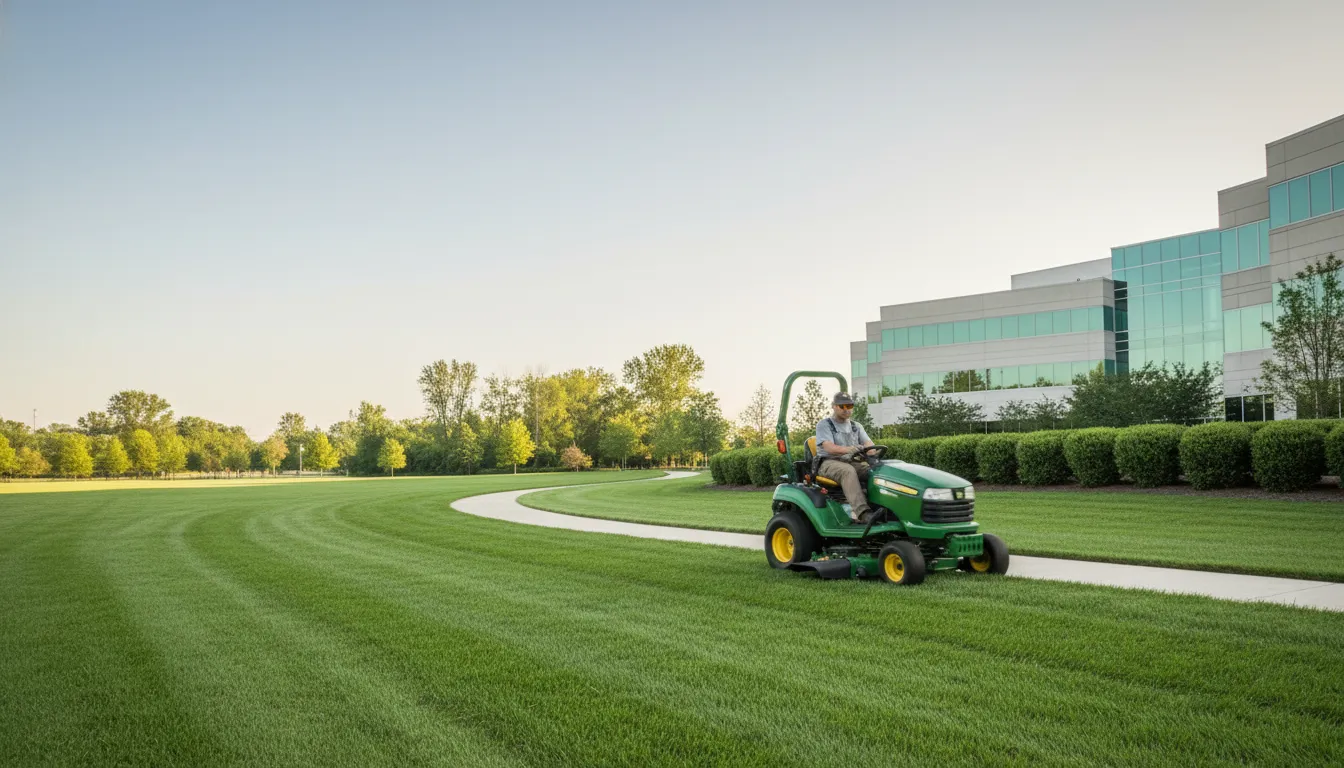
Find the Best Lawn Mowing Companies for Your Business
No obligation • Fast responses • Nationwide coverage

Why you can trust Landscape Atlas
Landscape Atlas is a leading United States resource for evaluating landscaping, lawn care, and outdoor service providers. Our team researches each category in depth, focusing on service quality, safety, and customer experience. Listings and rankings are based on independent criteria and user feedback, and companies cannot pay to influence our assessments or recommendations.
Search providers near you
Best Lawn Mowing Companies in Colorado Ranked
Maintaining a healthy, vibrant lawn in Colorado is a unique challenge, blending the science of high-altitude horticulture with the art of consistent care. Professional lawn mowing is more than just cutting grass; it's a strategic service that protects your investment, conserves water, and enhances your property's curb appeal. This guide provides a clear, practical overview of lawn mowing services in Colorado, from seasonal best practices to local considerations, helping you understand what to look for and how to find the right professional care for your outdoor space.
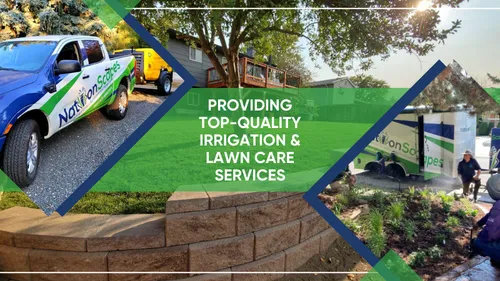
NationScapes
12600 W Cedar Dr, Lakewood, CO 80228
NationScapes is a lawn care and landscaping company serving Denver, CO, and the surrounding communities including Lakewood, Littleton, Arvada, and Golden. They offer a wide range of services such as lawn mowing, fertilization, weed control, sprinkler installation and repair, landscape lighting, tree and shrub care, and seasonal winter protection. Their certified technicians use modern techniques and products to maintain healthy lawns and efficient irrigation systems. Established in 1947, NationScapes brings decades of experience and a team of skilled professionals to deliver personalized service plans tailored to customer needs. They provide seasonal packages and offer same-day emergency sprinkler repairs when available.
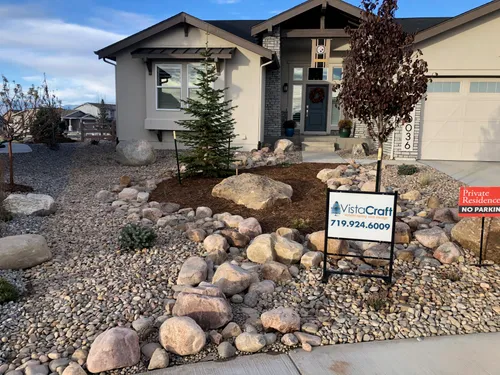
VistaCraft
2235 County Line Rd, Monument, CO 80132
VistaCraft is a landscaping company based in Colorado Springs, CO, offering a wide range of services including landscape design, installation, lawn care, sprinkler system installation and repair, and hardscaping. They work with clients to create custom outdoor spaces, combining quality materials and skilled craftsmanship to enhance property beauty and functionality. VistaCraft provides ongoing maintenance services to keep landscapes healthy and attractive throughout the year. Their team is experienced in delivering projects from concept to completion with attention to detail.
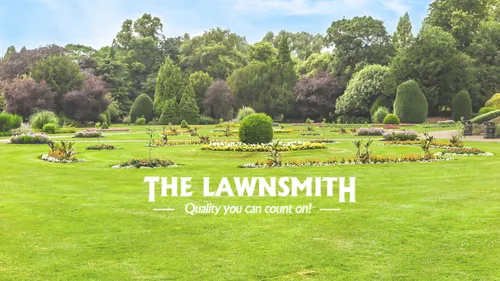
The Lawnsmith
601 S Wahsatch Ave, Colorado Springs, CO 80903
The Lawnsmith is a lawn care and landscaping company based in Colorado Springs, CO. They offer full-service lawn care, including mowing, weed control, fertilization, sprinkler system installation, repair, and winterization. The company also provides snow and ice management for commercial and residential properties. With over 30 years of experience serving the Colorado Springs area, The Lawnsmith specializes in maintaining healthy lawns and landscapes through seasonal care such as pre-emergent weed control, core aeration, and sprinkler system maintenance. Their team consists of trained employees who handle all aspects of lawn and sprinkler care directly, ensuring consistent service quality.
Joshua Tree Experts
8173 Carder Ct, Littleton, CO 80125
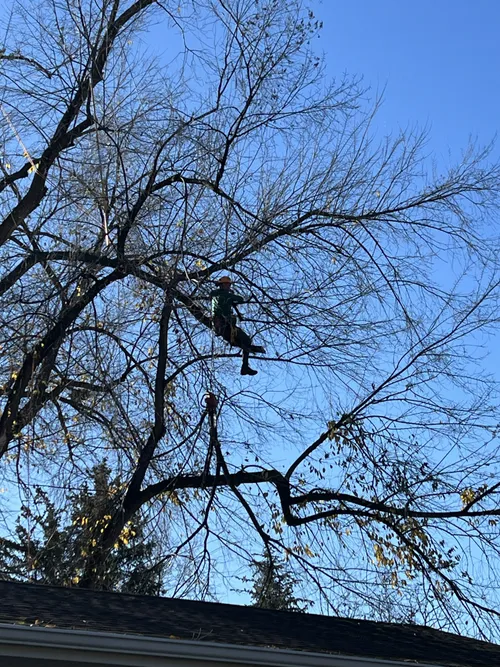
Joshua Tree Experts is a lawn care and tree service company based in Aurora, CO. They offer a range of services including lawn mowing, fertilization, weed control, tree removal, stump grinding, and landscaping. The company focuses on plant health care and outdoor living space maintenance, combining multiple green industry services to meet local needs. Joshua Tree Experts aims to build a strong team of professionals dedicated to serving the Denver community.
Hawkins Brothers Lawn and Sprinkler, Inc.
23700 E Alameda Ave, Aurora, CO 80018
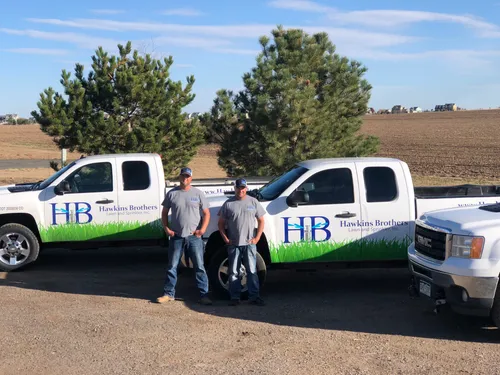
Hawkins Brothers Lawn and Sprinkler, Inc. has been serving Denver, CO, and nearby areas for 29 years. They offer a full range of lawn care services including lawn mowing, sod and artificial turf installation, as well as sprinkler system installation and repair. Their team brings over 60 years of combined experience, focusing on reliable scheduling with one-hour appointment windows to minimize wait times.
Understanding Colorado's Lawn Environment
Colorado's climate presents specific conditions that directly impact lawn care. The state is dominated by cool-season grasses, primarily Kentucky bluegrass and various fescues, which thrive in cooler temperatures but can struggle during hot, dry summers. The semi-arid environment, intense sun, and fluctuating temperatures mean a one-size-fits-all mowing approach doesn't work. Successful lawn maintenance here requires adapting techniques to the season, grass type, and local microclimates. Professionals familiar with these nuances can make the critical difference between a resilient lawn and one that succumbs to stress, disease, or weed invasion.
Core Principles of Mowing in Colorado
Adhering to a few fundamental rules forms the foundation of any effective lawn care program in the state.
The One-Third Rule
This is the golden rule of mowing: never remove more than one-third of the grass blade height in a single cutting. Cutting too short, known as "scalping," shocks the grass plant, weakening its root system and making it vulnerable to drought, heat, and weeds. In Colorado's demanding climate, this rule is non-negotiable for maintaining lawn health.
Ideal Mowing Heights
For most Colorado lawns, the recommended mowing height is between 2.5 and 3.5 inches. This taller grass provides multiple benefits:
- Shades the Soil: Protects roots from intense solar radiation and reduces soil moisture evaporation.
- Promotes Deep Roots: Encourages a stronger, deeper root system better equipped to find water.
- Suppresses Weeds: A dense, tall canopy blocks sunlight from reaching weed seeds, preventing germination.
Mowing below 2 inches is generally discouraged as it places undue stress on cool-season grasses.
Mowing Frequency
Frequency is dictated by grass growth rate, which changes with the seasons:
- Spring (Peak Growth): During the cool, moist periods of spring, grass grows rapidly. Mowing may be needed as often as every 3 to 4 days to follow the one-third rule.
- Summer (Slower Growth): As heat and potential drought stress set in, growth slows. Mowing frequency typically drops to every 7 to 10 days, or even less during extreme heat 1 2.
- Fall: Growth picks up again with cooler temperatures before tapering off. The final cut of the season is crucial for winter preparation.
Find the perfect lawn mowing companies for your needs
Get personalized recommendations and expert advice
A Seasonal Guide to Lawn Mowing & Care
A proactive, seasonal approach is key to a year-round beautiful lawn. Here's what to expect throughout the year in Colorado.
Spring (March - May)
Spring is a period of renewal and vigorous growth. The focus is on recovery from winter and setting the stage for summer.
- First Cuts: Begin mowing when the grass reaches about 3.5 inches, cutting it back to 3 inches. Keep mower blades sharp to ensure clean cuts that heal quickly.
- Height Management: Start the season at the taller end of the recommended range (3+ inches).
- Frequency: Be prepared for frequent mowing, potentially every 3-4 days during peak growth spurts 3.
- Clean-Up: Remove winter debris and thatch to allow air, water, and nutrients to reach the soil.
Summer (June - August)
The summer strategy shifts to protection and conservation during the hottest, driest months.
- Raise the Height: Increase your mowing height to 3 to 3.5 inches or even slightly higher. This provides maximum shade and moisture retention for the roots 4 5.
- Reduce Frequency: Mow only as needed, often every 7-10 days, as growth slows.
- Timing is Key: Avoid mowing during the heat of the day. Early morning or late evening is best to reduce stress on the grass.
- Clumping: Leave grass clippings on the lawn (if they are short) to act as a natural mulch, returning nutrients and moisture to the soil.
Fall & Winter Preparation (September - November)
Fall care is critical for ensuring your lawn survives the winter and rebounds strongly in spring.
- Gradual Height Reduction: As growth slows, gradually lower the cutting height with each mow.
- The Final Cut: The last mow of the season should leave the grass at about 3 inches tall 6. Grass cut too short is more susceptible to winter damage and snow mold, while grass left too long can mat down and foster disease.
- Leaf Management: Consistent removal of fallen leaves is essential. A thick layer of leaves can smother the grass, block sunlight, and promote fungal diseases.
Common Service Formats Offered by Professionals
Colorado homeowners can choose from several service models to fit their needs and budget.
- Weekly or Bi-Weekly Maintenance Plans: The most popular option. Weekly service is ideal for achieving a consistently manicured look and managing rapid spring growth. Bi-weekly service is a cost-effective choice for lawns with slower growth or for homeowners comfortable with some variation in length between visits.
- Seasonal Packages: Many companies bundle mowing with other essential services like core aeration, overseeding, fertilization, and leaf removal. This approach often provides better value and ensures all tasks are performed at the optimal time 7.
- On-Demand or One-Time Service: Useful for specific situations like property clean-ups, preparing for a special event, or covering for a vacation. It offers flexibility but is typically priced higher per visit than recurring plans 8.
Factors Influencing Service Cost
Understanding what affects pricing can help you evaluate quotes. In the Denver area, for example, weekly visits often range from $35 to $55, while bi-weekly visits may range from $45 to $65 due to the increased growth cut per visit 9. Key factors include:
- Lawn Size and Square Footage: This is the primary cost driver. Pricing may be per visit, hourly ($32-$68/hour), or by square foot ($0.01-$0.06/sq. ft.) 10 11.
- Terrain and Complexity: Slopes, obstacles (trees, gardens, play sets), and uneven terrain require more time and care.
- Service Frequency: Regular scheduled service is typically less expensive per visit than one-time service.
- Scope of Work: Basic mowing and trimming is standard. Additional services like edging, blowing clippings from hardscapes, and bagging removal will add to the cost.
- Location: Prices can vary between metro areas, suburbs, and more rural parts of the state.
Choosing the Right Service for Your Colorado Lawn
When evaluating providers, look for those who demonstrate knowledge of Colorado-specific practices. Ask potential services about their standard mowing height for summer, their approach to seasonal transitions, and how they handle grass clippings. A reputable professional will assess your lawn's specific grass type, sun exposure, and irrigation setup to recommend an appropriate schedule. They should also communicate clearly about their service inclusions, scheduling, and pricing.
Investing in professional lawn mowing in Colorado is an investment in the long-term health and beauty of your landscape. By partnering with a knowledgeable provider, you ensure your lawn receives the tailored, seasonally-aware care it needs to thrive in the unique Rocky Mountain environment.
Frequently asked questions
Sources
Footnotes
-
Colorado Springs Seasonal Lawn Care Guide for Turf Grass ... - https://tarvsturf.com/blog/colorado-springs-seasonal-lawn-care-guide-for-turf-grass-success/ ↩
-
Lawn Care Basics - Colorado State University Extension - https://extension.colostate.edu/resource/lawn-care-basics/ ↩
-
The Best Colorado Lawn Care Schedule - https://lawnlove.com/blog/colorado-lawn-care-schedule/ ↩
-
Is your lawn mower at the right height? - https://www.denverwater.org/tap/your-lawn-mower-right-height ↩
-
A Complete Colorado Lawn Care Schedule - https://healthylawn.net/blog/complete-colorado-lawn-care-schedule/ ↩
-
Preparing Your Lawn for Winter in Colorado: Fertilization, Mowing, ... - https://www.americanturfandtreecare.com/blog/preparing-your-lawn-winter-colorado-fertilization-mowing-and-snow-care ↩
-
How Much to Charge for Lawn Mowing: Average Cost - https://www.fieldroutes.com/blog/how-much-to-charge-for-lawn-mowing ↩
-
Average Lawn Cutting Cost in Canada (Updated 2025) - https://greenbuildingcanada.ca/average-lawn-cutting-cost-in-canada/ ↩
-
[2025] How Much Does Lawn Mowing Cost in Denver, CO? - https://milehighlifescape.com/lawn-mowing-cost/ ↩
-
How Much Does Lawn Mowing Cost in 2026? - LawnStarter - https://www.lawnstarter.com/blog/cost/lawn-mowing-price/ ↩
-
How Much to Charge For Lawn Mowing: Pricing Charts and Formula - https://www.getjobber.com/academy/lawn-care/how-to-price-out-lawn-care-services/ ↩