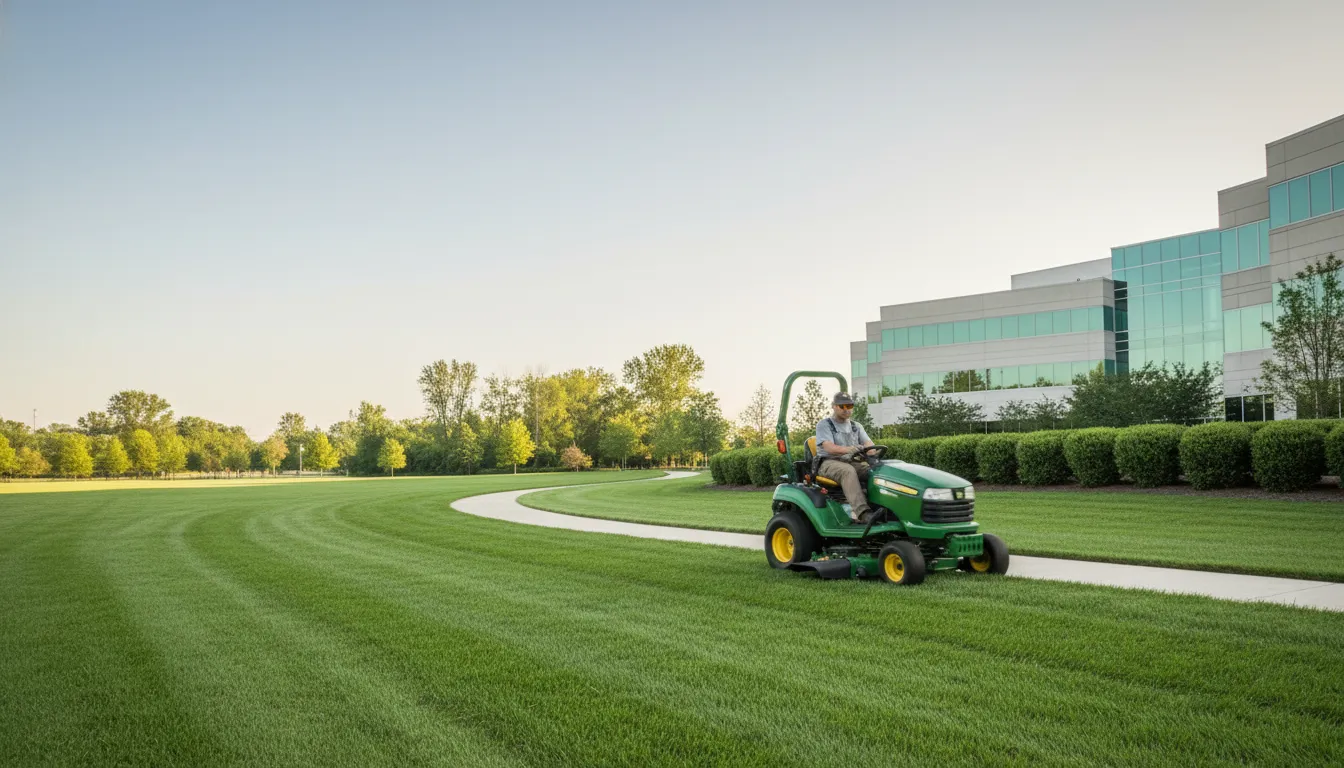
Find the Best Lawn Mowing Companies for Your Business
No obligation • Fast responses • Nationwide coverage

Why you can trust Landscape Atlas
Landscape Atlas is a leading United States resource for evaluating landscaping, lawn care, and outdoor service providers. Our team researches each category in depth, focusing on service quality, safety, and customer experience. Listings and rankings are based on independent criteria and user feedback, and companies cannot pay to influence our assessments or recommendations.
Search providers near you
Best Lawn Mowing Companies in Kentucky Ranked
Maintaining a healthy, vibrant lawn in Kentucky requires more than just running a mower over the grass. It's a year-round practice that must adapt to the state's distinct seasons and the needs of its dominant cool-season grasses. Proper mowing height, frequency, and technique are the cornerstones of lawn health, directly impacting its ability to resist drought, weeds, and disease. This guide provides Kentucky homeowners with the essential knowledge for effective lawn mowing and connects you with local professionals who can help implement these best practices for a lush, resilient yard.
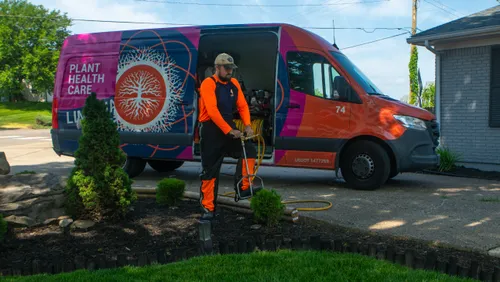
Limbwalker
901 Dumesnil St, Louisville, KY 40203
Limbwalker is a lawn care and tree service company based in Louisville, KY. They provide lawn mowing, tree removal, stump grinding, and mosquito control services to residential and commercial clients. With over 20 years of experience, Limbwalker has built a strong reputation in the Louisville area for maintaining healthy lawns and trees.
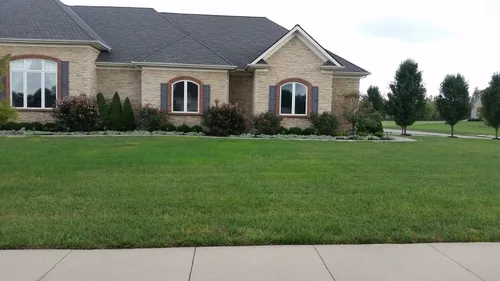
Epic Lawn Care
204 Wilson Downing Rd, Lexington, KY 40517
Epic Lawn Care is a locally owned lawn care company based in Lexington, KY. They provide a range of services including lawn mowing, fertilization and weed control, landscape maintenance, mosquito control, aeration, overseeding, and landscape lighting installation. Their fertilization and weed control programs are tailored specifically to the needs of Lexington lawns, using soil assessments and science-backed treatments to promote healthy growth. Epic Lawn Care is a community-focused team with licensed and insured crews, offering dependable weekly mowing routes and consistent service from familiar faces.
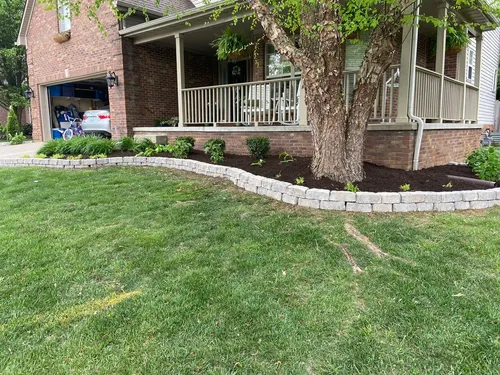
Simplicity Landscape & Design
550 Old Delaplain Rd Unit A3, Georgetown, KY 40324
Simplicity Landscape & Design is a landscaping company based near Lexington, KY, offering lawn care, landscape design, and hardscaping services. They serve the greater Fayette and Scott County areas, providing solutions such as lawn mowing, landscape installation, and hardscape features like pavers and retaining walls. The company focuses on straightforward, effective landscaping and lawn care services tailored to local needs.

Zeppa's
5801 Haunz Ln, Louisville, KY 40241
Zeppa's is a full-service lawn maintenance and landscaping company based in Louisville, KY. They provide lawn mowing, lawn care, and landscaping services to both residential and commercial clients. Their team focuses on creating and maintaining beautiful lawns and landscapes. Zeppa's has built a reputation for quality lawn service and mulching, with clients noting long-term satisfaction with their work.
502 Lawn Care & Landscaping
4808 Valley Station Rd, Louisville, KY 40272
502 Lawn Care & Landscaping is a lawn care and landscaping company serving Louisville, KY. They provide lawn mowing, landscaping, yard waste removal, and snow removal services throughout the Louisville area. With over eight years of experience, they focus on delivering reliable and professional lawn and landscape care. The company offers same-day and next-day appointments to meet customer needs promptly.
Understanding Kentucky's Lawn Grasses
The foundation of good mowing practice is knowing what type of grass you have. In Kentucky, the vast majority of residential lawns are composed of cool-season grasses, primarily Kentucky Bluegrass and Tall Fescue. These grasses thrive in the cooler temperatures of spring and fall and can go semi-dormant during the intense summer heat.
- Kentucky Bluegrass: Known for its rich green color and ability to spread via rhizomes, creating a dense, self-repairing turf. It prefers consistent moisture and performs best with regular care.
- Tall Fescue: A tougher, more drought-tolerant bunch grass that is widely used for its durability. It handles heat and foot traffic better than bluegrass but doesn't spread to fill in bare spots.
Because both are cool-season grasses, their growth patterns-and therefore your mowing schedule-will peak in spring and fall, slow in the summer, and halt in the winter. Mowing according to this natural rhythm is key to maintaining lawn health 1.
The Golden Rule: Mowing Height and the 1/3 Rule
The single most important principle for a healthy lawn is the 1/3 Rule. This states that you should never remove more than one-third of the grass blade's height in a single mowing 2 3. For example, if your target height is 3 inches, you should mow when the grass reaches about 4.5 inches. Cutting off more than this stresses the plant, shocks the root system, and leaves behind large clippings that can smother the lawn.
Why does mowing height matter? A taller grass blade:
- Develops a deeper, more extensive root system.
- Shades the soil, reducing water evaporation and keeping the crown (the growing point at the base of the plant) cooler.
- Naturally suppresses weed seeds by blocking sunlight.
- Produces more energy via photosynthesis for overall plant health.
For Kentucky Bluegrass and Tall Fescue, the general recommended mowing height range is 2.5 to 3.5 inches. However, this should be adjusted seasonally for optimal results.
A Seasonal Mowing Guide for Kentucky
Your mowing strategy should change with the seasons to support your lawn through its annual growth cycle.
Spring Mowing
As soil temperatures warm, your lawn will begin its most vigorous growth period.
- Early Spring: For the first cut or two, you can mow slightly lower (around 1.5-2 inches) to remove winter debris and encourage early growth.
- Mid to Late Spring: As growth accelerates, raise your mower deck to your standard height of 2.5-3 inches. Adhere strictly to the 1/3 Rule, which may mean mowing weekly during peak growth.
- Key Task: Keep mower blades sharp. A dull blade tears the grass, creating a ragged, brown tip that is more susceptible to disease and moisture loss.
Summer Mowing
This is a critical season for lawn survival. Heat and potential drought put significant stress on cool-season grasses.
- Height: Raise your cutting height to 3 to 3.5 inches 4. The extra blade length provides crucial shade for the soil and crown, helping the grass conserve water and stay cooler.
- Frequency: Growth will slow. You may transition from weekly to bi-weekly mowing. If conditions are very dry and the grass isn't growing, it's okay to skip a mowing altogether rather than cutting an already stressed lawn.
- Timing: Mow in the cooler parts of the day, either morning or evening, to minimize additional stress on the grass.
Fall Mowing
Fall is the second major growth period for Kentucky lawns, a time for recovery and strengthening before winter.
- Height: Gradually lower the cutting height back to the 2.5-3 inch range as temperatures cool.
- Frequency: Expect a return to weekly or bi-weekly mowing as growth picks up.
- Final Cut: Schedule the last mow of the season for late fall. For winter protection, cut the grass slightly shorter than usual, to about 2 inches, to prevent matting under snow and reduce the risk of fungal diseases like snow mold5.
Winter Mowing
Cool-season grasses in Kentucky go fully dormant in winter. No mowing is necessary during this period6 7. Ensure your final fall cut is done, and give your mower its off-season maintenance.
Find the perfect lawn mowing companies for your needs
Get personalized recommendations and expert advice
Professional Lawn Mowing Services in Kentucky
While DIY mowing is common, many homeowners choose to hire professionals for consistency, expertise, and time savings. Professional services understand the local climate and grass types and can provide a level of care that keeps your lawn healthy year-round.
Common Service Formats:
- Weekly Service: The most popular option during active growth seasons (spring and fall), ensuring the 1/3 Rule is always followed.
- Bi-Weekly Service: A common choice for many lawns, especially in summer or for those with slower-growing turf.
- Monthly or One-Time Service: Often used for cleanup or for lawns that require less frequent maintenance.
What to Expect from a Professional: A quality service will do more than just cut the grass. They will:
- Adjust cutting height seasonally.
- Use sharp blades for a clean cut.
- Employ proper mowing patterns to avoid soil compaction and rutting.
- Handle grass clippings appropriately (often mulching them back into the lawn as a natural fertilizer).
- Communicate about changing conditions, like drought, that may affect the schedule.
Understanding Mowing Costs in Kentucky
The cost for professional lawn mowing in Kentucky varies based primarily on lawn size and service frequency. Prices are typically quoted per visit.
- For a 1/4 Acre Lawn: A weekly mowing service may average around $30 per visit, while a bi-weekly service might be slightly higher per visit, around $40, due to the increased growth between cuts.
- For a 1/2 Acre Lawn: Costs increase accordingly, with weekly service averaging around $60 per visit and bi-weekly service around $70 per visit 8.
- Monthly or occasional service often carries a higher per-visit price, potentially starting at $45 or more for a 1/4 acre, as the job is typically more labor-intensive due to longer grass9.
These are general estimates, and final pricing can be influenced by lawn complexity (slopes, obstacles), the need for trimming/edging, and the specific provider.
Beyond the Cut: Complementary Lawn Care
Mowing is the most frequent lawn care task, but it works best as part of a complete maintenance plan.
- Fertilization: Feeding your lawn in spring and fall supports the vigorous growth you're managing with your mower.
- Watering: Deep, infrequent watering encourages the deep roots that are supported by proper mowing height. Aim for about 1 inch of water per week, including rainfall.
- Aeration: Compacted Kentucky clay soil can stifle roots. Core aeration, ideally done in the fall, allows air, water, and nutrients to reach the root zone.
- Weed Control: A dense, properly mowed lawn is the best defense against weeds. Targeted pre-emergent and post-emergent treatments can manage breakthroughs.
By combining correct mowing practices with these other elements, you can cultivate a lawn that is not only beautiful but also resilient against the challenges of the Kentucky climate.
Frequently asked questions
Sources
Footnotes
-
How Often to Cut Grass for a Healthier Lawn? - Yarbo - https://www.yarbo.com/blog/how-often-to-cut-grass-lawn-health ↩
-
Mowing your Kentucky lawn | Exclusives - https://exclusives.mgcafe.uky.edu/2019/hort/mowing-your-kentucky-lawn ↩
-
How Often and What Height to Mow - The 1/3 Leaf Surface Rule is The Ke - https://www.mysoiltesting.com/blogs/lawn-articles/the-1-3-leaf-surface-rule-the-key-to-healthy-resilient-lawns ↩
-
Mastering Mowing Heights: A Seasonal Guide for Different Grass Types - Hill's Repair Shop - https://hillsrepair.com/2024/04/mastering-mowing-heights-a-seasonal-guide-for-different-grass-types/ ↩
-
Mowing Heights Chart | TruGreen - https://www.trugreen.com/lawn-care-101/blog/lawn-care-tips/mowing-heights-season-and-grass-type ↩
-
Yard and Garden: Lawn Mowing | News - https://www.extension.iastate.edu/news/yard-and-garden-lawn-mowing ↩
-
Mowing Height Matters | Kentucky Hort News - https://kentuckyhortnews.com/2020/06/01/mowing-height-matters/ ↩
-
Kentucky (KY) Lawn Care Services & Mowing Companies - GreenPal - https://www.yourgreenpal.com/kentucky-lawn-care-services ↩
-
Kentucky Lawn Care - Facts and Figures - LawnStarter - https://www.lawnstarter.com/ky ↩