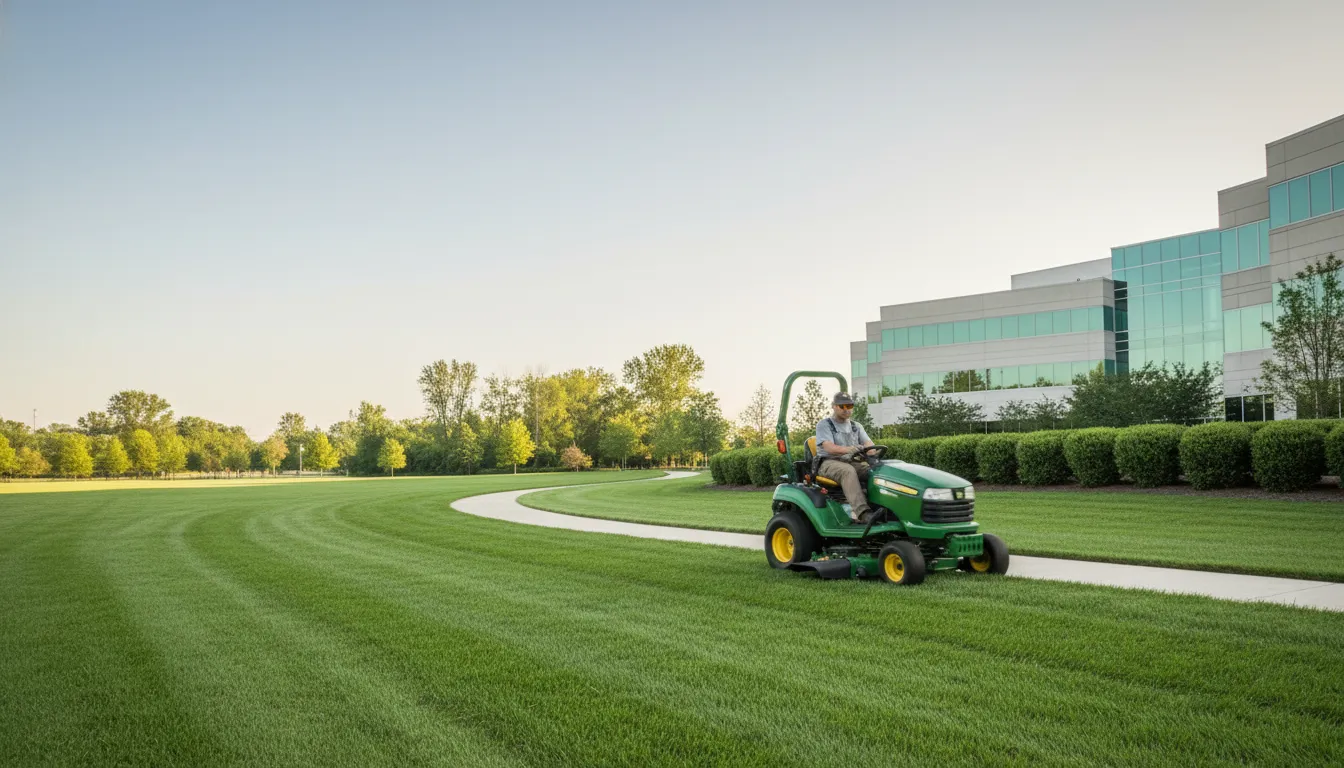
Find the Best Lawn Mowing Companies for Your Business
No obligation • Fast responses • Nationwide coverage

Why you can trust Landscape Atlas
Landscape Atlas is a leading United States resource for evaluating landscaping, lawn care, and outdoor service providers. Our team researches each category in depth, focusing on service quality, safety, and customer experience. Listings and rankings are based on independent criteria and user feedback, and companies cannot pay to influence our assessments or recommendations.
Search providers near you
Best Lawn Mowing Companies in Minnesota Ranked
Maintaining a healthy, vibrant lawn in Minnesota requires a tailored approach that respects the state's distinct climate and grass types. Professional lawn mowing is more than just cutting grass; it's a foundational practice that influences your lawn's resilience, health, and curb appeal throughout the seasons. This guide provides clear, practical information on mowing schedules, proper techniques, and local considerations to help you understand the service and connect with experienced professionals who can keep your Minnesota lawn looking its best.
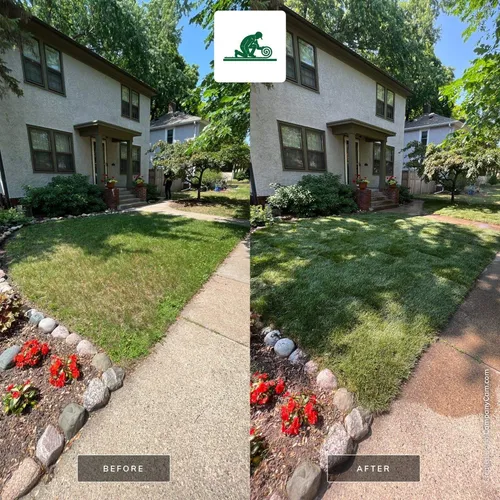
Sod Smith LLC
6417 Penn Ave S Ste. 8, Richfield, MN 55423
Sod Smith LLC is a lawn care company based in Minneapolis, MN, specializing in sod installation and a variety of lawn maintenance services. They offer efficient sod installation that provides instant curb appeal and support new lawns with a proprietary Establishment Plan to promote healthy root growth. The company also installs digital sprinkler systems designed to reduce water use by up to 50%, contributing to sustainable lawn irrigation. Sod Smith emphasizes precise soil preparation and tailored care suited to Minnesota's conditions to ensure successful lawn transformations. Their services are available throughout Minneapolis, with quick booking and transparent communication to keep customers informed throughout the process.
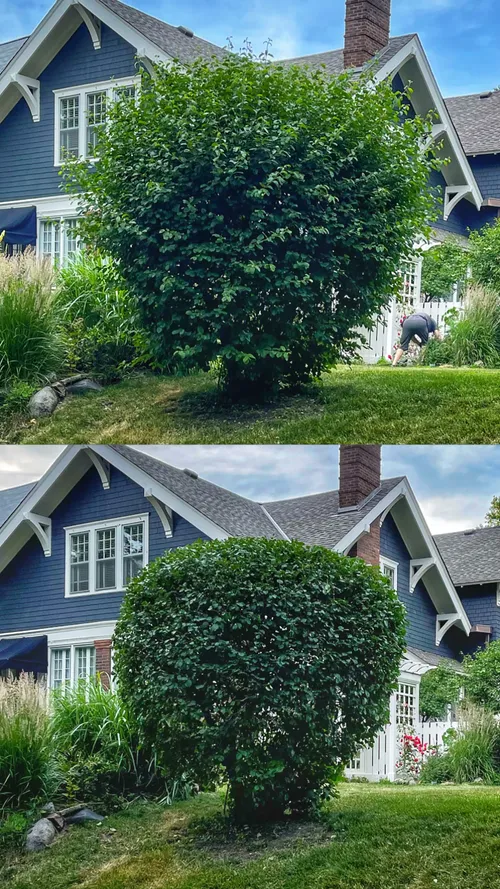
Big D Lawn & Snow Services
St Paul, MN
Big D Lawn & Snow Services offers year-round lawn care and snow removal services in St Paul, MN. Their lawn maintenance package includes spring cleanup, weekly mowing, fertilization, weed control, and fall cleanup to keep lawns healthy and attractive throughout the growing season. During winter, they provide snow plowing and ice management to maintain safe and accessible properties. The company uses quality equipment and delivers personalized care to meet outdoor maintenance needs in Summit Hill and surrounding areas.
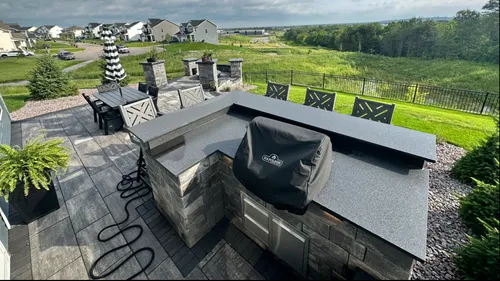
Pioneer Landscaping LLC
1694 Ivory Ave N, Lake Elmo, MN 55042
Pioneer Landscaping LLC is a full-service landscaping company based in St Paul, MN, offering a wide range of services including hardscaping, outdoor living spaces, sod and irrigation installation, sport court and pool installation, and year-round property maintenance for both residential and commercial clients. They serve the St Paul area along with nearby communities such as Lake Elmo, Woodbury, Stillwater, and White Bear Lake. Founded in 2020, the company emphasizes dedicated crews and specialized managers to deliver precise results and sustainable practices. Pioneer Landscaping also provides 24/7 emergency services, ensuring support through all seasons.
Wilkerson's Landscaping Services, LLC
Minneapolis, MN
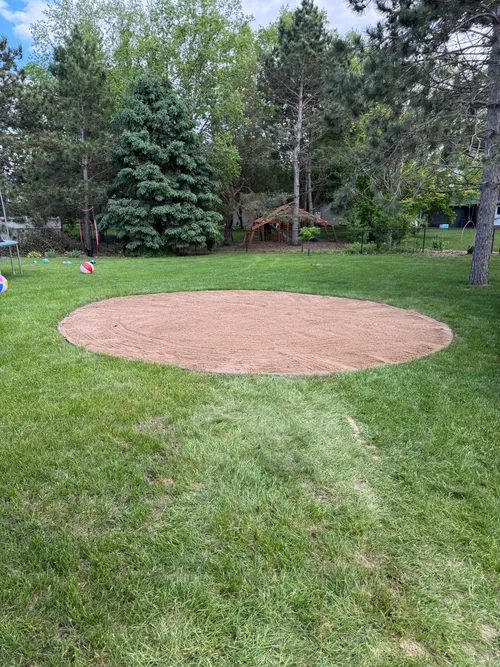
Wilkerson's Landscaping Services, LLC provides commercial and residential landscaping services in Minneapolis, MN. With over 11 years of industry experience, they offer custom landscape designs, plant and tree selection, lawn mowing, and recurring lawn maintenance. Their service area includes Edina, Woodbury, and St Paul, focusing on enhancing business properties with professional and appealing outdoor spaces. The company is licensed and insured, emphasizing quality work and customer satisfaction.
Open Space Gardens
Minneapolis, MN
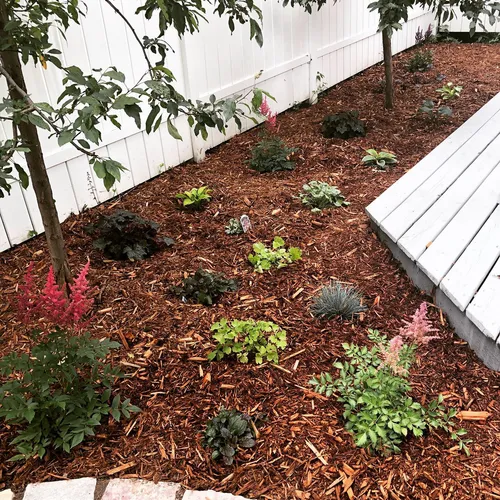
Open Space Gardens is a sustainable landscaping company based in Minneapolis, MN, serving the Twin Cities metro area including St. Paul and surrounding neighborhoods. They specialize in creating nature-friendly outdoor spaces that support native plants, pollinators, and wildlife while promoting clean air and water. Their services include custom garden design, installation, chemical-free maintenance, and seasonal enhancements, all performed with electric-powered equipment to reduce environmental impact. Since 2015, Open Space Gardens has focused on sustainable practices such as using native species, composting, and minimizing soil disturbance to build healthy, low-maintenance landscapes.
Understanding Minnesota's Lawn Environment
Minnesota lawns are predominantly composed of cool-season grasses like Kentucky Bluegrass and various Fescues. These grasses thrive in the cooler temperatures of spring and fall and can go dormant during the hot, dry periods of a typical Minnesota summer. This growth cycle directly dictates a proper mowing schedule. The goal is to support the grass through its active phases and protect it during stress periods. A well-executed mowing plan prevents weeds, encourages deep root growth, and creates a lush, dense turf that can better withstand the challenges of Midwestern weather.
The Ideal Mowing Schedule for Minnesota
A seasonal approach is key to a healthy lawn. Sticking to a routine that adapts to grass growth rates will yield the best results.
- Spring (Late April - June): This is the peak growing season. Grass grows rapidly with increased sunlight and moisture. Weekly mowing is typically necessary during this period to keep up with growth without violating the crucial "one-third rule" (removing no more than 1/3 of the grass blade at a time). Some experts recommend delaying the very first mow of spring slightly to support early-season pollinators.
- Summer (July - August): Growth slows during the heat. You can often extend the interval to every 7 to 10 days, or even up to two weeks during drought conditions 1. This is also the time to adjust your mower to a higher setting.
- Fall (September - Early November): Cooler temperatures and autumn rains trigger a second growth spurt, similar to spring. Return to a weekly or bi-weekly schedule to manage growth 2. Continue mowing until the grass stops growing, which in Minnesota is usually in early November. A final cut at the proper height helps prevent matting and snow mold over the winter.
The Critical Importance of Mowing Height
Cutting your grass at the correct height is arguably the most important factor in lawn health, especially in Minnesota.
- Target Heights: For Kentucky Bluegrass, aim for 2.5 to 3.5 inches. For Fescues, a slightly taller 3 to 4 inches is ideal. This height allows the grass to develop a deeper, more drought-resistant root system and shades the soil to prevent weed seeds from germinating.
- The One-Third Rule: Never remove more than one-third of the grass blade's height in a single mowing session 3. Cutting too much at once ("scalping") shocks the plant, stresses roots, and turns the lawn brown and vulnerable to disease and weeds.
- Summer Adjustment: During the hottest part of summer, raise your mower blade by about an inch4 5 6. The taller grass provides extra shade for the soil and crown of the plant, conserving moisture and helping the lawn survive heat stress.
Find the perfect lawn mowing companies for your needs
Get personalized recommendations and expert advice
Key Mowing Practices for a Healthier Lawn
Beyond schedule and height, these techniques make a significant difference:
- Sharp Mower Blades: Always use a sharp blade. A dull blade tears and frays the grass tips, leaving a whitish, ragged appearance. These torn ends lose more water and are open entry points for disease.
- Vary Your Mowing Pattern: Change the direction you mow each time (e.g., north-south one week, east-west the next). This prevents soil compaction and stops grass from leaning in one direction, promoting more upright growth.
- Mow When Dry: Avoid mowing a wet lawn. Wet grass clumps, clogs the mower, and results in an uneven cut. It can also spread fungal spores and compact the soil.
- Leave Clippings (When Appropriate): If you follow the one-third rule, leave the fine clippings on the lawn. They decompose quickly, returning valuable nutrients and organic matter to the soil, acting as a natural fertilizer. This practice is often called "grasscycling."
Common Lawn Mowing Services and Considerations
Homeowners typically engage professionals for regular maintenance, which is often structured as a seasonal plan. Understanding common service models can help you find the right fit.
- Service Frequency: The most common plans are weekly or bi-weekly (every other week) visits7. The choice depends on your lawn's size, growth rate, and personal preference for lawn appearance.
- Pricing Structure: Costs are primarily based on the size and complexity of your yard. For an average residential property, you can expect a per-visit cost ranging from $30 to $708 9. Many professionals price by square footage, with rates typically between $0.01 and $0.06 per square foot per cut8.
- Seasonal Add-Ons: Many lawn care providers offer bundled services. A mowing plan may be combined with essential seasonal treatments like core aeration (best done in late summer or fall), fertilization, and weed control applications for a comprehensive care package.
Preparing for the Mowing Season
A little preparation ensures a smooth start in the spring and a healthy entry into winter.
- Spring Start-Up: Schedule your first service for late April or early May10. Ensure your service provider knows about any winter damage, new landscaping, or sprinkler heads that need marking. It's also a good time to discuss your annual goals for the lawn.
- Fall Shut-Down: The final mow of the season is important. Ensure the grass is cut to the recommended winter height. Communicate with your provider about leaf cleanup, which is often a separate or add-on service, to prevent a thick layer of leaves from smothering the grass over winter.
Frequently asked questions
Sources
Footnotes
-
Summer Time Mowing in MN - FertiLawn - https://fertilawnmn.com/a-season-long-plan-for-mowing/ ↩
-
Mowing Tips for Minnesota Lawns - Rainbow Lawncare - https://www.rainbowlawncare.com/lawn-mowing-tips/ ↩
-
General Mowing Guidelines - Parkway Lawn Services | Lawn Care in Minneapolis, MN - https://parkwaylawn.com/news/general-mowing-guidelines/ ↩
-
Mowing practices for healthy lawns | UMN Extension - https://extension.umn.edu/lawn-care/mowing-practices-healthy-lawns ↩
-
Grass Cutting Height: Essential Tips For A Lush Lawn | Peter Doran - https://www.peterdoranlawn.com/does-lawn-height-really-matter-minneapolis-pros-say-yes-heres-why/ ↩
-
Does the Proper Mowing Height Really Matter? | Sunset Mowing Blog - https://www.sunsetmowing.com/blog/does-the-proper-mowing-height-really-matter/ ↩
-
Lawn Mowing Frequency: Essential Tips for Minneapolis Homeowners - https://www.peterdoranlawn.com/how-often-should-you-mow-your-lawn-in-minneapolis/ ↩
-
How Much Does Lawn Mowing Cost in 2026? - LawnStarter - https://www.lawnstarter.com/blog/cost/lawn-mowing-price/ ↩ ↩2
-
The Best Minnesota Lawn Care Schedule - LawnStarter - https://www.lawnstarter.com/blog/minnesota/lawn-care-schedule-mn/ ↩
-
Mowing Schedule MN: Best Times for Your Lawn in Minneapolis - https://www.peterdoranlawn.com/when-is-the-best-time-to-start-mowing-in-minneapolis/ ↩