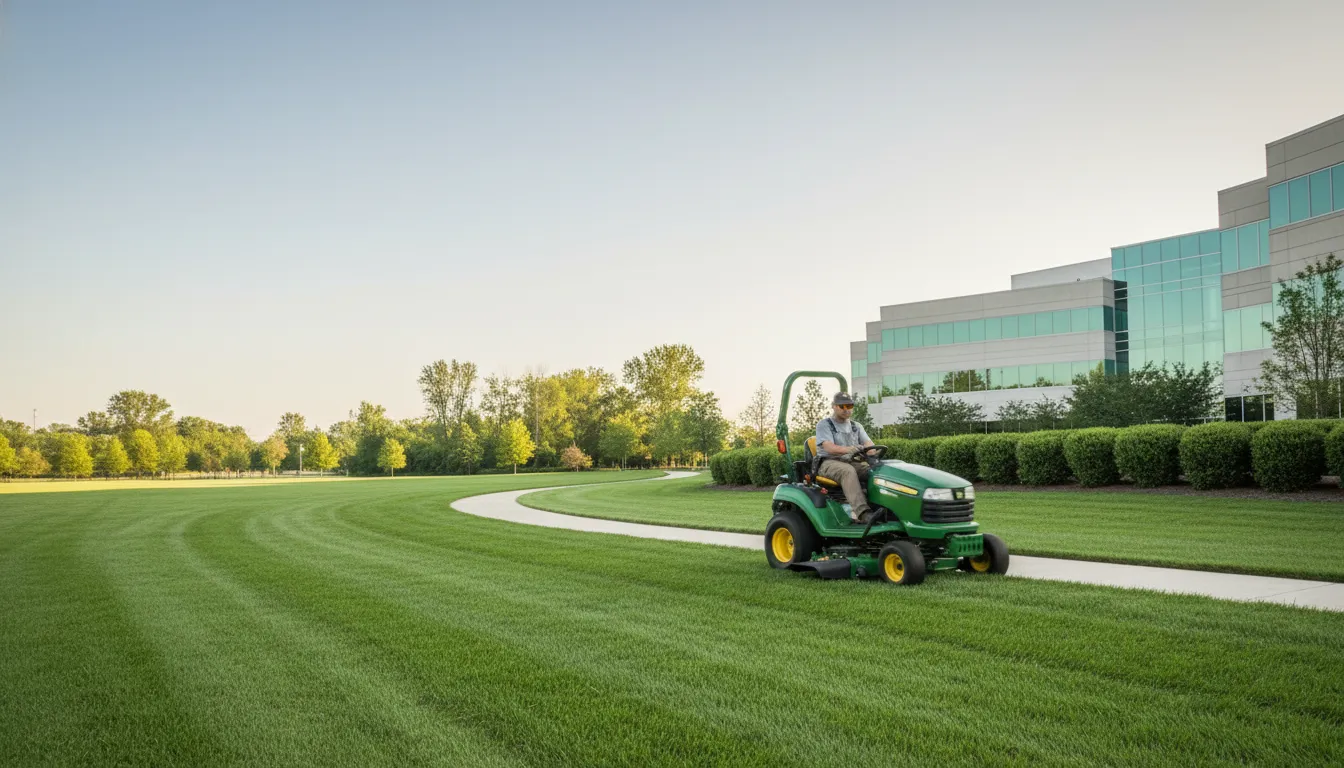
Find the Best Lawn Mowing Companies for Your Business
No obligation • Fast responses • Nationwide coverage

Why you can trust Landscape Atlas
Landscape Atlas is a leading United States resource for evaluating landscaping, lawn care, and outdoor service providers. Our team researches each category in depth, focusing on service quality, safety, and customer experience. Listings and rankings are based on independent criteria and user feedback, and companies cannot pay to influence our assessments or recommendations.
Search providers near you
Best Lawn Mowing Companies in Missouri Ranked
A well-maintained lawn is a source of pride and a key part of your home's curb appeal. Professional lawn mowing services provide consistent, expert care that keeps your grass healthy and vibrant throughout Missouri's distinct seasons. This guide outlines what to expect from professional mowing services in the state, from seasonal schedules and best practices to typical service formats, helping you understand the value and find the right local expertise for your property.
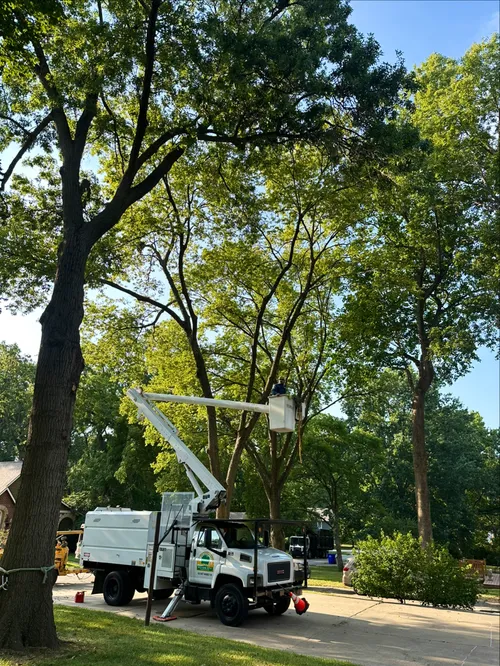
B&L Tree and Lawn Services
Kansas City, MO
B&L Tree and Lawn Services is a family-owned and minority-owned business serving the Kansas City, MO metro area since 2023. They provide a wide range of tree and lawn care services including tree removal, tree trimming, stump grinding, lawn mowing, fertilization, weed control, and snow removal. The company uses state-of-the-line equipment to ensure safe and efficient service, with capabilities such as emergency tree removal and stump grinding. They offer 24-hour emergency services and same-day estimates to support urgent needs.
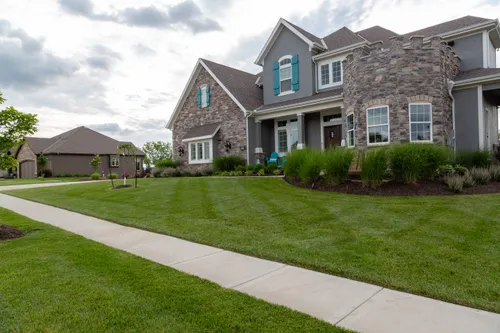
Mears Lawn & Landscape
6370 Carter Ave, Merriam, KS 66203
Mears Lawn & Landscape is a full-service lawn and landscape company based in Kansas City, MO. They offer a wide range of services including landscape design, construction, lawn maintenance, irrigation installation and repair, landscape lighting, drainage solutions, and hardscaping such as patios and retaining walls. Their team is certified and trained, providing expert craftsmanship and tailored solutions to enhance outdoor spaces. As a family-owned business, they emphasize honest recommendations and clear communication throughout each project. They serve Johnson County and surrounding areas.
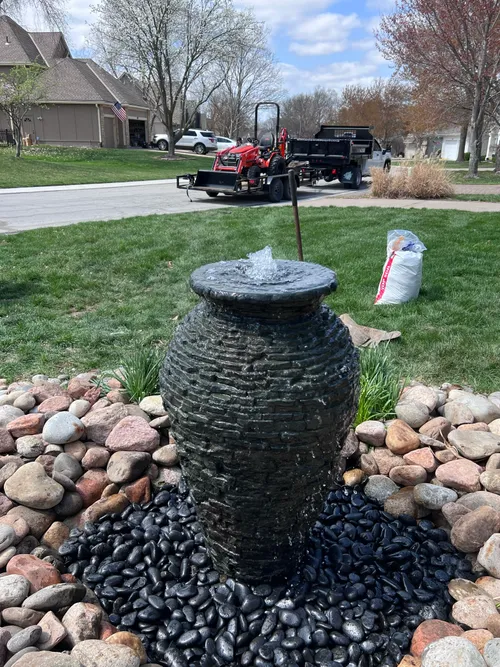
WIlliams lawn &total maintenance ,LLC
103 W 1st St, Lee's Summit, MO 64063
Williams Lawn & Total Maintenance, LLC is a full-service landscaping and lawn care company based in Kansas City, MO. They offer a wide range of services including landscape design, hardscaping, outdoor lighting installation, drainage solutions, tree services, and both residential and commercial lawn care. The company specializes in creating outdoor living spaces that blend with natural surroundings and address functional needs such as erosion control and yard drainage. Williams Lawn & Total Maintenance has years of experience and provides custom landscape design and installation using realistic photo software drawings to meet client needs.
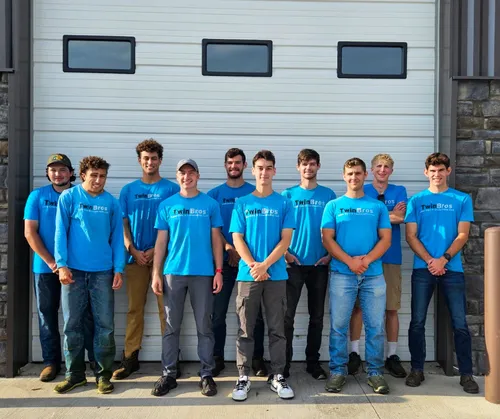
Twin Bros Lawn Care & Landscaping LLC
12906 W 122nd St, Overland Park, KS 66213
Twin Bros Lawn Care & Landscaping LLC is a licensed and insured company offering commercial and residential lawn care and landscaping services in Kansas City, MO. They provide a range of services including routine mowing, seasonal cleanups, and complete landscaping projects. The company serves the greater Johnson County and Kansas City metro area, focusing on quality workmanship and clear communication to maintain healthy lawns and attractive landscapes. Twin Bros Lawn Care & Landscaping LLC is known for its reliable service and fully compliant project management.

Heartland Turf and Landscape
5251 W 116th Pl Suite 200, Leawood, KS 66211
Heartland Turf and Landscape is a lawn care and landscaping company serving Kansas City, MO, and nearby areas. Since 2002, they have provided a range of services including weekly lawn mowing, lawn fertilization, weed control, pest control, core aeration, overseeding, mulch installation, and yard cleanup. Their approach focuses on long-term lawn health through tailored fertilization schedules and professional aeration techniques. The company also offers pest control services such as mosquito, flea, tick, and home barrier treatments to protect lawns and homes.
Understanding Missouri's Lawn Grasses
Successful mowing starts with knowing what's under your feet. Most lawns in Missouri are composed of cool-season grasses, which have specific growth patterns and needs.
- Tall Fescue: This is the most common grass type across the state due to its durability, drought tolerance, and adaptability to various soils. It forms a deep root system and thrives with proper mowing height.
- Kentucky Bluegrass: Known for its rich color and fine texture, it's popular in northern and central Missouri. It spreads via rhizomes, helping it recover from damage, but requires more consistent moisture.
- Fine Fescues: Often mixed with other grasses, fine fescues are shade-tolerant and require less fertilizer, making them a good choice for less-than-sunny areas.
These grasses grow most vigorously during the cool temperatures of spring and fall, slowing down during the heat of summer. This seasonal growth cycle directly dictates the optimal mowing schedule and practices for a healthy lawn.
The Core Principles of Proper Mowing
Professional mowing is more than just cutting grass; it's a practice that directly impacts lawn health. Following these core principles prevents stress, reduces weeds, and promotes deep roots.
The Golden Rule: The One-Third Rule
Never remove more than one-third of the grass blade height in a single mowing session. For example, if your target height is 3 inches, mow when the grass reaches about 4.5 inches. Cutting off too much at once shocks the plant, weakening its root system and making it susceptible to disease, drought, and weed invasion.
Optimal Mowing Height for Missouri Lawns
Maintaining the correct height is crucial. For the common cool-season grasses in Missouri, the recommended mowing height is 3 to 4 inches.
- Taller Grass Benefits: A taller blade shades the soil, conserving moisture, reducing weed seed germination, and supporting a more extensive root system. During summer stress, mowing at the higher end of this range (3.5-4 inches) is especially beneficial.
- Avoid Scalping: Mowing too short ("scalping") exposes soil and weed seeds, stresses the grass, and leads to a thin, brown, and unhealthy lawn 1.
To Bag or Not to Bag? Handling Clippings
In most cases, it's best to leave grass clippings on the lawn. This practice, known as "grasscycling," returns valuable nutrients like nitrogen back to the soil, acting as a natural fertilizer 2. Clippings should only be collected if they are excessively long and clumpy, which can smother the grass beneath. Regular mowing following the one-third rule typically produces clippings small enough to decompose quickly.
Find the perfect lawn mowing companies for your needs
Get personalized recommendations and expert advice
A Seasonal Mowing & Care Guide for Missouri
Your lawn's needs change with the seasons. Aligning mowing practices with these seasonal shifts is key to year-round health.
Spring (March - May)
- Frequency: As growth explodes, mowing frequency increases to weekly.
- Height: Begin the season by mowing at around 3 inches. Ensure your mower blade is sharp; a dull blade tears grass, leaving it vulnerable to disease.
- Key Tasks: Spring is the time for applying pre-emergent weed control if needed and fertilizing once soil temperatures consistently reach 55°F.
Summer (June - August)
- Frequency: Growth slows in the heat. Shift to mowing every 10 to 14 days (bi-weekly) 3.
- Height: Raise the mowing height to 3.5-4 inches to provide extra shade and insulation for the soil and roots.
- Key Practices: Avoid mowing during the peak heat of the day to prevent stress. Focus on deep, infrequent watering (about 1 inch per week) rather than frequent shallow sprinklings. Be vigilant for signs of pests like grubs 4.
Fall (September - November)
- Frequency: As cooler temperatures return, growth picks up again, requiring a return to weekly mowing until growth halts.
- Height: Gradually lower the height back to around 3 inches by late fall.
- Key Tasks: Early fall (September) is the absolute best time for core aeration and overseeding to repair summer damage and thicken the turf 5. Apply a fall fertilizer to strengthen roots for winter and ensure prompt leaf removal to prevent matting and disease.
Winter (December - February)
- Mowing: Dormant lawns do not require mowing.
- Winter Care: Avoid walking or driving on frozen grass, as the blades are brittle and can be damaged. Use this time to service and sharpen mower equipment for the coming spring 6.
Common Service Formats and What to Expect
Professional providers typically offer service plans designed for convenience and consistent care.
- Weekly Service: The most comprehensive option, ideal for spring and fall when growth is fastest. Provides the most consistent appearance.
- Bi-Weekly Service: A popular choice that balances cost and lawn health, often suitable for summer schedules or lawns with slower growth.
- Monthly or On-Demand Service: Less common for mowing alone, but may be offered for larger properties or as part of a broader maintenance plan.
When engaging a service, clarity on the scope is important. Confirm what's included: mowing, trimming, edging, and blowing off hard surfaces. Also, discuss how clippings are handled and the protocol for mowing during wet weather.
Understanding Pricing for Lawn Mowing in Missouri
The cost for professional mowing in Missouri varies primarily based on the size of your lawn. Prices are generally structured per visit.
- Average Per-Visit Cost: For a standard residential yard, you can expect an average range of $30 to $60+ per visit, with a typical median around $42-$52.
- Cost by Lawn Size: Pricing scales with property size. For example, weekly service might range from approximately $38 for a quarter-acre lot to $94 for a full acre. Bi-weekly and monthly visits often have a slightly higher per-visit rate due to the increased growth between cuts 7 8.
The final price can also be influenced by factors like the complexity of the landscape (lots of trees, obstacles, or slopes), the distance for the provider, and whether additional services like edging or leaf cleanup are bundled.
Beyond Mowing: Integrated Lawn Health
Mowing is the cornerstone of lawn care, but it works best when combined with other key practices.
- Fertilization: Feeding your lawn with the right nutrients at the right times (primarily spring and fall) supports the vigorous growth you're managing with your mower.
- Aeration: Compacted soil prevents air, water, and nutrients from reaching grass roots. Annual core aeration, best done in the fall, relieves compaction and is often paired with overseeding.
- Weed Control: A thick, healthy lawn grown at the proper height is the best defense against weeds. Targeted pre-emergent and post-emergent treatments can manage outbreaks.
- Irrigation: Consistent, deep watering is essential, especially during summer droughts. A properly timed irrigation system complements a good mowing regimen.
Choosing a provider who understands and can advise on or provide these integrated services ensures a holistic approach to your lawn's beauty and longevity.