Find the Best Lawn Mowing Companies for Your Business
No obligation • Fast responses • Nationwide coverage

Why you can trust Landscape Atlas
Landscape Atlas is a leading United States resource for evaluating landscaping, lawn care, and outdoor service providers. Our team researches each category in depth, focusing on service quality, safety, and customer experience. Listings and rankings are based on independent criteria and user feedback, and companies cannot pay to influence our assessments or recommendations.
Search providers near you
Best Lawn Mowing Companies in North Carolina Ranked
Maintaining a healthy, attractive lawn in North Carolina requires more than just an occasional trim. Regular, proper mowing is the cornerstone of turf health, influencing everything from root depth and drought tolerance to weed resistance and overall curb appeal. With the state's varied climate and common grass types, knowing the right schedule, height, and techniques is essential. This guide provides a detailed look at professional lawn mowing practices in North Carolina, helping you understand what to expect and how to find the right service for your property.
LandGreen Landscaping Inc.
Barbour Store Rd, Willow Spring, NC 27592
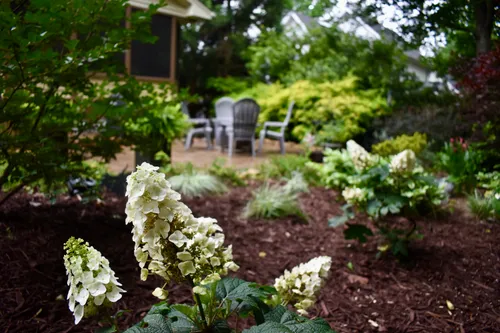
LandGreen Landscaping Inc. is a full-service landscaping company based in Raleigh, NC, serving residential, commercial, and HOA clients in Raleigh and surrounding areas including Fuquay-Varina, Holly Springs, Willow Spring, Angier, Garner, and Apex. They offer a wide range of services such as landscape design, installation of plants, sod, mulch, and rock, as well as year-round lawn maintenance and rehabilitation including core aeration, dethatching, topdressing, and overseeding. The team is licensed, insured, and locally owned, with expertise in North Carolina's climate to provide tailored outdoor solutions that meet specific property needs. LandGreen Landscaping Inc. is also community driven, partnering with local schools and universities to support landscaping education.
DreamScapes
4913 Professional Ct, Raleigh, NC 27609
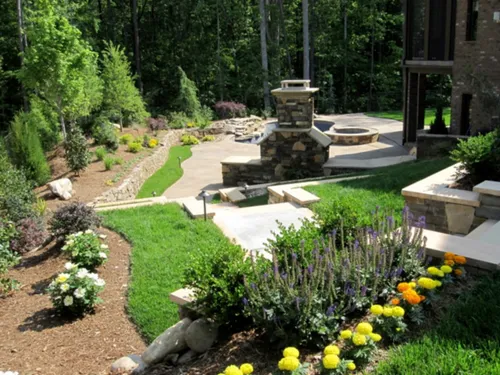
DreamScapes is a landscaping company based in Raleigh, NC, offering a wide range of residential and commercial landscaping services. Their expertise includes lawn mowing, fertilization, weed control, sod and artificial turf installation, landscape lighting, design, tree services, yard drainage, sprinkler installation and repair, as well as hardscaping such as pavers and retaining walls. With over fifteen years of experience, DreamScapes serves the greater Raleigh area including Cary, Wake Forest, Durham, and Chapel Hill. They provide customized landscape design and maintenance plans, combining hardscapes, planting, and lighting to meet client needs. DreamScapes sources materials from local high-quality suppliers and is known for attention to detail and comprehensive service. The company does not specify special availability hours.

American Green Lawns & Landscape Services
4228 River Otter Rd, Lake Wylie, SC 29710
American Green Lawns & Landscape Services is a lawn care and landscaping company serving Charlotte, NC. With over 20 years of experience, they provide lawn mowing, edging, blowing, seasonal fertilization, and weed control to maintain healthy and attractive outdoor spaces. Their team is trained to deliver consistent lawn care and landscaping solutions tailored to each client's needs.
LawnStarter - Charlotte Landscaping
900 Friendly Pl, Charlotte, NC 28213
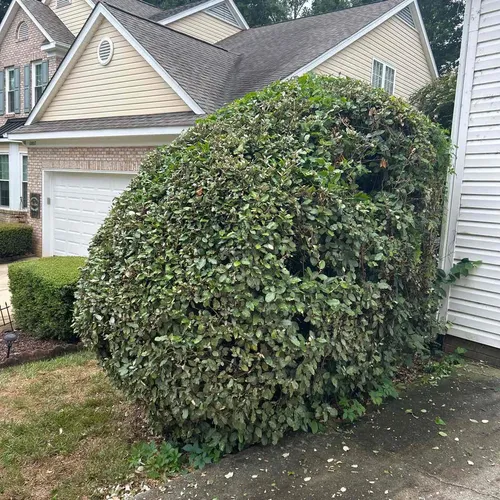
LawnStarter - Charlotte Landscaping offers a wide range of lawn care and landscaping services in Charlotte, NC. Their offerings include lawn mowing, fertilization, weed control, tree services, sprinkler installation and repair, landscape lighting, and general landscaping projects. They connect customers with local professionals who handle tasks such as grass cutting, shrub pruning, leaf removal, and outdoor lighting installation. LawnStarter emphasizes sustainable landscaping trends and seasonal yard care tailored to the Charlotte area. One notable capability is their ability to schedule services quickly, often within 48 hours, backed by a Done Right Guarantee that covers customer satisfaction and property protection.
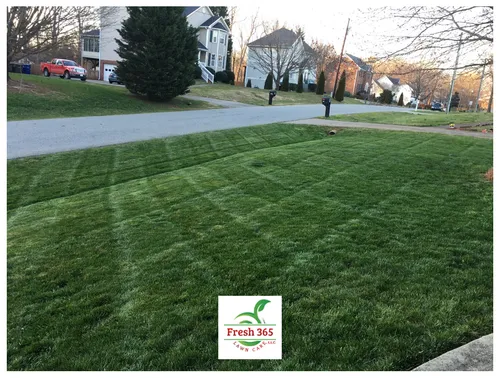
Fresh 365 Lawn Care, LLC
Winston Salem, NC
Fresh 365 Lawn Care, LLC is a licensed and insured lawn care and landscaping company based in Winston Salem, NC. They offer a full range of lawn care, maintenance, and landscaping services tailored to individual lawns, including lawn mowing, fertilization, weed control, trimming, leaf removal, and custom landscaping projects. Their team emphasizes personalized annual programs and detailed treatments to help lawns thrive. Fresh 365 Lawn Care focuses on building trusting client relationships and delivering attentive service to create enjoyable outdoor spaces.
The Importance of Proper Mowing in NC
Many homeowners underestimate the impact of mowing, viewing it as a simple cosmetic task. In reality, it's a critical form of stress management for your grass. Correct mowing encourages dense growth, which naturally crowds out weeds and reduces soil erosion. For North Carolina lawns, which face summer heat stress, unpredictable spring and fall weather, and potential winter dormancy, a tailored mowing strategy is a primary defense. A consistent, professional approach ensures your lawn is cut at the optimal height and frequency to thrive through every season, rather than just survive.
Common Lawn Mowing and Maintenance Services
Professional providers in North Carolina typically offer a range of services, from basic cuts to comprehensive care plans. Understanding these options helps you choose the right level of service for your needs and budget.
- Basic Mowing Service: This is the core offering, which usually includes mowing the lawn with a precise pattern, trimming around all obstacles (trees, beds, fences), edging along walkways and driveways, and blowing off all hard surfaces to clear clippings and debris. It's a complete clean-up visit focused on the cut itself.
- Bundled Lawn Care Programs: Many companies offer packages that combine mowing with other vital health services. These often include scheduled fertilization, broadleaf weed control, core aeration, and overseeding. Bundling services can provide more consistent care and potentially better value over the course of a year. 1
- Seasonal Cleanups: These are one-time or bi-annual services that address needs beyond regular mowing. Key seasonal tasks include extensive fall leaf removal, dormant pruning of shrubs, spring cleanup to remove winter debris, and preparation or winterization of planting beds.
Optimal Mowing Frequency: A Seasonal Guide for North Carolina
The "how often" question doesn't have a single answer in North Carolina; it changes with the seasons and the growth rate of your grass. A one-size-fits-all schedule can lead to scalping in the spring or excessive thatch in the summer.
- Spring (March - May): As soil temperatures warm, grass begins its major growth phase. A "wake-up" cut may be needed to remove winter debris and tidy the lawn. Frequency should quickly ramp up to every 5-7 days to keep up with rapid growth. This is also the ideal time for any major lawn rehabilitation projects.
- Summer (June - August): This is peak growing season for warm-season grasses like Bermuda and Zoysia, requiring weekly mowing. Cool-season grasses like Tall Fescue may slow their growth or go semi-dormant during extreme heat, potentially allowing for a slightly longer interval between cuts, but monitoring is key to avoid stress.
- Fall (September - November): Growth rates begin to slow as temperatures drop. Mowing frequency can be reduced to every 10-14 days. This is a critical season for cool-season grasses, which experience a second growth spurt. It's also the most important time for leaf removal to prevent matting and disease.
- Winter (December - February): Most lawns in North Carolina experience dormancy or very slow growth. Mowing is infrequent, often only every 2-4 weeks for a light cleanup to remove leaves or keep winter weeds in check. The final cut of the season should be set at the correct winter height. 2 3
The Golden Rule: Never Cut More Than One-Third
Regardless of the season, the single most important mowing rule is the "One-Third Rule." You should never remove more than one-third of the grass blade height in a single mowing. For example, if you maintain your lawn at 3 inches, you should mow when it reaches about 4.5 inches. Cutting off more than this shocks the plant, stresses the root system, and leaves unsightly brown clippings (scalping) that can invite weeds and disease. Adhering to this rule often dictates the mowing schedule more than the calendar.
Recommended Mowing Heights for NC Grasses
Mowing height is not arbitrary. Different grass species have different genetic preferences, and adjusting height seasonally can improve lawn resilience.
- Cool-Season Grasses (e.g., Tall Fescue): This common grass type in the NC Piedmont and mountains thrives at a taller height. Maintain it between 3 and 4 inches. The taller blades promote deeper roots, better shade the soil to conserve moisture, and naturally inhibit crabgrass and other weeds. During summer heat stress, keeping it at the higher end of this range is beneficial. 4
- Warm-Season Grasses (e.g., Bermuda, Zoysia, Centipede): These grasses, prevalent in the coastal plain and Piedmont, are typically cut shorter. A general range is 1.5 to 2.5 inches. Bermuda can be cut very short (1-1.5 inches) for a golf-course look, but this requires more frequent mowing and meticulous care. For most homeowners, a height of 2-2.5 inches provides a good balance of appearance and health. In late fall, the final cut can be slightly shorter to help prevent winter fungal diseases. 5 6
Find the perfect lawn mowing companies for your needs
Get personalized recommendations and expert advice
Key Seasonal Lawn Mowing Tasks
Beyond frequency and height, each season brings specific mowing-related tasks that contribute to long-term lawn health.
- Spring: Sharpen mower blades. A dull blade tears grass, creating frayed, brown tips that are more susceptible to disease. Begin the regular mowing schedule as growth starts, and consider a core aeration if the soil is compacted.
- Summer: Stick to the weekly schedule, especially for warm-season grasses. Mow during the cooler parts of the day to reduce stress on both the lawn and the person mowing. Leave clippings on the lawn (grasscycling) to return nutrients and moisture to the soil, unless they are excessively long. 7
- Fall: This is the most important time for leaf management. A thick layer of leaves left on the lawn will block sunlight and smother the grass, leading to dead patches. Regular mowing with a bagger or dedicated leaf removal is essential. It's also the prime time for overseeding thin cool-season lawns. 8 9
- Winter: Perform the "winterizing" cut in late fall. For cool-season grasses, this means a final mow at the standard height. For warm-season grasses, a slightly shorter cut (at the low end of their range) can help prevent matting from fallen leaves and reduce disease habitat. 10 Equipment should be cleaned and serviced during the winter downtime.
Understanding Costs for Lawn Care in North Carolina
Professional lawn mowing costs in North Carolina are influenced by property size, complexity, frequency, and the type of service. Here is a general overview of what homeowners might expect:
- Basic Per-Visit Mowing: For a standard-sized residential lot, a single visit that includes mowing, trimming, edging, and blowing typically ranges from $40 to $60. This is the most common and straightforward service.
- Monthly Bundled Plans: For clients who sign up for ongoing service (e.g., weekly or bi-weekly mowing), the cost is often billed monthly. These plans can range from $70 to $150 or more per month, depending on the frequency and lawn size.
- Additional & Seasonal Services: Stand-alone services like a comprehensive fall cleanup, core aeration, or overseeding are priced separately due to the extra labor and materials involved. These can range from $250 to $450+ for an average property. 11
Investing in professional mowing is an investment in your property's health and value. A well-maintained lawn enhances curb appeal, provides environmental benefits, and creates usable outdoor space for enjoyment.
Frequently asked questions
Sources
Footnotes
-
Should My Tenants Be Responsible for Lawn Care? - https://www.louisebeckproperties.com/should-my-tenants-be-responsible-for-lawn-care/ ↩
-
How Often Should You Be Mowing Your Lawn in North Carolina? - https://agapelawnco.com/blog/how-often-should-you-be-mowing-your-lawn-in-north-carolina/ ↩
-
How Often Should You Mow Your Lawn in North Carolina? A ... - https://greentidesllc.com/blog/how-often-should-you-mow-your-lawn-in-north-carolina--a-seasonal-guide-2 ↩
-
How Often and What Height to Mow - The 1/3 Leaf Surface Rule is The Ke - https://www.mysoiltesting.com/blogs/lawn-articles/the-1-3-leaf-surface-rule-the-key-to-healthy-resilient-lawns ↩
-
Best Height To Mow Your Charlotte Lawn - The Green Team - https://www.jointhegreenteam.com/blog/guide-mowing-your-lawn-charlotte-nc/ ↩
-
When to Cut New Grass: Tips for North Carolina's Piedmont Area - https://southernstatelandscape.com/when-to-cut-new-grass-tips-for-north-carolinas-piedmont-area/ ↩
-
Seasonal Lawn Care Tips Every North Carolina Homeowner Should ... - https://lawnsquad.com/lawn-care-blog/seasonal-lawn-care-tips-every-north-carolina-homeowner-should-know/ ↩
-
NC Lawn Mowing Guide: Seasonal Mowing Frequency for ... - https://www.honeycutt-landscaping-inc.com/lawn-mowing-schedule-growing-season/ ↩
-
Monthly Lawn Maintenance Calendar for North Carolina Lawns - https://www.honeycutt-landscaping-inc.com/monthly-lawn-calendar-nc-lawns/ ↩
-
How Short to Cut Grass Before Winter - Lawn Love - https://lawnlove.com/blog/how-short-to-cut-grass-before-winter/ ↩
-
The Cost of Professional Lawn Care in NC: What to Expect & ... - https://www.honeycutt-landscaping-inc.com/nc-lawn-care-cost-guide-residential-service/ ↩