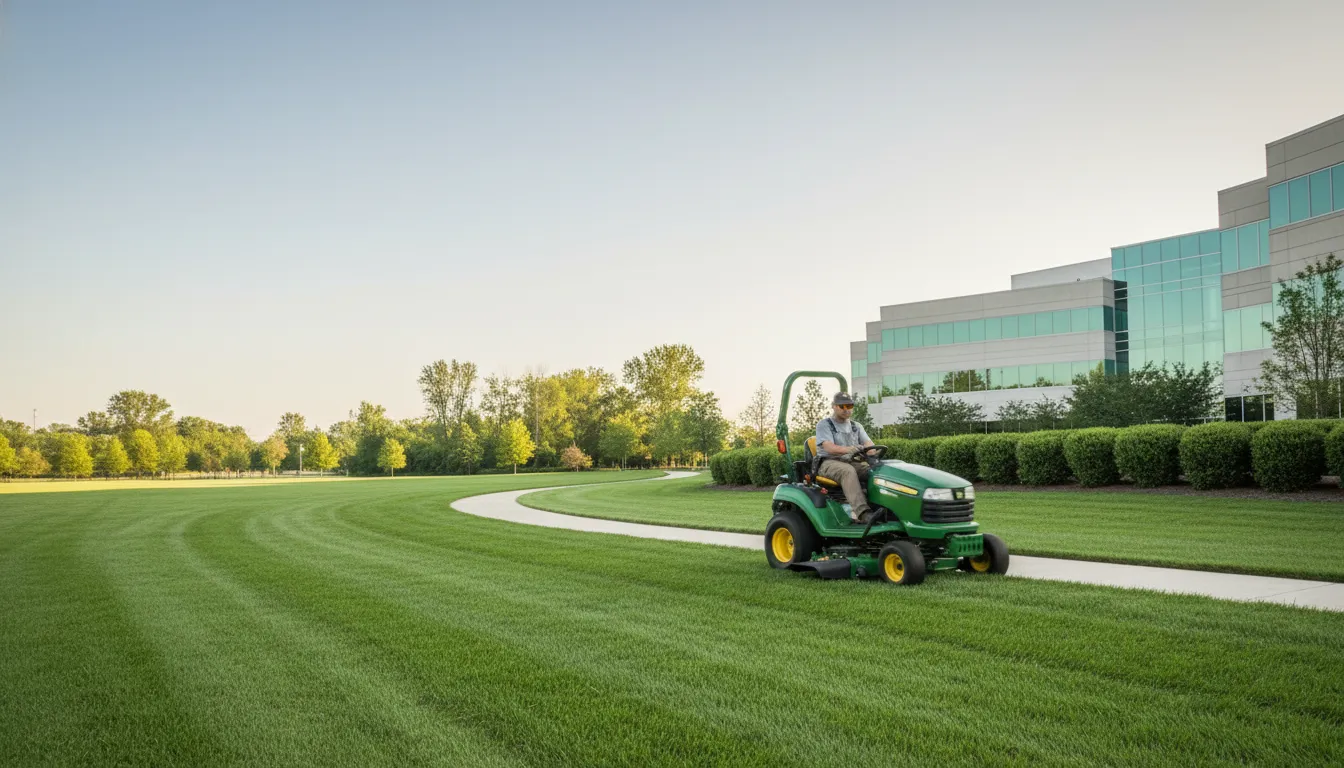
Find the Best Lawn Mowing Companies for Your Business
No obligation • Fast responses • Nationwide coverage

Why you can trust Landscape Atlas
Landscape Atlas is a leading United States resource for evaluating landscaping, lawn care, and outdoor service providers. Our team researches each category in depth, focusing on service quality, safety, and customer experience. Listings and rankings are based on independent criteria and user feedback, and companies cannot pay to influence our assessments or recommendations.
Search providers near you
Best Lawn Mowing Companies in New Jersey Ranked
Maintaining a healthy, vibrant lawn in New Jersey requires more than just a quick trim. It involves understanding the state's unique climate, grass types, and seasonal demands to promote deep roots, resist disease, and enhance curb appeal. Professional lawn mowing services provide the expertise and consistency needed to achieve these results, saving you time and effort. This guide will help you understand the best practices for lawn care in the Garden State and how to connect with local professionals who can tailor a mowing schedule to your property's specific needs.
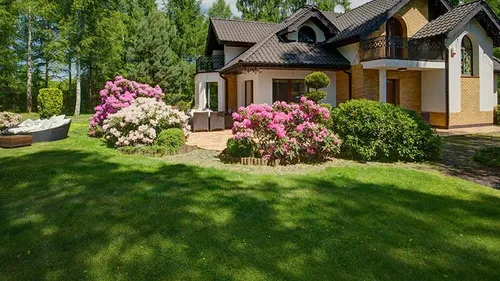
Robert Thieling Landscaping LLC
Newark, NJ
Robert Thieling Landscaping LLC is a full-service landscaping company based in Newark, NJ, serving both residential and commercial property owners. They offer a wide range of services including landscape design and construction, lawn care, sodding and seeding, garden maintenance, weed control, mulching, and hardscaping. The company is known for its personalized service and deep understanding of local regulations and landscaping best practices. Robert Thieling Landscaping LLC emphasizes sustainable maintenance and innovative design to create and preserve healthy, attractive outdoor spaces. Their approach includes efficient business practices to provide affordable landscaping solutions without hidden fees.
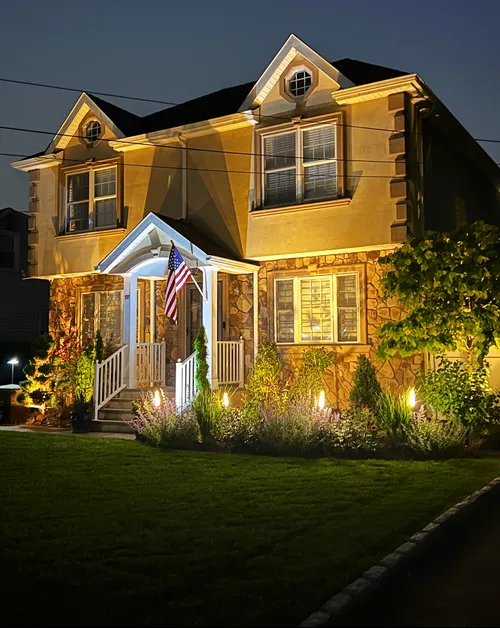
Green Acres Landscape Construction
Newark, NJ
Green Acres Landscape Construction has been providing landscaping design, irrigation, and construction services in Newark, NJ, and throughout New Jersey for over 15 years. They offer a wide range of services including lawn maintenance, sod installation, fence construction, drainage solutions, hardscape lighting, and outdoor kitchen installations. The company handles both residential and commercial properties with a focus on treating each property with care and respect. Their capabilities include brick paver installation and comprehensive landscape design and maintenance.
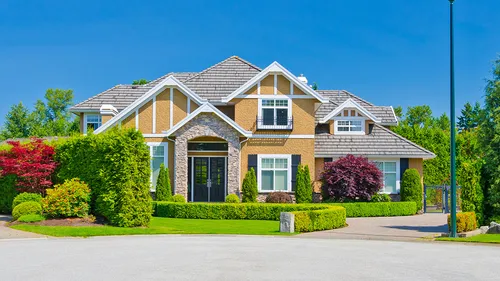
Scott Hild Landscaping
Jersey City, NJ
Scott Hild Landscaping is a family-owned and operated landscaping company serving Jersey City, NJ. Since 2012, they have provided full-service property maintenance for both residential and commercial clients. Their services include lawn mowing, shrub pruning, mulch installation, snow removal, and seasonal cleanups. The company is fully licensed and insured and uses up-to-date management practices to maintain and improve properties.
Newstar Landscaping Contracting
Newark, NJ
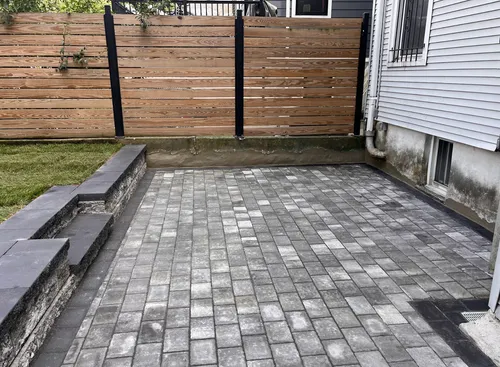
Newstar Landscaping Contracting in Newark, NJ offers a wide range of landscaping and home improvement services. Their expertise includes lawn mowing, lawn care with fertilization and weed control, fence installation, landscape lighting, tree services including removal and stump grinding, land clearing, and hardscaping such as retaining walls and pavers. They also provide handyman services and seasonal property cleanups. One notable capability is their comprehensive approach to both landscaping and construction projects, covering everything from outdoor lighting to home remodeling tasks.
Steve & Brother Landscaping
28 Fulton St, Montclair, NJ 07042
Steve & Brother Landscaping Renovators, LLC is a landscaping company based in Newark, NJ, serving Montclair and surrounding areas. They offer a wide range of services including lawn care, mowing, fertilization, weed control, sod installation, fence installation, landscape design, yard drainage, and hardscaping such as flagstone patios and retaining walls. Their team handles both routine maintenance and complete outdoor transformations, focusing on efficient and correct completion of each job. The company provides flexible scheduling to fit clients' needs and emphasizes quality results and customer satisfaction.
Understanding New Jersey's Lawn Environment
New Jersey's climate presents distinct challenges and opportunities for lawn care. The state experiences four distinct seasons, with hot, humid summers and cold winters, which directly impacts grass growth cycles. Most lawns in New Jersey are composed of cool-season grasses like tall fescue, Kentucky bluegrass, and perennial ryegrass. These grasses thrive in the cooler temperatures of spring and fall but can become stressed during the peak summer heat. This seasonal variation is the primary reason why a one-size-fits-all mowing approach doesn't work; frequency and cutting height must adapt throughout the year to maintain lawn health.
The Core Principle: The One-Third Rule
The single most important rule for healthy mowing is the One-Third Rule. This guideline states that you should never remove more than one-third of the grass blade's height in a single mowing session 1. For example, if your target height is 3 inches, you should mow when the grass reaches about 4.5 inches tall, cutting it back to 3 inches.
Adhering to this rule is crucial for several reasons:
- Reduces Stress: Cutting too much at once shocks the grass plant, weakening it and making it susceptible to disease, drought, and insect damage.
- Promotes Deeper Roots: Gradual trimming encourages the grass to develop a deeper, more resilient root system.
- Manages Clippings: Smaller clippings decompose quickly, returning valuable nutrients and organic matter to the soil without forming thatch. In fact, leaving these fine clippings on the lawn (a practice known as "grasscycling") is an environmentally friendly way to fertilize your grass 2.
Seasonal Mowing Guide for New Jersey Lawns
A successful mowing strategy in New Jersey changes with the seasons. Here's a breakdown of what to expect and how to adjust your approach.
Spring (March - May)
Spring brings a surge of growth as temperatures rise and rainfall increases.
- Frequency: Mowing frequency will increase, often requiring a weekly schedule as growth accelerates 3.
- Height: Begin the season with a cut to around 2.5 to 3 inches. As you move into late spring, you can maintain this height.
- Key Tip: This is the ideal time for core aeration and overseeding to repair winter damage and thicken the lawn.
Summer (June - August)
The summer heat and potential for drought put cool-season grasses under stress. Your mowing strategy should shift to a defensive posture.
- Frequency: Growth may slow, especially during dry spells. You might transition to a bi-weekly schedule or mow as needed based on growth and rainfall 4.
- Height: This is the time to mow taller. Raise your mower blades to cut at 3.5 to 4 inches5 6. Taller grass shades the soil, reducing water evaporation, keeping roots cooler, and naturally suppressing weed seeds by blocking sunlight.
- Key Tip: Always mow with sharp blades to ensure a clean cut. Dull blades tear the grass, creating brown tips and open wounds that increase water loss and disease risk.
Fall (September - November)
Fall is a critical recovery and preparation period. Cooler temperatures and morning dew create perfect conditions for grass growth.
- Frequency: Growth will be vigorous initially, possibly requiring weekly mowing, then gradually slow down as temperatures drop. You may settle into an every-other-week schedule.
- Height: Gradually lower the cutting height to 2 to 2.5 inches for the final few mows of the season. A slightly shorter lawn in late fall helps prevent matting under snow and reduces the risk of fungal diseases like snow mold.
- Key Tip: Consistent leaf removal is essential. A thick layer of leaves can smother the grass, blocking light and trapping moisture.
Winter (December - February)
Mowing is generally not required.
- Activity: The focus shifts to protection. Keep the lawn clear of debris, branches, and matted leaves 7 8. Minimize foot traffic on frozen grass to prevent crown damage.
- Key Tip: Ensure your last fall cut was at the proper shorter height to prepare the lawn for its dormant period.
Find the perfect lawn mowing companies for your needs
Get personalized recommendations and expert advice
Service Frequency and Pricing
Most homeowners in New Jersey opt for regular service rather than one-time cuts. Professional services typically structure their offerings around the growing season's demands.
Common Service Frequencies:
- Weekly: The most popular option during peak growth periods in spring and early summer.
- Bi-weekly (Every Other Week): A common choice that balances lawn health with budget, suitable for many lawns during standard growth periods.
- Monthly or As-Needed: Often used during slower growth periods in late summer or fall, or for lawns that are not the primary focus of landscaping 9.
Understanding Lawn Mowing Costs: Pricing for professional lawn care in New Jersey is primarily driven by the size of your yard and the frequency of service. Most companies charge per visit.
- For a typical residential property under 1/4 acre, you can expect a per-visit cost in the range of $30 to $70 10.
- Larger properties will see higher costs. For example, weekly service for a 1-acre lot can exceed $100 per visit 11 12.
- Many providers offer discounted rates for ongoing weekly or bi-weekly service contracts compared to one-time mows.
- Services often include more than just mowing; trimming along edges, blowing off walkways and driveways, and cleaning up clippings are usually part of a standard visit.
Beyond the Basic Cut: Integrated Lawn Health
Professional mowing is one component of a holistic lawn care program. For a truly lush lawn, mowing should be coordinated with other practices:
- Fertilization: Cool-season grasses benefit from fertilizer applications in spring and fall. A professional can tailor a program based on soil tests.
- Irrigation: Deep, infrequent watering is better than frequent shallow sprinkling. It encourages roots to grow deeper, making the lawn more drought-tolerant.
- Weed and Pest Control: Proper mowing height and frequency are natural weed deterrents. Professionals can identify and treat specific weed or insect problems if they arise.
- Aeration and Overseeding: Annual aeration relieves soil compaction, and overseeding introduces new grass plants to keep the lawn thick and competitive.
Choosing a service provider who understands this integrated approach and can adjust the mowing plan in sync with other seasonal treatments will yield the best long-term results for your New Jersey lawn.
Frequently asked questions
Sources
Footnotes
-
How Often and What Height to Mow - The 1/3 Leaf Surface Rule is The Ke - https://www.mysoiltesting.com/blogs/lawn-articles/the-1-3-leaf-surface-rule-the-key-to-healthy-resilient-lawns ↩
-
Grass - Cut It and Leave It Environmentally-Friendly Lawn Care - https://www.parsippany.net/_Content/pdf/Grass-Clippings-Info.pdf ↩
-
Lawn Care in NJ: Seasonal Calendar - Borst Landscape - https://www.borstlandscape.com/articles/lawn-care-nj/ ↩
-
How Often Should You Mow Your Lawn In The Summer? - https://www.njlawnbuddies.com/blog/lawn-care-service/how-often-should-you-mow-your-lawn-in-the-summer/ ↩
-
Best Mowing Height for Summer Heat in New Jersey - Green Valley Lawn Care - https://www.gvalleylandscapes.com/blog/lawn-care/best-mowing-height-for-summer-heat-in-new-jersey/ ↩
-
SPRING AND SUMMER lawn care - https://mgofmc.org/springsummercare/ ↩
-
7 Winter Lawn Care Tips for New Jersey Homeowners - https://newjerseyirrigationservices.com/7-winter-lawn-care-tips-for-new-jersey-homeowners/ ↩
-
Seasonal Lawn Care Checklist for Central NJ Homeowners - https://www.customlandscapingandlawncare.com/seasonal-lawn-care-checklist-for-central-nj-homeowners ↩
-
Here's some professional tips on how often your lawn should be ... - https://www.facebook.com/groups/LebanonMEandYou/posts/29998880219727160/ ↩
-
Lawn Mowing Cost [2026 Data] - Angie's List - https://www.angi.com/articles/how-much-does-lawn-mowing-cost.htm ↩
-
New Jersey (NJ) Lawn Care - Facts And Figures - LawnStarter - https://www.lawnstarter.com/nj ↩
-
How Much Does Lawn Mowing Cost in 2026? - LawnStarter - https://www.lawnstarter.com/blog/cost/lawn-mowing-price/ ↩