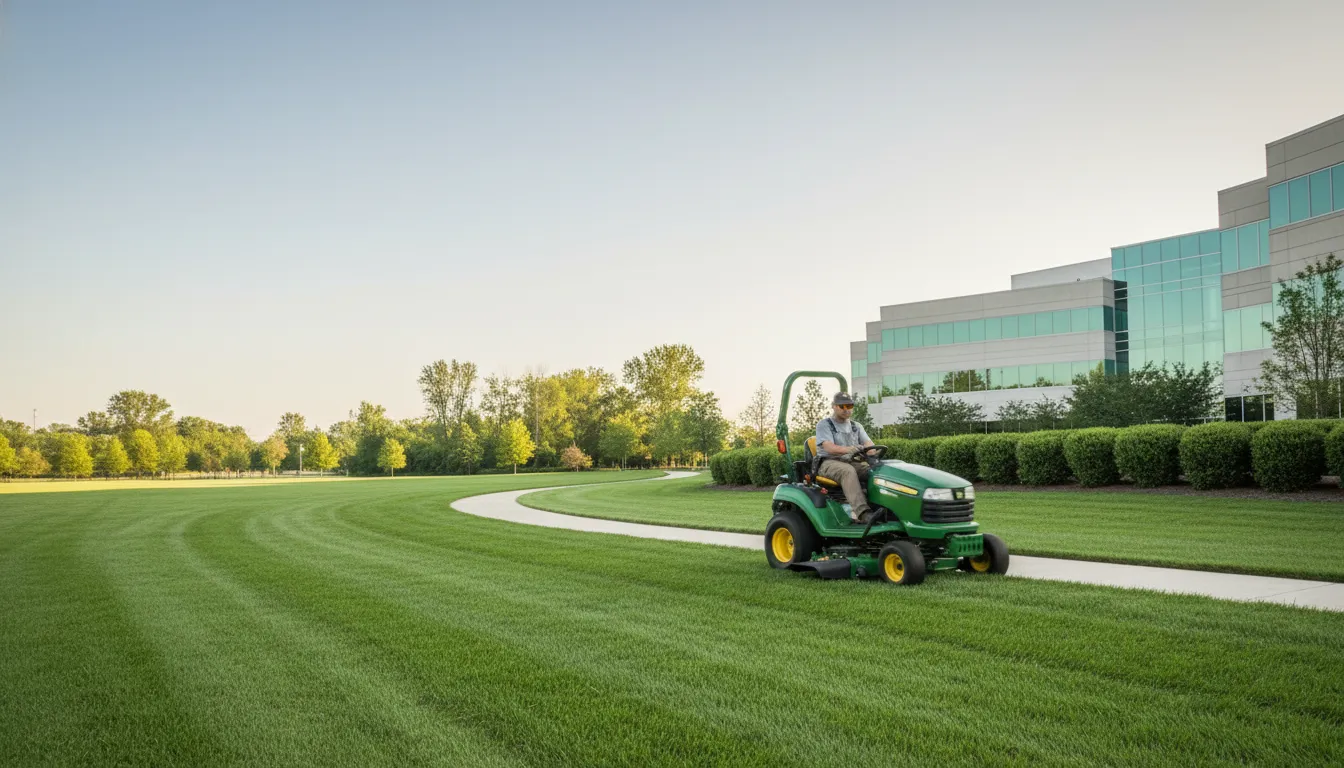
Find the Best Lawn Mowing Companies for Your Business
No obligation • Fast responses • Nationwide coverage

Why you can trust Landscape Atlas
Landscape Atlas is a leading United States resource for evaluating landscaping, lawn care, and outdoor service providers. Our team researches each category in depth, focusing on service quality, safety, and customer experience. Listings and rankings are based on independent criteria and user feedback, and companies cannot pay to influence our assessments or recommendations.
Search providers near you
Best Lawn Mowing Companies in Nevada Ranked
Maintaining a healthy, attractive lawn in Nevada requires a specific approach tailored to the state's unique climate and common grass types. Regular mowing is a cornerstone of good lawn care, but the right frequency, height, and technique are crucial for conserving water and promoting deep root growth in the arid environment. This guide provides practical information on lawn mowing practices and typical service structures in Nevada, helping you understand what to expect and how to find a local professional who can manage your yard effectively.
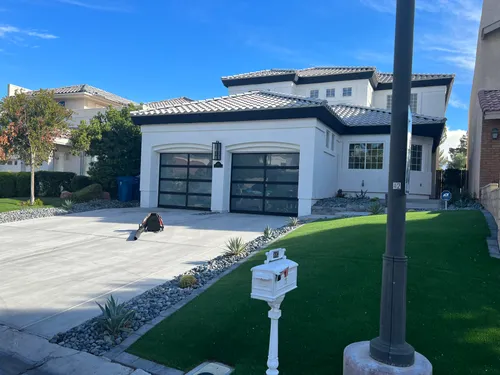
Ugarte Landscapes & Irrigation Repair
208 Estella Ave, Las Vegas, NV 89107
Ugarte Landscapes & Irrigation Repair is a landscaping and irrigation company based in Las Vegas, NV. They offer a full range of services including residential and commercial landscaping, lawn care, tree care, irrigation system installation and repair, and hardscaping. Their expertise includes designing and building outdoor spaces with patios, pathways, and plantings, as well as maintaining landscapes year-round to ensure health and beauty. The company also specializes in irrigation system optimization to conserve water and prevent damage. With years of experience, Ugarte Landscapes & Irrigation Repair serves a variety of property types, from homes to commercial and municipal grounds, providing tailored solutions to meet diverse landscaping needs.
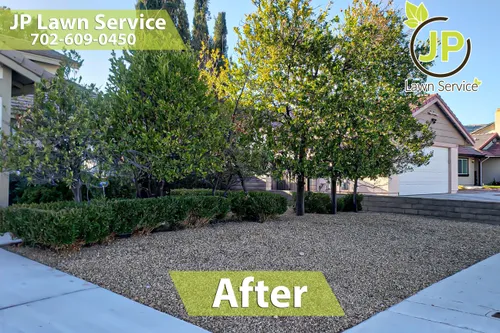
Juan Perez Lawn Service
Henderson, NV
Juan Perez Lawn Service is a family-owned lawn care company serving Henderson, NV, and the Las Vegas area. With over 12 years of experience, they provide a range of services including lawn mowing, fertilization, weed control, tree trimming, stump removal, irrigation repair, and general yard cleanups. Their team offers customized lawn care solutions tailored to the specific needs of each property, focusing on maintaining healthy and attractive outdoor spaces. The company emphasizes honesty and professionalism in their work and aims to build lasting relationships through quality results and open communication.
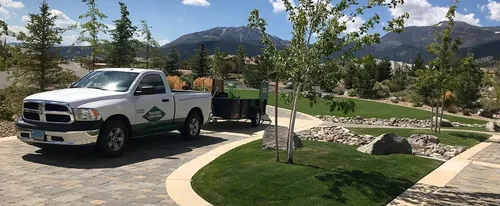
Tailored Lawn Care, LLC
230 Coney Island Dr, Sparks, NV 89431
Tailored Lawn Care, LLC is a lawn and landscaping company based in Reno, NV, offering a wide range of services including lawn mowing, fertilization, weed control, sod installation, artificial turf, landscape design, tree removal, stump grinding, sprinkler installation and repair, and land clearing. They specialize in eco-friendly xeriscaping and provide customized lawn care solutions to enhance residential outdoor spaces. With over 10 years of experience, Tailored Lawn Care is known for its comprehensive services and customer-focused approach, serving clients throughout the Reno area.
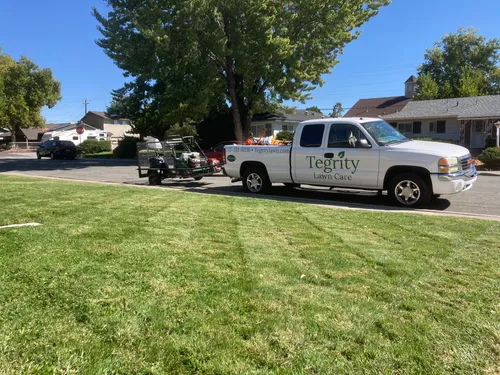
Tegrity Lawn Care
6020 Plumas St, Reno, NV 89519
Tegrity Lawn Care provides lawn mowing, fertilization, weed control, and yard maintenance services in Reno, NV. They offer customizable plans to help maintain and improve lawn health throughout the year, including fall cleanups, leaf collection, and snow removal. Their services focus on keeping lawns healthy and well-maintained with attention to soil and plant care.
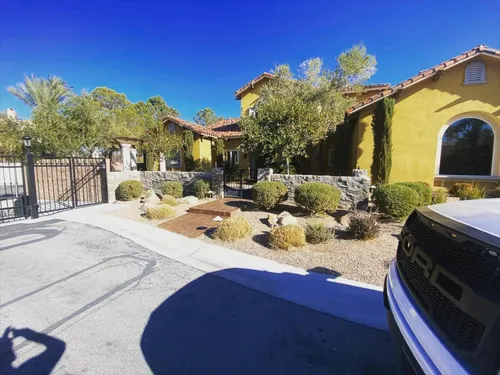
Top Notch Lawncare and Irrigation
Las Vegas, NV
Top Notch Lawncare and Irrigation provides lawn mowing, landscaping, and sprinkler installation and repair services in Las Vegas, NV. They handle lawn care for properties of all sizes, including residential lawns and business plaza green spaces. The company brings specialized equipment to maintain healthy and clean outdoor areas, serving Las Vegas, Pahrump, and surrounding locations.
Understanding Nevada's Lawn Types
The first step to proper mowing is identifying your grass. Nevada lawns typically fall into two categories, each with distinct needs:
- Cool-Season Grasses: Varieties like Tall Fescue, Kentucky Bluegrass, and Ryegrass are common, especially in Northern Nevada and higher elevations. They thrive in the cooler spring and fall months but can struggle in the intense summer heat.
- Warm-Season Grasses: Bermuda grass is a popular choice for its heat and drought tolerance. It grows vigorously in the summer but goes dormant and turns brown with the first frost.
Knowing your grass type directly dictates your year-round mowing strategy, from cutting height to seasonal frequency.
The Golden Rule: Mowing Height and the One-Third Rule
Regardless of grass type, one principle is universal for lawn health: never remove more than one-third of the grass blade in a single mowing. 1 This "one-third rule" prevents shock, reduces stress, and helps clippings decompose quickly without forming thatch. Cutting too much at once weakens the grass, making it more susceptible to weeds, disease, and heat damage.
Recommended Mowing Heights for Nevada:
- Cool-Season Grasses (Fescue/Bluegrass): Maintain a height of 2.5 to 3.5 inches. During the peak summer heat, consider mowing at the taller end of this range (even up to 4 inches) to provide shade for the soil and roots, which helps conserve moisture.
- Warm-Season Grasses (Bermuda): Keep shorter, between 1 and 2 inches. This encourages denser growth and helps the lawn withstand foot traffic. 2 3
Always ensure your mower blades are sharp. Dull blades tear the grass, creating ragged, brown tips that increase water loss and open the door to disease.
Seasonal Mowing Frequency in Nevada
Nevada's mowing schedule isn't static; it follows the seasonal growth patterns of your grass.
- Spring (March-May): This is peak growth time for cool-season grasses. Weekly mowing is often necessary to keep up with growth while adhering to the one-third rule. Warm-season grasses begin to green up and will also require more frequent cuts as temperatures rise. 4
- Summer (June-August): Growth slows for cool-season grasses due to heat and potential water restrictions. You may shift to bi-weekly mowing or even less frequently during the hottest, driest weeks (like August), focusing on maintaining a taller height. 5 Warm-season Bermuda grass hits its growth stride, often requiring weekly mowing.
- Fall (September-November): Cool-season grasses experience a second growth surge with cooler temperatures, typically requiring a return to weekly or bi-weekly service. This is a critical time to gradually lower the height of warm-season grasses before they go dormant. 6
- Winter (December-February): Most lawns are dormant and require little to no mowing. This is the time for equipment maintenance and planning for the next season.
Find the perfect lawn mowing companies for your needs
Get personalized recommendations and expert advice
What to Expect from Professional Lawn Mowing Services
Many Nevada homeowners opt for professional lawn care to ensure consistent, expert maintenance. Services typically include more than just cutting the grass.
Standard Service Visit: A typical professional mowing visit includes cutting the lawn to the agreed-upon height, string trimming along fences, walls, and garden beds, and blowing off clippings from hard surfaces like driveways and sidewalks. Edging along walkways and curbs is also a common inclusion that gives a lawn a crisp, finished look.
Seasonal Add-Ons and Packages: Professionals often offer bundled services or seasonal add-ons. These can provide better value and comprehensive care. Common bundles include:
- Spring Clean-Up: Removal of winter debris, dethatching, and aeration to prepare the lawn for the growing season.
- Fertilization & Weed Control: Regular applications tailored to Nevada's soil and weed pressures.
- Fall Clean-Up: Leaf removal, a final lower cut for warm-season grasses, and winterization.
Understanding Costs for Lawn Mowing in Nevada
The cost for professional mowing in Nevada is typically priced per visit and varies based on several factors. Understanding these can help you evaluate quotes.
Primary Cost Factors:
- Lawn Size: This is the biggest determinant. Prices often scale with the square footage or acreage of the turf area.
- Yard Complexity: Steep slopes, numerous obstacles (trees, planters, play sets), and tight access can increase the time and labor required.
- Frequency: Regular weekly or bi-weekly service often comes at a lower per-visit rate compared to one-time cuts.
- Location: Service rates can vary between metropolitan areas like Las Vegas or Reno and more rural parts of the state.
Average Price Ranges: Based on industry data, you can expect the following general ranges for a standard mowing service visit in Nevada 7 8 9:
- Small Yard (up to 1/8 acre): $30 - $40 per visit
- Medium Yard (approx. 1/4 acre): $45 - $65 per visit
- Large Yard (1/2 acre or more): $70 - $85+ per visit
These base prices usually include mowing, trimming, and blowing. Additional services like edging, fertilization, or seasonal cleanups will add to the total cost. Many companies offer discounted rates for signing a recurring seasonal contract. 10
Water-Wise Mowing Tips for Nevada Homeowners
In a desert state, efficient water use is paramount. Your mowing practices directly impact your lawn's water needs.
- Mow High in Summer: Keeping cool-season grass taller (3-4 inches) provides natural shade to the soil, reducing evaporation and protecting roots from scorching heat. 11
- Leave Clippings: Grass clippings decompose quickly and return valuable nutrients and moisture to the soil, acting as a natural fertilizer and reducing water needs.
- Avoid Mowing in Stress: Never mow a lawn that is wilted, drought-stressed, or soggy from overwatering. This causes compaction and damage.
- Alternate Mowing Patterns: Change the direction you mow each time. This prevents soil compaction and encourages grass blades to grow upright.
Finding the Right Service for Your Lawn
When looking for a lawn mowing provider, seek out professionals with experience in Nevada's specific conditions. They should be knowledgeable about local grass types, seasonal challenges, and water conservation best practices. Clear communication about service inclusions, scheduling, and pricing will ensure your lawn receives the consistent care it needs to look its best throughout the year.
Frequently asked questions
Sources
Footnotes
-
How Often and What Height to Mow - The 1/3 Leaf Surface Rule is The Ke - https://www.mysoiltesting.com/blogs/lawn-articles/the-1-3-leaf-surface-rule-the-key-to-healthy-resilient-lawns ↩
-
Mowing Heights Chart | TruGreen - https://www.trugreen.com/lawn-care-101/blog/lawn-care-tips/mowing-heights-season-and-grass-type ↩
-
Grass Mowing 101 - Residential Lawn Care Reno & Sparks | Cory's Lawn Service - https://www.coryslawnservice.com/corys-lawn-service/uncategorized/grass-mowing-101 ↩
-
Understanding the Ideal Frequency for Lawn Mowing - https://landscapermiddletownoh.com/blog/understanding-the-ideal-frequency-for-lawn-mowing/ ↩
-
Mowing Frequency: How Often Should You Mow Your Lawn? - SeaScape, Inc. - https://seascapeinc.com/healthy-lawns-with-dr-jim/healthy-lawns-how-often-should-you-mow-your-lawn/ ↩
-
Everything to Know about Lawn-Mowing Height & Frequency - https://www.plowzandmowz.com/blog/lawn-mowing-height-and-frequency ↩
-
Lawn Mowing Cost: Average Prices by Size & Region (2026) - https://www.yourgreenpal.com/blog/lawn-mowing-cost ↩
-
Lawn Care Price Guide 2026: Average Mowing Rates & Costs - https://www.housecallpro.com/resources/how-much-charge-lawn-mowing/ ↩
-
How Much Does Lawn Mowing Cost on Average? - Taskrabbit Blog - https://www.taskrabbit.com/blog/average-lawn-mowing-cost/ ↩
-
Lawn Mowing Service Rates: How to Price Your Work in 2025 - https://invoicefly.com/academy/how-much-to-charge-for-lawn-mowing/ ↩
-
How Do I Care For My Lawn In Northern Nevada - https://www.coryslawnservice.com/corys-lawn-service/care-for-my-lawn-in-northern-nevada ↩