Find the Best Lawn Mowing Companies for Your Business
No obligation • Fast responses • Nationwide coverage

Why you can trust Landscape Atlas
Landscape Atlas is a leading United States resource for evaluating landscaping, lawn care, and outdoor service providers. Our team researches each category in depth, focusing on service quality, safety, and customer experience. Listings and rankings are based on independent criteria and user feedback, and companies cannot pay to influence our assessments or recommendations.
Search providers near you
Best Lawn Mowing Companies in Ohio Ranked
Maintaining a healthy, attractive lawn in Ohio requires more than just running a mower over the grass. It involves understanding the state's distinct seasons, soil types, and common grasses to apply the right mowing practices at the right time. Proper mowing is the cornerstone of lawn health, influencing everything from weed resistance and drought tolerance to root depth and overall vigor. This guide provides clear, practical advice on mowing schedules, techniques, and considerations to help you achieve a better lawn, whether you're doing it yourself or evaluating professional services.
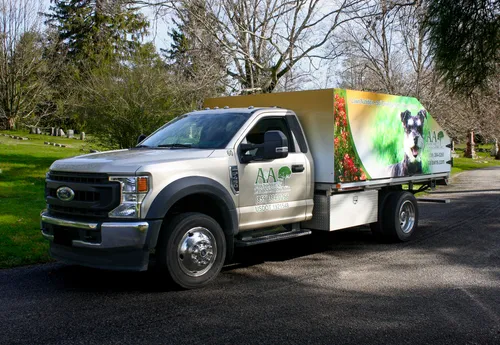
A & A Lawn Care & Landscaping
11783 Enterprise Dr, Sharonville, OH 45241
A & A Lawn Care & Landscaping provides a variety of outdoor services in Cincinnati, OH, including lawn mowing, fertilization, aeration, overseeding, and pest control for both residential and commercial properties. They also offer landscape design, installation, maintenance, and outdoor lighting solutions. The company serves the Cincinnati and Northern Kentucky regions and features 24/7 customer account access for convenience. Founded on principles of honesty, integrity, and quality workmanship, A & A Lawn Care & Landscaping has received recognition through awards and positive customer feedback.

Turf Pride Lawn Care
9301 Hamilton Dr, Mentor, OH 44060
Turf Pride Lawn Care is a lawn care company serving Cleveland, OH, and surrounding counties including Lake, Geauga, and Cuyahoga. Since 2002, they have provided lawn mowing, fertilization, and weed control services to help homeowners maintain and improve their outdoor spaces. Their experience includes working with thousands of customers to deliver reliable lawn care solutions that enhance property appearance and ease maintenance concerns.
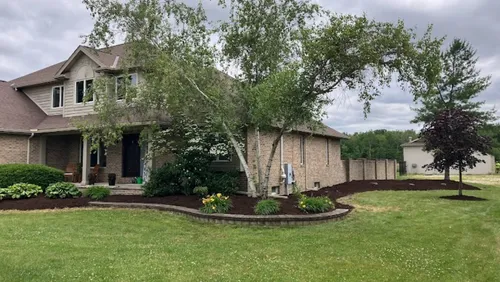
Cdog Lawn and Landscape
21675 Martins Way, Rocky River, OH 44116
Cdog Lawn and Landscape is a full-service residential and commercial landscaping company based near Cleveland, OH. With over six years of industry experience and more than 200 completed projects, they offer year-round lawn care, seasonal cleanups, landscaping installations, and commercial maintenance. Their services include core aeration to improve lawn health and 24/7 snow removal to maintain property accessibility during winter months. The company emphasizes customer satisfaction and maintains a high rating on review platforms.

Supreme Scapes LLC
Cincinnati, OH
Supreme Scapes LLC is a landscaping and lawn care company based in Cincinnati, OH. They provide personalized lawn mowing, landscape design, hardscaping, and outdoor living space services for both commercial and residential properties. The company also offers firewood delivery and stacking. Supreme Scapes focuses on creating and maintaining attractive outdoor environments tailored to client needs.
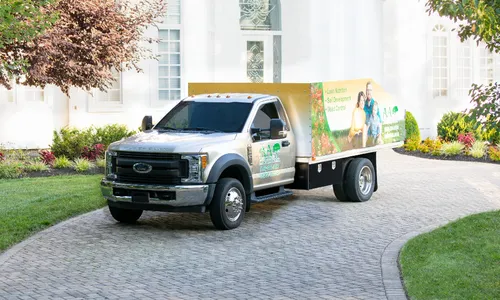
A & A Lawn Care & Landscaping
7765 Foundation Dr, Florence, KY 41042
A & A Lawn Care & Landscaping provides a variety of lawn and landscape services in Cincinnati, OH. Their offerings include lawn mowing, fertilization, aeration, overseeding, pest control for mosquitoes and ticks, landscape design, installation, maintenance, and outdoor lighting. They serve both residential and commercial clients across Cincinnati and Northern Kentucky. The company emphasizes honesty, integrity, and quality workmanship and has received awards and positive customer recognition. They also provide 24/7 customer account access and instant online quotes for convenience.
Understanding Ohio's Lawn Mowing Seasons
Ohio's climate, with its cold winters, humid summers, and variable spring and fall conditions, dictates a dynamic mowing schedule. A "set it and forget it" approach won't work here; successful lawn care is about adapting to the season.
- Spring (April - June): This is the period of most aggressive growth for cool-season grasses like Kentucky bluegrass, perennial ryegrass, and tall fescue that dominate Ohio lawns. Weekly mowing is often necessary to keep up. The goal is to encourage thick, lush growth. Start the season by mowing at a height of 2.5 to 3 inches to avoid stressing the grass after winter dormancy 1. As growth accelerates, maintain a height of 3 to 4 inches.
- Summer (July - August): Heat and potential drought stress the lawn. The key strategy is to mow higher. Keeping grass at 3 to 4 inches provides shade for the soil, which helps retain moisture, cools the roots, and naturally suppresses weed seeds (like crabgrass) from germinating. Growth slows during dry spells, so you may mow every 10-14 days instead of weekly. Never mow during the heat of the day, as this adds further stress.
- Fall (September - November): As temperatures cool, grass experiences a second growth spurt, requiring a return to weekly mowing. This is a critical time for lawn preparation. In late fall, gradually lower your mowing height to about 3 inches for the final one or two cuts of the season. This shorter height helps prevent matted grass that can lead to snow mold over the winter.
- Winter: Mowing is not required. Ensure your final fall cut is done before the ground freezes.
The Golden Rule: Never Cut More Than One-Third
This is the single most important rule for mowing any lawn, especially in Ohio. The "One-Third Rule" states that you should never remove more than one-third of the grass blade's height in a single mowing.
For example, if you maintain a 3-inch lawn, you should mow when it reaches about 4.5 inches tall, cutting it back to 3 inches. Cutting off more than this shocks the plant, weakening the roots and making the lawn more susceptible to disease, drought, and weed invasion 2. If your lawn has gotten too long, resist the urge to scalp it down. Instead, raise your mower to the highest setting, cut it, then lower the deck and mow again a few days later to reach the desired height.
Optimal Mowing Heights for Ohio Grasses
Mowing height directly impacts lawn health. A common mistake is mowing too short, which leads to a weak, shallow-rooted lawn.
- Cool-Season Grasses (Kentucky Bluegrass, Tall Fescue, Perennial Ryegrass): The general recommendation for these grasses in Ohio is a height of 3 to 4 inches during the growing season 3 4. Tall fescue, in particular, benefits from being on the higher end of this range.
- Seasonal Adjustments: As noted, adhere to the higher end (4 inches) in summer heat and the lower end (3 inches) in late fall 5 6.
- New Lawns or Overseeded Areas: For newly established grass, wait until it reaches a height about one-third taller than its intended regular height before the first mow. Ensure mower blades are razor-sharp to avoid pulling out tender seedlings 7.
Frequency and Best Practices
How often you mow depends entirely on the growth rate, which is controlled by season, rainfall, and fertilization.
- Typical Frequency: In peak growing seasons (spring and fall), weekly mowing is standard for most residential lawns 8. During slower summer growth, bi-weekly may suffice.
- Mowing Wet Grass: Avoid mowing a soggy lawn if possible. Wet grass clumps, clogs mowers, and results in an uneven cut. If you must mow when damp, set the mower to its highest setting for the first pass and ensure the grass clippings are thoroughly dispersed or collected to prevent matting.
- Clipping Management: Leave the clippings on the lawn! "Grasscycling" returns valuable nutrients and organic matter to the soil, acting as a natural fertilizer. This practice is beneficial as long as you follow the one-third rule, which ensures clippings are small enough to decompose quickly 9.
- Blade Sharpness: Dull mower blades tear grass rather than cutting it cleanly, leaving frayed, brown tips that make the lawn look dull and provide an entry point for disease. Sharpen mower blades several times throughout the mowing season.
Find the perfect lawn mowing companies for your needs
Get personalized recommendations and expert advice
Professional Lawn Mowing Services in Ohio
Many Ohio homeowners choose to hire professionals for lawn mowing to ensure consistency, save time, and leverage expert knowledge. Services typically structure their offerings in a few key ways.
Common Service Models:
- Weekly or Bi-Weekly Contracts: The most popular option, where a provider commits to mowing your lawn on a regular schedule (e.g., every Monday) throughout the growing season (typically April/May through October/November). This ensures the lawn is never overgrown.
- Per-Visit (À La Carte) Service: You request a mow as needed. This offers flexibility but often comes at a higher cost per visit compared to a scheduled contract.
- Add-On Services: Most mowing services offer complementary tasks for an additional fee, such as string trimming (weed whacking), edging along sidewalks and driveways, blowing off hard surfaces, and seasonal clean-ups like leaf removal 10. They may also offer core services like fertilization or aeration.
Understanding Costs for Lawn Mowing in Ohio
Pricing for mowing services is not one-size-fits-all. It is calculated based on several factors specific to your property.
Primary Pricing Factors:
- Lawn Size: This is the biggest determinant. Prices may be quoted per visit, per acre, or based on a square footage tier.
- Property Condition & Terrain: A flat, open yard is quicker to mow than a sloped property with numerous garden beds, trees, or obstacles. Overgrown lawns or those with excessive debris will cost more for the initial cleanup.
- Service Frequency: Contracted regular service usually offers a better value per mow compared to one-time visits.
- Scope of Work: Does the price include trimming, edging, and blowing? These are often standard but confirm what's included.
Ohio Cost Ranges (Estimates):
- Per Acre: Mowing a single acre in Ohio can range from $80 to $120 on average, with complex properties or premium services reaching $200 or more 11.
- Per Visit (Typical Residential Lot): For an average-sized city or suburban lot (under 1/2 acre), expect a range of $50 to $75 per visit for a standard mow, trim, and blow service. Larger or more complex properties can be $100 to $200+ per visit.
- Hourly Rates: Some providers may charge hourly labor rates, typically between $30 and $65 per hour per worker, plus equipment fees 12 13.
DIY vs. Professional Care: Key Considerations
Deciding whether to mow yourself or hire a pro involves weighing several factors.
DIY Lawn Mowing:
- Pros: Direct control over schedule and technique; lower direct cost (equipment maintenance and fuel only); can be a form of exercise.
- Cons: Requires time, physical effort, and equipment investment (purchase, maintenance, storage). Requires knowledge to mow correctly and avoid damaging the lawn.
Professional Lawn Mowing:
- Pros: Saves significant time and physical labor; provides reliable, consistent results; expertise in proper techniques and seasonal adjustments; often includes trimming and edging; no equipment costs or maintenance for the homeowner.
- Cons: Ongoing financial cost; requires vetting and trusting a service provider; less flexibility if you need a specific, unscheduled time.
Preparing Your Lawn for Professional Service
To get the best results and value from a mowing service, a little preparation goes a long way.
- Clear the Lawn: Before the crew arrives, remove toys, garden hoses, dog waste, sticks, and any other debris from the mowing area.
- Define Edges: Clearly mark any delicate landscaping, new plantings, or invisible irrigation heads with small flags to prevent damage.
- Communicate: Discuss any specific areas to avoid, preferred grass height, or concerns about wet conditions. A clear walkthrough for the first visit is ideal.
- Secure Pets: For the safety of the workers and your pets, keep dogs indoors or secured away from the work area during service.
Frequently asked questions
Sources
Footnotes
-
When to Start Mowing Your Lawn in Columbus, OH | Spring 2025 ... - https://www.groundedcolumbus.com/when-to-start-mowing-lawn-columbus-oh-spring-2025 ↩
-
Lawn Mowing - Denny McKeown's Bloomin Garden Centre - https://bloomingarden.com/the-science-behind-mowing/ ↩
-
4 Lawn Mowing Tips For a Beautiful Lawn in Northeast Ohio - https://www.kevinjservices.com/blog/lawncare/lawn-mowing-tips ↩
-
Mowing Heights Chart | TruGreen - https://www.trugreen.com/lawn-care-101/blog/lawn-care-tips/mowing-heights-season-and-grass-type ↩
-
Recommended Lawn Mowing Heights By Season (Spring, Summer, ... - https://blog.davey.com/recommended-lawn-mowing-heights-by-season-spring-summer-fall/ ↩
-
How Often Should You Cut Your Grass in Cleveland, OH - https://sillsmotorsalesco.powerdealer.honda.com/products/lawnmowers/articles/how-often-should-you-cut-your-grass ↩
-
Turfgrass Establishment Series - Mowing - Buckeye Turf - https://buckeyeturf.osu.edu/news/turfgrass-establishment-series-mowing ↩
-
How Often Should You Mow Your Lawn in Columbus, OH - https://www.groundedcolumbus.com/how-often-mow-lawn-columbus-oh-2025-guide ↩
-
Lawn Mowing - Ohioline - https://ohioline.osu.edu/factsheet/hyg-5816 ↩
-
Best Practices for Lawn Mowing in Ohio: A Complete Guide - https://jarrettslawncare.com/best-practices-for-lawn-mowing-in-ohio-a-complete-guide/ ↩
-
How Much to Mow an Acre in Ohio? Cost Acre, Sq Ft Calculator - https://landscapingserviceohio.com/mow-an-acre-in-ohio/ ↩
-
How Much to Charge For Lawn Mowing: Pricing Charts and Formula - https://www.getjobber.com/academy/lawn-care/how-to-price-out-lawn-care-services/ ↩
-
How Much Does Lawn Mowing Cost in 2026? - LawnStarter - https://www.lawnstarter.com/blog/cost/lawn-mowing-price/ ↩