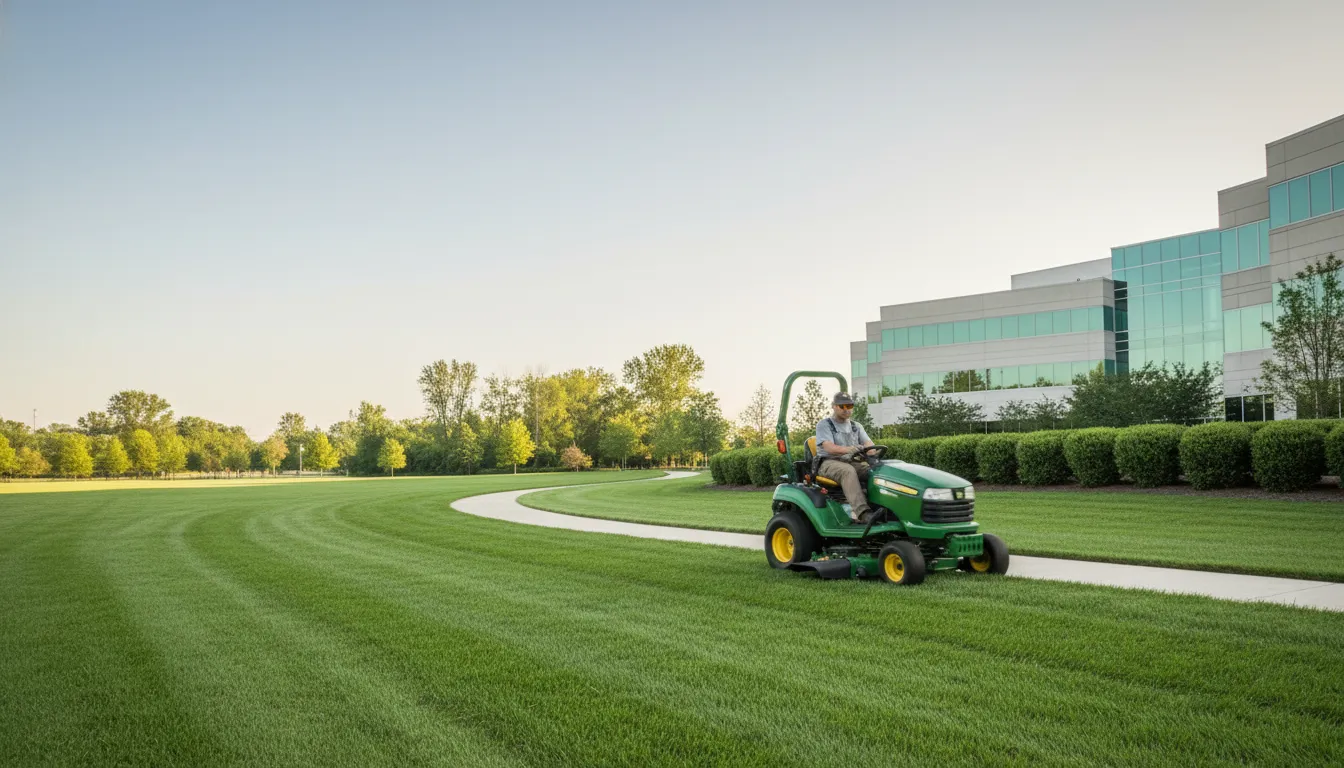
Find the Best Lawn Mowing Companies for Your Business
No obligation • Fast responses • Nationwide coverage

Why you can trust Landscape Atlas
Landscape Atlas is a leading United States resource for evaluating landscaping, lawn care, and outdoor service providers. Our team researches each category in depth, focusing on service quality, safety, and customer experience. Listings and rankings are based on independent criteria and user feedback, and companies cannot pay to influence our assessments or recommendations.
Search providers near you
Best Lawn Mowing Companies in Oregon Ranked
Keeping your lawn neatly trimmed is a foundational part of maintaining a healthy, attractive property in Oregon. Regular mowing promotes thick, resilient grass that can better withstand the state's varied climate, from wet winters to dry summers. This guide provides practical information on mowing schedules, best practices, and local considerations to help you understand your options and connect with experienced professionals who can keep your Oregon lawn looking its best year-round.
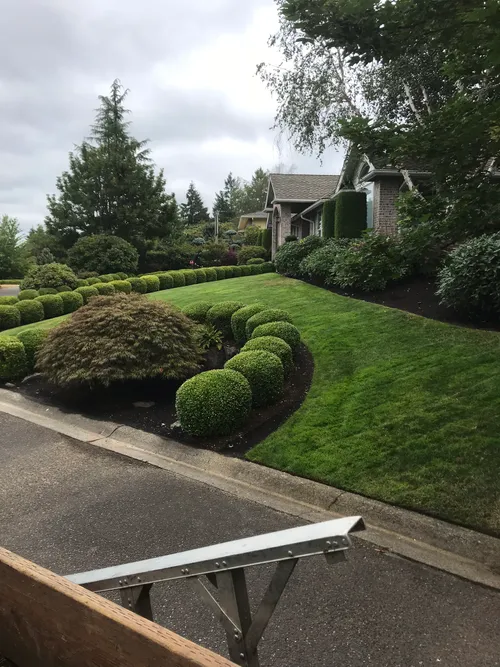
HD Landscape and Maintenance
Portland, OR
HD Landscape and Maintenance is a landscaping and maintenance company serving Portland, OR, and the surrounding metropolitan area. They offer a wide range of services including lawn care, sod and artificial turf installation, fence installation, landscape lighting, landscape design, tree services, yard drainage, hardscaping, and seasonal maintenance. Their work covers residential and commercial properties across Multnomah, Washington, and Clackamas counties. The company emphasizes sustainable landscaping practices using native plants and eco-friendly materials. They are fully licensed and insured, with experience handling projects from initial design to completion, including specialized capabilities like storm damage restoration and smart drainage systems.
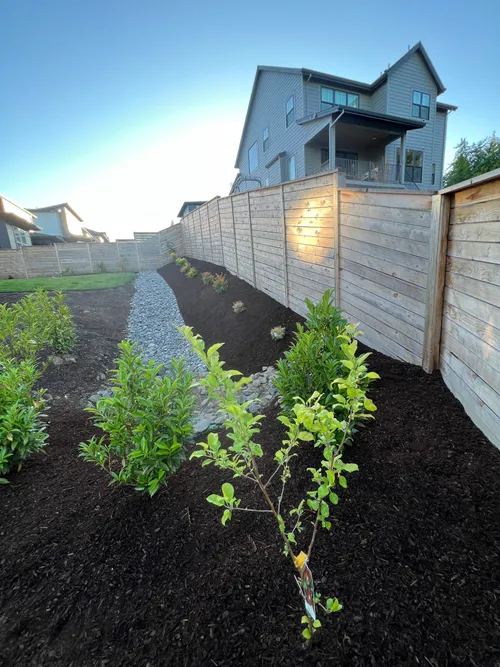
Landscaping/Lawn Care Where The Grass Is Greener
2615 NE 84th Ave, Vancouver, WA 98662
Landscaping/Lawn Care Where The Grass Is Greener offers a range of lawn care and landscaping services in Portland, OR. Their offerings include lawn mowing, fertilization, weed control, leaf removal, bark placement, pressure washing, and seasonal cleanups. They focus on personalized lawn care plans tailored to each customer's yard needs and use professional equipment and techniques. The company emphasizes clear communication and attention to detail to maintain healthy and attractive outdoor spaces.

Augusta Lawn Care of Vancouver
Portland, OR
Augusta Lawn Care of Vancouver provides lawn mowing, fertilization, and weed control services in Portland, OR. They offer comprehensive lawn care solutions to maintain healthy and attractive lawns. The company is fully insured and operates with set office hours during the week and weekends.
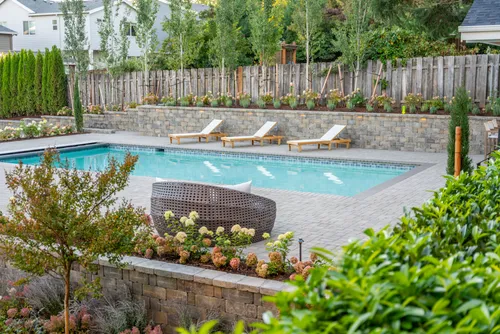
Simple Lawns Landscape Design
9707 NE 54th St #C, Vancouver, WA 98662
Simple Lawns Landscape Design is a family-owned landscaping and lawn care company serving Portland, OR. They provide a full range of services including lawn mowing, fertilization, weed control, landscape design, yard drainage, sprinkler installation and repair, and hardscaping such as pavers and retaining walls. With over 20 years of experience, they focus on durable outdoor solutions backed by a 5-year warranty on hardscaping. Their team includes trained installers who stay current with landscaping techniques to ensure quality results.
Hillside Landscape Maintenance
28008 SE Division Dr, Troutdale, OR 97060
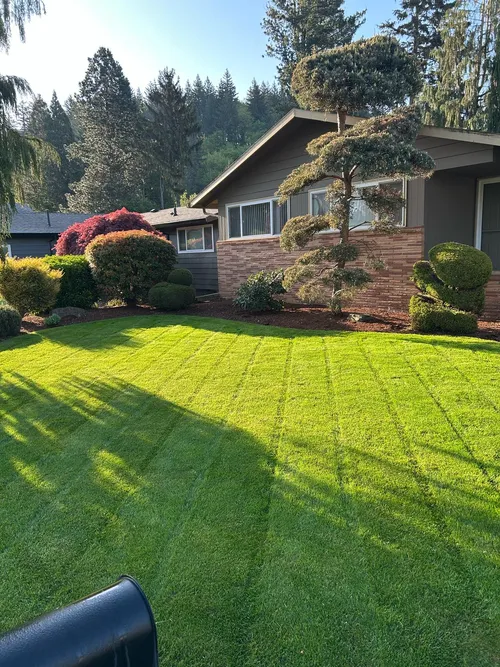
Hillside Landscape Maintenance is a landscaping and lawn care company serving Portland, OR. They provide lawn mowing, landscaping, and general lawn maintenance services to keep outdoor spaces well cared for. The company is known for consistent communication and service in all weather conditions.
Understanding Oregon's Lawn Grasses
The first step to proper mowing is knowing what's underfoot. Oregon lawns are predominantly composed of cool-season grasses, which thrive in the state's temperate climate. The most common varieties include:
- Perennial Ryegrass: Known for its quick germination and wear tolerance, making it a popular choice for high-traffic areas and seed mixes.
- Tall Fescue: Valued for its deep root system, which provides excellent drought resistance once established-a key advantage during Oregon's dry spells.
- Kentucky Bluegrass: Creates a dense, lush, and attractive lawn but requires more consistent moisture and care than fescue or rye.
These grasses have distinct growth cycles, peaking in the cool, moist periods of spring and fall and slowing or going dormant during the heat of summer. Mowing practices should adapt to these natural rhythms to maintain lawn health.
The Golden Rule: Mowing Height for Oregon Lawns
One of the most critical aspects of lawn care is cutting at the correct height. Mowing too short (scalping) stresses the grass, weakens roots, and invites weeds and disease.
- General Recommendation: For most Oregon lawns, a cutting height of 2 to 3 inches is ideal. This height promotes a dense turf that naturally crowds out weeds.
- Spring/Fall: During peak growth, aim for the lower end of this range, around 2 inches, to encourage thick growth.
- Summer Stress: As temperatures rise and rainfall decreases, raise your mower blade. Cutting at 2.5 to 3.5 inches provides shade for the soil, conserves moisture, and helps the grass better tolerate drought conditions.1
- The One-Third Rule: Never remove more than one-third of the grass blade in a single mowing. If your lawn has gotten too long, gradually lower the cutting height over several mows to reach the target height.
A Seasonal Mowing Schedule for Oregon
Your mowing frequency should change with the seasons to match your lawn's growth rate.
- Spring (March-May): Growth kicks into high gear. Weekly mowing is often necessary to keep up. This is also the time to manage the first flush of weeds and deal with any excessive clippings.
- Summer (June-August): Growth slows, especially in drier regions or during heatwaves. You can often switch to bi-weekly mowing. Remember to mow higher to reduce stress. If your lawn goes dormant and turns brown, you can stop mowing until cooler, wetter weather returns.
- Fall (September-November): Cooler temperatures and rain revive your lawn, leading to another growth spurt. Return to weekly or bi-weekly mowing. This season is crucial for managing fallen leaves; frequent mowing with a mulching blade can chop leaves into beneficial organic matter for the soil.
- Winter (December-February): Growth is minimal. Occasional mowing may be needed to keep the grass neat and upright, particularly during mild winters in the Willamette Valley. The focus shifts to winter cleanup of debris. 2
Service Frequency and Common Packages
Professional lawn care in Oregon is typically offered on a recurring schedule. The right frequency for you depends on your desired lawn appearance, budget, and how much you prefer to manage the work yourself.
- Weekly Service: Provides the most manicured look and is ideal during peak spring growth. It often comes with the lowest cost per visit due to efficiency and consistent scheduling.
- Bi-Weekly Service (Every Two Weeks): This is the most common choice for Oregon homeowners. It balances cost with a well-kept appearance and fits well with the natural growth cycles outside of peak spring.
- Monthly or On-Demand Service: Suitable for slower growth periods or for those who handle some mowing themselves. This option usually has a higher cost per visit as it involves less predictable scheduling and often requires more cleanup per session.
- Seasonal Packages: Many professionals offer bundled services that align with the annual cycle. A typical package might include a spring startup (first mow, cleanup, edging), regular summer maintenance, fall leaf management, and a final winter cleanup to prepare the lawn for the cold months.3
Find the perfect lawn mowing companies for your needs
Get personalized recommendations and expert advice
Understanding Pricing and Cost Factors
The cost for professional lawn mowing in Oregon is primarily driven by the size of your lawn and the frequency of service. Local factors like property accessibility and the amount of detailing (edging, blowing) also influence the price.
- Small Lot (Up to 1/4 Acre): For a bi-weekly service, prices often range from $40 to $70 per visit.
- Medium Lot (1/2 Acre): Expect to pay approximately $50 to $80 per visit for regular bi-weekly maintenance.
- Large Lot (1 Acre or More): Pricing scales up significantly due to the increased time and equipment required, with visits often costing $100 to $200 or more.4 5
Opting for a weekly schedule usually reduces the per-visit cost, while monthly or one-time services command a premium. Always clarify what is included in the quoted price, such as trimming, edging, and cleanup of clippings from hard surfaces.
Beyond the Cut: Integrated Lawn Health
Mowing is just one component of a healthy lawn. In Oregon, integrating other practices is key to long-term success.
- Watering: Deep, infrequent watering encourages deep roots. During summer, lawns typically need about 1 to 1.5 inches of water per week, from irrigation or rainfall.6
- Clipping Management: Leaving grass clippings on the lawn (grasscycling) returns nutrients and organic matter to the soil, reducing fertilizer needs by up to 25%.7
- Soil Health: Periodic aeration relieves soil compaction, common in Oregon's clay soils, allowing water, air, and nutrients to reach the grass roots more effectively.8
- Thoughtful Practices: Choosing the right grass type, mowing at the proper height, and minimizing chemical use contribute to a lawn that is not only beautiful but also more climate-friendly and resilient.9
Choosing a Local Lawn Care Provider
When looking for a professional, seek out providers with demonstrated experience maintaining Oregon's specific grass types and who understand the regional climate challenges. They should be able to discuss seasonal strategies, recommend appropriate mowing heights, and offer services that go beyond just cutting grass to include seasonal cleanups and health assessments. A reliable professional will view your lawn as a living system and provide care tailored to its unique needs throughout the year.
Frequently asked questions
Sources
Footnotes
-
Lawn Care - OSU Extension Service - Oregon State University - https://extension.oregonstate.edu/sites/extd8/files/documents/12281/lawncare.pdf ↩
-
Lawn maintenance calendar for Central Oregon - https://extension.oregonstate.edu/gardening/lawn/lawn-maintenance-calendar-central-oregon ↩
-
Oregon Lawn Mowing Guide - A.M. Landscaping Care - https://www.amlandscapingcare.com/blog/oregon-lawn-mowing-schedule ↩
-
Oregon (OR) Lawn Care - Facts And Figures - https://www.lawnstarter.com/or ↩
-
Lawn Mowing Cost: Average Prices by Size & Region (2026) - https://www.yourgreenpal.com/blog/lawn-mowing-cost ↩
-
Efficient Lawn Irrigation in the Intermountain West - https://extension.oregonstate.edu/catalog/pub/ec-1638-efficient-lawn-irrigation-intermountain-west ↩
-
Maintaining a Healthy Lawn in Western Oregon - EWEB - https://www.eweb.org/documents/Customer%20Programs/water-conservation/ec-1521-maintaining-a-healthy-lawn-in-western-oregon.pdf ↩
-
Practical Lawn Care for Western Oregon - OSU Extension Service - https://extension.oregonstate.edu/catalog/ec-1521-practical-lawn-care-western-oregon ↩
-
Through thoughtful practices, lawns can be climate-friendly - https://extension.oregonstate.edu/gardening/lawn/through-thoughtful-practices-lawns-can-be-climate-friendly ↩